
 Saagar Kote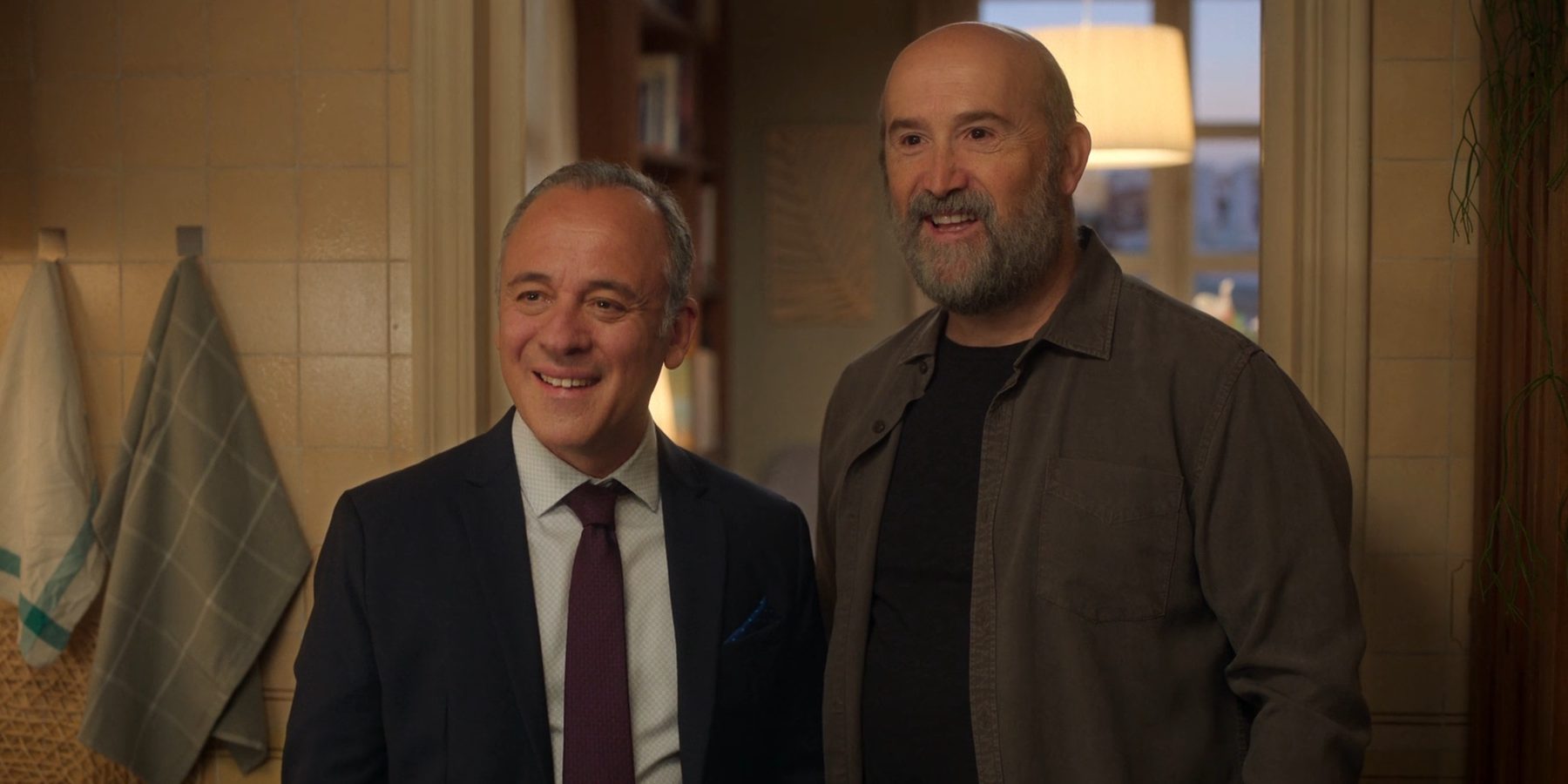
‘53 Sundays’ or ‘53 domingos’ chronicles the chaotic lives of three siblings, Víctor, Natalia, and Julián. They are all middle-aged and married, with varying degrees of marital success. Due to the concerns that their 89-year-old father is facing more health issues, the brothers and the sister plan to meet and discuss how they can help the aging man. What starts as a meeting plan between the three distant siblings soon turns into a battle of egos as they all harbor rigid opinions about each other.
The brothers and the sister deal with this complex situation; Carolina, Julián’s wife, acts as an observer of the unfolding chaos between the three. As Natalia, Julián, and Víctor struggle to be honest with each other, they also face unexpected revelations that may change their perspectives on life and family. As the narrative reaches its conclusion, the three siblings struggle to make sense of one another, leaving their futures and their father’s fate in the balance. SPOILERS AHEAD.
53 Sundays Plot Synopsis
Carolina, Julián’s wife, narrates the story to the viewers by often breaking the fourth wall. She introduces the central conflict involving Julián and his older siblings, Víctor and Natalia. The siblings plan a meeting to discuss the failing health of their 89-year-old widowed father. Natalia, a respected professor unhappily married to Jerónimo, insists on the meeting, worried that her father cannot live alone. Víctor, the eldest, is married to Marisa, and no one is quite sure what he does, though he is wealthy through his father-in-law. Julián is a struggling actor, and Carolina is a nurse. Julián is initially annoyed when his siblings are due to arrive at his house. He and Carolina have a petty argument over a cheap gift, a Christmas vase from Víctor, whom Julián feels doesn’t deserve special treatment. The siblings’ Friday meeting is postponed when Natalia mistakenly calls and assumes the dinner is the next day.
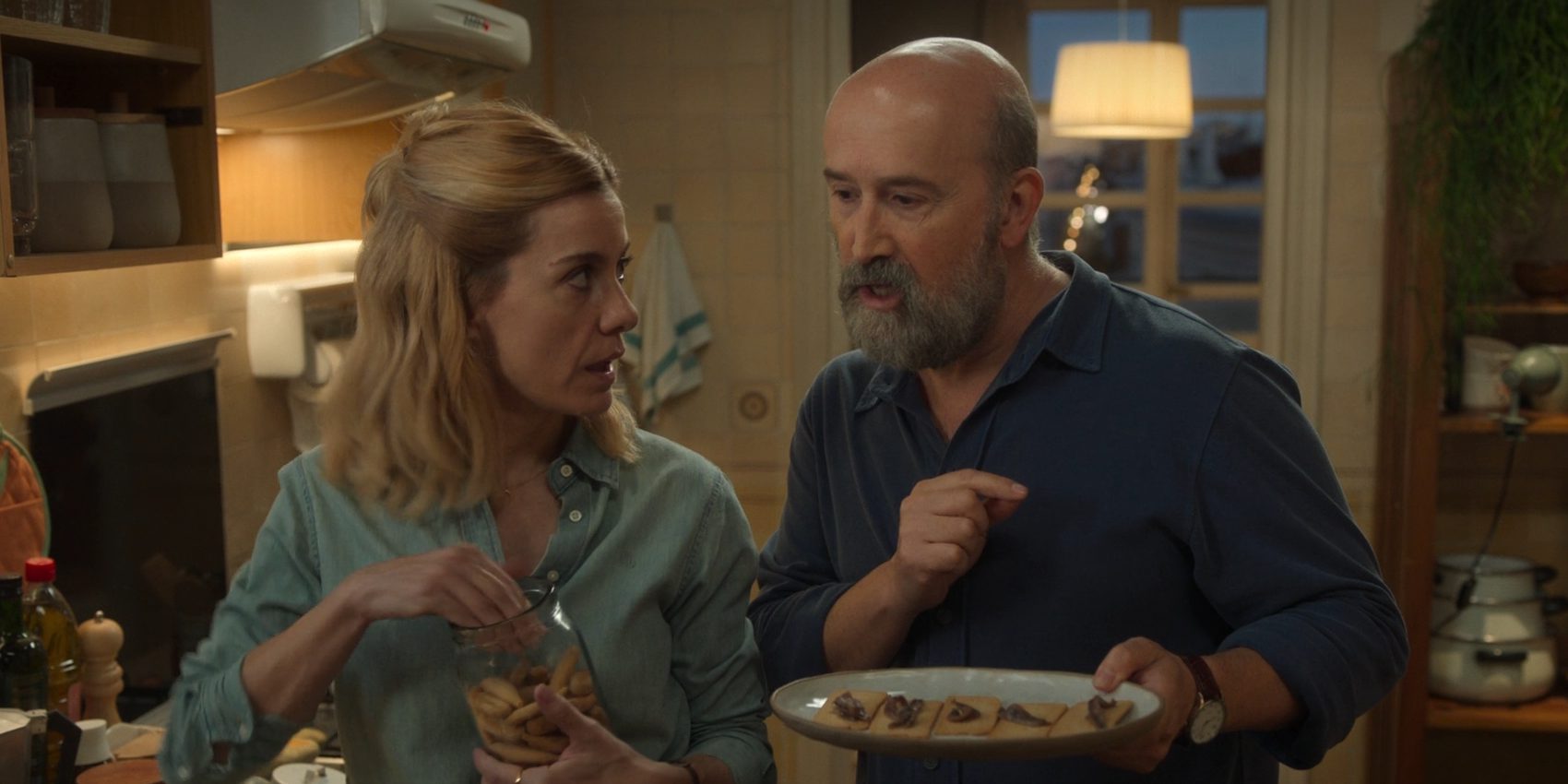
On Saturday, Natalia arrives early. She and Julián go to a pet shop. Natalia is preoccupied with a broken light bulb in their father’s bathroom. She pressures Julián to fix it, sparking an argument over sibling responsibility. Julián feels Víctor views him as the family “janitor.” Back at Julián’s, Natalia reveals that Víctor has written a novel, a fact that surprises Julián since Víctor never mentioned it. She explains that Víctor wrote it on 53 consecutive Sundays and also named it “53 Sundays.” Julián, already feeling dismissed by Víctor, is hurt that Víctor values only Natalia’s opinion. They discuss their father’s increasingly troubled state, including an incident where he exposed himself to neighbors. When Julián asks for her opinion on the novel, Natalia struggles, then admits that Víctor’s novel is bad. Shortly after, Víctor calls Carolina to postpone the dinner and meeting for another week, claiming he cannot make it.
The following week, Víctor shows up alone. He appreciates the vase and brings up their father, favoring hiring a caretaker over placing him in a nursing home, hinting that Natalia might disagree with the plan. Julián, knowing about the novel, waits for Víctor to mention it but keeps his knowledge to himself. Víctor casually insults Julián’s acting career and lack of ambition. The brothers bond slightly while hanging clothes, discussing their father and the light bulb, with Víctor complaining that Natalia has been annoying him. Víctor asks Julián again to change the bulb, which irritates Julián. Finally, Víctor gifts Julián a signed copy of the novel while telling him that he might not be able to understand or critique it, as he is not a reader. In that moment, Carolina informs Julián that Natalia has rescheduled due to a migraine, continuing the cycle of postponements.
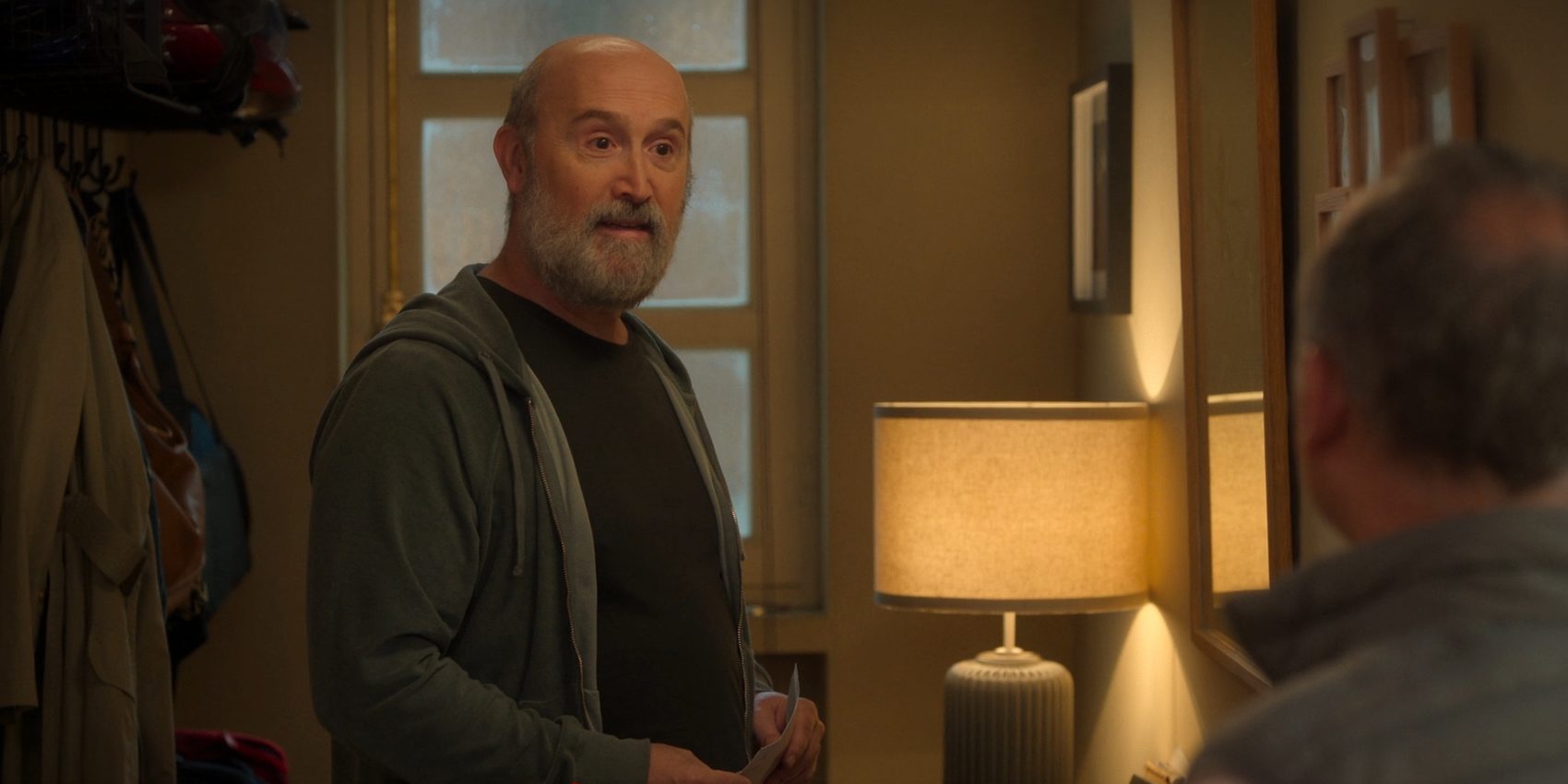
Julián, annoyed, tells Víctor to leave and instructs him to tell Natalia to change the bulb in their father’s bathroom. The following Friday, Víctor and Natalia wait outside Julián and Carolina’s apartment. After Víctor briefly leaves to retrieve his forgotten phone, Carolina and Julián arrive. Natalia worries their father hasn’t picked up calls since last night. Julián shares the news that he shot a commercial playing a tomato. He also tells a surprised Natalia that he liked Víctor’s novel and even re-read it. Víctor returns and, while Julián showers, suggests to Carolina that Julián should quit acting and work as a chauffeur for his company.
Natalia and Víctor begin to argue about their father and Víctor’s condescending tone. Carolina intervenes to keep the peace. When Víctor asks Natalia for her opinion on the novel, she avoids the question. Julián finally joins them, and Carolina gives the three siblings privacy. The meeting begins with a discussion of the novel. Lacking the courage to tell the truth, Natalia lies to Víctor, praising his novel as great.
53 Sundays Ending: Does the Father Die? What Does the Light Bulb Signify?
As Víctor, Julián, and Natalia keep arguing over the novel and their opinions, they fail to discuss their father. While the siblings meet to discuss their father and consider a possible future for him, they forget the real purpose of the meeting and get caught up in a battle of egos. While all this is unfolding at Julián’s place, a real tragedy occurs elsewhere. The unnamed father of Julián, Víctor, and Natalia takes his last breath. Carolina gets a call from one of the old man’s neighbors, who delivers this devastating news. She gathers the courage to tell her husband and siblings about the death of their father. The siblings who are still arguing at this point are shocked to learn about their father’s death and immediately go to the old man’s house to take stock of the situation.
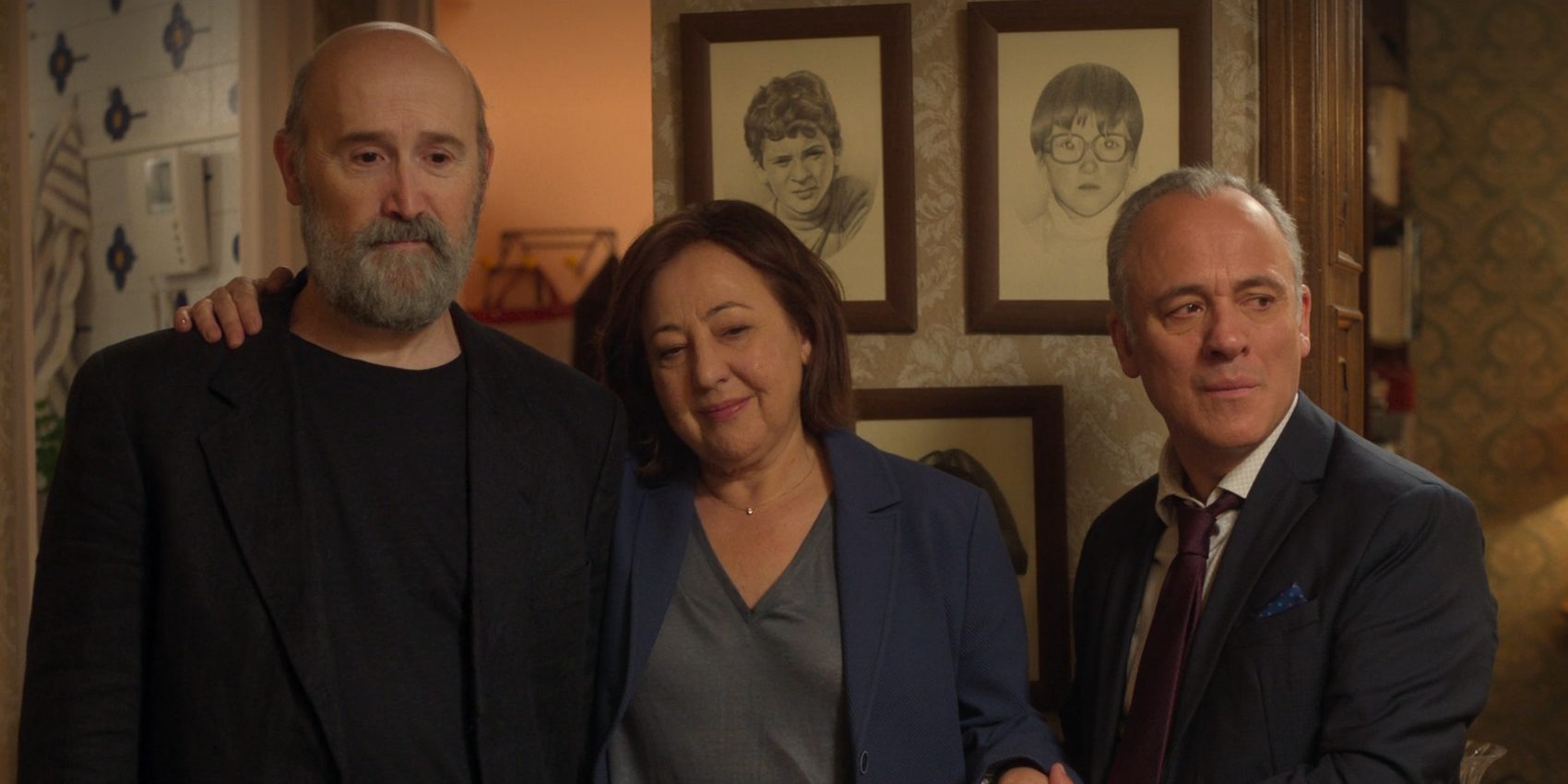
When they reach their father’s place, the siblings find out that he died after taking a fall while climbing the ladder to change the bathroom’s light bulb. For most of the narrative, the three siblings argue over who should change the light bulb and why. Natalia recognizes earlier in the story that her father really needs the light bulb to work in the bathroom, as he is really ill and needs all the vision support that he can get to go through his day. Instead of helping their father by changing the light bulb, the siblings worry about their own egos and have major arguments. Had one of them actually found a little time to simply change the light bulb, it is possible that their father would still be alive. The light bulb plays a major role in the story, driving home the point that the human ego is fragile and that the most mundane arguments miss the important things in life.
Natalia, Julián, and Víctor realize, towards the end, that all their verbal disagreements and fights so far have been unproductive, and they could have done much more for their father, who really needed help. In its own way, the narrative offers a poignant commentary on the value of human life and the role that family plays in a person’s reality. The light bulb is mentioned several times in the story and is a major point of discussion in many of the film’s important moments, but when it is mentioned for the last time, its real significance is conveyed to the audience. Though the light bulb is a simple physical object, it reflects something deeper about the need for empathy and care in the old man’s life.
Do the Siblings Reconcile?
After their father’s death, Natalia, Julián, and Víctor look around their father’s house, and their minds return to the memories of their childhood, when their father and mother cared for them. Carolina, the narrator, discusses a very important point in the siblings’ lives. Their father’s death gives the three siblings an opportunity to finally hold hands after a long time in their lives. Though they were very close as children, adulthood drives them apart. We see a montage sequence of Julián, Víctor, and Carolina enjoying lunch with their parents in their childhood. As adults, their father’s death gives them an opportunity to reconcile and possibly be more empathetic towards each other.
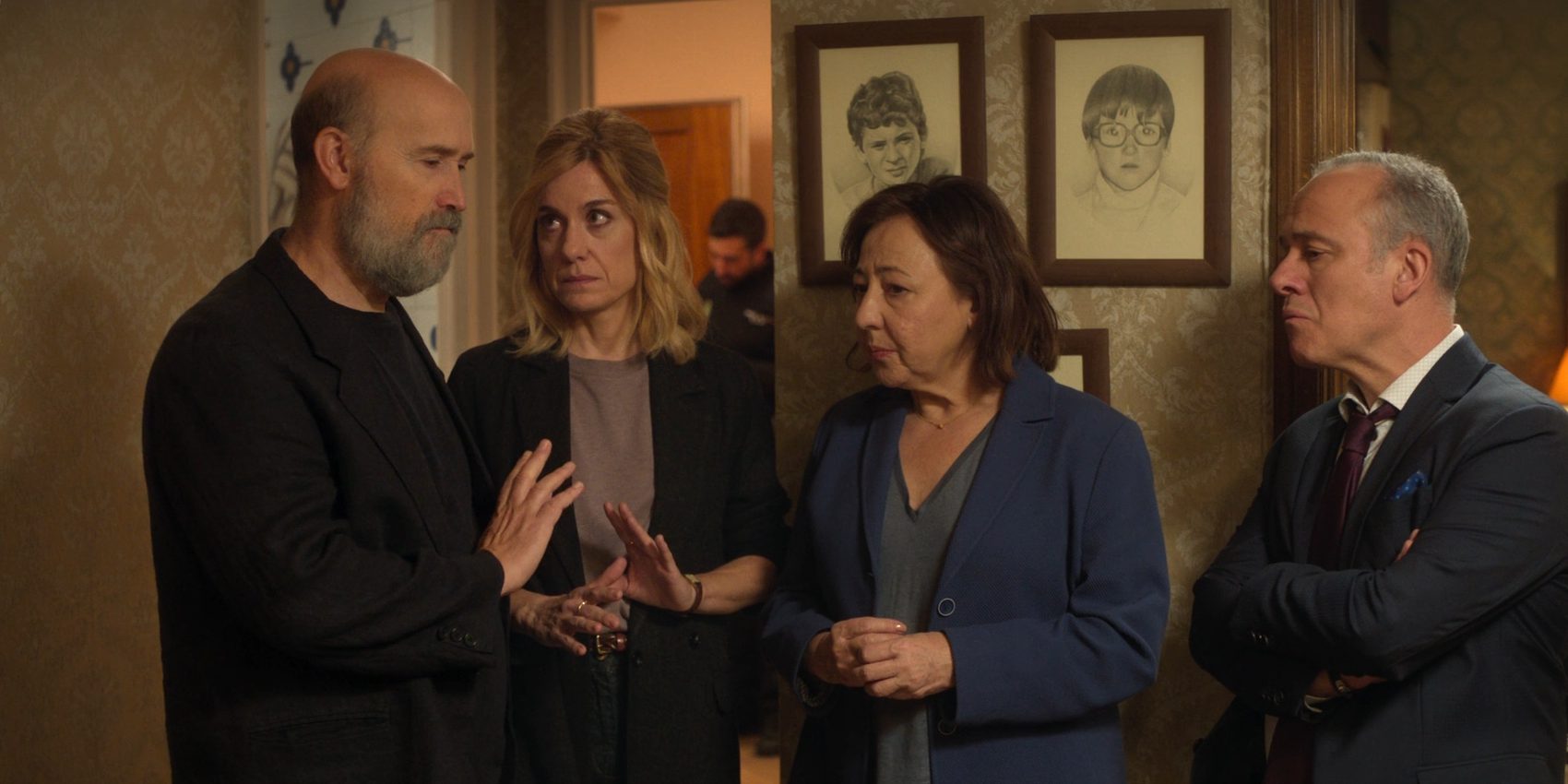
Though the narrative doesn’t clarify whether the siblings actually grow closer, it is possible they will be less judgmental of each other when they meet again. Reconciliation is often a very hard process, and it would require the three of them to go through many more honest conversations to achieve it. When they have conversations, they might be more respectful towards each other. It can be presumed that their father’s death will teach them to be more humble, decent, and responsible as adults. Though Natalia, Julián, and Víctor are now in a transitory phase in their lives, they could be happier in the future.
Will Víctor Learn the Truth About His Siblings’ Opinions on the Novel?
Víctor writes a novel over a period of 53 Sundays and, funnily enough, names the novel “53 Sundays.” This novel becomes a major talking point when Víctor and his siblings gather at Julián’s place to talk about their father. Initially, Natalia is the only one who knows about her brother writing the novel. Víctor doesn’t tell Julián because he doesn’t really consider him very important. Julián learns about the novel from Natalia. Despite being insulted, Julián still gives it a read. Earlier in the narrative, Natalia makes it clear that she hates the novel and thinks it is extremely pretentious, with nothing meaningful to convey. On the other hand, Julián ends up liking the novel and appreciates its metaphors and literary quality. Though Natalia and Julián tell each other their opinions about the novel, they try to hide it from Víctor.
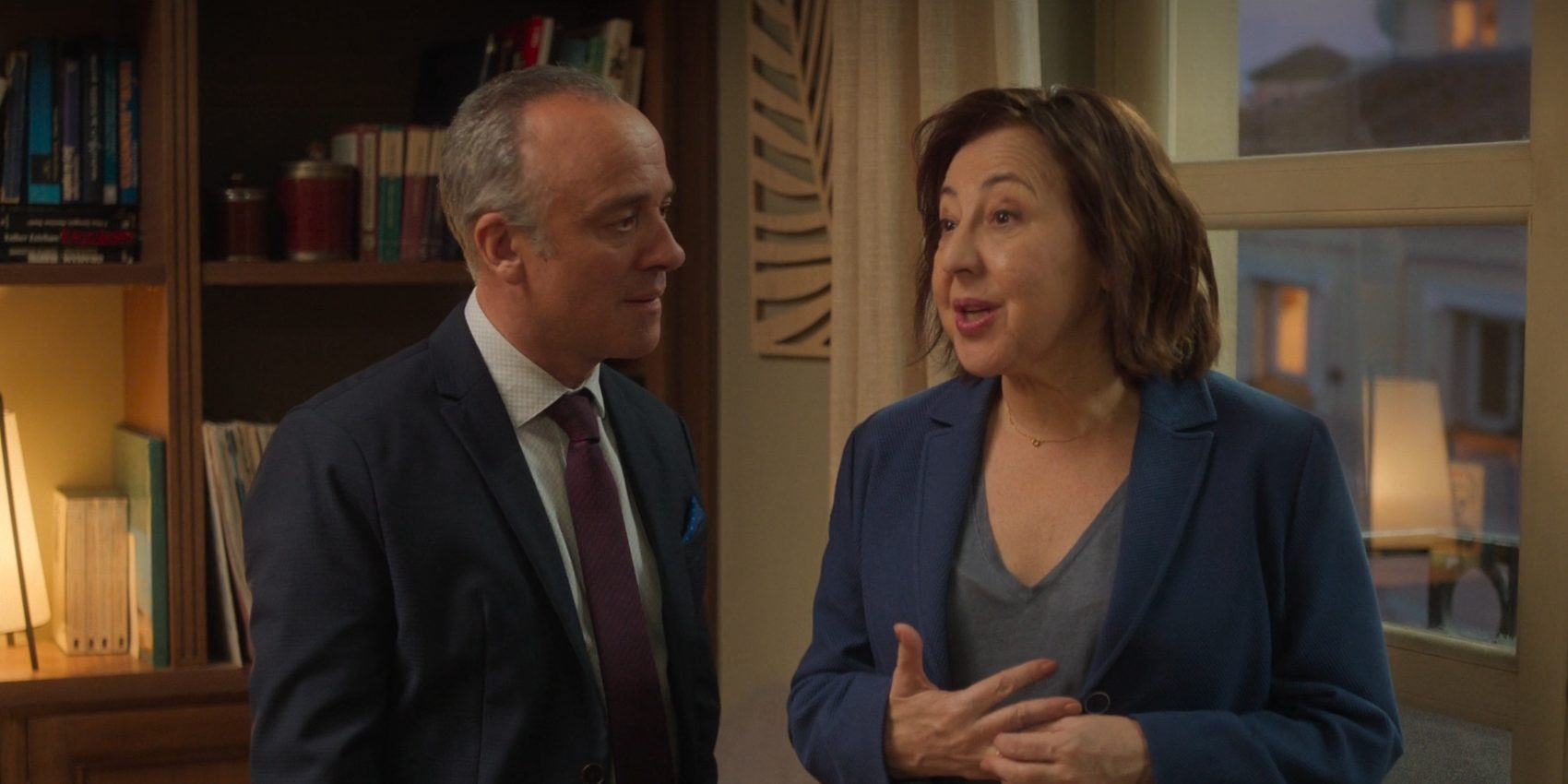
Natalia struggles to tell Víctor that she did not like the novel and lies to him that she was actually impressed by it. Julián, due to his insecurity, lies to Víctor and tells him that he didn’t like the novel. Both Julián and Natalia hide their real opinions on the novel. Julián wants his brother to respect him and actually give some value to his opinions. Natalia tries to avoid conflict and shields the truth. Continuing their journey after their father’s death, it can be presumed that they will eventually find the time to discuss the novel again. When they do so, Julián and Natalia will probably be more honest about their opinions and also respect Víctor enough to share their views without filters.
Read More: Made in Korea Ending Explained

