
 Shivangi Sinha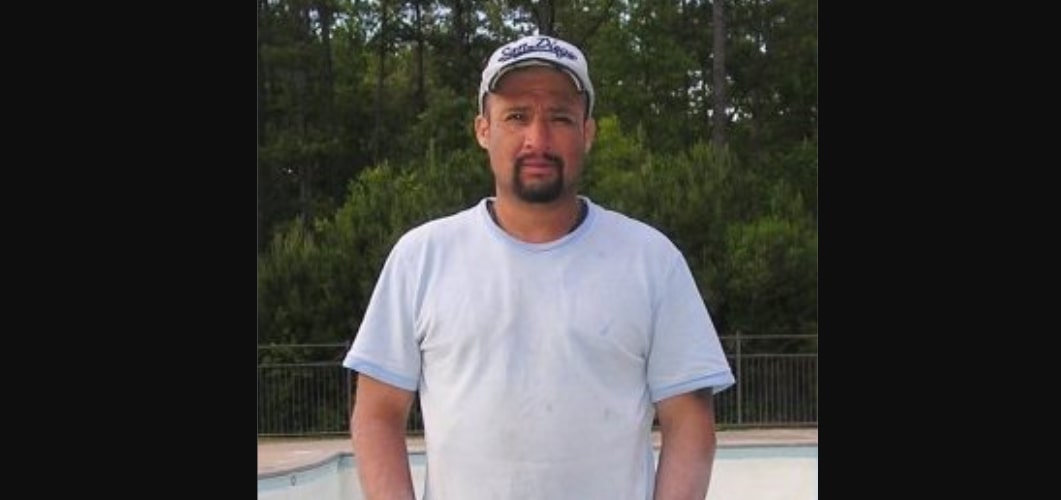
Anastasio Hernández Rojas had lived in the US for many years but remained undocumented. He had a wife and children, but after a minor encounter with law enforcement, he was deported to Mexico. On May 7, 2010, while attempting to cross the border back into the US to reunite with his family in California, he was detained by Border Patrol officers. During the encounter, he was allegedly beaten and repeatedly tased, sustaining severe injuries that led to his death a few days later. His family pursued a lengthy legal fight to seek justice, including appealing to international human rights organizations. HBO’s ‘Critical Incident’ examines the case in detail and explores the events and circumstances surrounding his death.
Anastasio Hernández Rojas Passed Away After Being Apprehended by Border Patrol Officers
Anastasio Hernández Rojas was born on May 2, 1968, in San Luis Potosí, Mexico. His parents, Porfirio Hernández Rojas and María de la Luz Rojas Olivo, raised eight children, with Anastasio being the third oldest. Although the family had limited financial means, they hoped to give their children better opportunities and a chance at an improved life. At just 15 years old, Anastasio moved to the US with the aim of earning money and sending it back home. As time passed, he also built a life there. In 1989, at the age of 21, he met María de Jesús Puga Morán. The couple later settled in San Diego, California, where she became his common-law wife. The couple went on to raise five children: Yeimi Judith, Daisy Alejandra, Fabian Anastasio, Daniel, and Daniela. Anastasio worked hard to provide financial stability for his family.
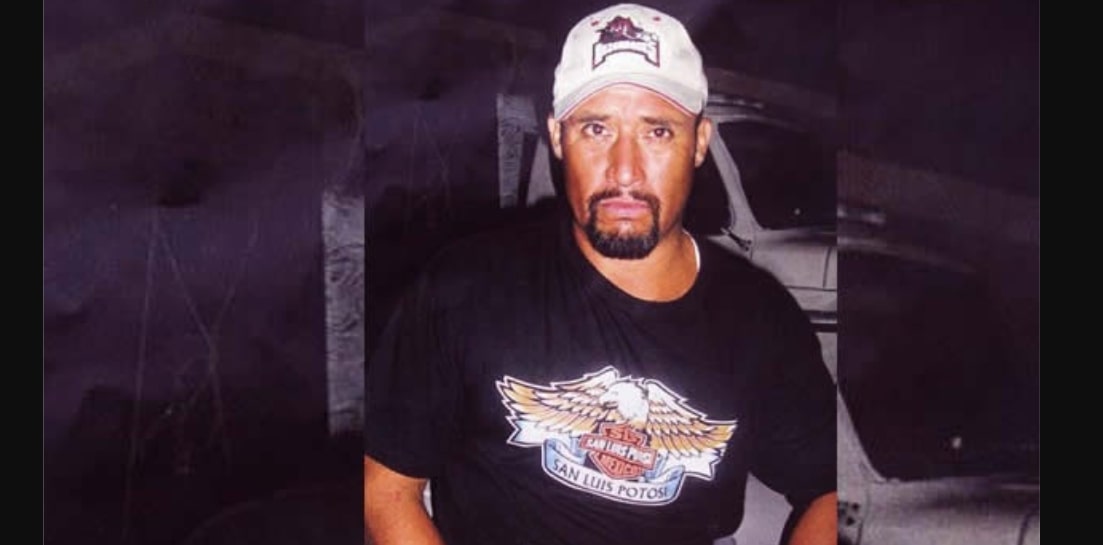
He was employed in the construction industry, where he developed strong skills as a drywaller and plasterer. By 2010, he had moved into the pool construction business and was doing well professionally. On May 10, 2010, he was arrested by police for allegedly stealing groceries. Although no formal charges were filed, he was handed over to Border Patrol authorities due to his undocumented status and deported to Mexico. On May 28, 2010, Anastasio attempted to return to San Diego to reunite with his family, but he was apprehended by Border Patrol agents. Anastasio was taken to the Chula Vista Border Patrol station, where an agent allegedly injured his leg.
When he requested medical assistance, it was allegedly denied. He was later transferred to the San Ysidro port of entry, where authorities alleged he resisted custody and force was used. According to allegations, Anastasio was beaten, tased, and restrained while handcuffed, during which he was suffocated and stopped breathing. He was revived and transported to a hospital, where he was placed on life support. On May 31, Anastasio died. The autopsy report concluded that he had suffered extensive injuries while in custody, including bruises and abrasions to his face and body, five fractured ribs, and internal bleeding. He experienced cardiac arrest, brain damage, and a heart attack, and his death was ruled a homicide.
Anastasio Hernández Rojas’ Case Was Taken Up by an External Organization
In 2011, Anastasio Rojas’ family filed a civil lawsuit alleging wrongful death and violations of his civil rights. The case drew significantly wider attention by 2012 after an eyewitness video of the alleged assault was released and later featured on a PBS program. Anastasio’s parents traveled from Mexico to meet with the Department of Justice, urging federal authorities to open a criminal investigation and conduct a thorough examination. In July 2013, a federal judge lifted a protective order that had kept the names of the agents and officers involved in the incident confidential. However, in November 2015, the Department of Justice announced that it would not pursue criminal charges against CBP personnel, despite the existence of video evidence and allegations of a broader cover-up.

The family continued to seek accountability through other avenues. Per reports, they filed a petition with the Inter-American Commission on Human Rights in March 2016, alleging extrajudicial killing and torture. The civil lawsuit they had previously brought was settled out of court in February 2017 for $1 million, and the case was formally dismissed by May of that year. However, the legal fight didn’t end there. In May, the IACHR announced that it would proceed with the petition, marking the first time the commission took up a case against the US involving a law enforcement killing. In the months that followed, multiple requests were made to dismiss the case, with the US government arguing that the IACHR lacked jurisdiction.
By 2020, however, the commission determined that it did have the authority to move forward with the matter. Anastasio’s family later submitted additional petitions that included new testimony from three former Department of Homeland Security officials, who alleged there had been a cover-up in the case. More than 200 organizations also filed submissions in support of Anastasio. In May 2025, the Inter-American Commission on Human Rights released its merits report, reportedly finding the US responsible for acts of torture, excessive use of force, discrimination, and a deeply flawed investigation. The commission called for the reopening of the case, further investigations, and systemic reforms. Despite these findings, no criminal charges have been filed against any of the officers involved.
Read More: Jerry Cassaday: What Happened to Him? How Did He Die?

