
 Shivangi Sinha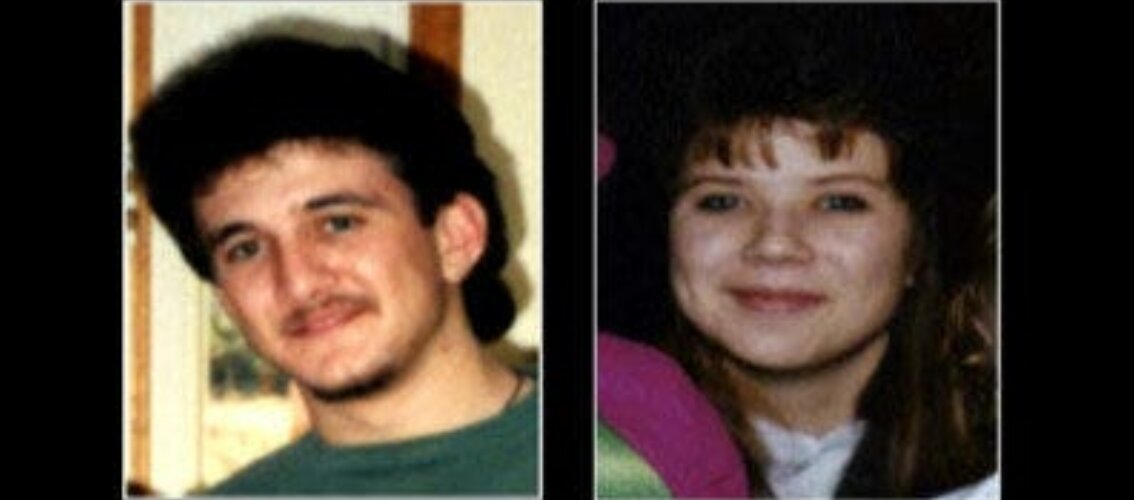
In October 2000, police discovered the remains of Andrew Cataldi and Tricia Nordman in a dumpster in Indianapolis, Indiana. Investigators retraced their movements, which ultimately led them to the home where the victims had been living, and there, officers uncovered several key pieces of evidence. In the weeks that followed, those responsible were arrested, but the legal proceedings became increasingly complex due to shifting allegations and conflicting testimony. The details of the crime and the prolonged legal battle are explored in Hulu’s ‘Girl on the Run: The Hunt for America’s Most Wanted Woman.’
Andrew Cataldi and Tricia Nordman Were Living as Fugitives When They Were Killed
Andrew Scott Cataldi was born on August 19, 1975, in Queens, New York, though little is publicly known about his early life. Similarly, limited information is available about Tricia Nordman, who was born on September 19, 1974. Both experienced troubled early years and spent time incarcerated, where they met while serving sentences at the Nevada Correctional Facility in Carson City, Nevada. Andrew had been convicted on charges of possession with intent to distribute methamphetamine, while Tricia was serving time for forgery. In the early 2000s, after escaping from prison, they began living in Indianapolis with Sarah Jo Pender and Richard Edward Hull as roommates.
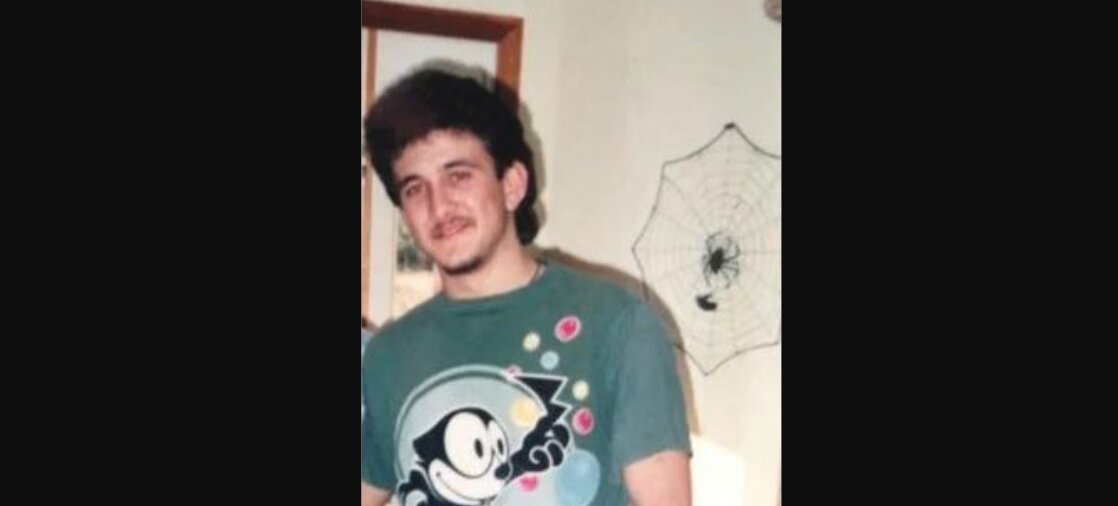
Andrew and Tricia were romantically involved, and it was alleged that Andrew began selling drugs with Hull. They operated out of their home in the 900 block of Meikel Street in Indianapolis, Indiana. On October 25, 2000, employees at a Thorntons gas station were emptying trash into a dumpster when they discovered human remains. The bodies were quickly identified as those of Andrew and Tricia. The former had been killed by a close-range 12-gauge shotgun blast to the chest, while the latter died from a close-range shotgun wound to the head. Police determined it was a homicide and promptly launched an investigation.
Andrew Cataldi and Tricia Nordman’s Killers Placed Blame on Each Other
After learning of Andrew Cataldi and Tricia Nordman’s criminal histories, police worked to retrace their recent movements. Investigators determined they had been living at a house shared with Sarah Jo Pender and Richard Edward Hull, and they obtained a search warrant for the residence. Inside, they discovered blood evidence and signs that someone had attempted to clean up and conceal the crime. On October 27, 2000, police arrested Hull, who soon confessed to the killings. The following day, Pender turned over a pair of bloodstained pants and the DNA from them matched evidence from the scene.
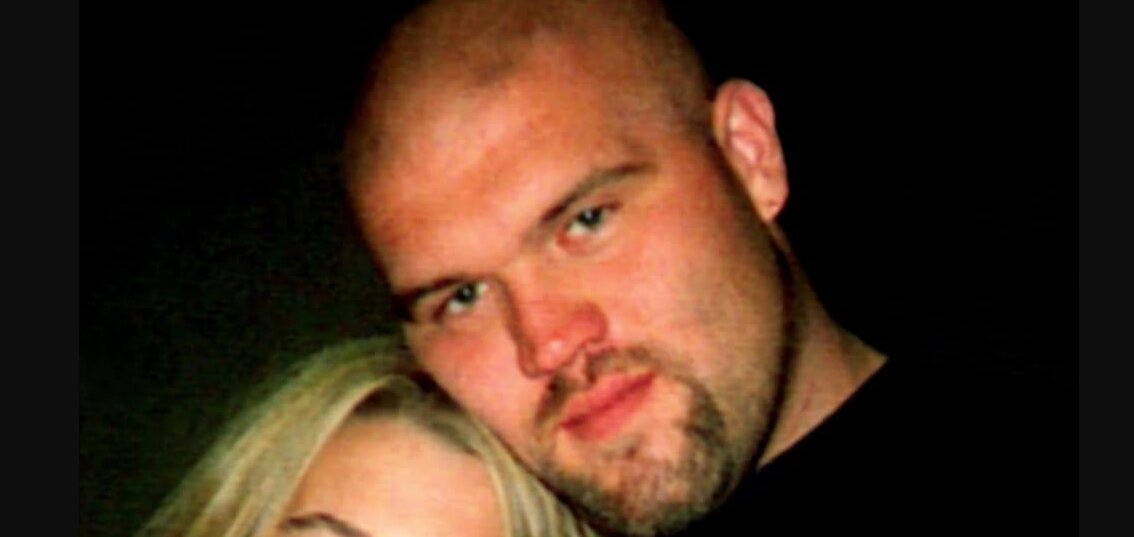
She was arrested as a co-conspirator on October 28. Pender’s trial began in July 2002, where she faced two counts of murder. Although there was no direct physical evidence tying her to the killings, prosecutors presented other key evidence. One was a letter she allegedly wrote to Hull in May 2001 while incarcerated, in which she appeared to reference her involvement and accept responsibility for the shootings. Another major piece of evidence was testimony from convicted offender Floyd Pennington, who claimed Pender said she had manipulated Hull into killing the victims.
The police also showed receipts of her purchasing the murder weapon using her ID a day before the killings. However, she claimed that Hull had made her use her card, and he was the one who had killed them while she was taking a walk. She alleged that she came back to him with the remains and had helped him dispose of them. She claimed she was in love and had acted foolishly. In August 2002, 21-year-old Pender was found guilty and sentenced to 110 years in prison. Hull later accepted a plea deal in January 2003, pleading guilty to two counts of felony murder and receiving a 75-year sentence.
Sarah Pender Won a Civil Lawsuit Against Indiana Officials
In 2003, Richard Hull signed an affidavit claiming that he and fellow inmate Steve Logan had fabricated the letter used against Sarah Jo Pender. In May 2004, Hull won an appeal for resentencing, but the judge increased his sentence to 90 years, citing his attempt to commit perjury by recanting and manipulating evidence to help Pender. At the hearing, he testified that he alone fired the shots and that Pender did not witness the killings. After multiple appeals, Pender filed a federal writ of habeas corpus in April 2007, but it was denied. On April 4, 2008, she escaped from the Rockville Correctional Facility in Indiana with help from Correctional Officer Scott Spitler and former cellmate Jamie Long.
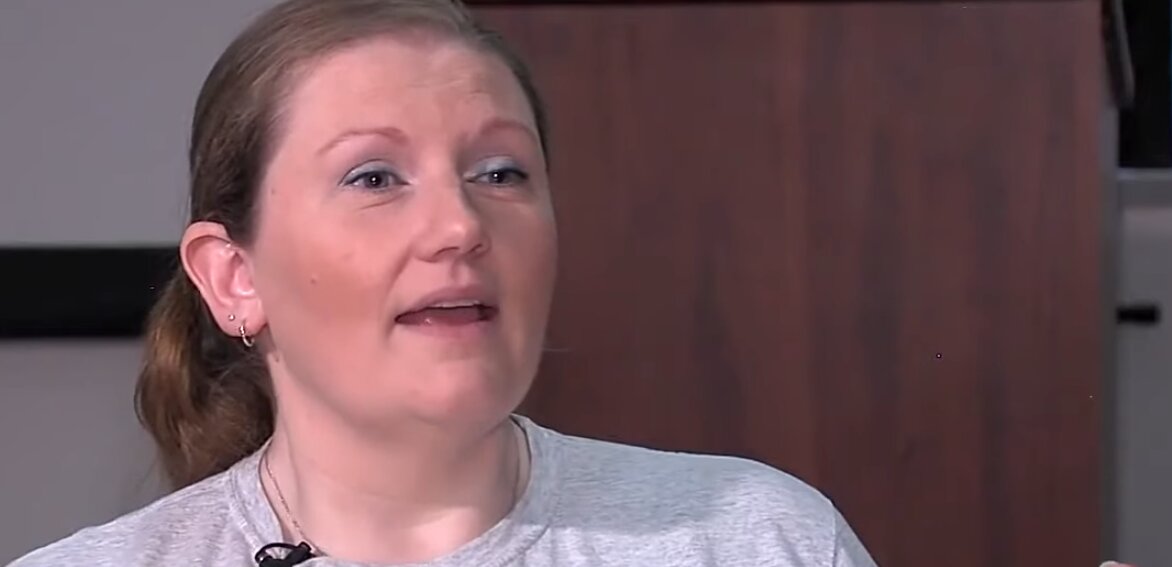
A nationwide manhunt was launched after Sarah Jo Pender’s escape, drawing intense media attention. She was added to the US Marshals’ list of most wanted fugitives and, by fall 2008, was featured on the television program ‘America’s Most Wanted.’ The publicity led to tips that helped authorities locate her. On December 22, 2008, Pender was arrested on the north side of Chicago, where she had been living under the alias Ashley Thompson. Following her recapture, she was placed in solitary confinement at the Indiana Women’s Prison until January 2014. Pender later claimed she suffered from untreated mental health issues during that time. In August 2014, she filed a lawsuit against Indiana officials for failing to provide adequate treatment. The case was ultimately settled in her favor.
Sarah Pender and Richard Hull Are Serving Their Sentences in Separate Indiana Prisons Today
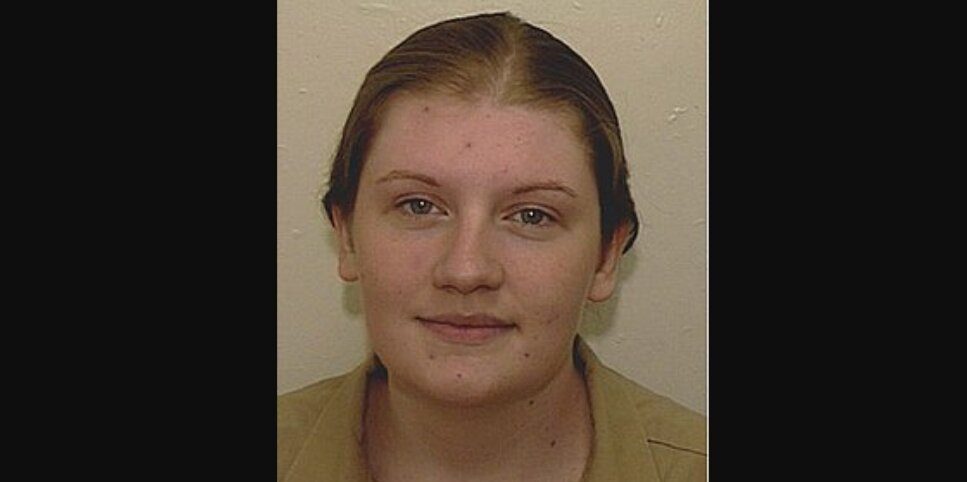
In October 2013, Sarah Pender’s attorneys filed a petition seeking post-conviction relief, arguing that newly discovered evidence warranted a new trial. Investigators had uncovered so-called “snitch lists” created by Floyd Pennington that named individuals he targeted for testimony deals, and Pender was allegedly on that list. This raised questions about his credibility, particularly since his sentence had been reduced after he testified at her 2002 trial. Defense lawyers also presented evidence alleging the incriminating letter contained fingerprints belonging to Richard Hull and another inmate, but not Pender. However, in February 2014, her request for relief was denied. In 2023, her case was taken up by Georgetown University’s Making an Exoneree program.
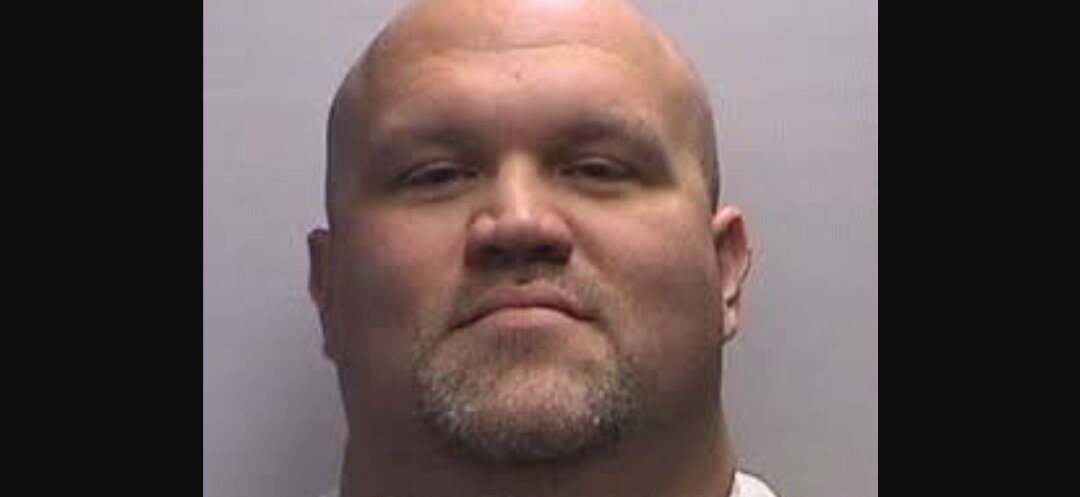
Currently, Pender is incarcerated at the Indiana Women’s Prison in Indianapolis, Indiana. She is expected to become eligible for parole in 2054, when she will be around 75 years old. In recent years, she has sought sentence modification and clemency, arguing that she has been rehabilitated while in prison. However, in January 2024, her request was denied. Hull, now 48, is housed at the Pendleton Correctional Facility in Madison County, Indiana. He is projected to be eligible for parole in 2063 and has no active appeals pending.
Read More: Joseph Douglas Murder: Where is Jarrett Murray Now?

