
 Shivangi Sinha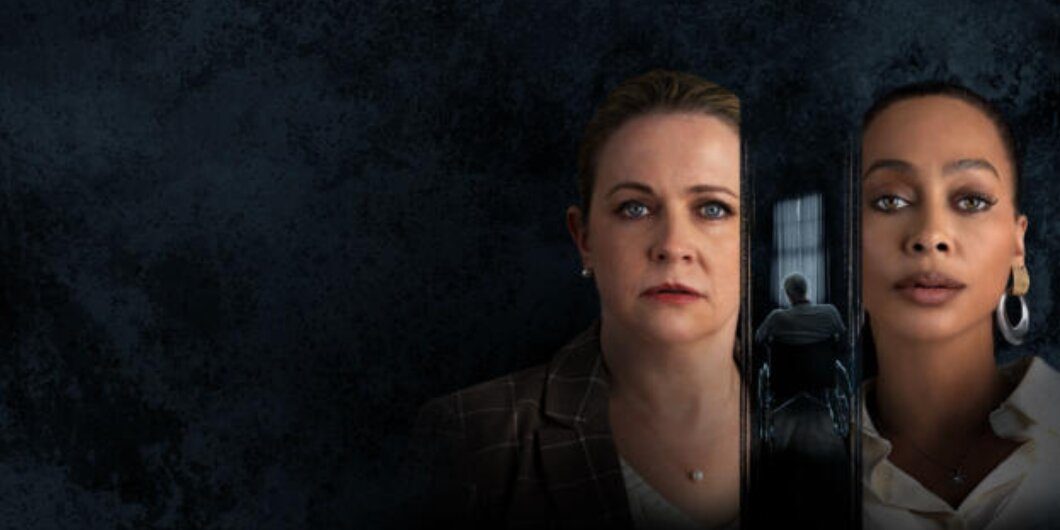
Lifetime’s ‘The Bad Guardian’ begins when Angeleigh Delgado learns that her father, Jason Davis, has suffered a fall. When she visits him in the hospital, she discovers that he has been placed under the guardianship of Janet Timms. As Angeleigh tries to challenge this legally, she realizes that Janet has been selling off her father’s belongings, making the situation increasingly troubling. Her concerns elevate when she finds out Janet’s alleged history of financially exploiting other clients. Despite facing threats and intimidation, Angeleigh remains determined to protect her father, especially when Janet makes a questionable medical decision seemingly to cut costs. Directed by Claudia Myers, the 2024 thriller explores the complexities of guardianship laws and builds its story around the potential risks and consequences tied to such control.
Angeleigh Delgado and Jason Davis’ Characters Are Not Inspired by Any Specific Person
Lifetime’s The Bad Guardian serves as a portrayal of real-life cases involving guardianship abuse. While there is no single story behind the film and characters like Angeleigh Delgado and Jason Davis are fictional, many elements of the narrative are drawn from the experiences of individuals who have faced similar situations. The film brings together different aspects of such cases to highlight a broader reality. In fact, director Claudia Myers said in an interview, “The movie was inspired by several true accounts. Everything that happens in the film is something that victims of guardianship abuse have experienced.”
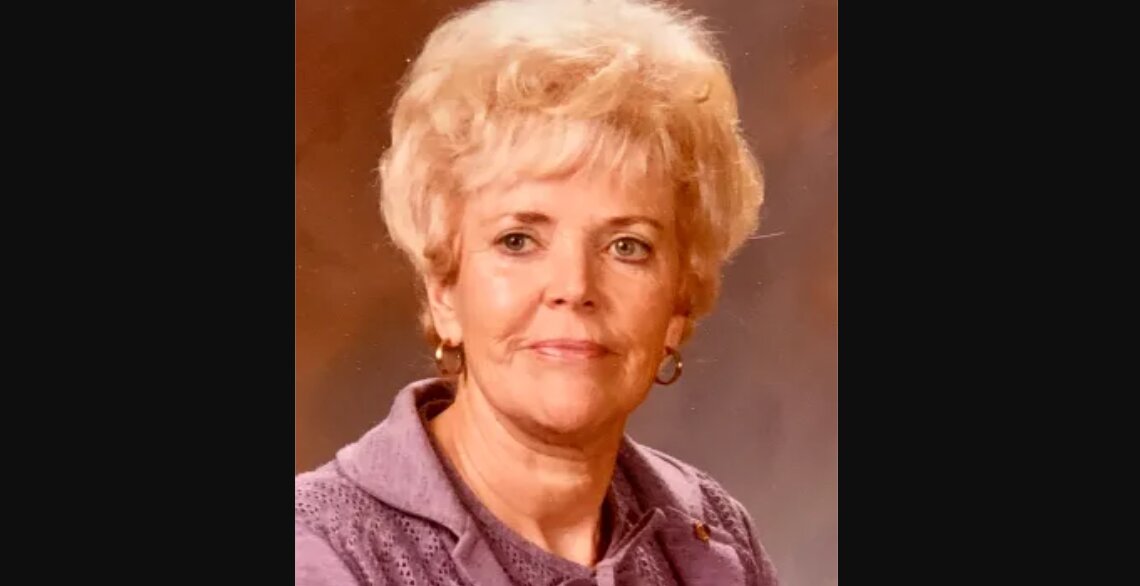
There have been several real-life instances in which children have challenged wrongful guardianship or conservatorship arrangements. One such case is that of Barb Dowski, daughter of Barbara Moore. Around 2017, a call about an unpaid medical bill led Barb to uncover financial discrepancies. Over five years, her mother’s court-appointed conservator, Andria Beauvais, had written 26 checks to herself totaling about $118,000, part of over $400,000 stolen from 19 victims in El Paso County, Colorado. After a three-year investigation, Beauvais was sentenced in April 2019 to probation following a plea deal. Barbara, who was then in her 90s and suffering from Alzheimer’s, died shortly after the sentencing.
The Characters Stand for The Many Cases Where Elders Have Been Exploited For Financial Gains
Through the characters of Angeleigh Delgado and Jason Davis, the movie shows a larger pattern of guardianship abuse. There have been many reported cases just like their story. On January 8, 2020, a California man reportedly spent $50,000 in legal fees to free his stepmother from a guardian in New Mexico who had charged $140,000 in one year. Earlier, on November 15, 2019, Florida guardian Traci S. Hudson was charged with exploiting a 92-year-old man, allegedly stealing $541,541 within 10 months. In Nevada, April Parks was sentenced to six to 16 years in prison for similar crimes. Taken together, such cases point to a systemic vulnerability within guardianship frameworks, where mechanisms intended to protect can, in practice, enable exploitation. The film drives home this point and addresses the need for stronger regulatory safeguards and greater judicial oversight to fulfill its original purpose.
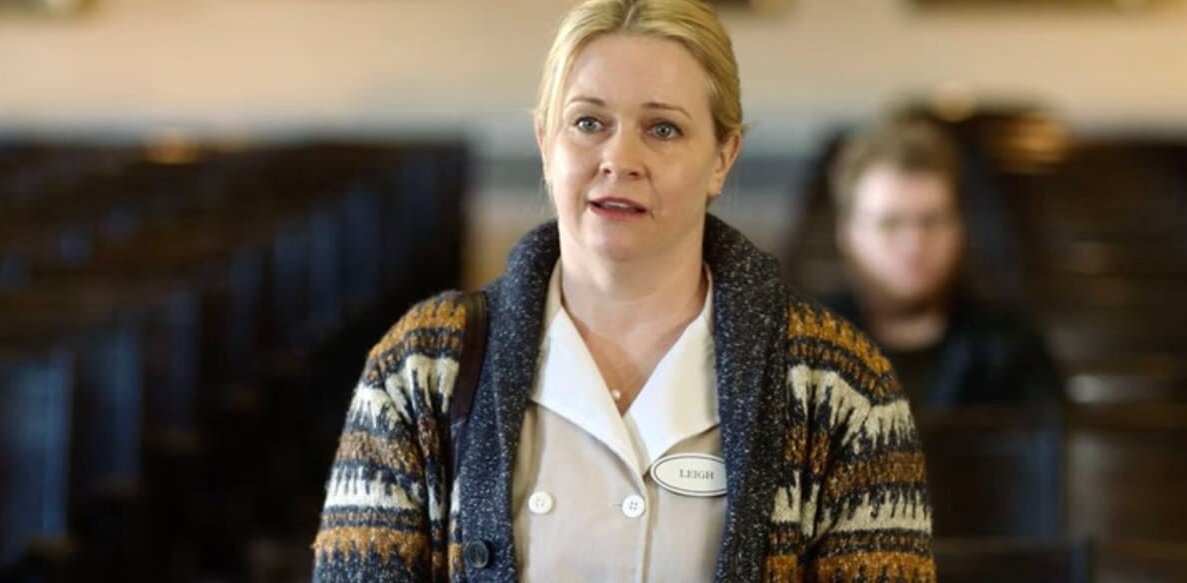
Though the film does not stem from one specific story, it clearly reflects the experiences of many individuals who have faced similar ordeals under abusive guardianship systems. Subtle narrative details reinforce this realism. Jason’s house, property, and personal possessions being sold off mirrors real cases where wards lose control over their own assets. Likewise, the use of Analeigh’s past criminal record from when she was 18 by Janet Timms illustrates how personal history can be weaponized to justify control. These highlight the lengths to which authorities or guardians may go and the vulnerability of those placed within such arrangements.
Read More: That Night: Are Elena, Paula, and Cris Based on Real People?

