
 Saagar Kote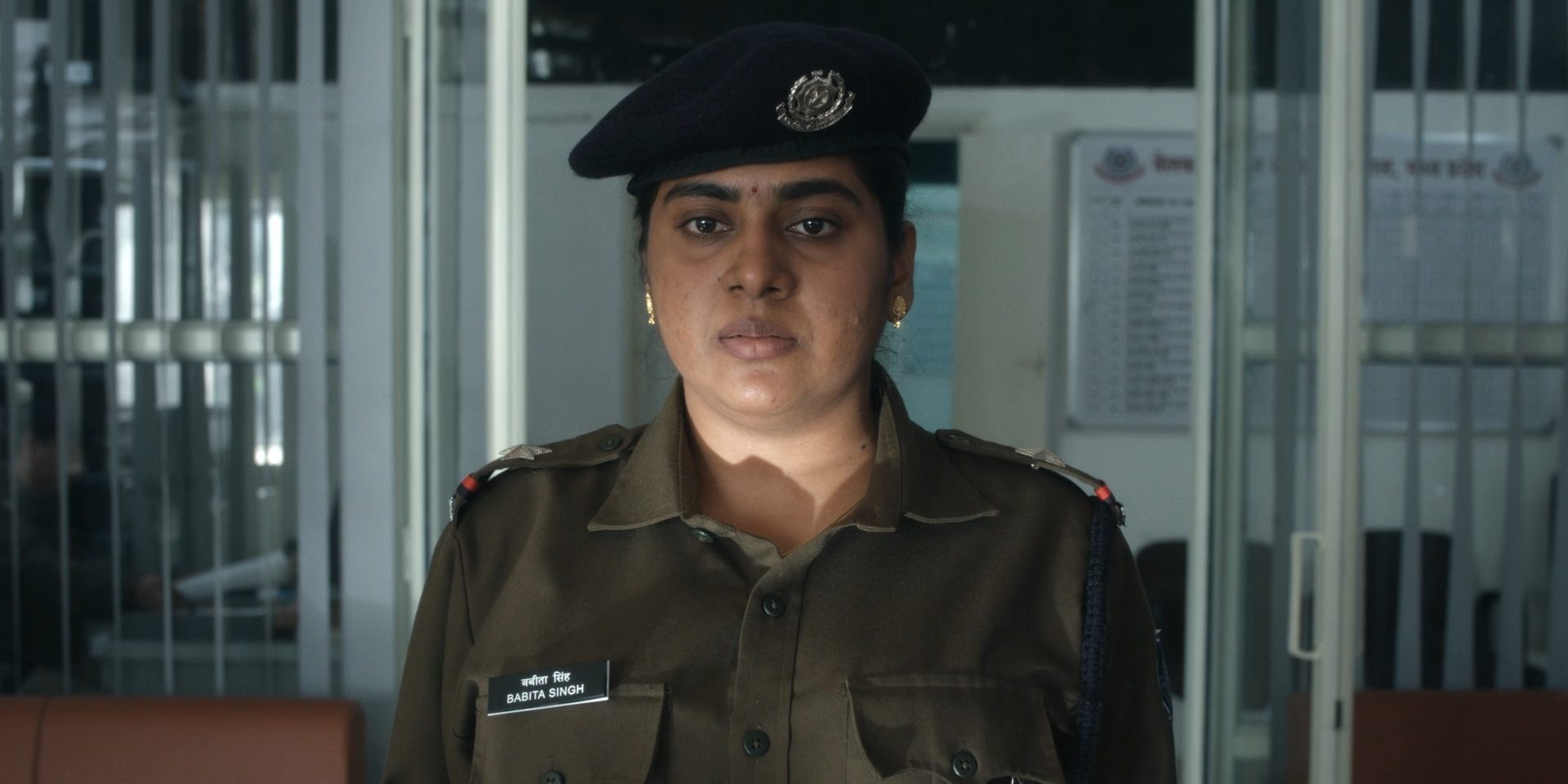
Directed by Ambiecka Pandit, Prime Video’s ‘Babita Singh Reporting’ is a Hindi film that centers on Babita Singh, AKA Baby, a police officer. Her routine life in Bhopal takes an unexpected turn when she decides to attend her sister-in-law Guddi’s baby shower in Rewa. After her leave request is denied, Baby makes a sudden decision that results in her being suspended for two weeks. She still travels to Rewa with her husband, Sharad, expecting to spend time with his family, but her plans are shattered when Bansi, her childhood friend, dies. Although the local police describe his death as murder, Baby refuses to simply accept their version of events.
Determined to find justice for Bansi, she begins investigating the case on her own and soon finds herself dealing with a confusing trail of suspects and unexpected developments. While Baby digs deeper, the investigation begins to reveal disturbing information that affects her personally. The search for Bansi’s killer ultimately forces her to confront difficult truths about her own life and reconsider everything she believes about it. The Indian crime thriller drama film is a saga of uncertainty, human flaws, and morality.
Babita Singh Reporting Sheds Light on Sensitive Social Realities Through Babita’s Journey
Written by Amita Vyas, ‘Babita Singh Reporting’ delves into the complexities of Indian society through the investigation into Bansi’s alleged murder. Although a fictional tale, the movie conveys poignant messages that ground it and make it relevant. One of the most important parts of the story is how it portrays the institution and system of patriarchy. It depicts a male-dominated society in which women are expected to remain within their boundaries. Baby’s world is controlled by people who see her as an ordinary woman who always needs help. Traveling from Bhopal to Rewa, Baby experiences the various ways in which patriarchal society controls the fates of both women and men.
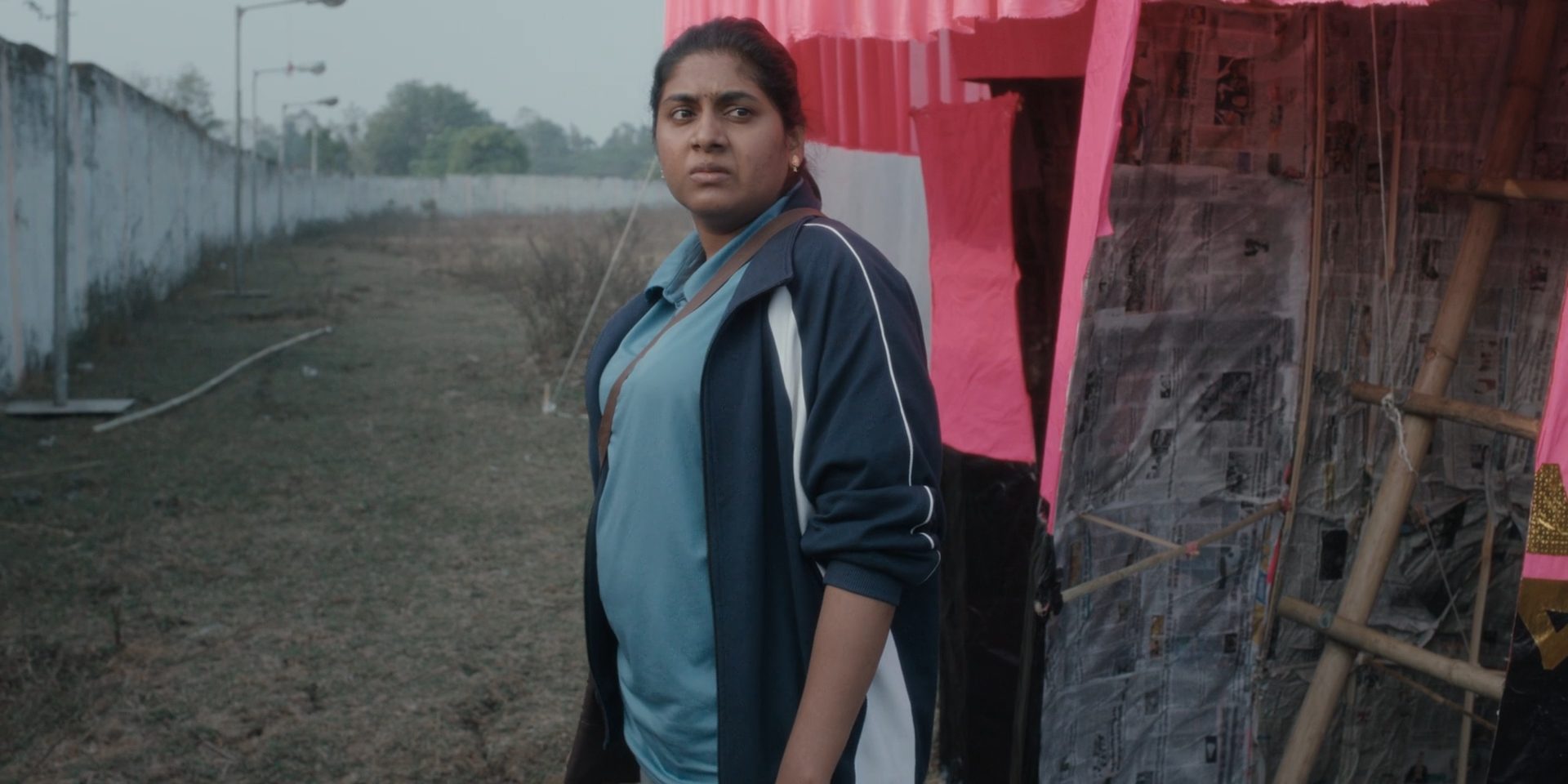
Baby gets consumed by the death of her childhood friend, Bansi, and looks to solve the case, despite being suspended and in a territory beyond her jurisdiction. While the investigation appears to be at the forefront, the story’s real purpose is to highlight how families and communities live in the shadow of social rigidity. Class, caste, gender, and moral differences are at the heart of ‘Babita Singh Reporting,’ making it a culturally sensitive film. The realism of the story stems from the choices that characters make and how they interact with their surroundings.
In an interview with Hindustan Times, Ambiecka Pandit shared her views on the film and shed light on how the setting makes it authentic. She said, “Both the narrative threads draw heavily from the setting and it was important for us to let the setting to become a character. We were clear that it shouldn’t feel the film could have been set anywhere; it should feel intrinsically connected to Rewa.” The story, through Baby’s experiences in Rewa, essentially holds a mirror to Indian society, revealing how forces work in the shadows to control the fates of people.
Babita Singh Attempts to Balance Her Duties as a Cop with Her Experiences as a Woman
Babita Singh, AKA Baby, is the heart and soul of the movie, and her tribulations shape its message. Baby’s pursuit of the truth behind Bansi’s death becomes a much more personal struggle as she confronts the realities of being a woman in a male-dominated police force. Her investigation places her against the expectations and restrictions imposed by a deeply patriarchal society, forcing her to fight not only to solve the case but also to have her voice taken seriously. The deeper she gets into the mystery, the more she is pushed to question the sacrifices demanded of her and the limits placed on her freedom.

Bansi’s death, therefore, becomes a catalyst for Baby to examine her own choices, beliefs, and unresolved moral conflicts. Caught between social expectations and her desire to live on her own terms, she finds herself battling both the world around her and her own doubts. Speaking about Baby’s character, Ambiecka Pandit opined, “She is trying to transition into being a real cop. But patriarchy at work is also keeping her down.” In a conversation with The Hindu, Nimisha Sajayan, who portrays Baby, stated, “I have seen lots of women, who have shades of Babita, including me. I was just exploring her different shades from Day 1. That was an interesting process; to constantly discover her.”
In terms of its cinematic language, ‘Babita Singh Reporting’ is a grounded Indian tale that has shades of films like ‘The Silence of the Lambs’ that also focus on a woman’s journey in a world where men call the shots. While the Indian film is not a serial killer investigation like the Jonathan Demme directorial starring Jodie Foster, it authentically captures the female experience in all its complexities. Babita is not painted as a heroic individual, but as a morally upright person who seeks justice. Ultimately, ‘Babita Singh Reporting’ is a nuanced exploration of social reality through the perspectives of a woman.
Read More: Babita Singh Reporting Ending Explained

