
 Saagar Kote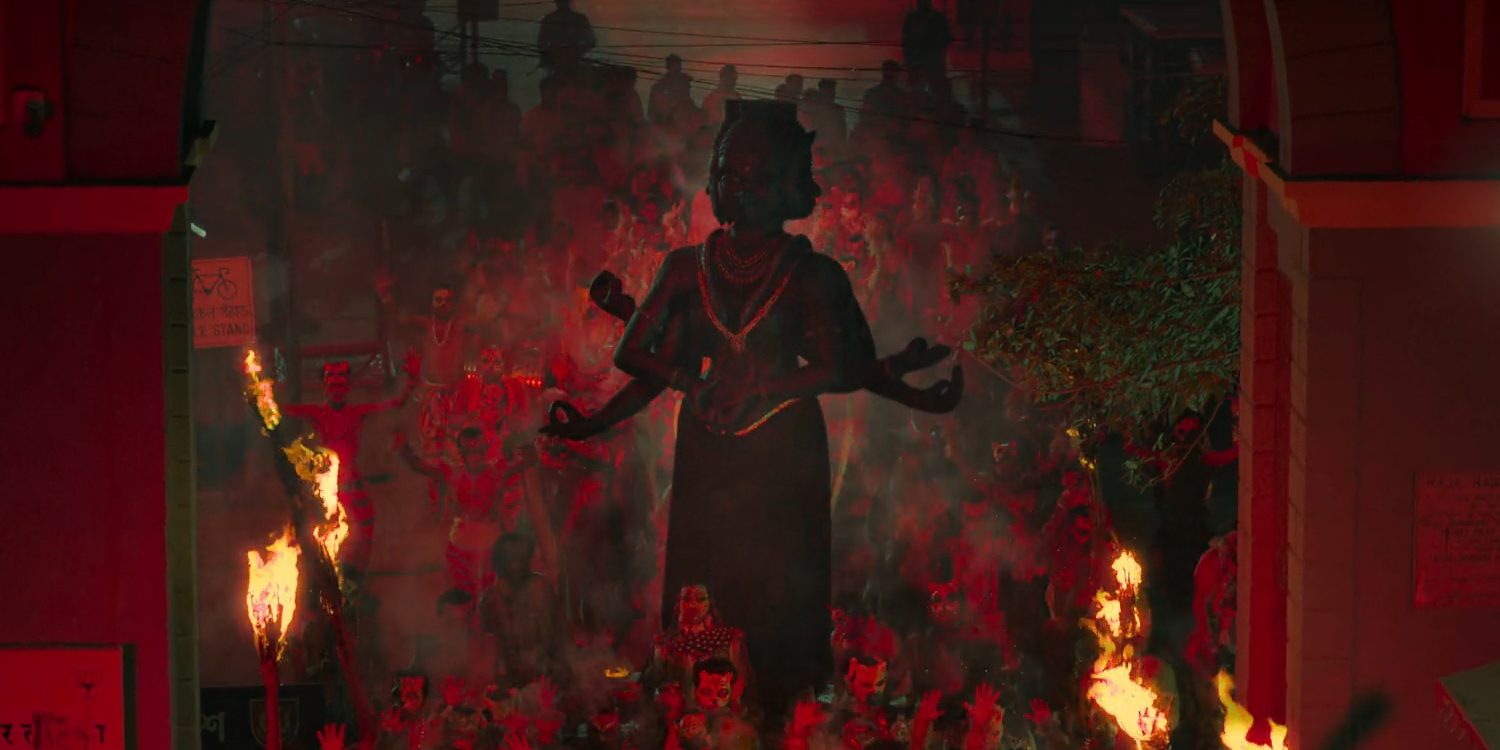
‘Gandhari’ is a Netflix film that centers on Bani Sikdar, a mother whose life is thrown into turmoil when her daughter, Mishty, is abducted at a train station in Joypurra. Bani is severely injured while attempting to chase the kidnapper, leaving her temporarily without sight. With Mishty missing, Bani and her husband, Gokul, begin searching for answers on their own. While Bani investigates the circumstances surrounding her daughter’s disappearance, she uncovers a possible connection to a local gang, and the emergence of many possible suspects makes the case increasingly difficult to solve.
The secrets surrounding Joypurra further complicate her search, forcing Bani to navigate an uncertain situation while dealing with her impaired vision. What begins as a family’s desperate search for their missing daughter gradually becomes Bani’s deeply personal fight to bring Mishty home against seemingly insurmountable odds. In the story, a mysterious community known as the Bahurupis and Chaumukhi Devi, a goddess, play an important role in determining the fates of both Bani and Mishty. SPOILERS AHEAD.
The Bahurupis are an Integral Part of Joypurra’s Social Fabric and Culture
In ‘Gandhari,’ the Bahurupis are presented as an inalienable part of Joypurra, a town that carries many secrets. While the Bahurupis are interpreted in a cinematic manner in the movie, they seem to be inspired by a real community in India. Reportedly, the Bahurupis are traditional folk artists from Bengal, India, who travel places entertaining people by taking on different characters through costumes, songs, dance, and performance. Their name comes from the Sanskrit words “Bahu,” meaning “many,” and “Rupa,” meaning form, reflecting their art of assuming multiple identities. Traditionally, they seemed to perform stories from the Ramayana and Mahabharata in villages and received grains from farmers in return.
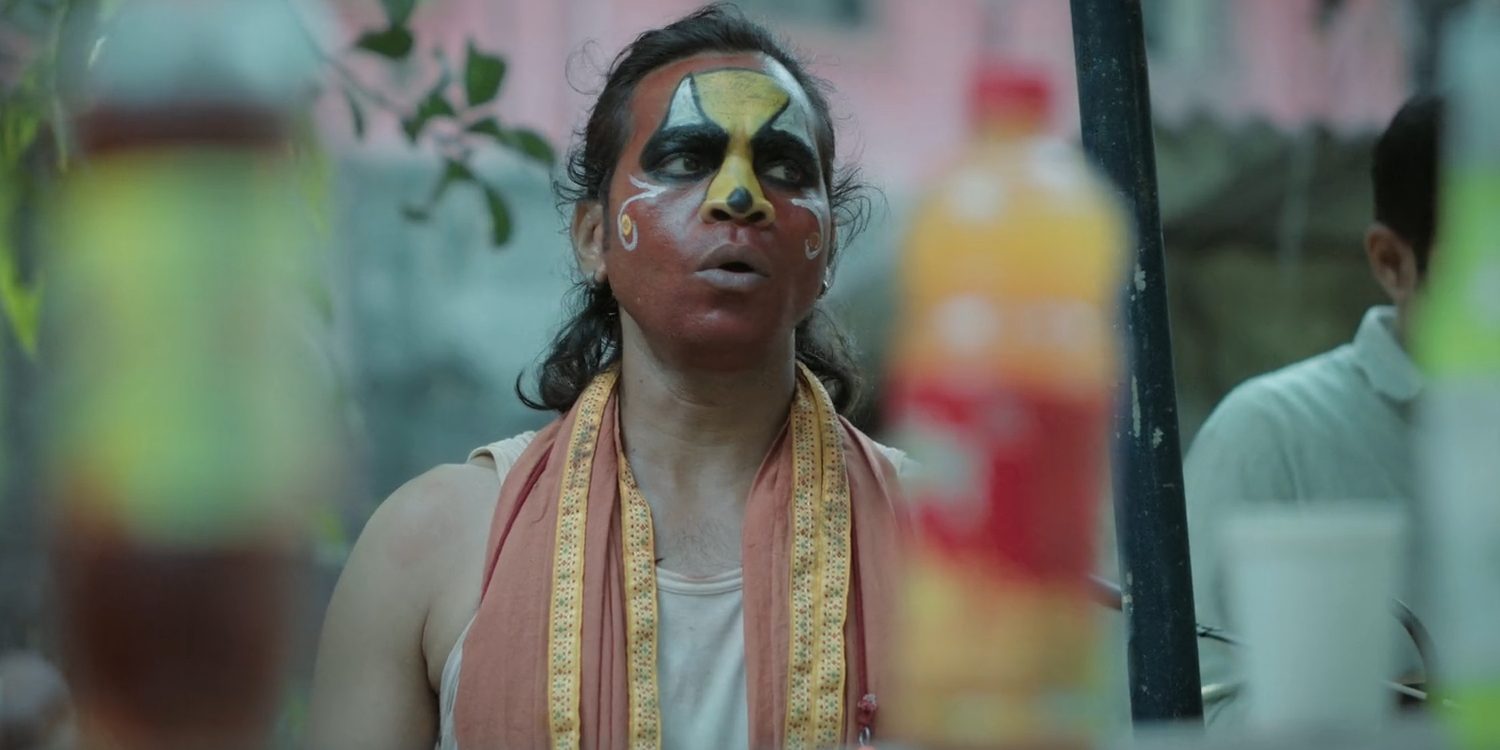
Reportedly, the art form has gradually declined in recent times, and the Bahurupis now travel to larger cities, such as Kolkata in Bengal, to find audiences. In the movie, the Bahurupis entertain people by taking on different roles and are devoted to the goddess Chaumukhi. However, the Bahurupis have no involvement in the crimes taking place in Joypurra. Members of the Blackhole gang exploit the Bahurupis’ appearance by dressing like them while kidnapping children, deliberately creating the impression that the performers are responsible. As a result, the innocent Bahurupis become victims of the gang’s deception and are targeted for something they have no connection to. Thus, ‘Gandhari’ portrays the Bahurupis with color and dynamism, while also commenting on their social realities.
The Goddess Chaumukhi Devi Protects Joypurra From Unimaginable Evil
Chaumukhi Devi is a fictional goddess in ‘Gandhari’ who is presented in the form of a Hindu-like divine female figure. She is said to be the protector of the town. Her appearance seems to resemble shades of popular Hindu female deities such as Durga and Kali. Chaumukhi Devi also had a mythological origin in the film. She is believed to be a powerful figure who battled against the evil demon Magrasur. The Bahurupis of Joypurra worship the goddess with utmost sincerity and loyalty. Dada Bhai sees himself as a figure akin to Magrasur, while Bani assumes Chaumukhi’s moral responsibility as she confronts Dada Bhai and attempts to end his reign of terror.
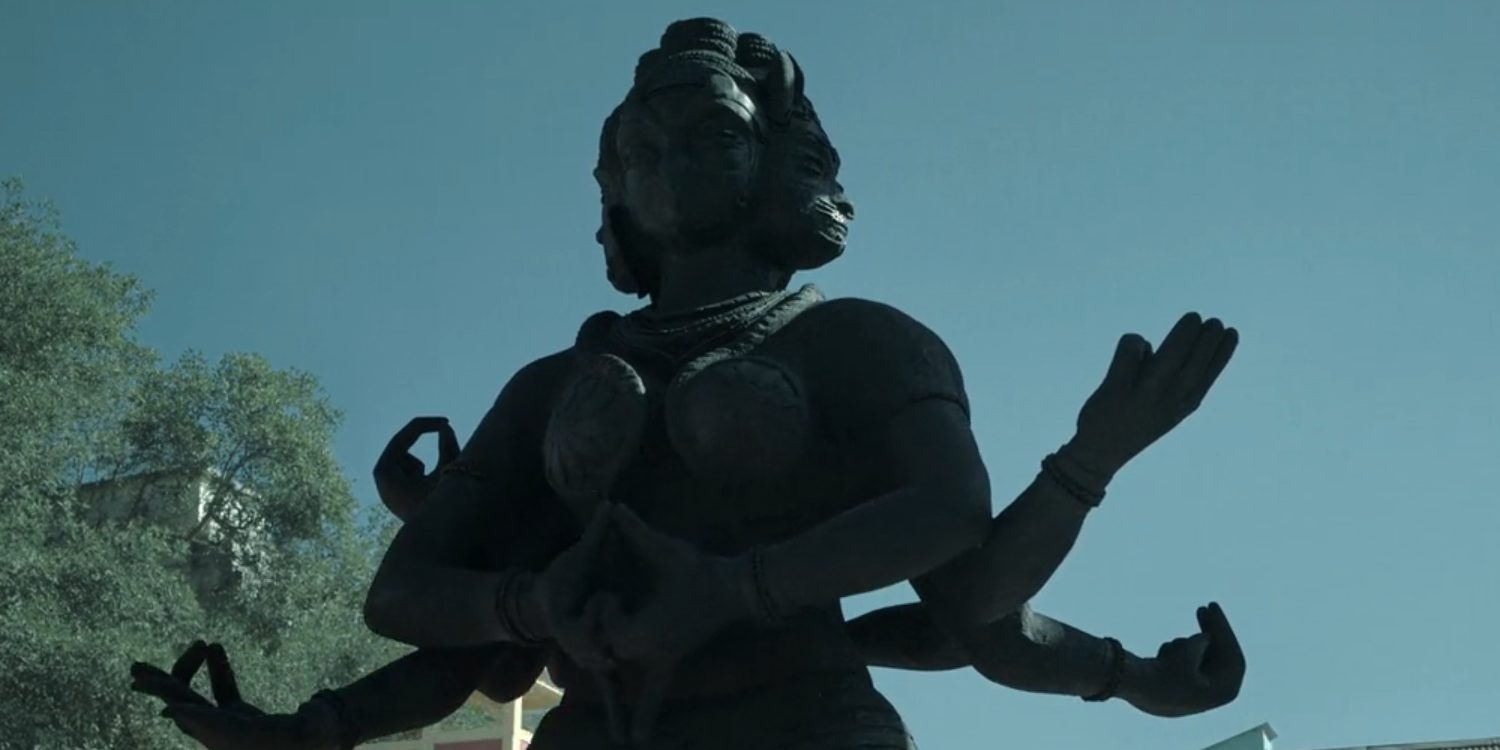
The final confrontation pushes Bani to risk everything, ultimately killing Dada Bhai by driving a metal rod through his body. This establishes a spiritual connection between Bani and Chaumukhi as two female figures who courageously face evil and destroy it. Despite being a fictional goddess, Chaumukhi is a symbol of Hinduism’s belief in female divinity and its power to eliminate social threats. The narrative’s religious and moral essence is closely tied to Joypurra’s worship of Chaumukhi Devi in all her glory.
Read More: Is Anand Shri Based on a Real Cult Guru?

