
 Aahana Swrup
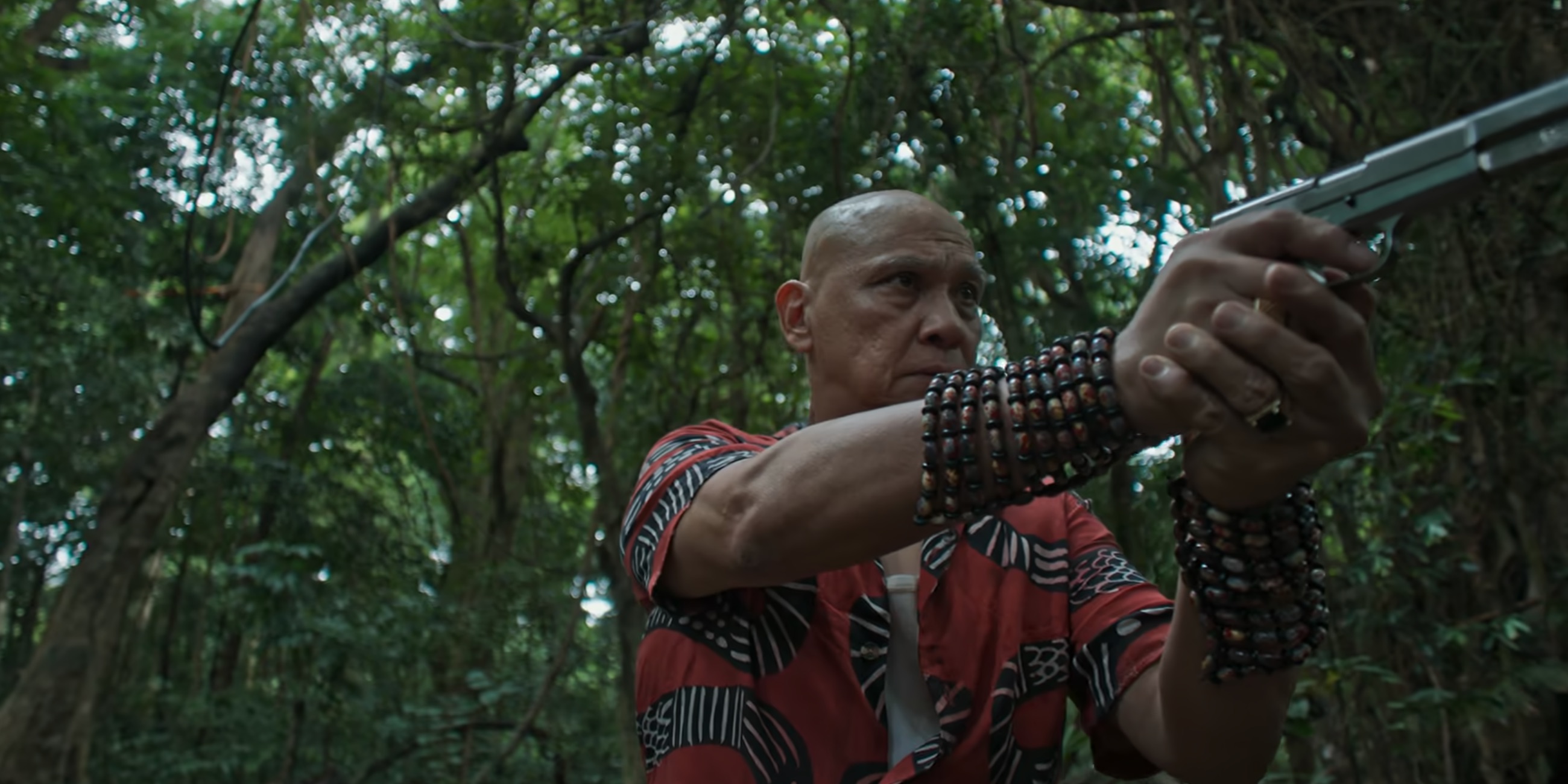
In ‘Balaraw: Blood Island,’ Sabina sets out to search for her mother and ends up discovering long-buried truths about herself. Three years after Rebecca’s disappearance, her daughter tracks her down to Babang Yawa, a tempestuous area of the ocean that is home to many urban legends about shipwrecks, plane crashes, and lost travelers. When the young woman braves the sea and arrives at the location accompanied by her godfather, Arturo, and her girlfriend, Bulak, the trio make a startling discovery.
As it turns out, Babang Yawa houses a mysterious island, Balaraw, that is cut off from the rest of the world. Within it, an isolated community of islanders is ruled by the Cardomas brothers, while uncanny creatures roam in the forests. The island and its peculiar connection to Babang Yawa’s stormy episodes play a central role in the show’s mythic worldbuilding. As such, the elements’ potential basis in real life is bound to become a point of curiosity.
Babang Yawa and Balaraw are Fictional Elements That Shape the Mythology in the Show
‘Balaraw: Blood Island’ tells a fictional story with prominent supernatural worldbuilding. In the show, Balaraw is presented as an isolated island only accessible by braving the extraordinary storms that frequent a specific area of the ocean. Over the years, this area comes to be known as Babang Yawa and collects many mythic stories and local folklore. This location and the mystical island it harbors are both works of fiction created for the series. In real life, no similar region exists near the Philippines, nor are there any actual real-life urban legends about an island named Balaraw. Even though the details of these elements are fictitious, they retain a connection to similar off-screen conspiracies and stories.
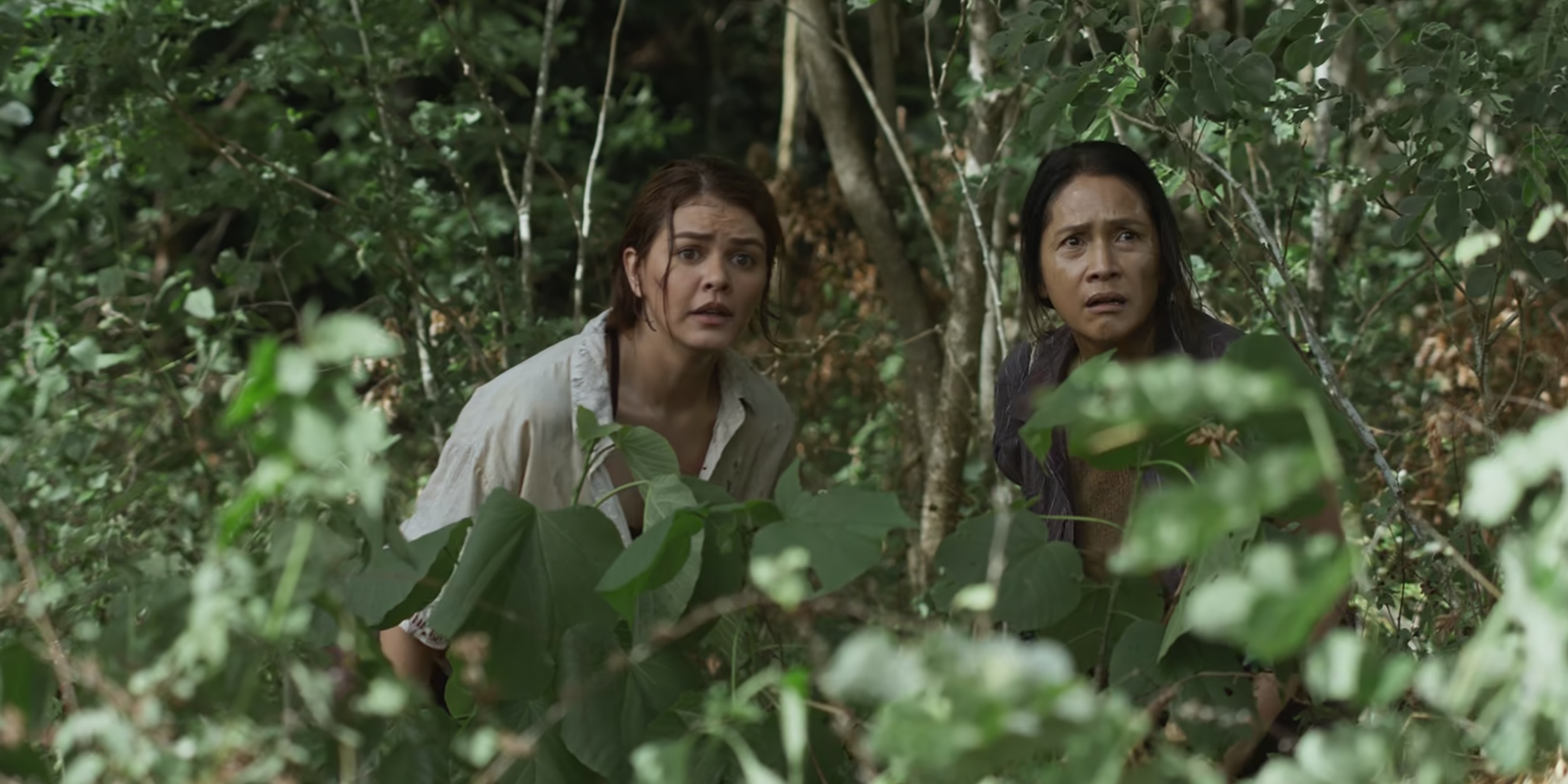
The Babang Yawa presents an explicit in-universe parallel to the Bermuda Triangle, a region in the North Atlantic Ocean with numerous stories of unexplained events, such as the disappearance of ships and aircraft. Over the years, alongside attempts at a scientific explanation, the Bermuda Triangle has garnered various theories of its supernatural nature. Similarly, in the story, Babang Yawa is an uncharted area of the ocean with many superstitions and conspiracies attached to it. On the other hand, the island of Balaraw retains a basis in the idea of “an island of cannibalism,” an idea that is often explored in survival/sea-adventure stories.
This trope largely stems from the history of colonialism, wherein colonials often spun mythologies about the practice even in regions where cannibalism was rare or even non-existent. ‘Balaraw: Blood Island’ explores this hostile imposition of cannibalism onto island tribes through the tense inner politics of the local community. Additionally, it also utilizes the inhumane practice to fuel the folklore surrounding its mystical worldbuilding, which includes a sentient island and bat-winged creatures that are agents of chaos and violence. Ultimately, the show’s setting mines its sense of plausibility from ideas and concepts that exist in real-life stories and conspiracies. Yet, in terms of tangible counterparts, Babang Yawa and Balaraw, the key elements of the story, have no basis in reality.
Read More: Balaraw Blood Island Ending Explained: Does Sabina Leave the Island?

