
 Abhiroop Das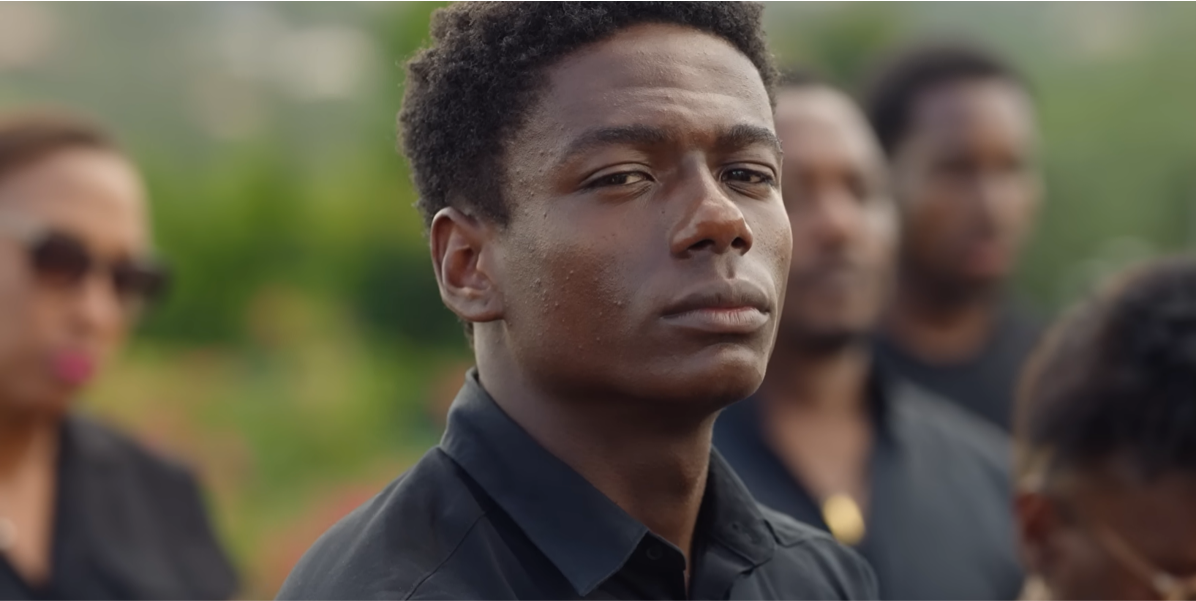
Created by Éric and Capucine Rochant, Netflix’s ‘Bandi’ captures the kaleidoscopic lives of 11 siblings who are orphaned after their mother passes away. With no way to support themselves monetarily, each of the siblings, especially the older ones, devises a path of their own. While some resort to robbery and acts of pure violence, others carve out their path in Martinique’s growing drug business. However, when these trajectories unexpectedly, but inevitably, collide, the resultant chaos develops a snowball effect, one threatening to ruin the one ironclad thing this family has left: their love for each other. In journeying alongside such a unique cast of characters, this French crime drama series brings attention to the building blocks of family, especially when placed in a volatile socio-political context.
Bandi is a Fictional Story About Martinique’s Youth, Which Loosely Borrows From Classics
‘Bandi’ presents the fictional tale of the Lafleur family, which descends into chaos after the death of the matriarch, Marylin. Penned by writers Gwenola Balmelle, Khris Burton, Jimmy Laporal-Trésor, Capucine Rochant, and Éric Rochant, the show reimagines life in island of Martinique, an overseas region of France, and charts its sociopolitical history through the eyes of 11 orphaned siblings. While the show may not have a direct real-life antecedent, it is loosely inspired by another show of a similar nature, ‘Top Boy,’ which is set in London. In a conversation with Broadcast Now, co-showrunner Éric Rochant elaborated that he “wanted to see if it was possible to do a French Top Boy, a series about drug trafficking with a young cast, and decided to set it in Martinique.”
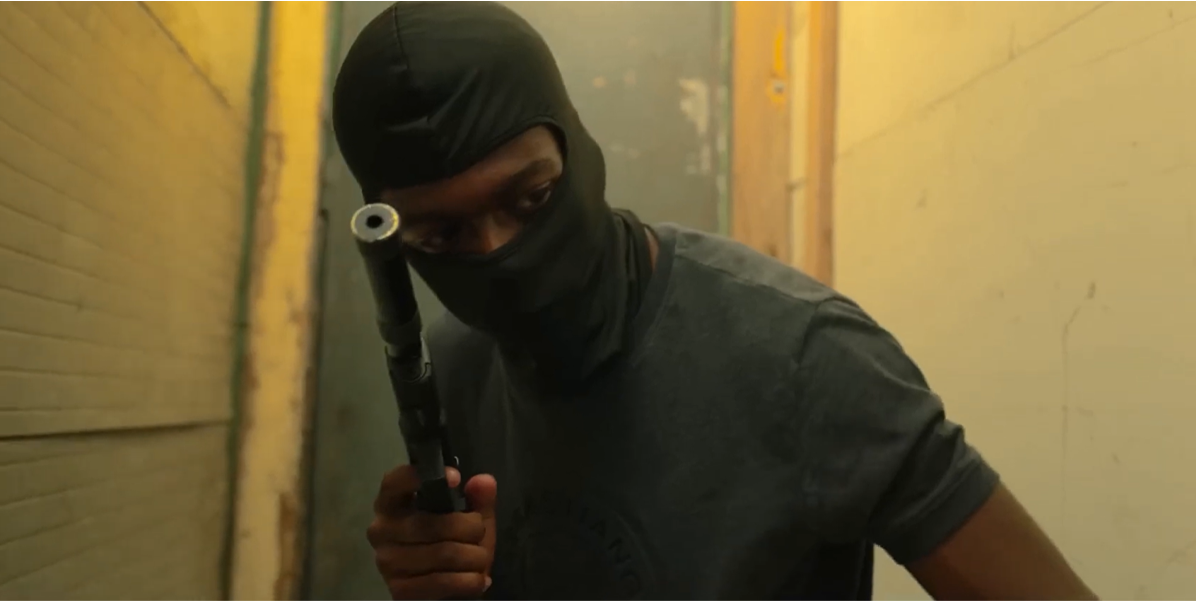
The chain of inspirations doesn’t just end there, as Rochant also framed ‘Bandi’ as a show that blends in some of ‘Peaky Blinders‘ and ‘Shameless,’ both of which have a kindred thematic palette. For the creators, blending in elements of comedy and familial drama with darker themes was a challenge, especially when it came to the action sequences. However, Rochant and the crew managed to successfully weave together a deeply realistic story, with several sequel seasons reportedly being conceptualized as well. All of this reiterates the fact that the Lafleur family’s desperate bid for survival is largely a work of imagination and draws more inspiration from other fictional shows than real life. However, it is possible that the region’s history is also loosely incorporated into the story.
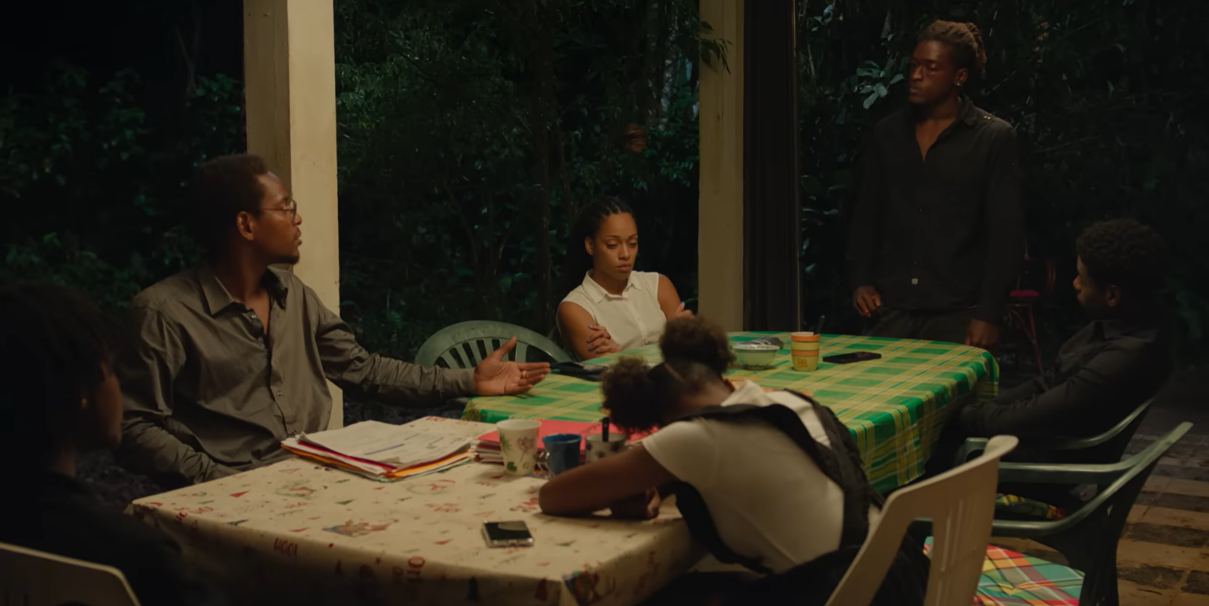
The island of Martinique became a French colony in 1635, and in the coming decades, it witnessed the rise of several sugar plantations where enslaved African people were forced to work. Though slavery was abolished in the island in 1848, its generational impact can still be felt on the region as well as its people. A 2025 French report by Insee (National Institute of Statistics and Economic Studies) found that around 13.9% of Martinique’s population was unemployed in the second quarter of the year, roughly double the national average. Going further back, a 2022 report by Insee revealed a 21.8% employment rate for men in the region within the age group of 15-24. In the show, youth unemployment becomes the impetus for several narrative developments, which further ground the story in realism.
Bandi’s Creators Welcomed Local Participation in the Storytelling Process
To get the show to feel as authentic as possible, Rochant and his team reportedly worked with as many local crew members from Martinique as they could. As a result, a chunk of the main and supporting cast is comprised of young, non-professional actors. Given the simultaneous need for technical expertise, the crew created an entire screenwriting school from scratch, which in turn followed a unique creative process. Reportedly, classes were held in two batches with roughly 12 people participating free of cost in each iteration. ‘Bandi,’ as such, was penned in real-time across many such workshops and brainstorming sessions, and it is likely that local artists pitched in with several narrative beats of their own. This adds a whole new dimension to how the show captures life on screen, as while its characters may be fictional, a part of them is undoubtedly rooted in reality.
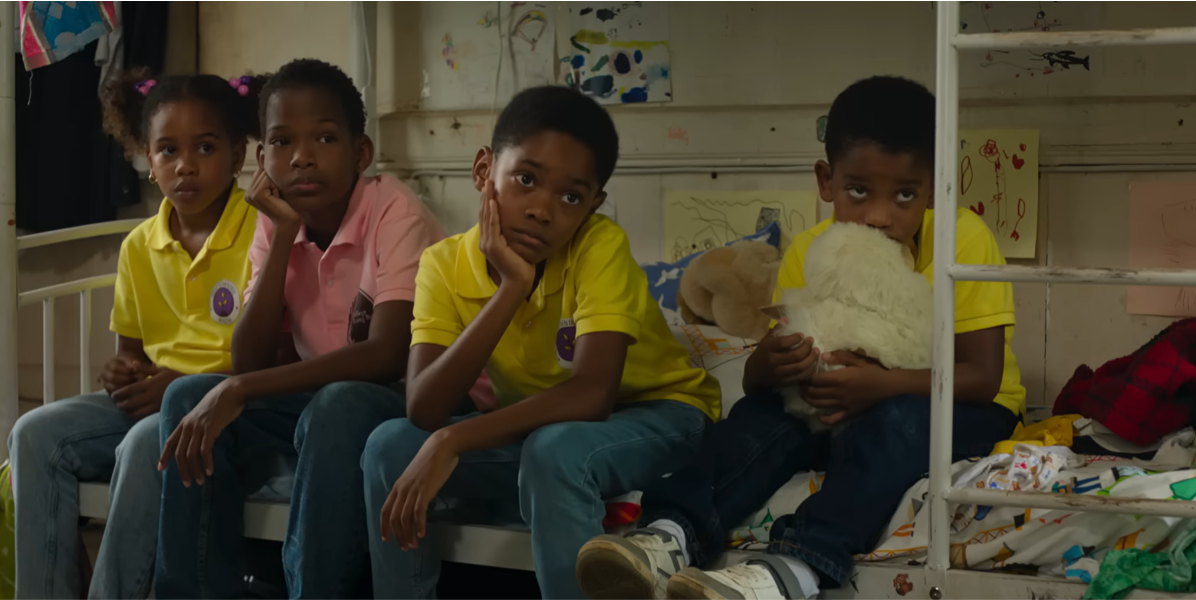
The show’s command on geopolitics and social commentary is one of its biggest strengths, and it comes in no small part due to the writers’ understanding of the contemporary zeitgeist. In his interview with Broadcast Now, Rochant opined on the world at large, stating, “The problem today is not only that the news is going more quickly, but that the world has completely changed. We’re in a new world with new rules.” He dubbed this new world order as one defined by logic over multilateralism, even claiming that our collective social reality is “back to the 17th or 18th century.” Despite this stark perspective on life, Rochant asserted that he is an existential optimist, and that was most likely a key driving force in how he and his team conceived ‘Bandi.’
Read More: Is Feel My Voice a True Story? Is Musso Farm a Real Farm? Is Fattoria Musso a Real Cheese Business?

