
 Saagar Kote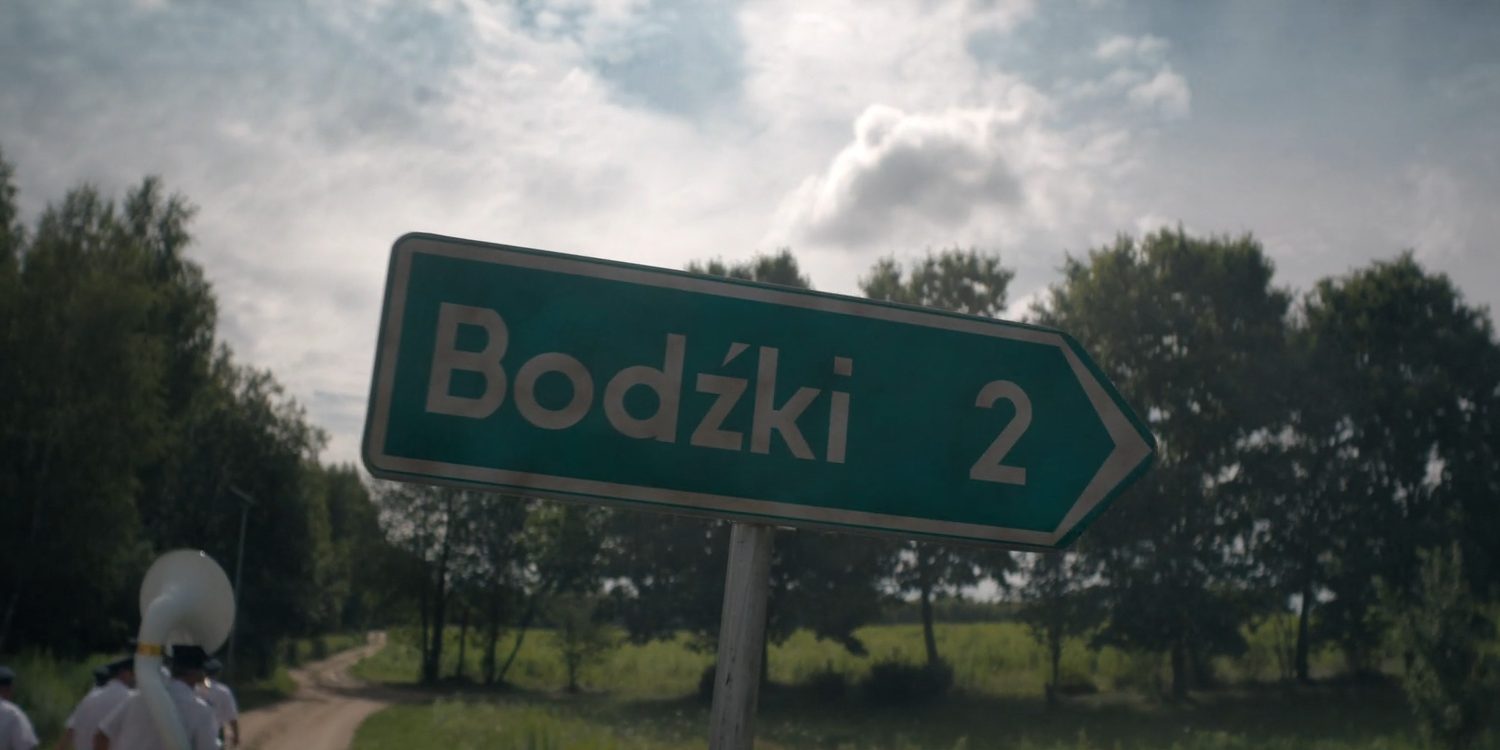
‘It Takes a Village’ or ‘Podlasie’ follows the ups and downs in the life of Halina, an elderly cheesemaker living in the village of Bodźki, Poland. The narrative begins dramatically when Halina breaks Jan’s heart at the altar and calls off the wedding. This is a difficult decision driven by her financial troubles, despite her deep affection for him. Devastated, Jan becomes determined to win back Halina and marry her. He devises a seemingly weird strategy, involving his friends and the local community, to save Halina’s struggling cheese business and secure her financial stability. The tight-knit villagers quickly unite, employing clever schemes to support the old woman’s cheese sales.
The village of Bodźki is a significant part of the story and is directly related to the fates of the film’s characters. The visual beauty of the narrative, along with its focus on the themes of unity and empathy, stems from the ways in which the people in Bodźki interact with outsiders and with each other. SPOILERS AHEAD.
Bodźki Comes Together to Save Halina’s Future and Her Love
The fictional village of Bodźki is at the heart of the story and reflects a sense of community spirit. The village is a visual representation of the richness of Polish rural life and the philosophies that drive it. Unlike the technologically consumed urban spaces, Bodźki is still driven by human interaction, simplicity, and ethical principles. When Halina leaves Jan at the altar, most of the villagers recognize the need to help her get through her financial crisis. Bodźki is surrounded by natural beauty, biodiversity, and calm. The village’s silence and its characters add to the story’s flavor, and Bodźki’s grounded aesthetics make it feel like a real place. The villagers also take part in an elaborate deception to fool the outside world.
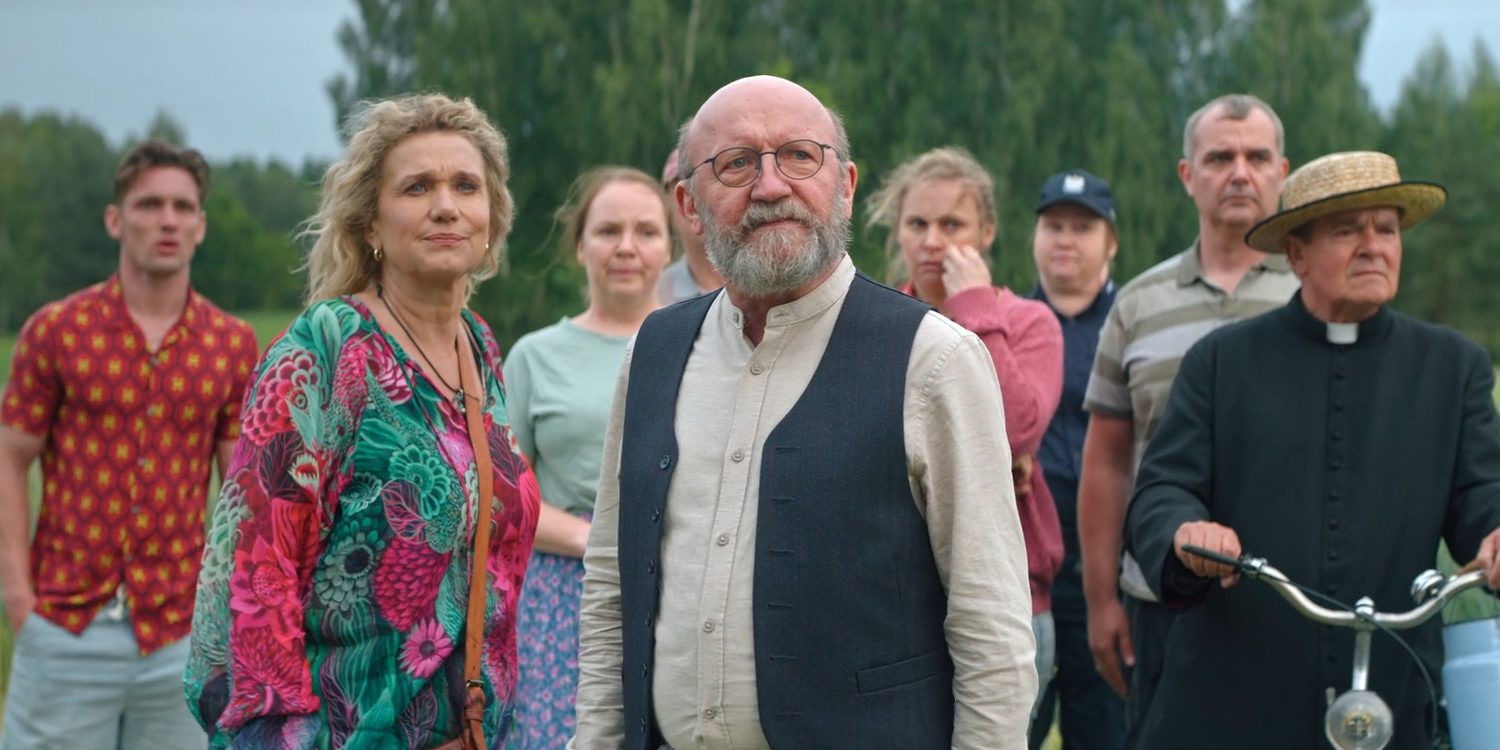
Jan and his friends develop fake crop circles in the village to attract tourists from all over the country, so that they can keep visiting and buying cheese from Halina. Even when there are conflicts and misunderstandings among the village’s members, they can overcome them through respectful communication. Bodźki’s economic realities shed light on how rural areas have different ways of being successful in the market space. The fake crop circles lead to an increasing number of tourist visits to the village, which is followed by a small economic boom. The villagers utilize this opportunity to set up stalls, selling local products to tourists. Through this process, they are able to keep the money flowing.
Though the people of Bodźki live far away from the noise of cities, they are aware of the happenings of the world. The narrative doesn’t portray Bodźki with an urban bias and approaches rural life with a degree of sensitivity and responsibility. The wedding traditions and the local festivals of Bodźki are integral parts of the lives of its people. The cultural diversity of the village is one of its most important elements and fuels the lives of the people. In a world dominated by individualism, Bodźki stands out as a place that brings people together to share happiness.
Read More: Is It Takes a Village Based on a True Story?

