
 Kriti Mehrotra
While Netflix’s ‘Fugue State 1986’ (originally titled ‘Estado de Fuga 1986’) doesn’t hesitate to explore the dark world of gore, murder, and psychoticism, human connection is at the center of it all. That’s because the lack of it in the life of Jeremias Salgado is, seemingly, partly what drives him to go on a killing spree, wherein he takes more than two dozen lives in the span of 24 hours. Amongst those he targets without thinking twice is his own mother in the apartment they shared after years of tumultuous co-existence, making the mercilessness behind his actions ever clearer.
Carmenza Salgado Stems From a Real Woman Who Died at the Hands of Her Resentful Son
Since the aforementioned original reimagines the events leading up to and surrounding the horrific December 4, 1986, Pozzetto Massacre by Campo Elías Delgado, Jeremias is inspired by him. Similarly, it appears as if several aspects of his victims are likely inspired by real-life individuals who were targeted by the perpetrator or happened to be in the wrong place at the wrong time. Carmenza Posada de Salgado is thus a character concocted by writers to represent not only Campo’s actual mother, Rita Elisa Morales Nieto, but also their reported wildly dysfunctional dynamic.

According to records, Rita was born on April 1, 1912, in the small town of Santa Ana del Tachira in Táchira, Venezuela, which is also where she first met her future husband, Campo Delgado Sr. They had seemingly decided to start a life together despite their 5-year age difference in the early 1930s before ultimately settling down in Colombia to provide a better future for their family. That’s where she had happily welcomed their two children – a daughter, followed by a son – only for their entire world to turn upside down in 1941 when the homemaker was merely 29 years old.
The Delgado family was reportedly residing in Bucaramanga when ice cream parlor owner Campo Sr. allegedly suffered a nervous breakdown and died by suicide in view of his then-7-year-old son. He left behind his wife and two young children, unaware that his namesake would grow to resent Rita because he blamed her for the suicide as well as his own inability to form friendships. The family bond had soured to such an extent by the time Campo Jr. was an adult that he eventually cut off all contact to immigrate, only to return in the 1980s and move back in with his mother.
Related


Campo Elías Delgado Took His Mother’s Life in Cold Blood
When Campo moved back to Colombia after years in Argentina and the US after two failed marriages, a stint in the army, as well as a mugging, he essentially had no one to turn to except Rita. In her late 60s/early 70s, the mother of two reportedly allowed him to live with her in the apartment she had in the Chapinero neighborhood in Bogotá, but their relationship never really improved. As per records, he still resented her for his father’s death and had allegedly even started having issues with both her and his elder sister over their inheritance, resulting in him treating her badly.
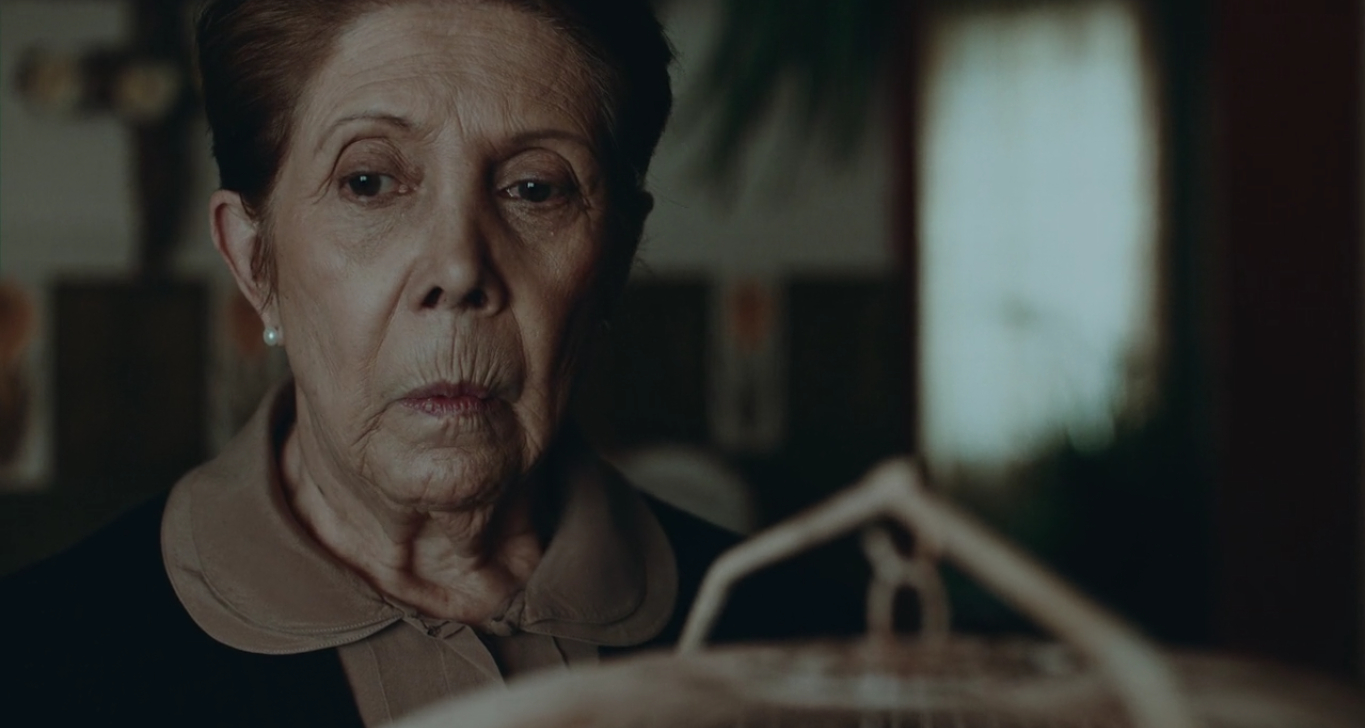
It has been reported that Campo only ever referred to Rita as “this lady” (“esa señora”) and had allegedly even started physically abusing her in the months leading up to December 1986. According to records, he also got into several arguments with neighbours during this period because they could seemingly hear him beat his mother and lock her in a bathroom for hours on end. They claimed she was a very affectionate and caring woman, but her son behaved so aggressively upon his return from the US that she had learned to be genuinely terrified of him.
However, no one could have ever imagined that on December 4, 1986, Campo would use a hunting knife to kill a mother-daughter duo before returning home and targeting his own mother. It was reportedly 4 pm when he stepped into the apartment he shared with Rita, yet it was after they got into an argument an hour and a half later that he fatally stabbed her in the back of the neck. He subsequently wrapped her remains in newspapers or a white sheet, poured gasoline all over, and set her on fire – he was allegedly determined not to leave any evidence. Campo then grabbed a weapon, a briefcase full of ammunition, and opened fire on several neighbors prior to going on to commit a horrific massacre at the Pozzetto restaurant. He took 29 lives on that fateful day, seemingly without any motive at all.

