
 Shivangi Sinha
Charlie Kinkel had been living in Silver Peak, Nevada, away from his family to work for a gold mining company. In July 2013, when he was not able to be contacted by any of his family members, they raised an alarm. A few months later, in December 2013, Charlie’s remains were found. He had been killed by a bullet shot. It was only a week later that the police received a confession that gave them full clarity on what had transpired. In ID’s ‘Welcome to Murdertown: Silver Peak’s Secret,’ the case, how it was solved, and the evidence used have been featured in great detail.
Charlie Kinkel Went Missing After Telling His Wife to Call Him
Charles Henry “Charlie” Kinkel III was born on July 28, 1973, and he was premature. He had some health complications, but he recovered. He was just 18 months old when he was adopted by June Queen and Charles Kinkel II in Akron, Ohio. He was a student at Ellet High School and had always been interested in sports. Charlie took part in the Civil Air Patrol, joined the police academy, and ultimately wanted to join the US Air Force. However, due to his developmental disabilities, he did not qualify. Soon, he chose another path for himself. He got a commercial driver’s license and started working as a long-distance driver, which took him out west.

In 2010, Charlie got married to Trayce Kinkel and settled down with her in Wells, Nevada. He had five children from different marriages and made sure to provide well for all of them. The newly married couple had big plans for their future, and when Charlie got a job at a gold mining company in Silver Peak, Nevada, he decided to take it. He lived in his car for a few months as he saved some money, and after a while, he moved into a house with a few friends. On the night of July 24, 2013, Charlie called Trayce and told her to wake him up at 6 am.
The next morning, when she called him, he did not answer. She tried several more times later but got no answer. Trayce and the rest of Charlie’s family decided to report him missing after he stopped showing up for work. On December 15, 2013, some passersby collecting firewood found human remains in a well that was surrounded by three abandoned buildings in the Nevada Desert. They were confirmed to be Charlie’s, and the cause of his death was determined to be a gunshot wound to the head, and an investigation was launched.
Charlie Kinkel’s Killer Gave a Confession a Week After Remains Were Found
On July 25, 2013, the day Charlie Kinkel was reported missing, his car was found. It was parked off the highway and still had his cell phone inside it. It was only when his remains were found in December 2013 that the police began to get answers. On December 21, 2013, just a week later, Jason Taaffe walked into the police station. He had worked at the mine with Charlie and had been living with him. He claimed that on July 24, 2013, there had been a barbecue at his house and that he had allegedly seen Charlie being inappropriate with his daughter outside the house. He said that Charlie had allegedly run away, and he told the incident to Coleman Ward, a mechanic who also shared the house with him.
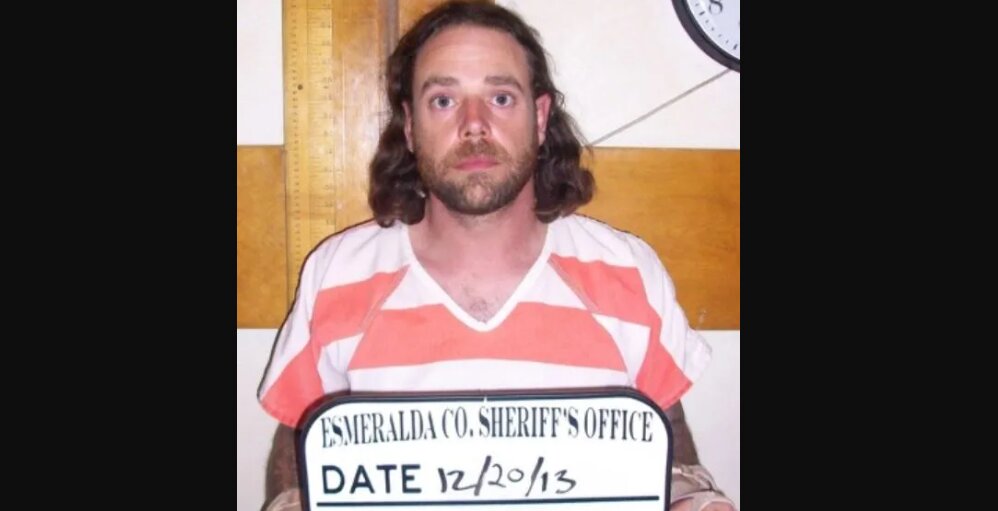
According to Taaffe’s confession to the police, the two of them lured Charlie into Coleman’s pickup truck under the pretense of going hunting. They drove him to the spot where his remains were found, and Taaffe then admitted to shooting him. He said that he took his friend’s keys and wallet before returning. He claimed that Coleman drove the car to the spot while he followed in his truck so that he could bring him back to the house afterward. When questioned, Coleman denied having any involvement. He said Charlie was alive when he went to sleep, and he was gone when he woke up. The police found what they believed was the murder weapon at the house, and Taaffe and Coleman were both arrested on charges of first-degree murder.
Coleman Ward and Jason Taaffe Have Been Released From Prison

In 2014, Jason Taaffe pleaded guilty to second-degree murder. Later that same year, Coleman Ward was convicted of manslaughter. Taaffe was sentenced to 10 years to life, while Coleman was sentenced to 10 years. According to some reports, Taaffe was released from prison in July 2019 and has kept a low profile since then. Coleman has also been released, and his status is listed as inactive in prison records. There are no publicly available recent reports about either of them.

