
 Aahana Swrup
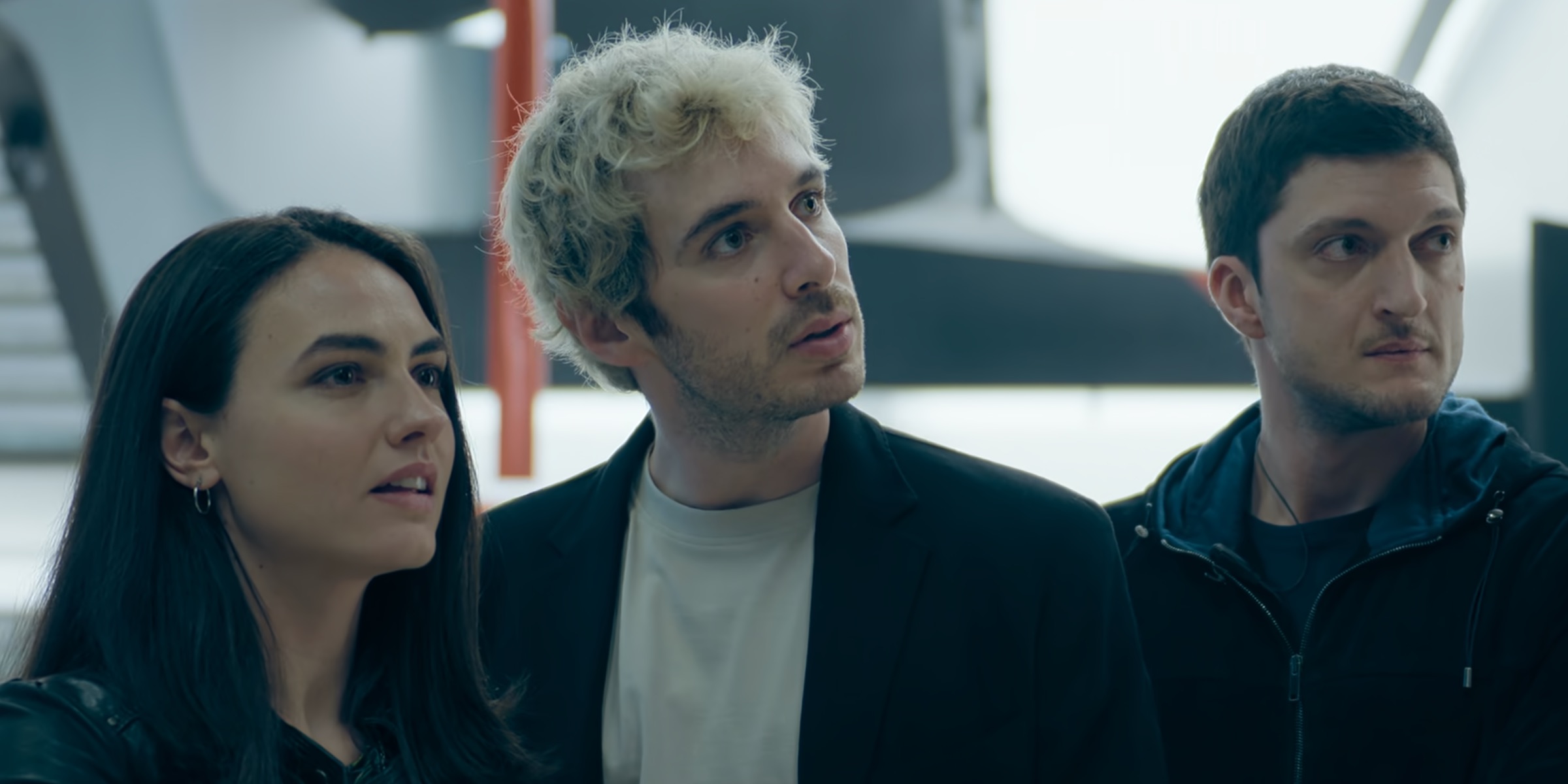
The Italian comedy-drama series ‘ChiaroScuro’ charts the story of an unlikely partnership that is born from a string of unusual murders wherein each crime scene becomes a work of art. When the authorities of Rome uncover a strange murder inside a museum, they resort to unconventional methods of crime-solving. Cosmo Speranza, a skillful art expert, is hired as a consultant and partnered with officer Angelo Tiberi to work on the case. However, over time, as more bodies begin to drop in a similar fashion, it becomes clear that the city is dealing with a serial killer who seems to have a very clear and concise vendetta. All evidence points toward a potential connection between the killer and Cosmo’s father, Rufo, who died years ago. Consequently, as the investigative duo chase after the killer, a long-buried history of forgery, deception, and betrayal is unraveled. SPOILERS AHEAD.
ChiaroScuro Recap
Cosmo Speranza is an art expert who has built a career and a spotless reputation on his reliable ability to detect fakes in a sea of masterful forgeries. He also has a penchant for stumbling his way into trouble, often of the legal variety. The same happens on the morning that a dead body is discovered in an esteemed museum. The victim is the establishment’s curator, Guidi, whose body, upon Cosmo’s unauthorized inspection, seems to have been staged in a replication of a famous painting. Initially, the officer on the scene, Angelo Tiberi, is uninterested in the expert’s deductions. However, it becomes evident that Cosmo possesses some helpful insight once it’s discovered that the same painting is missing from the museum’s collection. The art expert remains involved in the ongoing investigation because of his interest in the missing painting. Eventually, he ends up helping the cop find the art thief, who turns out to be the one who sold the painting to the museum in the first place.
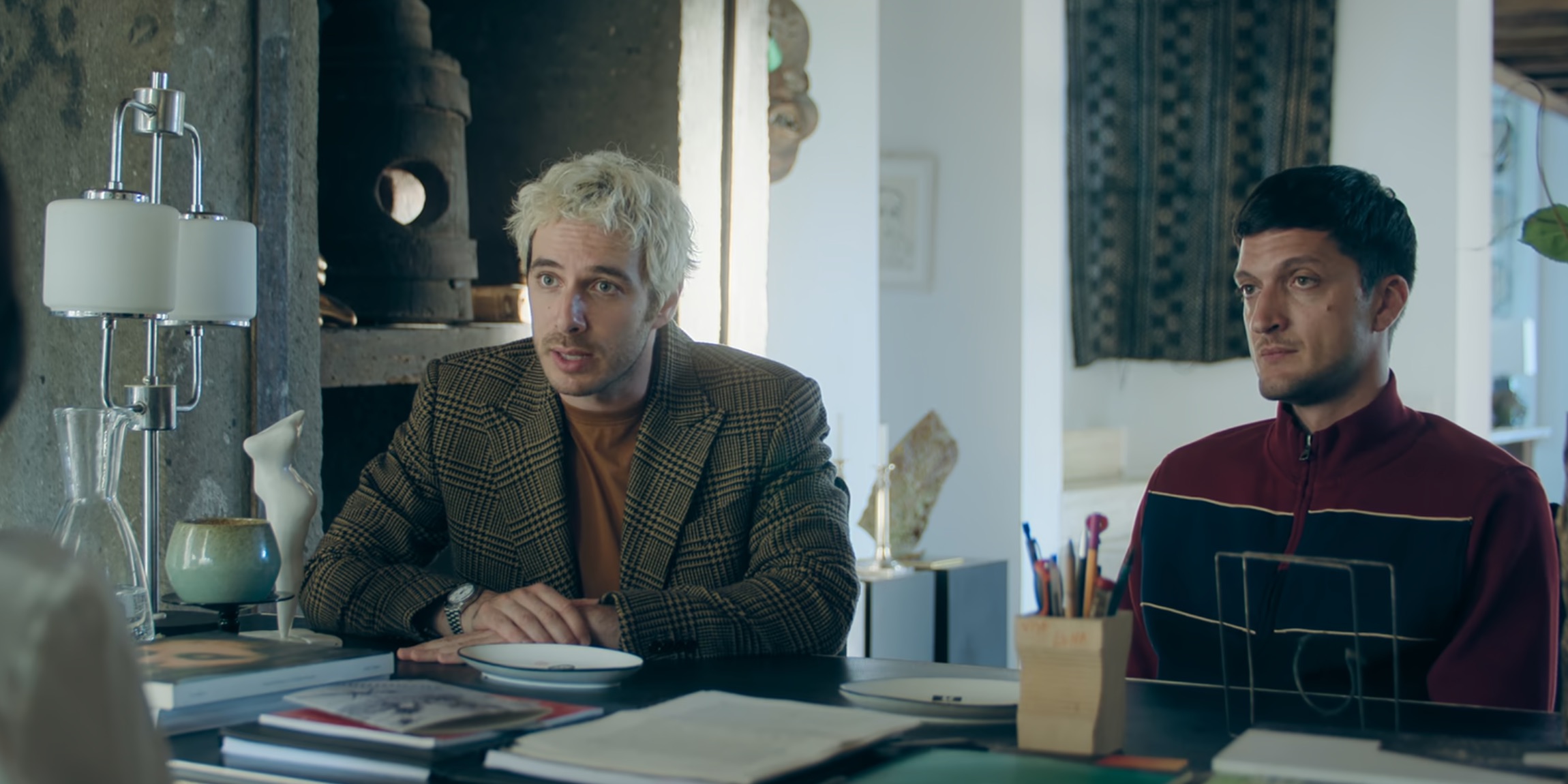
Surprisingly, after her arrest, the perpetrator reveals that the painting is actually a fake. In the aftermath, Cosmo’s unlawful interference with the investigation promises to result in criminal charges. However, the commissioner, who has a history with the Speranza family, offers him a different deal. The expert has to work with the police department as a special consultant for the next six months. Even though he’s initially against the idea, Cosmo ultimately takes the deal once he realizes that the fake painting is actually a forgery created by his long-dead father, Rufo. He believes that whoever killed Guidi has a connection to his father’s death. According to official reports, the art forger died by suicide. Yet, the son has always suspected a bigger conspiracy at play. His beliefs are further confirmed when they discover a nail, similar to the murder weapon used to kill Guidi, at Rufo’s old studio.
Thus, the authorities also reopen the old case. Afterward, Cosmo continues to solve cases with Angelo. While some of the cases are self-contained and have no connection to Guidi or Rufo, the duo also encounters many cases that seem to be the handiwork of the same artistically inclined killer. Over time, it becomes evident that the mystery murderer is going after people with connections to the art forger. This potentially puts Cosmo and his half-sister, Leda, on a dangerous radar. The investigation also unearths new facts about the case. Rufo’s death was preceded by the police’s suspicions about his connection to a forged painting. However, as it turns out, this forged painting was intentionally made to look like his work to frame him. Moreover, Angelo discovers that the gun used to kill the forger was actually stolen from police custody.
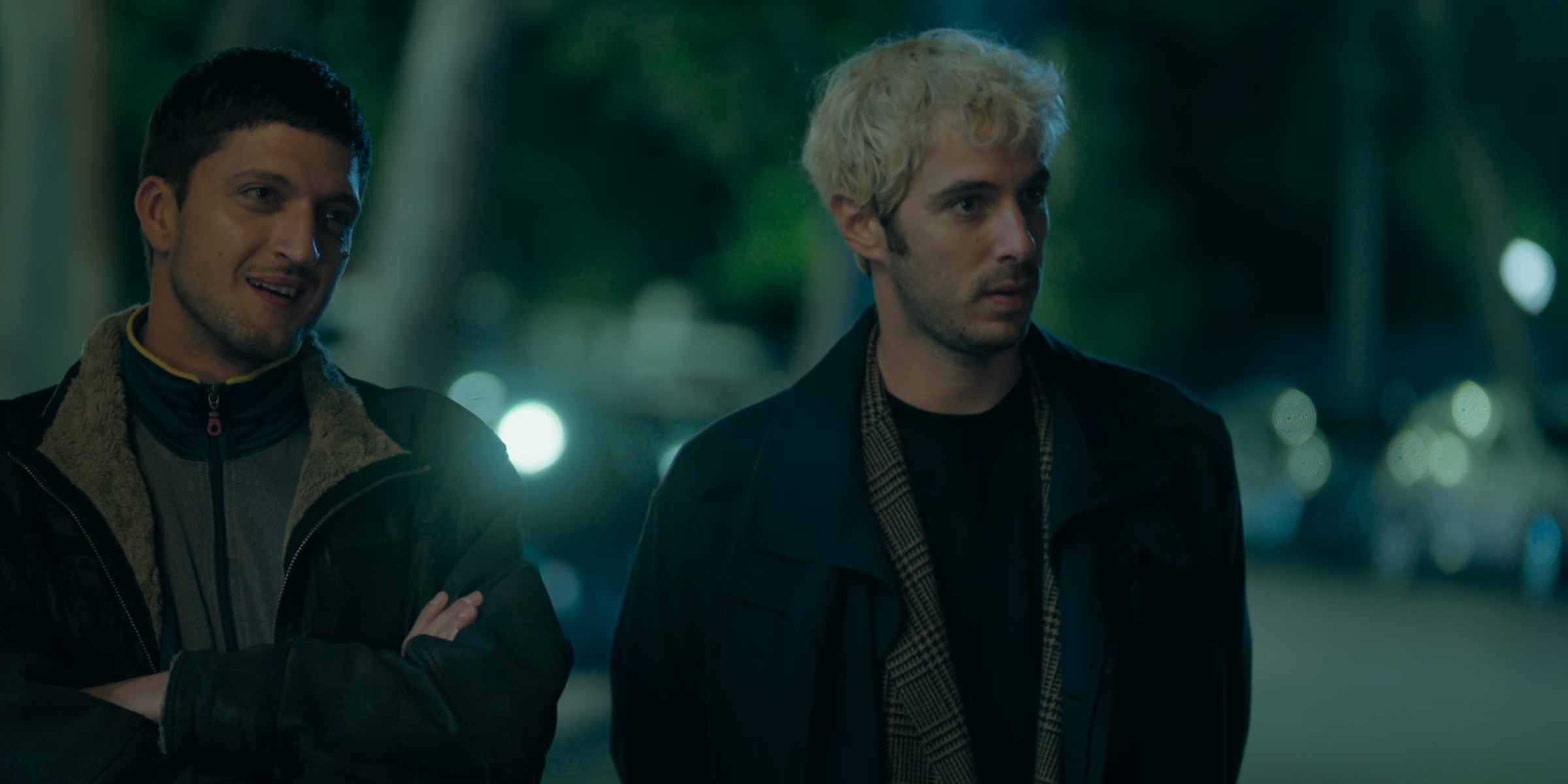
Upon further inspection, Angelo and his partner conclude that the latter’s father couldn’t have gotten the weapon himself. Eventually, the duo discovers a connection between Rufo and Beatrice, an art solicitor whom Cosmo frequently works for. Initially, they suspect a relationship between the two, which would give the latter the motive to commit the recent killings. However, this theory is quickly refuted when Beatrice becomes the next victim. Strangely, this time around, instead of jumping to the murder, the killer abducts the woman. Furthermore, they lay down a trail of breadcrumbs that frame Cosmo as the real culprit, leading to his arrest. Fortunately, he’s able to flee from custody with Leda’s help. While Angelo tries to find an alibi that can prove his partner’s innocence, the consultant continues searching for Beatrice. Unfortunately, by the time he uncovers the killer’s true identity, he already finds himself at her mercy.
ChiaroScuro Ending: Who is the Serial Killer?
In the case against the serial killer, the most prominent clue stems from the apparent thread of connection between each murder and Rufo Speranza. The killer’s M.O. includes staging each death as an artistic recreation of a painting that the art professor had replicated during his double life as a forger. Moreover, once Angelo and Cosmo dig deep, they realize that the victims themselves also had a direct connection with the latter’s deceased father. Guidi was a curator who often sold Rufo’s fakes to museums as the real thing. Cecillia was an art dealer who facilitated such sales. Antonelli was a close friend of the professor’s, and Beatrice also has an apparent connection to him.
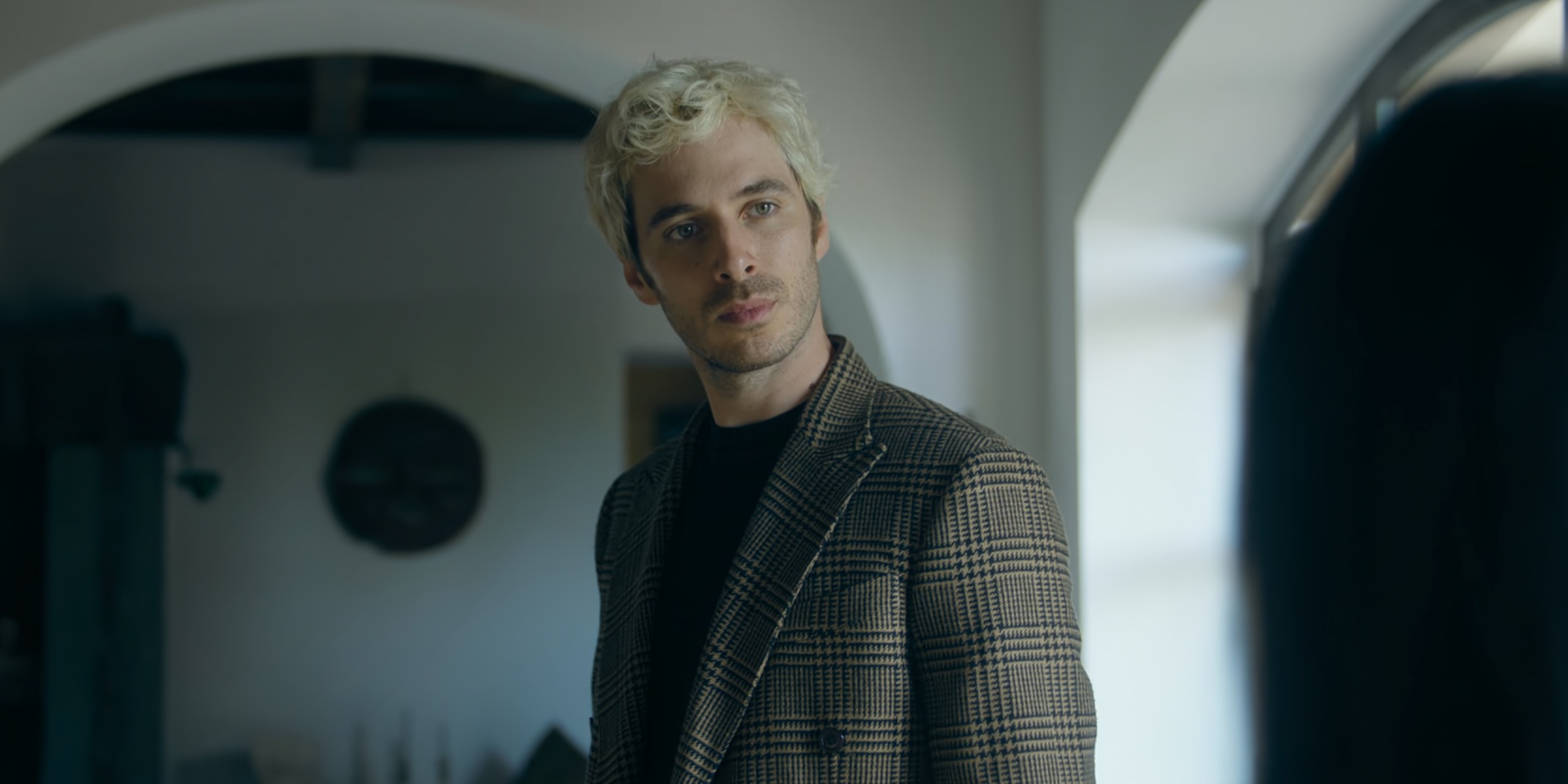
However, most crucially, these people were also involved in Rufo’s eventual downfall. For years, the art forger’s death has been assumed to be a result of suicide. At the time, the police had suspected Rufo of being the artist behind a fake painting. Thus, when he was found in his studio, dead and with a gun in his hand, it was assumed he took his own life to escape legal consequences. However, Cosmo learns that the painting itself was a fake, planted to frame his father. The serial killer’s victims, Guidi, Ether, Antonelli, and finally Beatrice, were all involved in orchestrating this frame job against Rufo. Thus, the conclusion is that the killer must be looking to avenge the art professor.
In the end, only a few people had close enough connections to the art forger to take such drastic measures. Rufo’s children, Cosmo and Leda, are easily at the top of the list. The art consultant realizes the same when he discovers evidence that his sister is holding Beatrice hostage. Thus, once Leda’s identity as the killer is revealed, the discovery of her motives soon follows. Unlike Cosmo, his sister has never had any love lost for her father. While alive, Rufo had led a double life. One in which he was an art professor with a wife and a daughter; and another in which he was an art forger with a young son whom he was shaping in his image.
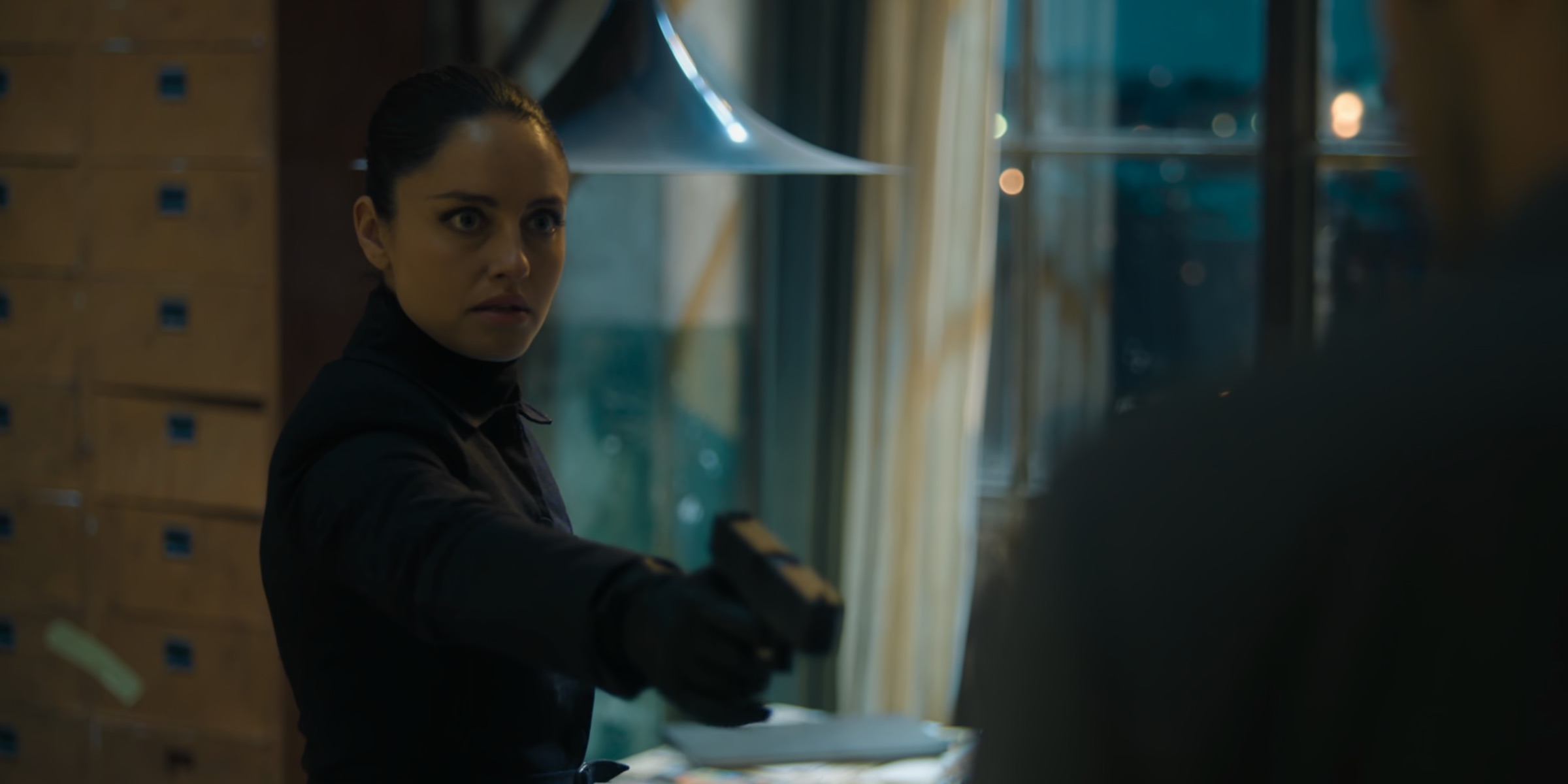
Rufo’s death became the catalyst that exposed these two different lives and uncovered the father’s ugly reality to his children. Thus, Leda has always hated him for keeping her in the dark and condemning her to a life of deception and half-truths. Moreover, she loathed the man for his death since it marked her departure from her old life. Consequently, in her quest to take back the reins of her life, Leda had decided to exact vengeance on every person she deemed responsible for destroying her childhood. This included the people who had led to Rufo’s murder all those years ago. Even though it might appear otherwise, the lawyer’s homicidal endeavors had nothing to do with seeking vengeance for her father. Instead, she wanted to avenge her own childhood.
Who Killed Rufo? Why?
The conspiracy surrounding Rufo’s death remains another pivotal mystery in the story. The art professor died in his studio, where his son, Cosmo, discovered his dead body after overhearing a gunshot. At the time, his father was under investigation for a potential connection to a forged art piece. Therefore, when the authorities discovered the death, they concluded that the art forger must have killed himself as a way to escape his predicament. Nonetheless, this is far from the truth. In reality, there was no way for Rufo to have access to the gun that took his life. Consequently, there is undeniable evidence of outside intervention.
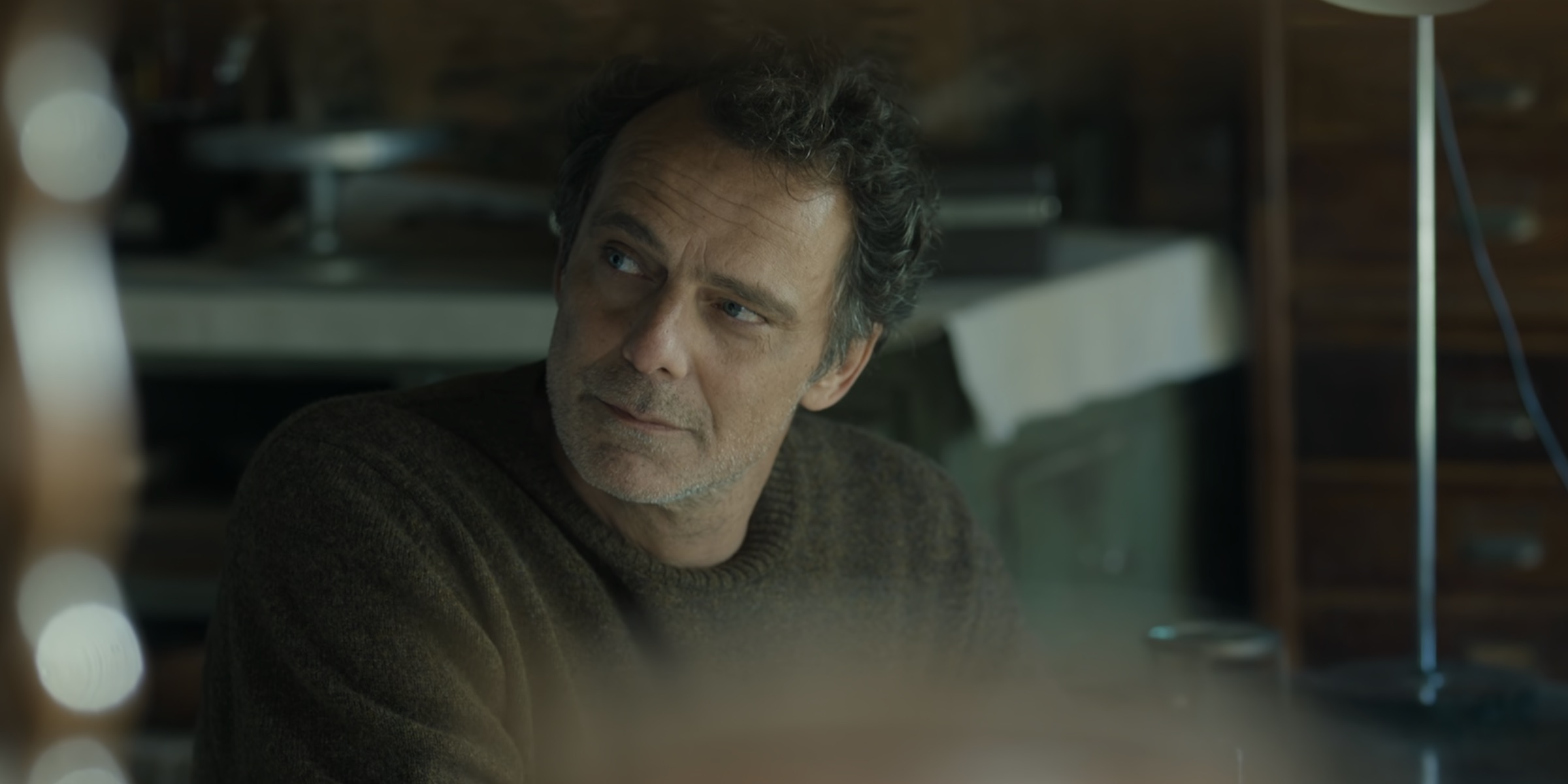
Eventually, pieces begin to fall into place when Cosmo learns a crucial detail about his father from his half-sister. As it turns out, a while before his death, Rufo had told Leda about the existence of her brother, Cosmo. After years of juggling a double life with two careers and two families, the art professor had gotten sick of the deal. He wanted to hang up his hat on his work as an art forger and bring his two worlds together. However, Rufo was never a lone wolf in his lucrative and illegal endeavors. He had an inner circle of collaborators that ensured his fakes moved through the art world without any problems. Therefore, his decision to come clean about his criminal life posed a great danger to this hidden posse.
One of the members, Beatrice, as a new mother, was particularly concerned about how Rufo’s decision would impact her life. When she shared these concerns with the forger, he assured her that he would keep her name out of his confession. Nonetheless, his assurance wasn’t good enough for her. She, like the others, wanted to ensure that Rufo’s crimes could never be traced back to them. Thus, they orchestrated the plan for him to be on the brink of discovery by the authorities before Beatrice went in to finish the job. She killed Rufo by shooting him with the gun provided to her by Antonelli. Afterward, she planted the gun in his hands to make it look like a suicide. Without Rufo around to make any confessions, the members of his inner ring got to walk away from the forged art circuit unscathed.
Does Angelo Survive?
Leda’s plan of vengeance doesn’t end with Beatrice. Her own half-brother, Cosmo, is her true final victim. Ever since the discovery of her father’s double life, she has come to resent her brother, using him as a convenient scapegoat to blame for her father’s deception. Thus, she believes that by merely existing, Cosmo ruined her childhood and subsequently must pay for his crimes. Additionally, he also makes for the ideal fall guy on whom all the murders can be pinned, allowing Leda to move on with her life in the aftermath. Given the victims’ profile, the immediate conclusion emerges that the serial killer must be on a mission to avenge Rufo. Naturally, his son becomes the perfect candidate to affirm this belief.
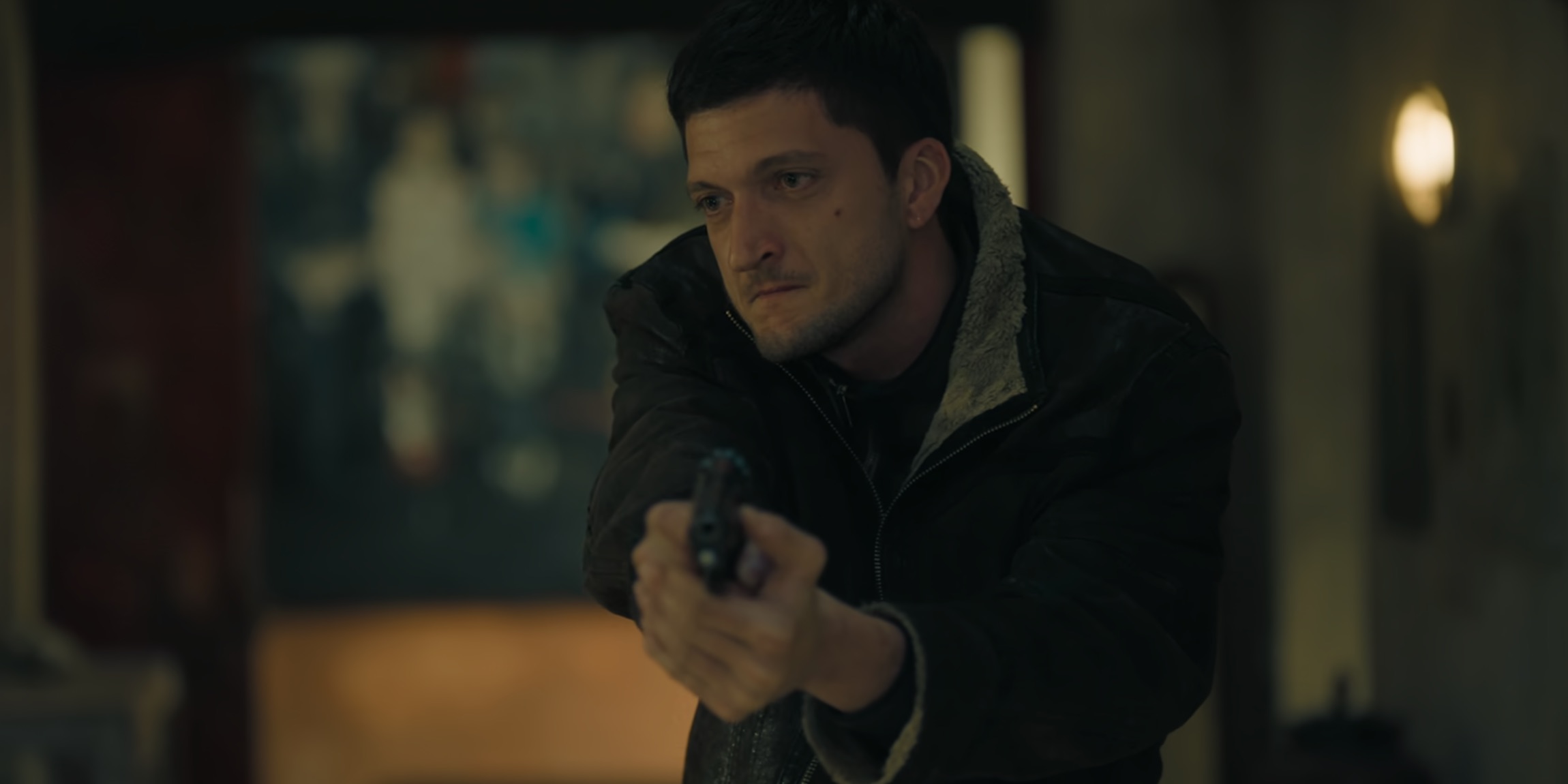
Furthermore, the lawyer’s close connection to her brother allows her to plan evidence that easily frames him for the other murders. In the end, once she incapacitates Cosmo, the time comes for the final showdown. She has set the stage for Beatrice’s murder in the art consultant’s apartment. All she has to do is kill the solicitor and her brother before contacting the authorities and letting the optics fill in the blanks. Fortunately for Cosmo, even after his arrest and subsequent escape, Angelo continues to believe in his innocence. Moreover, in their time together, he has come to know the other man well enough to predict exactly where Leda would stage the final murders to make it look like Cosmo’s doing.
In the end, Angelo arrives on the scene in the nick of time and confronts Leda before she can pull the trigger on her brother. Even when the bullet is fired, he jumps in front of his partner, putting his own life at risk to save Cosmo. Moments later, his backup arrives, and the cops arrest Leda. Afterward, Angelo finds himself laid up in the hospital, recovering from the bullet wound, which injured him but not to the point of death. With Leda’s arrest, the case is finally closed, with all loose ends neatly tied up. In the aftermath, the cop and the art consultant meet up once again, as friends more than colleagues. Cosmo reveals that even though his six months of compulsory consultancy at the police department are over, he has decided to stick around on a more permanent basis. Thus, it seems Angelo and Cosmo will continue their partnership in the future.
Read More: The Good Lawyer Ending Explained: Does Leonard Landry Go to Prison?

