
 Abhiroop Das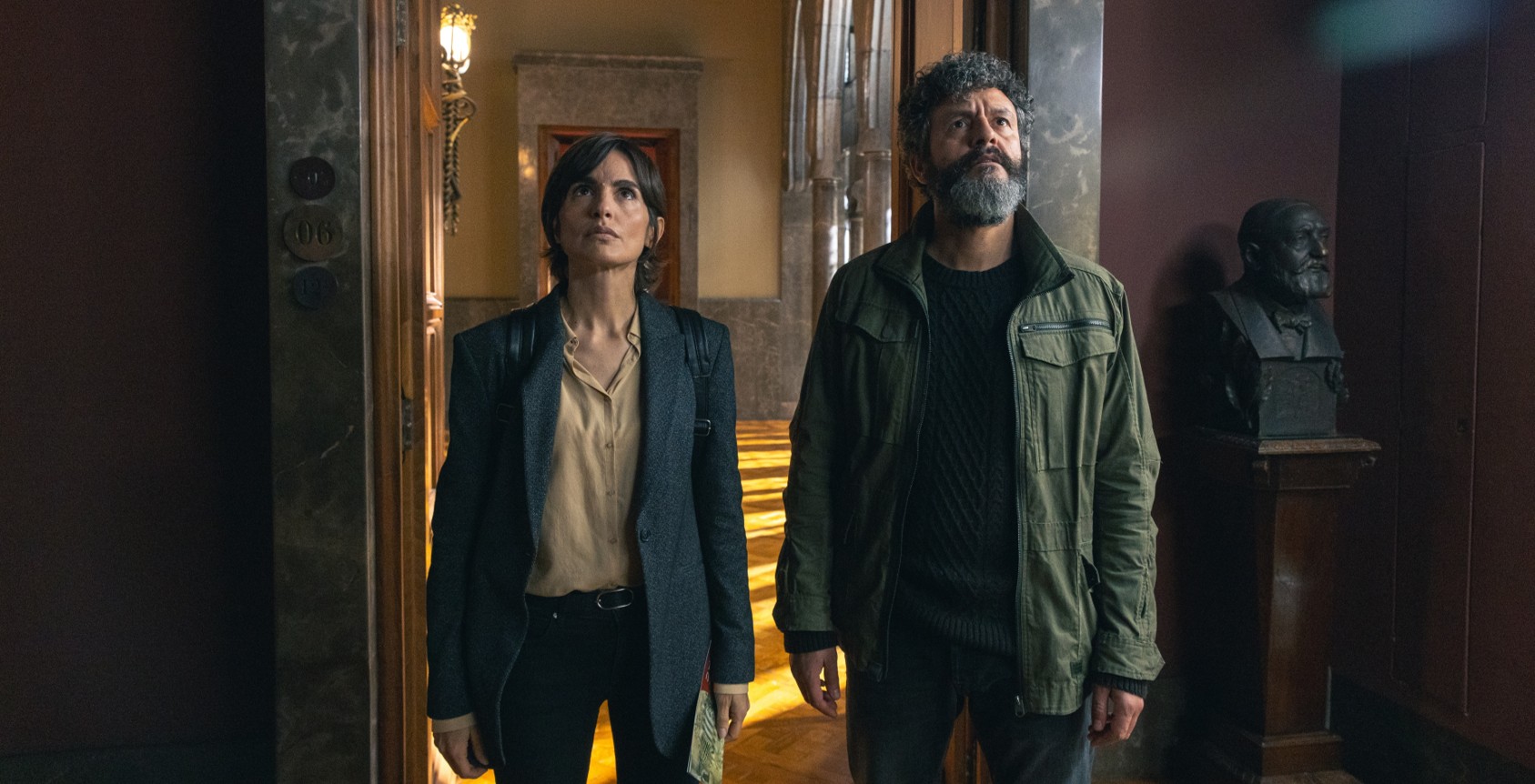
Created by Jorge Torregrossa, Netflix’s ‘City of Shadows,’ originally titled ‘Ciudad de sombras,’ tells the tale of a city shrouded in chaos, as a serial killer begins targeting one powerful figure after another, torturing and killing them as a public spectacle. This killer, aptly named Gaudí’s Shadow, appears to be obsessed with the buildings inventively designed by Antoni Gaudí, and with many of these fixtures decorating every corner of the town, the possibility of another murder happening is at an all-time high. Camilo “Milo” Malart, a down-on-his-luck police officer working with the Catalonian police known as Mossos, teams up with Officer Rebeca Garrido to apprehend the killers before it is too late. Based on Aro Sáinz de la Maza’s novel ‘Gaudí’s Executioner’, this Spanish crime thriller series ends with Milo and Rebeca uncovering the city’s hidden underbelly, wherein lies the key to solving the case. SPOILERS AHEAD.
City of Shadows Plot Recap
‘City of Shadows’ opens with the harrowing murder of Eduardo Pinto, a construction magnate who is abducted, starved for five days, and then tied up to the iconic Casa Milà building, before being burnt alive. The death makes national headlines, and Judge Susana Cabrera puts her close friend and a skilled police officer, Camilo “Milo” Malart, on the case. Recently suspended due to violent behaviour, Milo has trouble readjusting into the system, in no small part due to the trauma of his beloved nephew, Marc’s death. For this case, he is assigned a new partner, Officer Rebeca Garrido, who is here on a temporary basis. Together, they outpace the larger investigative team in no time by locating a signature, “G,” and figuring out that the killer likely has an accomplice or is potentially working with a group.
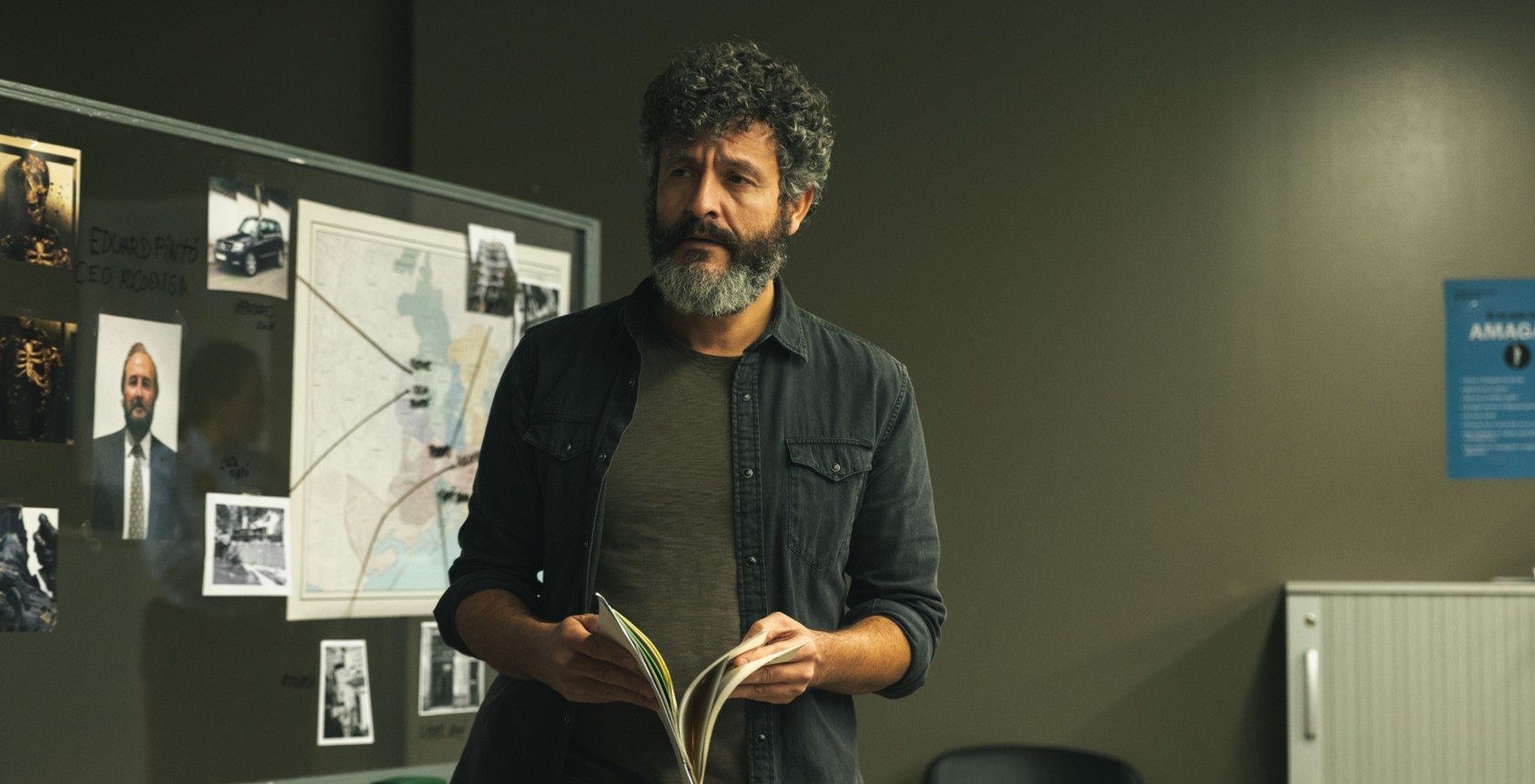
Milo’s suspicions of the killer striking again are confirmed when Felix Torrens, who owns the Torrens Foundation, is abducted. With a repeat of the previous tragedy now inevitable, the police tighten their search for the serial killers who are dubbed Gaudí’s Shadow due to them targeting buildings designed by modernist architect Antoni Gaudí. Although the entire crew puts their best foot forward, including an expansive stakeout at every major Gaudí construct, they return empty-handed, only for Torrens to be found dead six days after his disappearance. Worse, Gaudí’s Shadow appears to be in close contact with a journalist named Mauricio Navarro, who doesn’t shy away from leaking videos of the crime on the news, instead of handing them over to the police.
The crime saga becomes even more complicated when an elderly woman named Georgina, who witnessed the killers one night, is stealthily murdered. Although Milo and Rebeca believe these events are connected, they effectively have to work on their own. Soon, Navarro is abducted and killed by Gaudí’s Shadow, and all leads to the criminal group amount to nothing. Their biggest move yet, however, turns out to be the abduction of Susana, which puts Milo on overdrive. As he looks into the people who might have a vendetta against Pinto, Torrens, and Susana, he learns that Torrens was a sexual abuser and used his foundation as a cover to groom and abuse children. One of the orphanages, La Ferradura, catches Milo’s eye, due to it being burnt, and all its records erased. Still, by scouring heaven and earth, Milo and Rebeca reach closer to the truth.
City of Shadows Ending: Who are the Killers?
At the end of ‘City of Shadows,’ the serial killers collectively known as Gaudí’s Shadow are revealed to be the brother-sister duo, Hector and Helena Guitart. As children, the siblings lost their home to the Pinto Plan reconstruction project, which also resulted in the sudden death of their father. A day later, they were sent to one of the Torrens Foundation facilities, named La Ferradura, where Felix Torrens sexually abused both of them for many years. As a teen, Hector grew up to rebel against Torrens’s actions, but was often punished with starvation and dehydration inside the orphanage’s basement. The consistent abuse and exploitation left a particularly deep scar in Helena’s mind, especially as none of the adults stood up for her or her brother. It is this trauma that drives them to revenge in the present.

Although Milo and Rebeca initially believe the killers to be linked to freemasonry, given their use of the letter “G” as a symbol, the reveal about their identity clarifies that the symbol likely just refers to their surname, Guitart. In line with this, the duo’s choice of targets, be it Pinto, Torrens, or even Susana, maps out every powerful figure who altered their life for the worse. Their decision to set all the murders in and around Gaudí’s iconic constructs is also recontextualized, as it is not an aesthetic choice, but a means of payback. Torrens was a huge fan of Gaudí and imprinted that obsession into Hector, forcing him to draw models of the architect’s most famous buildings. In the present, the serial killer duo flips that obsession on its head to enforce their contorted sense of justice.
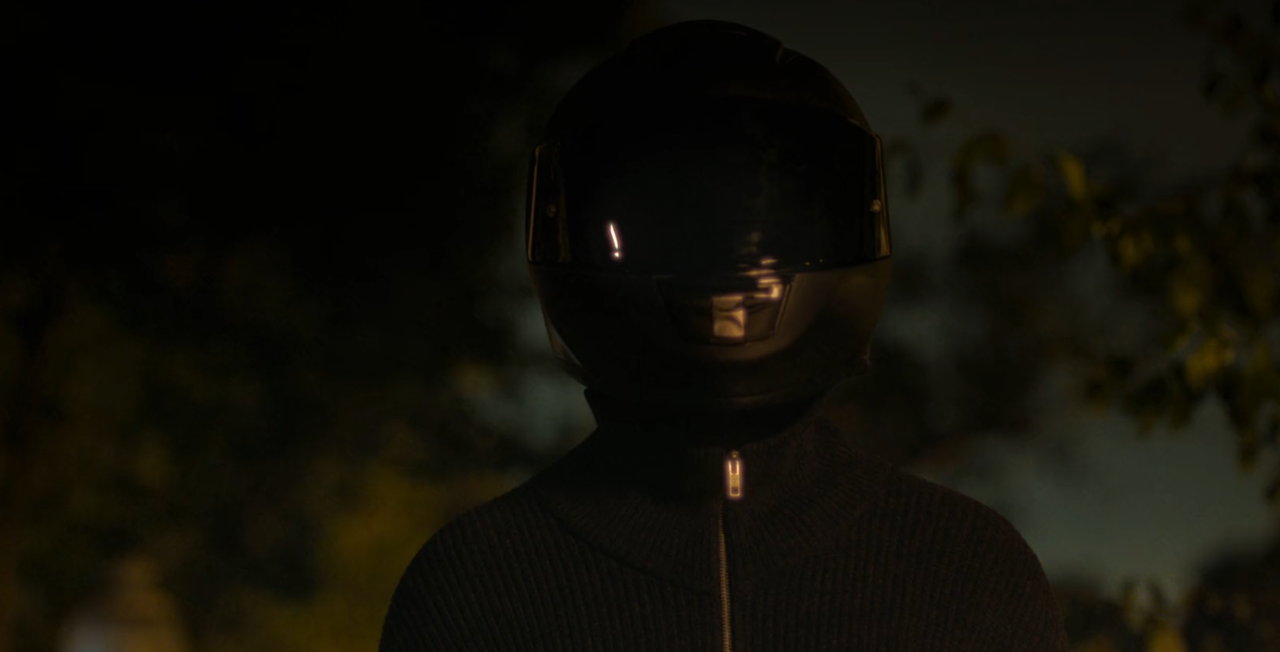
While the serial murders began in 2010, the revenge plot itself came into being several decades ago, starting with the burning down of the orphanage. Although the official records do not list a clear culprit, it is likely that Hector was behind the arson, given his fascination with fire, which has persisted well into the present. Furthermore, we learn that, years later, Helena ventured into Torrens’ building as an adult, prepared to kill him and then take her own life. However, upon looking at the painting hanging in his office, which she has been psychologically conditioned to associate with abuse, she loses all composure and has to give up on the plan altogether.
What Happens to Gaudí’s Shadow?
On the day of the pope’s arrival in Barcelona, Hector and Helena plan to take their own lives in a bomb explosion targeted at the many powerful people attending the Sagrada Família consecration. However, Milo and Rebeca catch a hold of this plan just in time, and alert the authorities to stop the siblings before it’s too late. Hector is found first, and realizing that he is trapped with no way out, chooses to set himself on fire, ironically dying in the same way as the people he killed. Although Hector is depicted as the more proactive sibling in the childhood flashbacks, the present flips their dynamic on its head. While there are signs that Hector isn’t fully committed to the Gaudí’s Shadow murders, his sister doesn’t realize that till it’s too late.
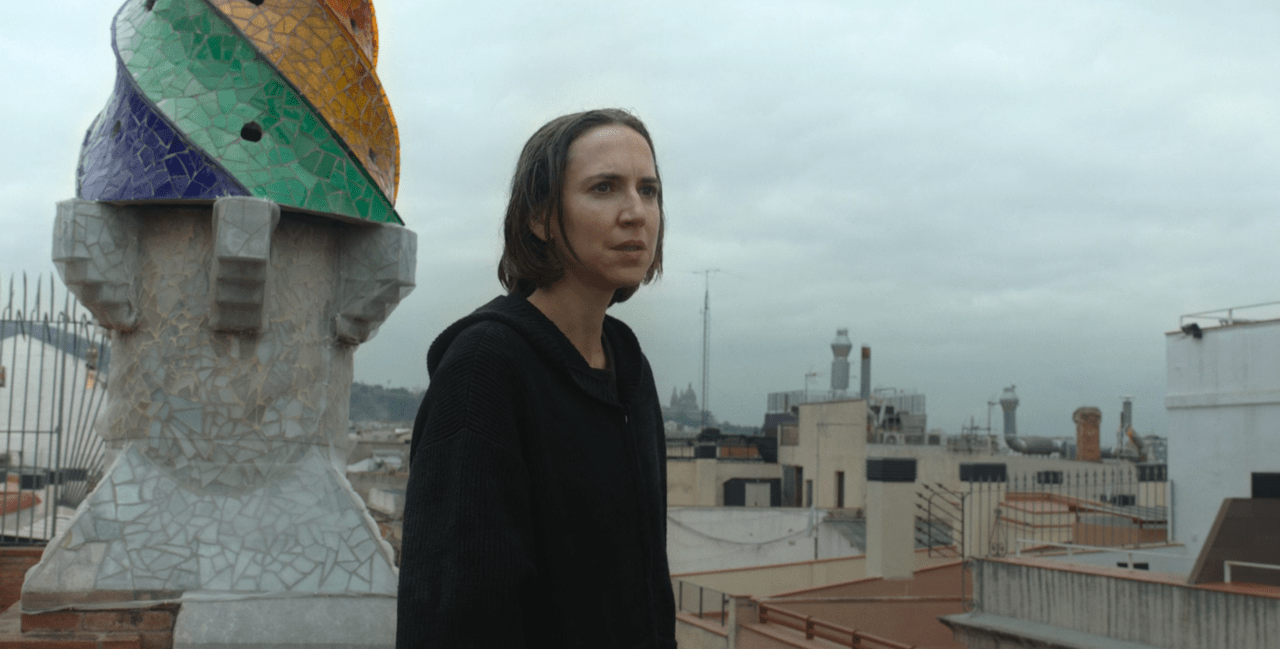
Helena is discovered not around the church, but on the terrace of Palau Güell, and Milo reaches the scene moments before she can take her own life. As one of the only people who truly know what the siblings went through, he is able to communicate with Helena, but that only makes Hector’s death all the more tragic. Helena’s admission of her brother onto this vengeance path reframes their conversation earlier in the episode, when she briefly asks whether he is getting cold feet. What sounded like a rebuke at that time is now recontextualized as her latent wish to save Hector’s life. Still, with him now gone, Helena loses all hope and jumps off the palace, falling to her death. However, even after the death of Gaudí’s Shadow, the fate of their final victim, Susana, remains up in the air.
Is Susana Cabrera Found? Does the Judge Live or Die?
Before Helena jumps to her death, she ominously reveals that Susana’s fate is all but sealed, as she is seemingly in a place where she can no longer breathe. While the description itself is vague, Milo and Rebeca are able to get to the truth by connecting the dots with the siblings’ past. In an earlier conversation with one of the workers at the orphanage, Milo learnt that Torrens often wanted to punish Hector by burying him alive, even if he never could. This, coupled with the information that the Tartamily owns a mausoleum, indicates that the siblings might have trapped Susana inside the fixture as an expression of their lingering trauma. Milo has the same idea, which turns out to be correct. Susana is found inside the Guitart mausoleum, barely breathing, but alive.
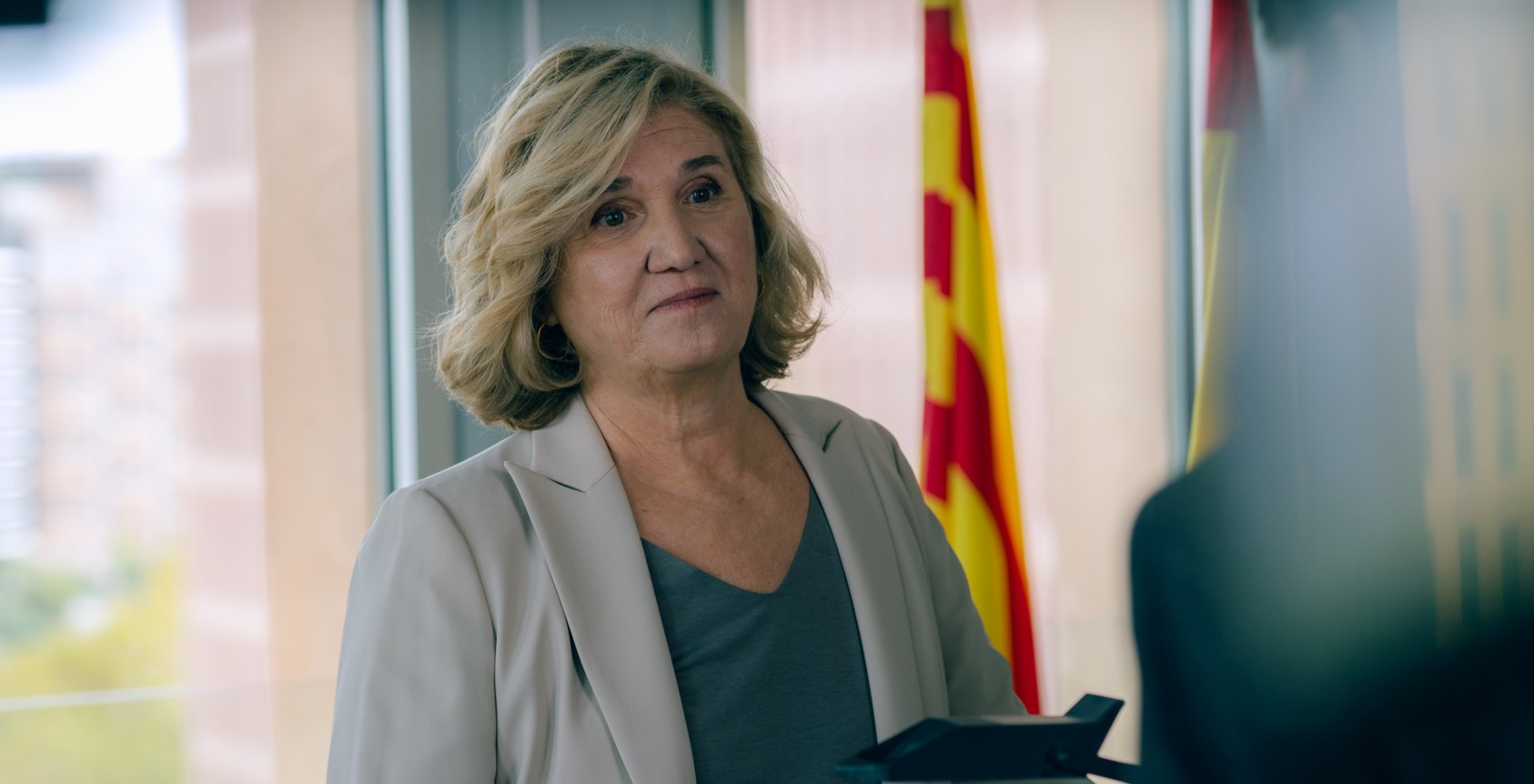
Susana’s survival comes as a personal victory for Milo, as not only is she one of the most cherished people in life, but she is also the first life he saves following the death of his nephew, Marc. While on the surface, Milo assures everyone that Marc’s death was no one’s fault, he carries an immense sense of guilt inside, and solving the Gaudí’s Shadow case helps reinforce his spirit. The near-death experience is also transformative for Susana, as while she was never knowingly ruining her siblings’ lives, the incident opens her eyes to the larger network of abuse and corruption that she is surrounded by. If Susana returns to her position as judge sooner or later, it is likely that several systemic changes will follow.
Does Rebeca Leave the Mossos? Does Milo Rejoin the Police?
From the very beginning of ‘City of Shadows,’ Rebeca was temporarily working with the Mossos, and her partnership with Milo only threatens to increase her chances of exiting early. Still, the duo ends the season as the most competent investigative force in town, which makes her inevitable departure all the more heartwrenching. While talking to Singla, she confirms that she is bidding the Catalonian police force goodbye and returning to Egara headquarters, where she was originally stationed. This also opens the room for Rebeca to rekindle her relationship with her mother, especially in light of what she has just experienced and learnt.
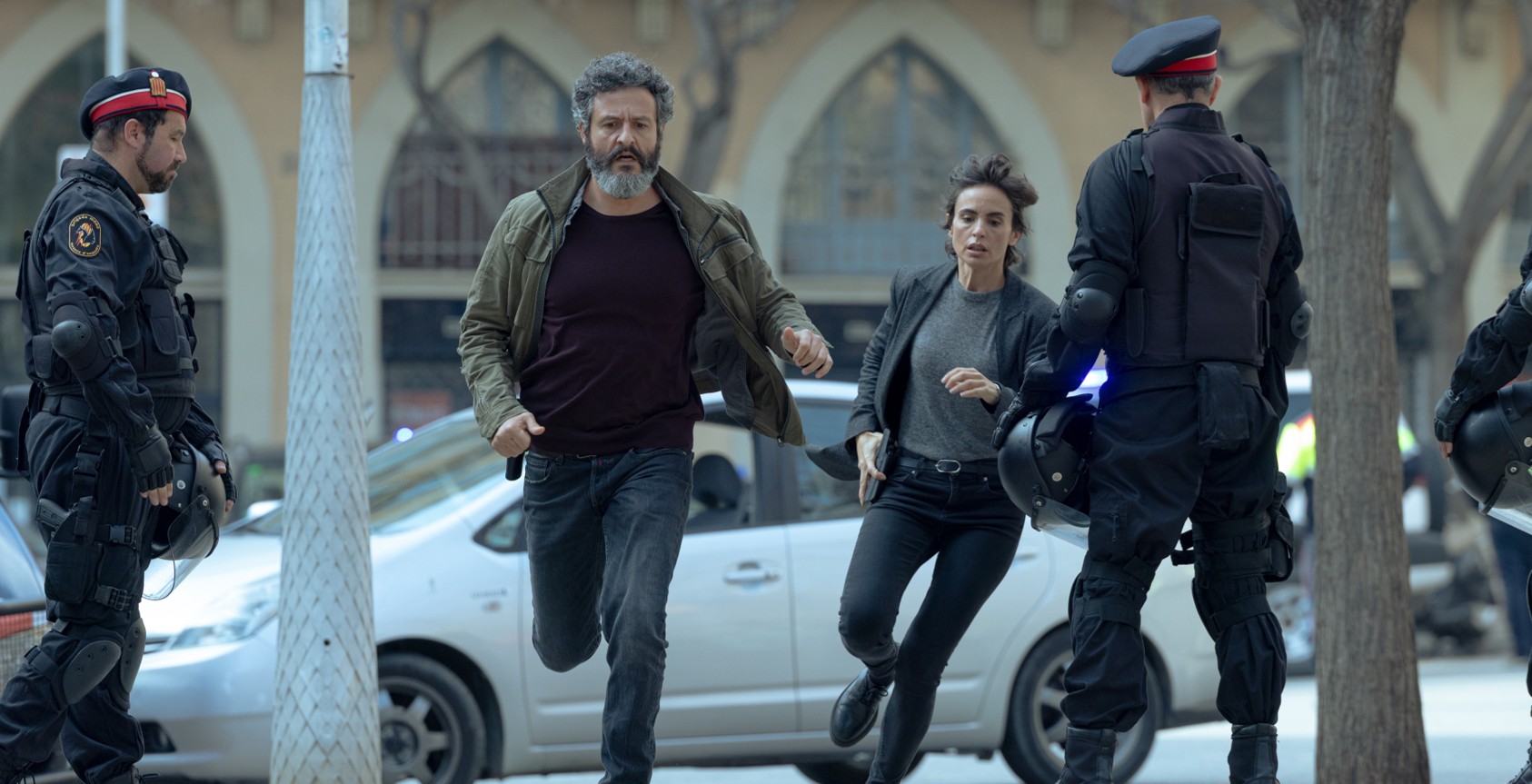
While Rebeca is all set to return to Ebara headquarters, Milo’s professional journey is resurrected by his success with the case. A week after being fired under false grounds by Bastos, Milo is reinstated as a police sergeant. This detail brings the story full circle on many levels, as from his very introduction, Milo is depicted as a man who is truly passionate about his work and the moral good it brings to society. Although his unconventional approach to crime-solving is looked down upon throughout the entire season, even Singla, his arch-nemesis, is forced to acknowledge Milo’s good instincts. Milo’s return to police work also means that his money woes are temporarily resolved, which in turn opens up the possibility of him reconciling with his wife, Irene.
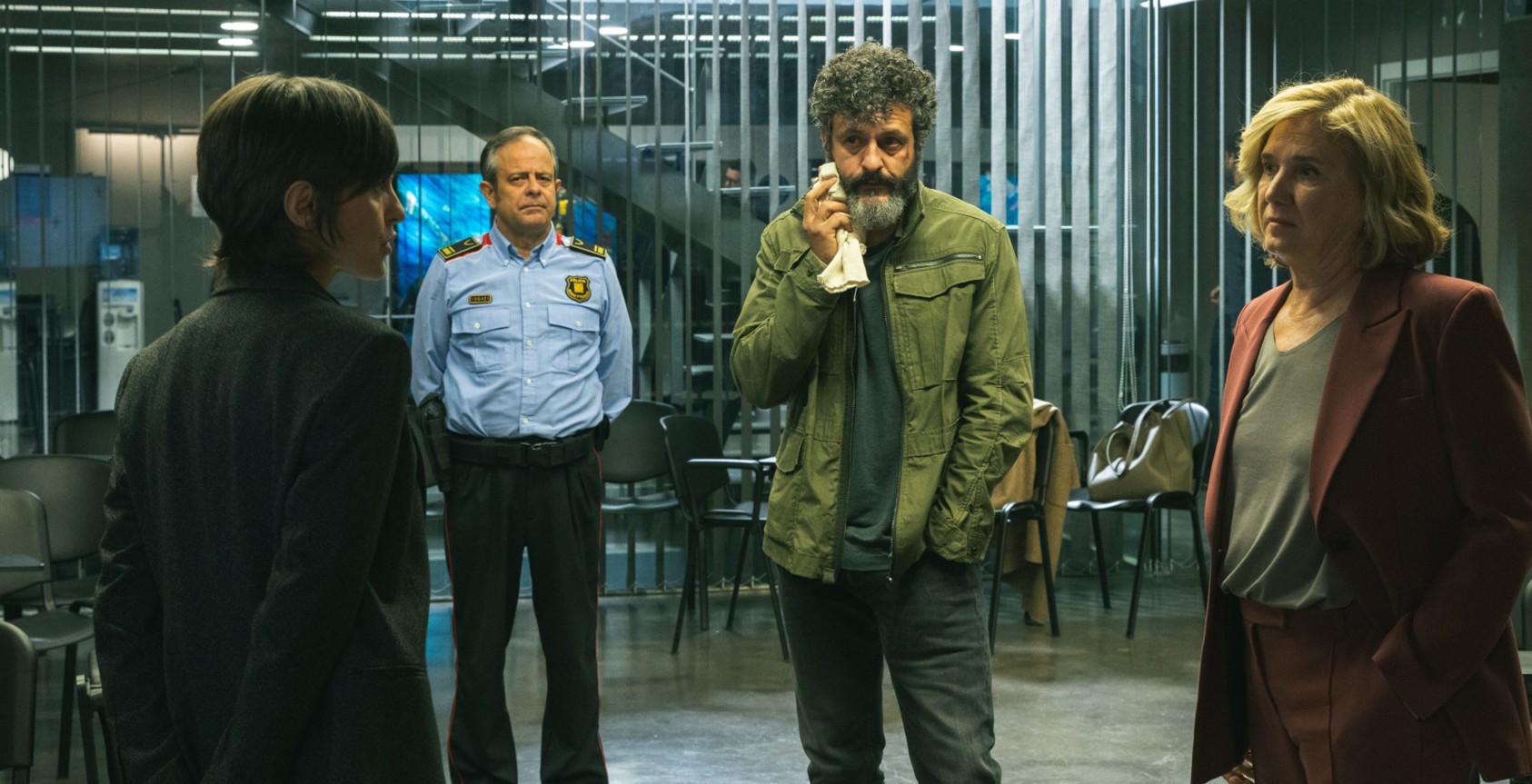
Notably, Milo’s return is not the only overhaul that takes place in the Mossos hierarchy, as we also learn that Bastos is being investigated for his potential ties to sexual predators. Although his connection to the journalist, Mauricio Navarro, is loosely hinted at earlier in the show, this development confirms that Bastos is part of a much wider network of hidden criminals within the system. The same also extends to Bruno Bachs, Milo’s former partner, who is revealed to be the mole who fed Navarro details. Both these characters’ exit from the police force marks the beginning of a much bigger structural revamp, a direct result of the Gaudí’s Shadow incident.
What Happens to Milo’s Brother? Does Hugo Survive?
Milo’s professional highs are contrasted by the personal devastation that hits his family. In the final moments of the season, we learn that his brother, Hugo, has been hospitalized, likely due to a direct result of his alcohol abuse. The last we see of Hugo is him entering the operating theatre, as Milo is joined by Rebeca in the waiting room. Here, the discussion takes a grim turn, as Milo ponders whether to get his brother institutionalised, as that remains one of the few ways to safeguard his well-being. However, this choice comes with its own pitfalls, which call back to Hugo and Milo’s previous encounter in the penultimate episode. Hugo seems to be utterly terrified of being hospitalized, and his brother’s possible decision to greenlight exactly that can easily be a disaster in the making.
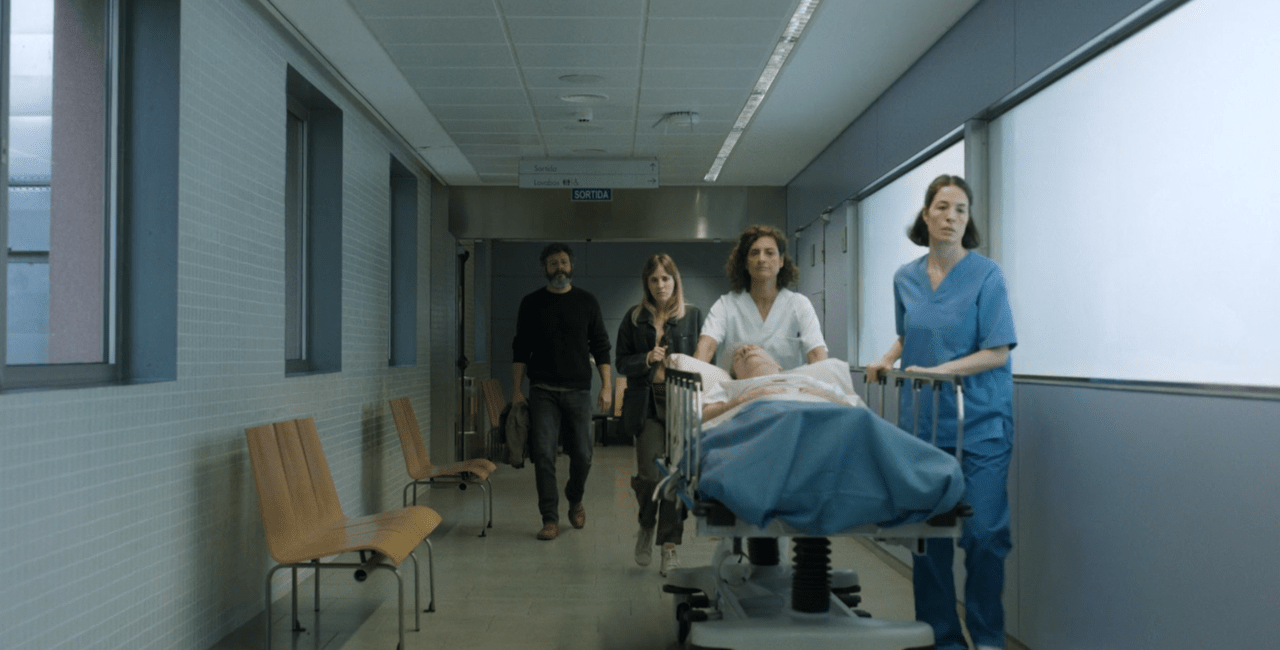
Hugo’s fear of being taken to a medical-care facility is not without reason and draws from the psychological trauma he endured as a child. His and Milo’s father had schizophrenia, and while both of them bear memories of it, Hugo lived through the most sensitive phases. His father’s forced institutionalisation left a permanent scar on his mind, which now manifests in his episodes of psychosis and fear of being permanently hospitalised. Given that Milo is likely the only person in the family who understands what his brother is going through, he is unlikely to repeat the cycle and instead might care for Hugo himself. This can also double as his chance at healing their fractured relationship and finding peace regarding Marc’s death.
Read more: Where is Netflix’s City of Shadows Filmed?

