
 Saagar Kote
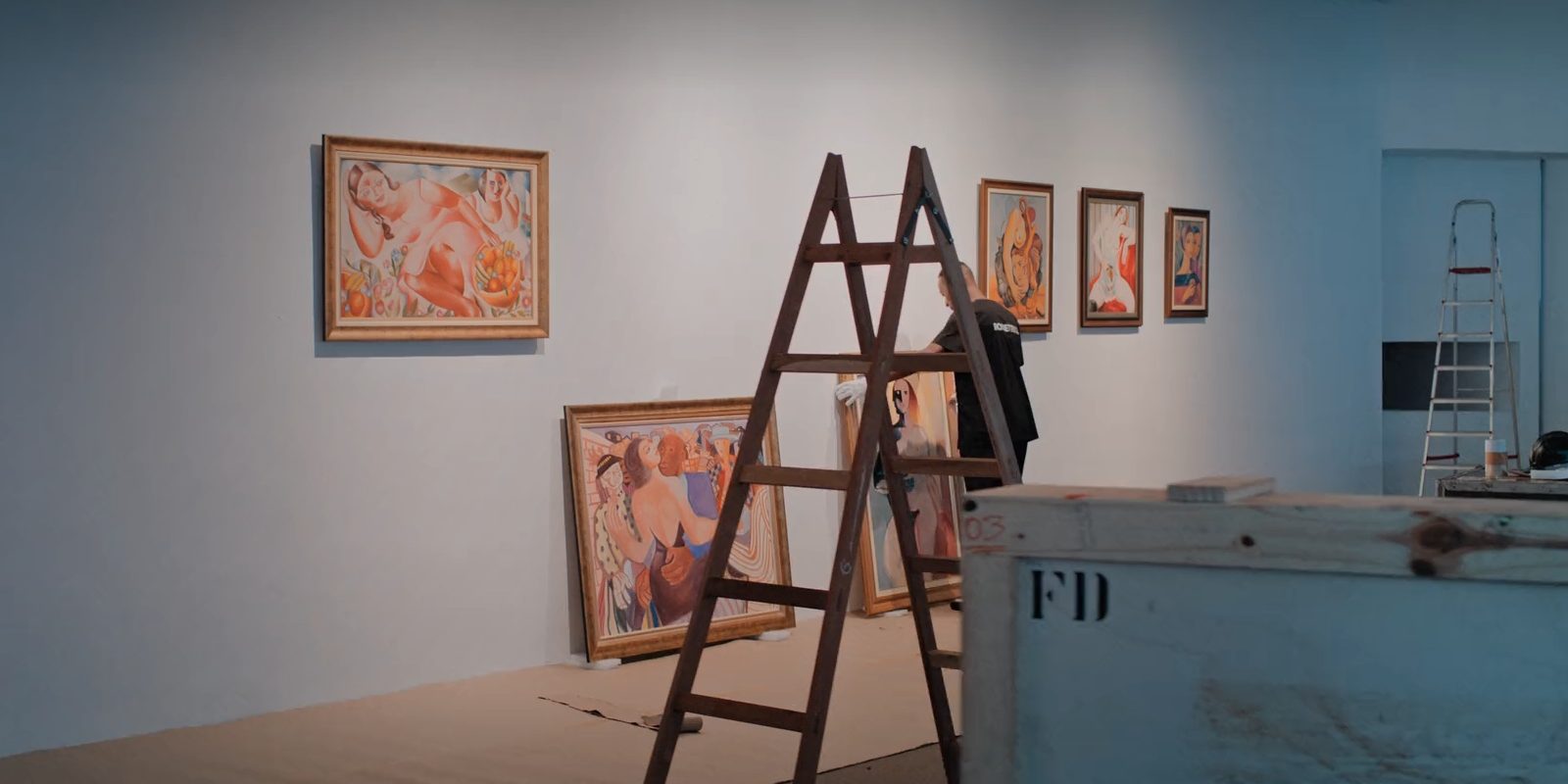
At the center of Netflix’s ‘The Gift of Deceit’ or ‘Dom de Iludir’ is the complicated relationship between Lúcia and her daughter, Maíra. A powerful art collector in Rio de Janeiro, Lúcia is accustomed to having control over her surroundings, including her daughter’s life. However, Maíra grows increasingly frustrated with her mother’s constant interference and longs to become independent. Maíra’s recurring seizures further complicate matters, leaving Lúcia deeply concerned about her health. Despite having access to medical care, Lúcia turns to Carmen, a spiritual healer who assures her that Maíra will recover.
As Carmen gradually becomes involved in their lives, a family of criminals sets an elaborate plan in motion to steal from Lúcia. With Carmen’s true intentions still uncertain, the growing web of deception threatens to change the lives of both mother and daughter. Coleção Rossetti, the art collection business owned by Lúcia, plays a pivotal role in driving the narrative forward. SPOILERS AHEAD.
Coleção Rossetti is a Fictional Art Collection Business Tied to Money Laundering
Coleção Rossetti is an imaginary entity that reflects the connection between the worlds of art and crime in Rio de Janeiro. Although it externally appears to be just an elite art collection owned by the Rossetti family, it successfully hides its money laundering operation. This illegal side of the business is what furthers Lúcia’s wealth, which she uses to keep things around her in control. When Bóris holds Lúcia at gunpoint, she is forced to publicly reveal that her art collection business is indeed a front for money laundering and other financial crimes. This immediately leads to law enforcement intervention, and the cops take away all the valuable paintings from Lúcia’s house. Coleção Rossetti is at the very heart of the story, as it is directly tied to both Lúcia and Maíra’s futures.

The Portinari, one of the most valuable paintings that the art collection displays, becomes a matter of conflict between multiple characters. Bóris, Irina, and their family seek to sell the Portinari after stealing it, but realize that selling it without authentication is not easy. Coleção Rossetti also adds to the realism of the series, as it represents how rare paintings can lead to tremendous economic opportunities and also conflict. In the real world, paintings are often auctioned off at stupendously high prices, and the series twists this reality to narrate a saga of deceit and crime. Through the workings of the Coleção Rossetti, the show also sheds light on how family-owned businesses deal with questions of legacy and profit.
Lúcia’s wealth and her pride are connected to the art collection, making it crucial to the choices she makes. Maíra also understands that the art collection business truly sets her family apart from ordinary ones. According to a 2022 report from the US Department of the Treasury, the high value of individual art transactions, the subjective or potentially manipulated nature of pricing, and the growing use of art as an investment or financial asset all contribute to its vulnerability to money laundering. Thus, the working of Coleção Rossetti in the show is partly informed by how money laundering operations work in the real world.
Read More: The Gift of Deceit Ending Explained

