
 Aahana Swrup
Originally titled ‘Phap Luang Tai,’ the Netflix horror mystery series ‘Delusion’ presents an intriguing story about a murder case that unravels in a superstitious village. The story revolves around Wan, who is looking down the barrel of a messy divorce. However, in the middle of worrying about her son’s custody, she learns that her father, Narong, has been diagnosed with dementia. His unstable condition, paired with the recent death of a local boy, has painted the older man as the prime suspect in the ongoing murder investigation.
The other villagers believe that the spirit of Phii Pong has possessed Narong and is using him to carry out the killings. Yet, the officer on the case, Pete, a new transfer from the city, doesn’t believe in such legends. As a result, he sets out on an investigation that promises to unravel the village’s dark secrets. The Thai show finds a grounded connection to reality through its exploration of superstitions and their harmful impact alongside universal themes of family.
Delusion is a Fictional Story With Connections to Real Thai Folklore
The story explored in ‘Delusion’ is entirely a work of fiction and sports no tangible basis in real life. Even so, the series maintains a unique connection with reality. The central plotline revolves around the idea of a ghostly spirit, Phii Pong, that is haunting a small village and its residents. Even before the police investigation begins, the people have decided that the real culprit behind the crime is a ghost. To them, the only question that remains is whether or not this spirit is possessing Narong. While the village and its residents themselves are works of fiction, the same doesn’t extend to the folklore surrounding the haunting spirit.
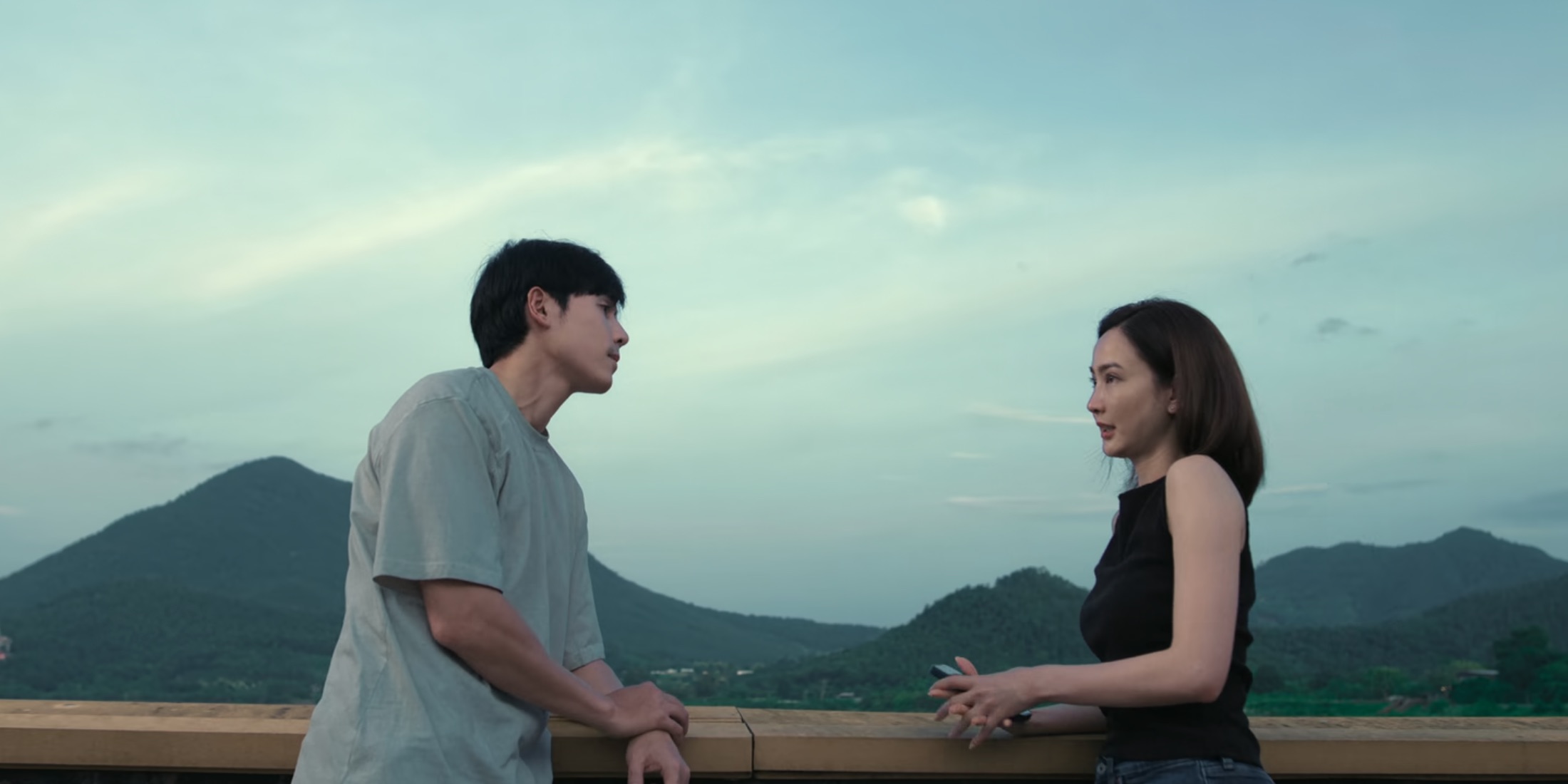
Phii Pong is an idea that exists in real Thai folklore as Phi Phong, a ghost born of black magic. The folktale has many variations, but the spirit reportedly stems from a magical herb known as wan. Once the ghost, which can spread like a contagion, takes over a host, it is believed to manifest at night. Although it is said to avoid humans, they can still incur its wrath. Once targeted by the spirit, the widow’s bamboo or banana leaves appear near one’s home as harbingers of misfortune, illness, and even death.
In the show, Phii Pong is presented as a version of the real idea of Phi Phong, which is unique to the Narong’s village of Nasao. As a result, while the foundational idea remains the same as the one found in real Thai folklore, the details of the spirit’s haunting are altered. Furthermore, instead of charting a paranormal story, ‘Delusion’ opts for a psychological thriller approach to the concept. As a result, the Phii Pong becomes a vessel to explore wider themes of small town legends, superstition, and their potential for damage. Consequently, the show’s connection to reality becomes twofold despite the fictionality of its characters and their storylines.
Delusion Explores Themes of Superstitions and Their Potential For Exploitation
In ‘Delusion,’ the spirit of Phii Pong and its perceived haunting of a small village serve as a jumping-off point for delving into overarching themes of superstition. Paranormal stories, urban legends, and subsequent superstitions have been part of most cultures throughout human history. Yet, despite its universal prevalence, there’s a dark side to the phenomenon. Superstitions, much like ghost stories, tend to be based on fear, speculation, and misinformation. Since it has no connection to facts or hard-won truths, overt reliance or belief in such folklore can become a herald of fear, anxiety, and avoidance of important topics.
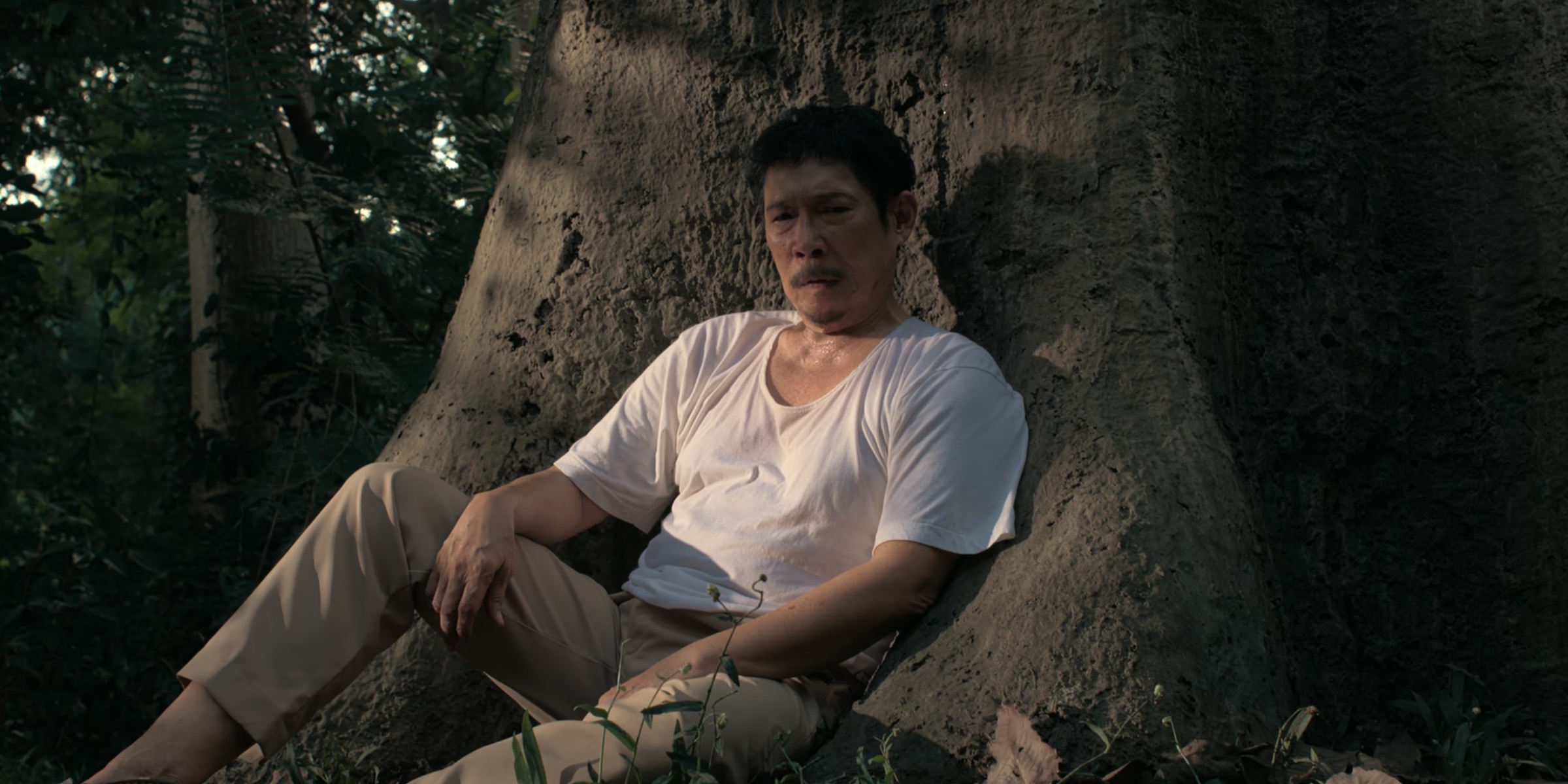
In the story, the same happens on a large scale as superstition decides the people’s verdict over something as serious as murder cases. As such, a mass delusion takes over the population, overtaking everyone’s better judgment and clouding over the need for logic and reason. This turns the villagers compliant and scared, making them vulnerable to exploitation. This narrative framework isn’t based on any real criminal cases where paranormal superstitions were allowed to blanket over real murders. Yet, the idea itself builds upon a universal experience and phenomenon, allowing the storyline to resonate with the viewers. Ultimately, these factors play a huge role in adding a sense of realism to the otherwise fictitious series.
Read More: Delusion Ending Explained: Who is Behind the Phii Pong Murders?

