
 Saagar Kote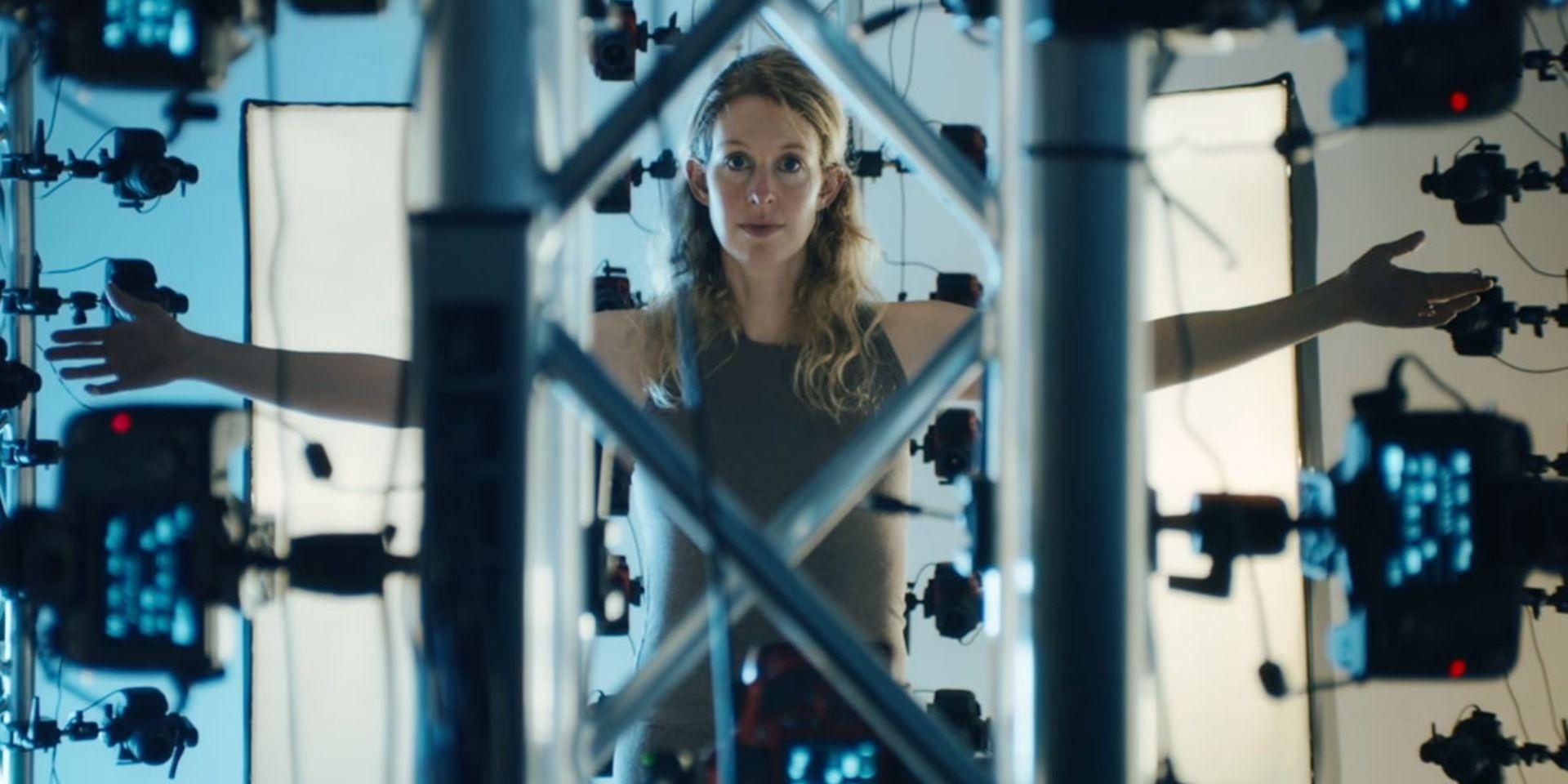
Directed by Nathan Fielder and Lance Oppenheim, ‘You Can See Everything’ is a documentary that follows Elizabeth Holmes, the disgraced founder of Theranos, as she prepares to begin her prison sentence for defrauding investors. In 2023, just 34 days before her incarceration, Holmes invites Fielder and his film crew to document her life with her partner, Billy Evans, at a rented beach house. Hoping to change public perceptions of her, Holmes allows the filmmakers unusual access to her daily life during the final weeks before prison. However, what begins as an intimate look at the former businesswoman and her attempts to rebuild her image gradually develops into a much longer investigation. As Fielder observes Holmes and Evans, their apparent willingness to reveal everything raises questions about how much of their lives they are truly prepared to share.
The project eventually stretches across three years, turning the filmmakers’ access to the couple into an increasingly unsettling experience. What initially appears to be a straightforward portrait of an entrepreneur becomes a complex exploration of transparency, reputation, and the difficulty of understanding what lies beneath a carefully presented public image. The documentaries in this list, similar to ‘You Can See Everything,’ provide insight into unsettling and shocking stories that will challenge your perceptions.
8. Going Clear: Scientology & the Prison of Belief (2015)
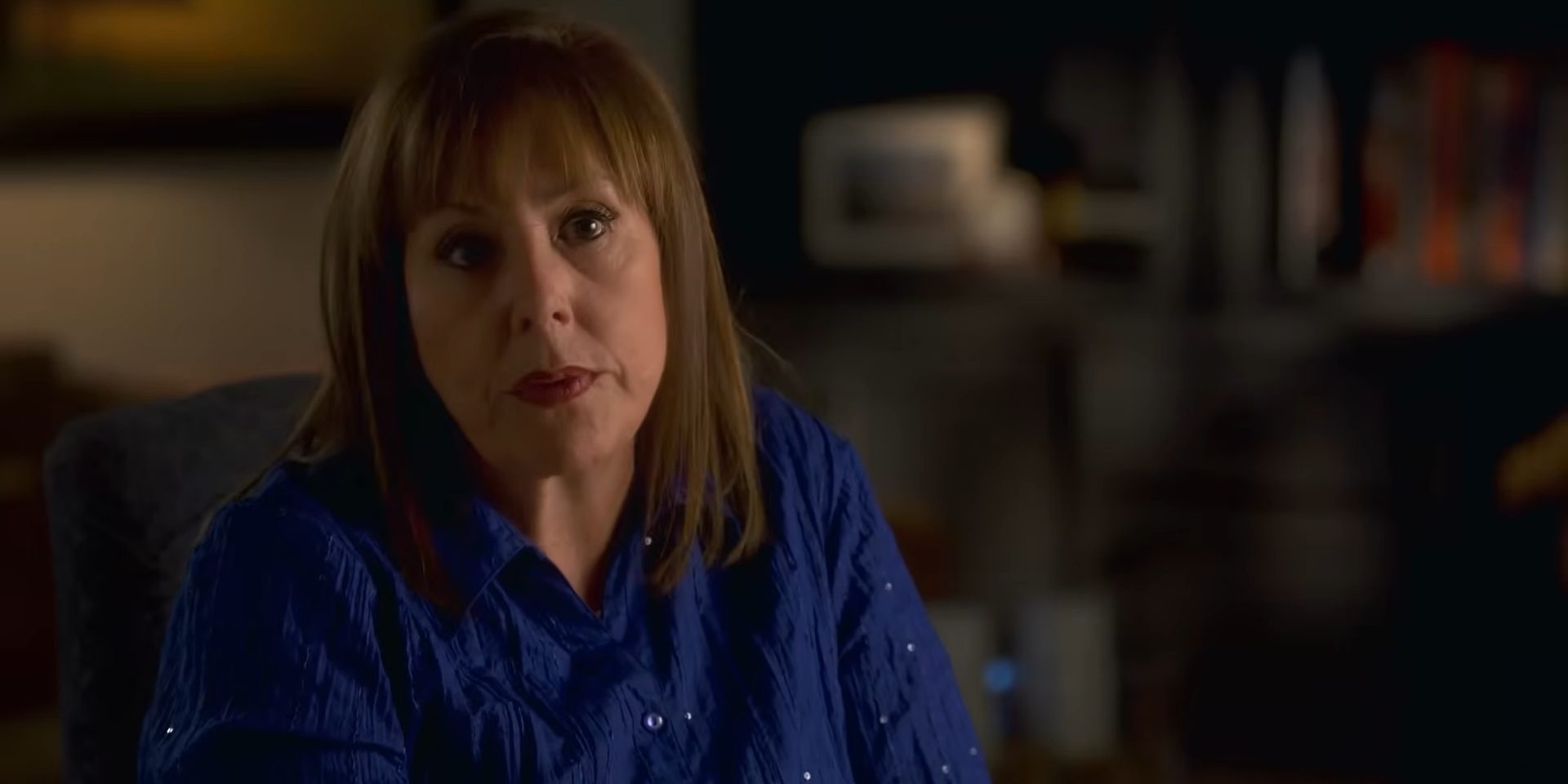
Helmed by Alex Gibney, ‘Going Clear: Scientology & the Prison of Belief’ is based on Lawrence Wright’s book of the same name. Through archival footage, dramatic recreations, and interviews with eight former Scientologists, the film examines the organization’s history and the experiences of its former members. The interviewees include filmmaker Paul Haggis, former senior executives Mark Rathbun and Mike Rinder, and actor Jason Beghe. The documentary traces how people join Scientology before exploring its founder, L. Ron Hubbard, and allegations of abuse and misconduct within its leadership.
It also examines the influence of celebrity members, including John Travolta and Tom Cruise, contrasting their public statements with accounts shared by former members. The narrative investigates the gap between Scientology’s public image and the experiences described by its critics. ‘Going Clear: Scientology & the Prison of Belief’ and ‘You Can See Everything’ feature people whose public identities are challenged by the stories surrounding them. The films examine reputation, power, and the difficulty of establishing what lies beneath a carefully managed public image.
7. The King of Kong: A Fistful of Quarters (2007)

‘The King of Kong: A Fistful of Quarters’ follows Steve Wiebe as he attempts to take the “Donkey Kong” high-score record from longtime record holder Billy Mitchell. After losing his job, Wiebe takes up the classic arcade game and eventually surpasses the score Mitchell set in the early 1980s. However, Mitchell challenges the achievement by submitting a videotape of himself recording a new high score. Their rivalry draws the attention of competitive gamers and record enthusiasts, including Walter Day, a prominent figure in competitive arcade gaming. Determined to establish himself as the game’s top player, Wiebe travels to Florida in hopes of facing Mitchell in competition.
As both men pursue recognition in the gaming world, their battle becomes a contest over records, reputation, and the title of the ultimate “Donkey Kong” champion. Penned and brought to life by Seth Gordon, the film examines reputation and credibility, akin to ‘You Can See Everything.’ Mitchell challenges Wiebe’s achievement by submitting a videotape of his own score, while the filmmakers’ access to Holmes raises questions about how much of her public image reflects what she is willing to reveal.
6. Fyre: The Greatest Party That Never Happened (2019)
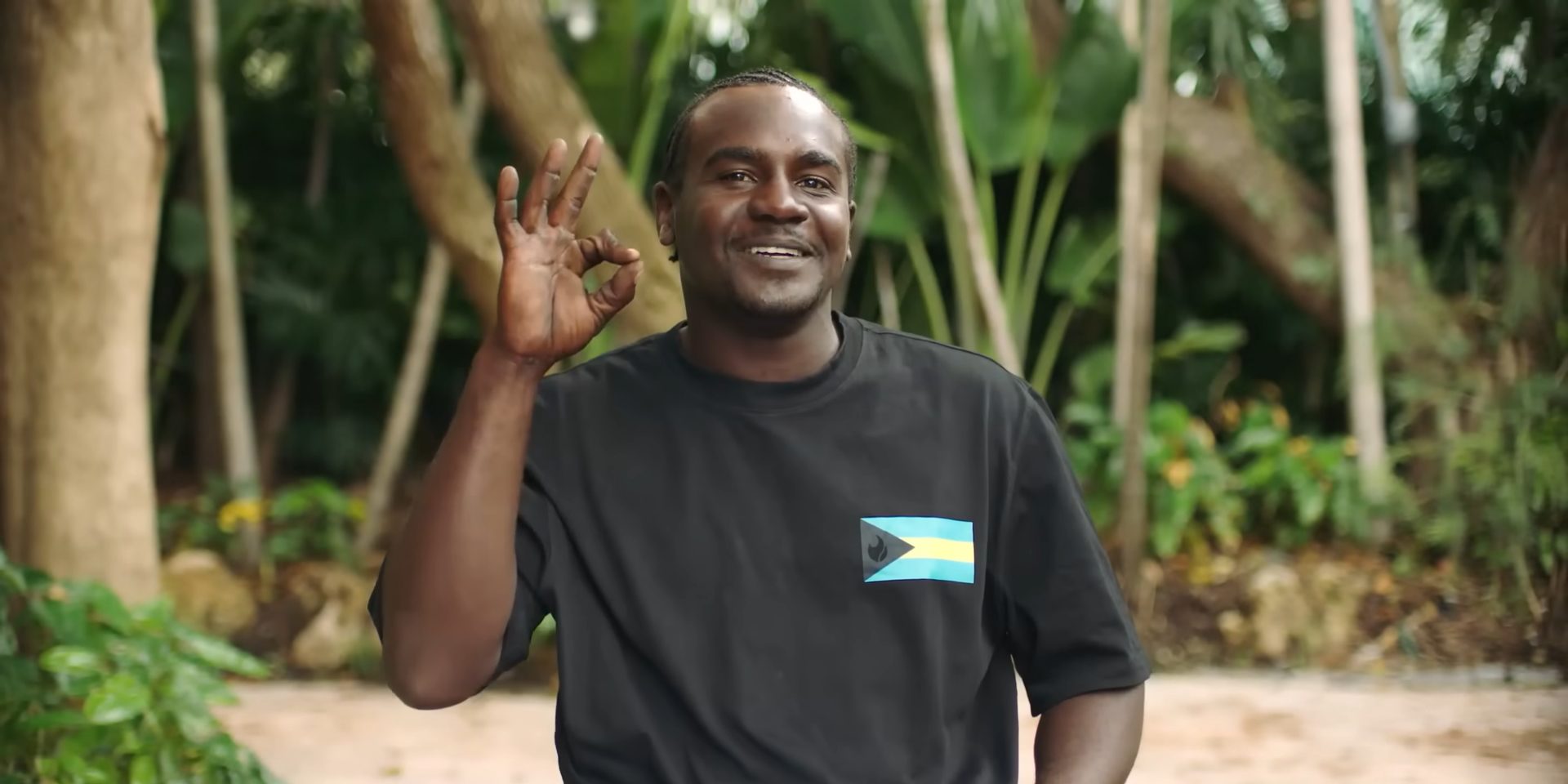
With Chris Smith serving as director, ‘Fyre: The Greatest Party That Never Happened’ examines entrepreneur Billy McFarland’s ambitious plan to launch a booking app alongside rapper Ja Rule. To promote the service, McFarland organizes an extravagant music festival in the Bahamas, using promotional videos featuring famous models and celebrity endorsements to attract wealthy attendees. Though the event quickly sells out and preparations continue, repeated setbacks expose the growing gap between the luxurious experience promised to guests and what organizers can actually deliver.
When the festival finally arrives, the plans collapse into a massive failure. Through interviews with people who worked to make the event happen, including unpaid Bahamian workers, the documentary reveals the financial losses and broken promises left in its wake. Billy McFarland in ‘Fyre: The Greatest Party That Never Happened’ and Elizabeth Holmes in ‘You Can See Everything’ are both central figures whose public images become a major part of their stories. Both documentaries explore the gap between what people are shown and what lies behind the presentation.
5. Icarus (2017)

‘Icarus’ begins with the film’s director, Bryan Fogel, investigating whether athletes can easily evade doping tests. An amateur cyclist himself, Fogel decides to take performance-enhancing substances and track their effects on his cycling performance, hoping to demonstrate that doping can go undetected. His experiment leads him to Grigory Rodchenkov, the head of Russia’s anti-doping laboratory, whose involvement changes the project’s direction.
What begins as a personal investigation develops into a much larger inquiry into allegations of a widespread doping program in Russia. When disturbing revelations emerge, Fogel finds himself documenting a major scandal that reaches far beyond individual athletes, exposing the complex relationship between sports, drugs, and institutional accountability. ‘Icarus’ and ‘You Can See Everything’ intricately examine the challenges of documenting controversial subjects and understanding the systems surrounding them.
4. My Scientology Movie (2015)
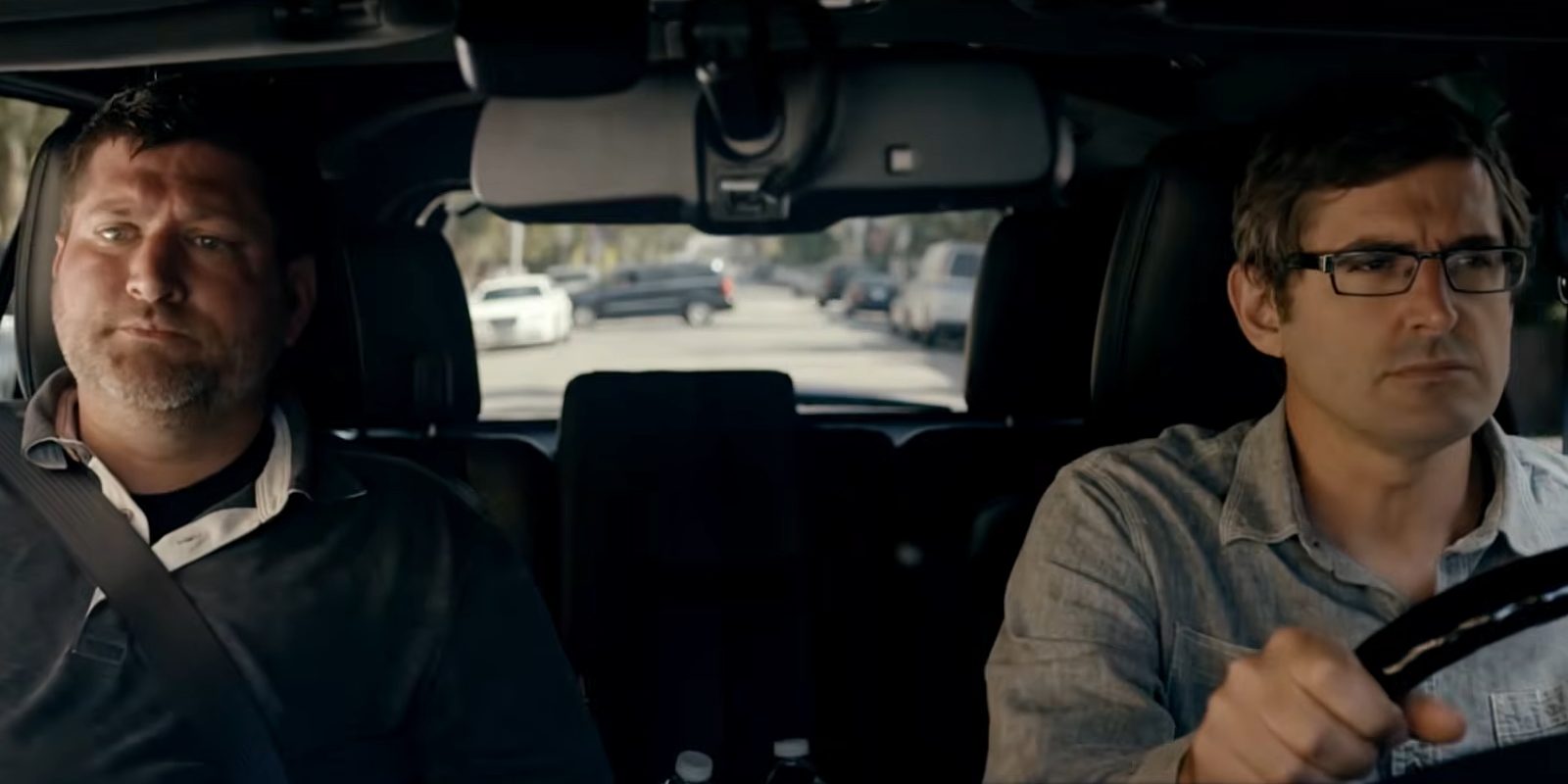
‘My Scientology Movie’ delves into the experiences of Louis Theroux as he investigates the Church of Scientology after the organization refuses to cooperate with his project. Working with former senior church official Mark Rathbun, Theroux stages dramatic recreations of incidents described by Rathbun and other former members, focusing on allegations of violence involving church leader David Miscavige at the secretive Gold Base facility in California. When Theroux visits the site, the church places his crew under surveillance, leading to tense confrontations with church representatives. Theroux eventually questions Rathbun about his past involvement in the organization’s activities, and tensions develop between them.
The British film, brought to life by John Dower, combines investigative reporting with unconventional reenactments to examine Scientology’s secretive inner workings. Theroux’s collaboration with Rathbun becomes strained as he questions the former official’s own involvement in Scientology, while ‘You Can See Everything’ raises questions about how much Holmes and Billy Evans are genuinely willing to reveal to the filmmakers.
3. The Imposter (2012)
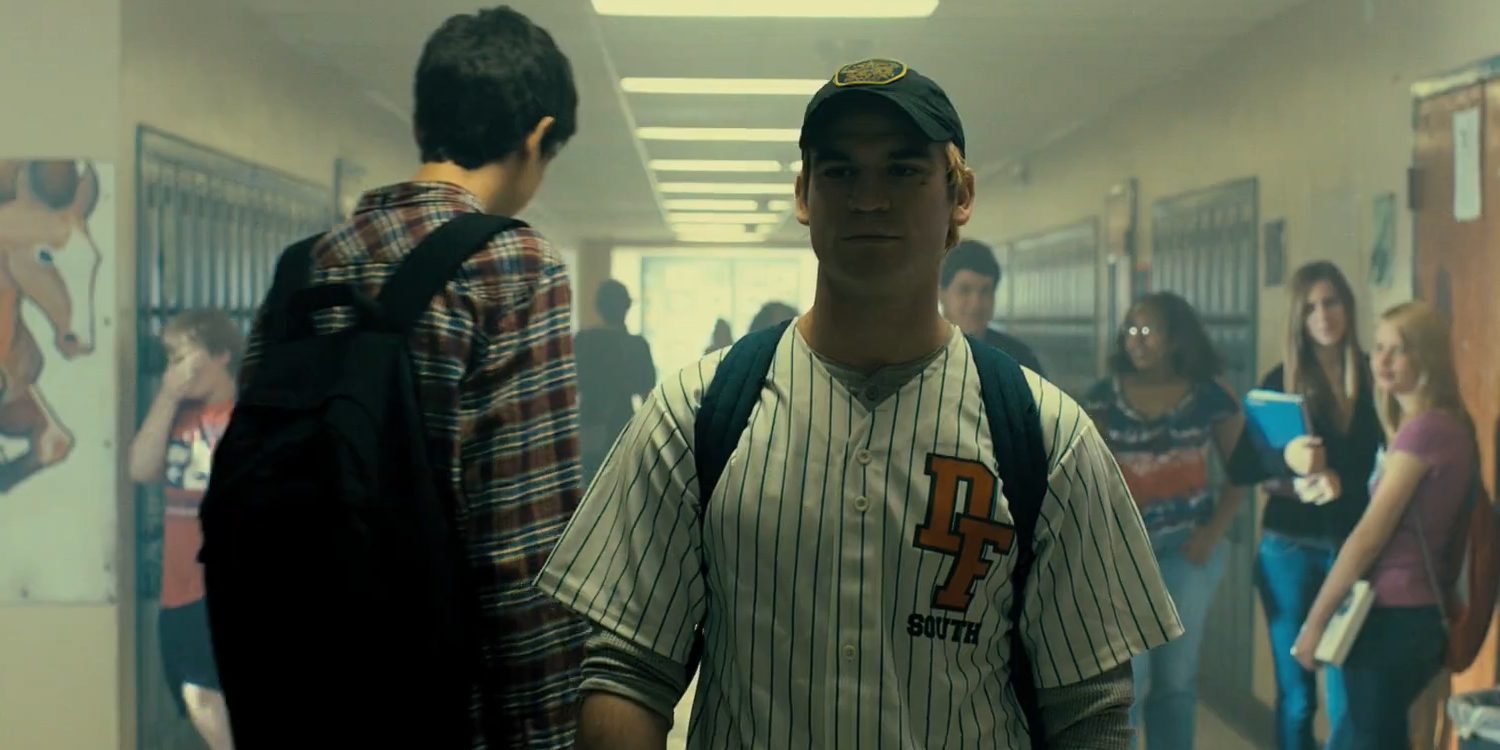
Crafted under Bart Layton’s direction, ‘The Imposter’ examines the case of Frédéric Bourdin, a French con artist who impersonated Nicholas Patrick Barclay, a Texas boy who disappeared at the age of 13 in 1994. Three and a half years after Nicholas vanishes, Bourdin claims to be the missing teenager and returns to the US, telling the family that he was kidnapped and tortured. Despite differences in appearance and other inconsistencies, the family welcomes him home.
Through interviews with Bourdin and members of the Barclay family, archival news footage, and dramatic reenactments, the film reconstructs how the deception unfolded and explores how a grieving family could accept a stranger as their missing child. Both ‘The Imposter’ and ‘You Can See Everything’ follow controversial individuals whose public identities raise questions about truth and deception. Frédéric Bourdin builds his story around impersonating a missing boy, while Elizabeth Holmes faces scrutiny over her past as the disgraced founder of Theranos.
2. The Armstrong Lie (2013)
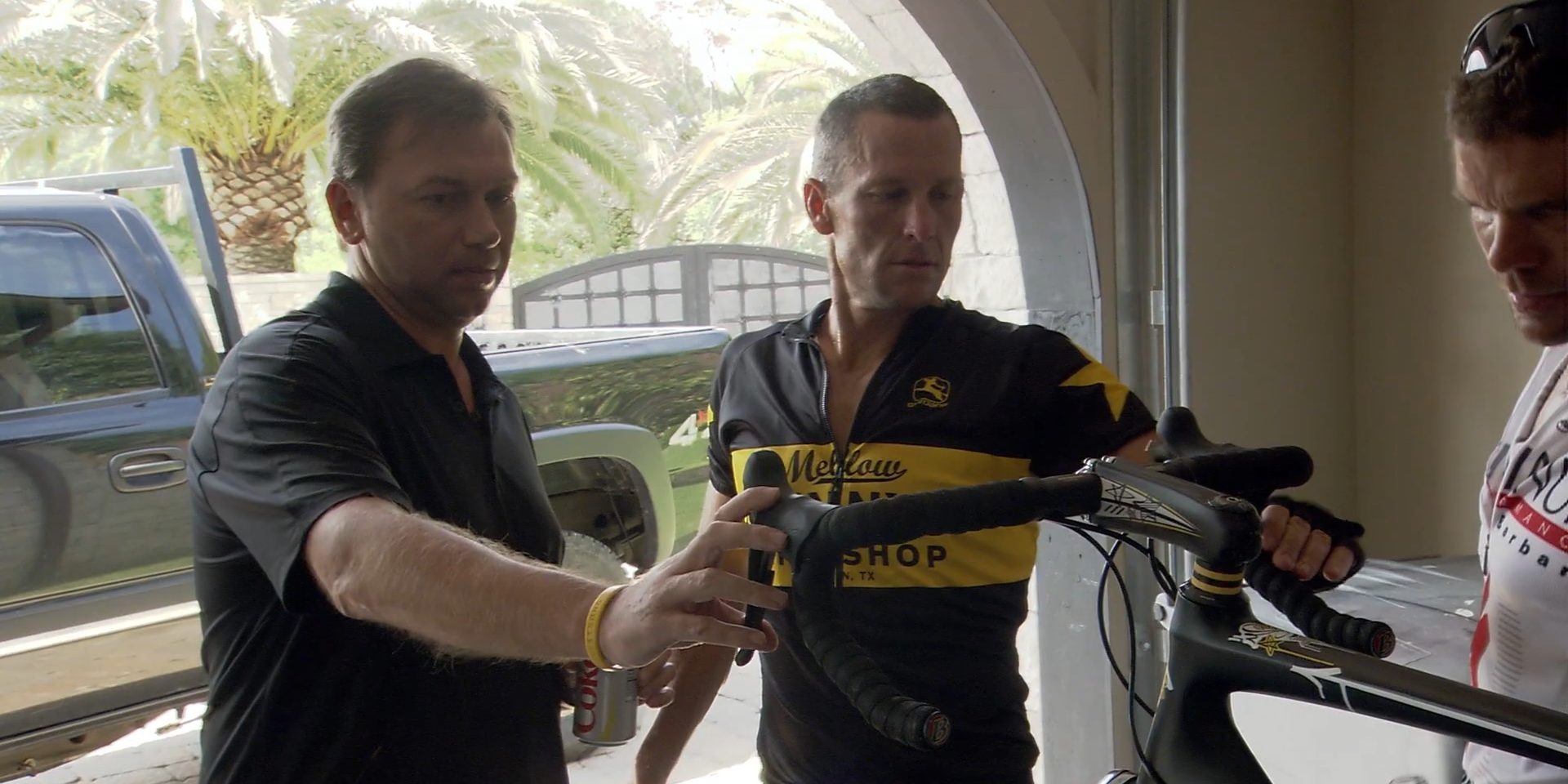
‘The Armstrong Lie’ is director Alex Gibney’s film that chronicles Lance Armstrong’s comeback to competitive racing and the doping scandal that ultimately damaged his career. Initially developed under a different name, the documentary begins in 2009 as a portrait of Armstrong’s return to the sport after four years away. However, subsequent doping allegations and investigations complicate things, forcing Gibney to change the project’s focus. Armstrong received a lifetime ban and lost his seven Tour de France titles in 2012. The following year, after publicly admitting to doping during an interview with Oprah Winfrey, he spoke with Gibney about his career and attempted to set the record straight.
The film examines Armstrong’s comeback, his admission of systematic doping, and the shocking downward spiral of his career and life. Lance Armstrong in ‘The Armstrong Lie’ and Elizabeth Holmes in ‘You Can See Everything’ are both public figures whose reputations become central to their identities. Armstrong faces renewed scrutiny over doping allegations, while Holmes is followed as she prepares to begin her prison sentence for defrauding investors.
1. The Inventor: Out for Blood in Silicon Valley (2019)

Directed by Alex Gibney, ‘The Inventor: Out for Blood in Silicon Valley’ examines the rise and fall of Theranos, the blood-testing company founded by Elizabeth Holmes. Once celebrated as a groundbreaking entrepreneur, Holmes attracts wealthy investors with promises that her technology will transform medical testing. However, her focus on promotion and secrecy overshadows concerns about the product’s actual capabilities. Holmes and company executive Sunny Balwani foster a culture that discourages criticism, even as medical experts question the technology. Journalist John Carreyrou’s investigation eventually challenges the claims surrounding Theranos’s blood-testing devices. Holmes fights back through legal action, but the company dissolves in 2018.
Through footage of Holmes and Balwani promoting their work, the narrative explores the fraud allegations and the events behind Theranos’s dramatic downfall. Elizabeth Holmes is central to both ‘The Inventor: Out for Blood in Silicon Valley’ and ‘You Can See Everything,’ which examine her public image and the controversy surrounding her. The documentaries also explore the gap between public image and underlying reality.

