
 Aahana Swrup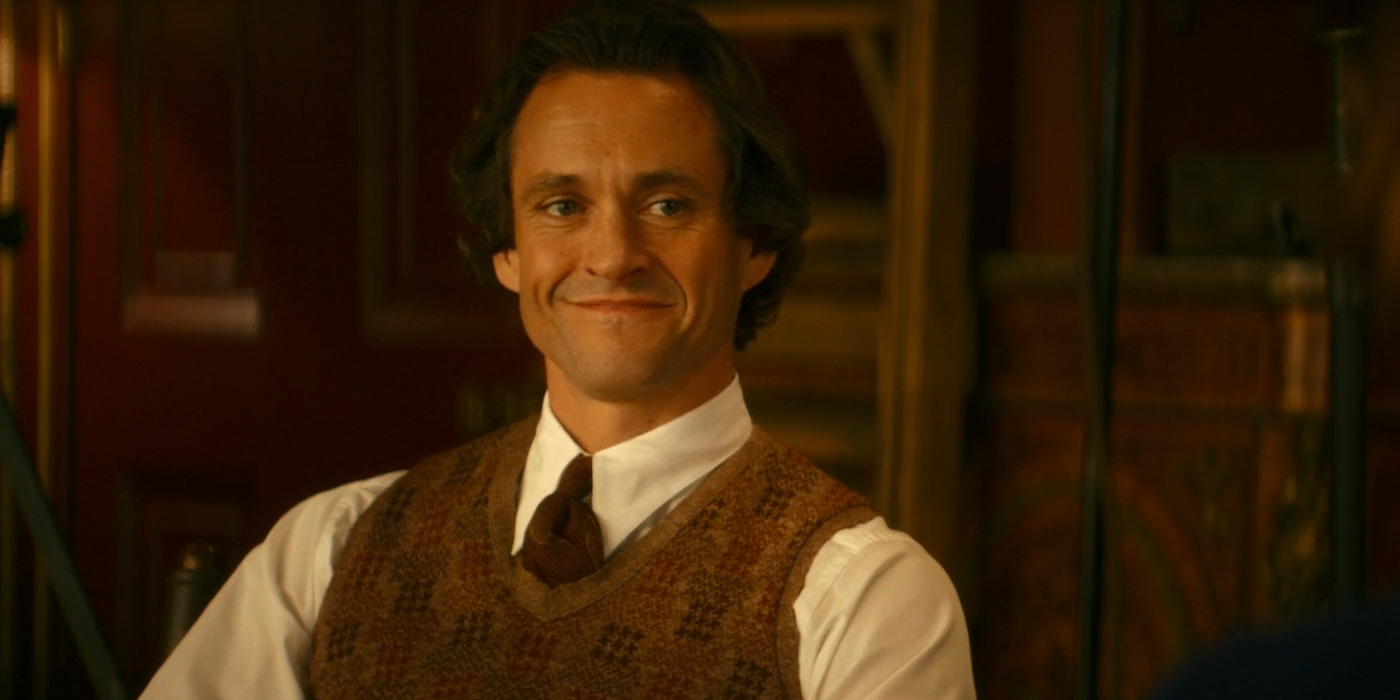
In ‘Downton Abbey: A New Era,’ a number of new faces step into the lives of the Crawley family. The sequel film finds the house splitting into two adventures as news of the Dowager Countess, Violet’s new inheritance of a French villa, arrives on the heels of a request revolving around the filming of a Hollywood movie. As a result, the Earl of Grantham, Robert, ends up undertaking the voyage to investigate the matter of the villa and the late Marquis’s motivations behind leaving the property to his mother. On the other hand, Lady Mary Talbot takes on the responsibility of opening up the doors of Downton to an exciting new venture: filmmaking. This introduces director Jack Barber, who is eager to shoot parts of his film “The Gambler” at the estate into the narrative. The filmmaker becomes an integral part of Mary’s storyline, as he brings with him the modernity of the changing times, offering an escapade or two to the Lady.
Jack Barber is a Fictional Filmmaker Whose Characterization Reflects the 1920s Period Setting
A largely fictitious tale about an aristocratic family, the ‘Downton Abbey’ franchise is a composite of various fictionalized elements. As a result, Jack Barber, the filmmaker who joins the tale in ‘Downton Abbey: A New Era,’ occupies a similar space of fictionality. The director isn’t based on any real-life individuals from Hollywood’s history. Even so, the character showcases a set reality of the profession, especially in the transformative era of the 1920s. One of the central plot lines surrounding Barber’s character stems from the shifting tides of time that force the filmmaker to turn his silent movie, “The Gambler,” into a Talkie during the filming process. As a result, the narrative surrounding the character turns into an exploration of the multifaceted nature of the job of a director, particularly in relation to the historical time period.
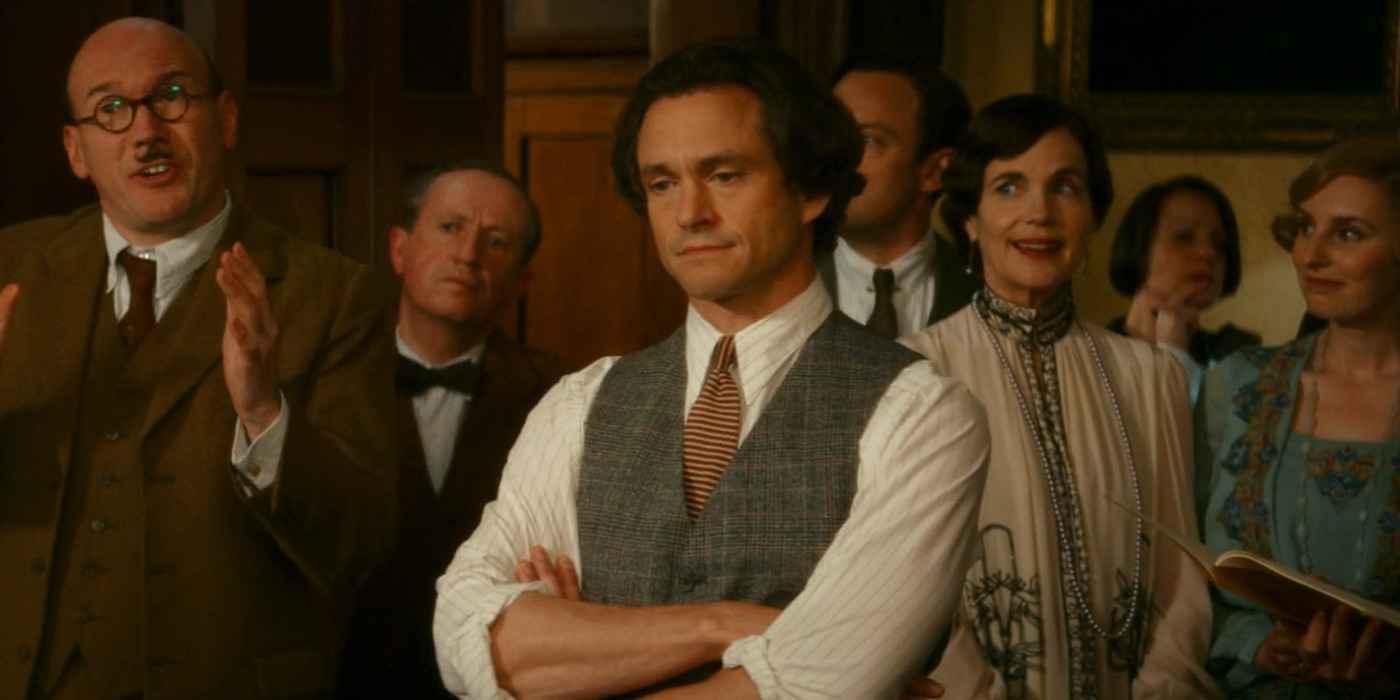
In a conversation with W Magazine, the actor behind the character, Hugh Dancy, spoke about the on-screen filmmaker. He said, “What I liked about Jack (Barber) was that…I think it’s probably true of people making movies at that time that they had to move really fast on their feet. They worked all the time. They made multiple films a year, and they were entrepreneurs, artists, cameramen—they were doing all of it. They were hustlers in a way, except without the sense of cheating anybody necessarily. It’s still a bit like that, but I think in those days, more could be done by just one person.” Consequently, much like numerous other characters from the franchise, Jack Barber also finds authenticity through his storytelling, despite his otherwise fictitious roots.
The Gambler Showcases the Period of Transition From Silent Films to Talkies
Much like the filmmaker behind the film, “The Gambler” from ‘Downton Abbey: A New Era’ is also a work of fiction. In real life, fans may be able to find similarly titled movies, such as the 2014 Rupert Wyatt directorial, ‘The Gambler,’ starring Mark Wahlberg. Nonetheless, this film, nor any other identically titled projects, has any direct connections to Jack Barber’s fictional film. Yet, even though The Gambler is not based on any cinematic endeavors from real life, it instills a sense of realism in the story. The ‘Downton Abbey’ sequel film takes place in the year 1928. In real life, by the late 1920s, the cinematic transition between silent films and talkies was well underway.
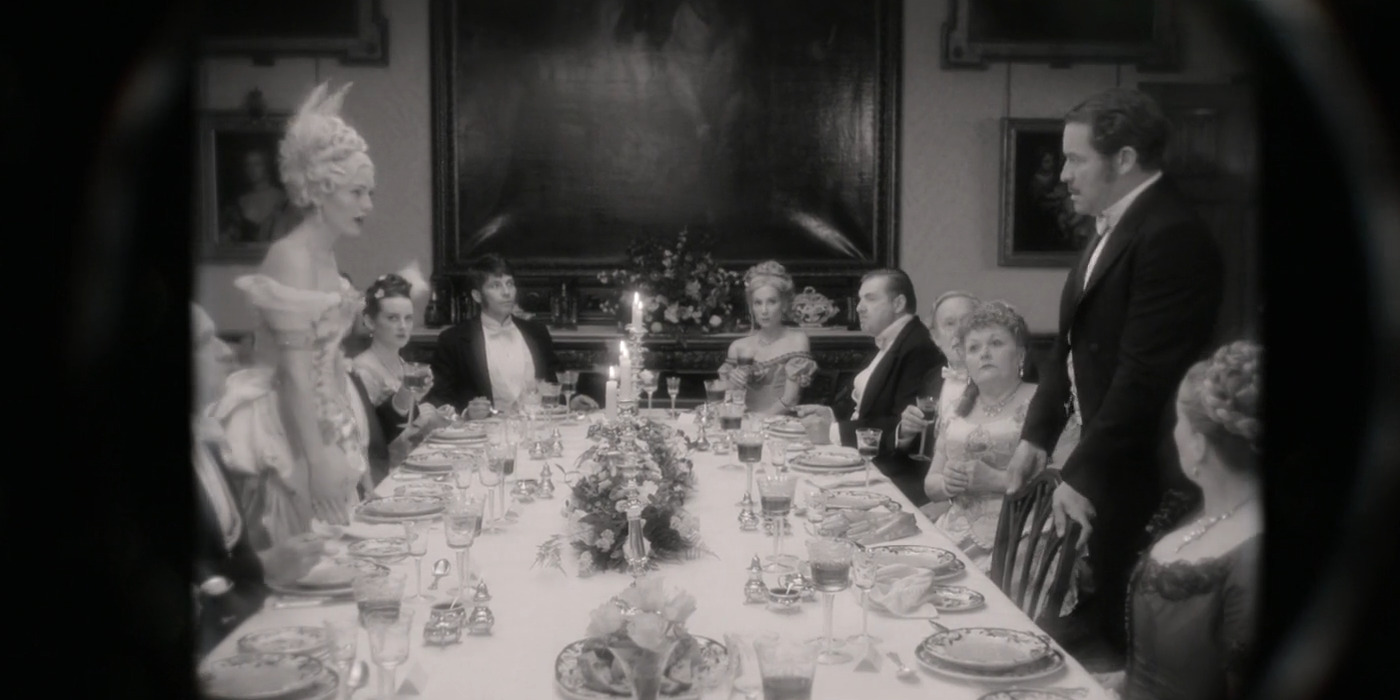
Films like the 1926 ‘Don Juan’ and 1927’s ‘The Jazz Singer,’ which are mentioned through Babrer’s on-screen storyline, were some of the notable new films that spearheaded the wave of Talkies in pop culture. Naturally, this significant shift resulted in massive on-set changes for filmmakers and the overall art of filmmaking. From the demands made of actors and their craft to the camera angles and layouts that the directors had to take into account, several new changes had to be made. Additionally, for the first time, filming sets also had to be soundproofed in various ways to ensure that sound-recording and synchronization processes were running smoothly. In ‘Downton Abbey: A New Era,’ all of these changes are seen on the set of The Gambler. Thus, even though the movie itself is fictional, it adds an authentic touch to the overall narrative.
Read More: Are Dr. Friedrich Ritter and Dore Strauch Based on Real People? What Happened to Them?

