
 Aahana Swrup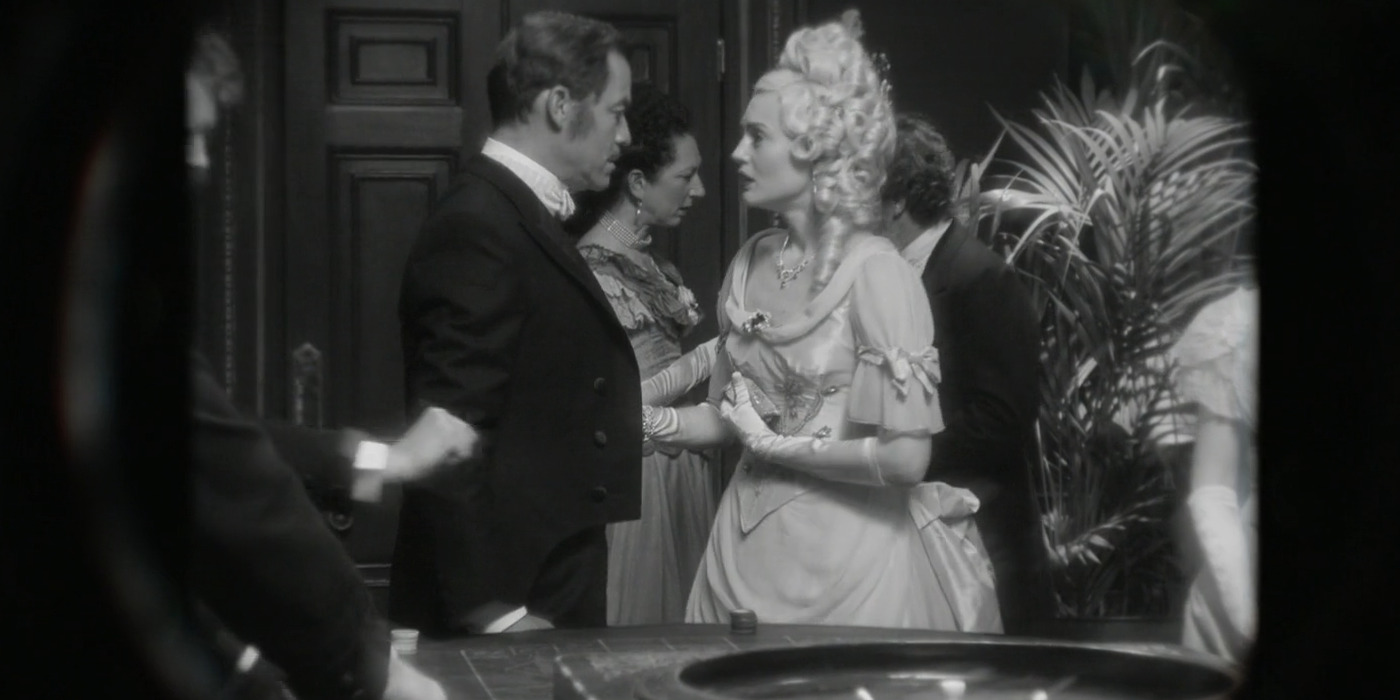
‘Downton Abbey: A New Era,’ set in the transformative time of the late 1920s, brings a whole new, yet unexplored world to the Yorkshire estate. The film finds the eldest Crawley daughter, Lady Mary Talbot, preparing herself for a new adventure as the estate considers a Hollywood director’s offer. Filmmaker Jack Barber wants to shoot part of his film, “The Gambler,” at Downton, and his Studio is willing to pay handsomely for it. In turn, the estate can use these funds for its own repair functions. As a result, a deal is struck, and soon enough, a myriad of film people arrive at Donwton. Among them are the movie’s stars, actress Myrna Dalgleish and actor Guy Dexter. The duo’s narratives entangle unexpectedly with that of the estate’s staff detailing. At the same time, both characters’ respective personal storylines find grounded connections to their jobs as cinema actors at a time of notable technical transformation in the industry.
Myrna Dalgleish’s Fictional Storyline Highlights the Reality of Film Actors in the Late 1920s
Myrna Dalgleish, similar to most of the other storytelling elements in the ‘Downton Abbey’ franchise, is a work of fiction. Even so, her character occupies a realistic narrative in ‘Downton Abbey: A New Era,’ particularly in terms of her profession as an actor. In the film, Myrna enters the story as a popular diva actress who doesn’t concern herself with most areas of polite decorum. Nonetheless, a lot of her glamor begins to wear off once Barber receives news that he must change his silent film into a Talkie in order to go through with its production. This poses a grave concern for his lead actors, specifically Myrna, who boasts a Cockney accent, which isn’t considered desirable according to industry standards. For the same reason, Barber decides to dub Myrna in the film, equipping Lady Mary Talbot as the voice for her character in the talking film.
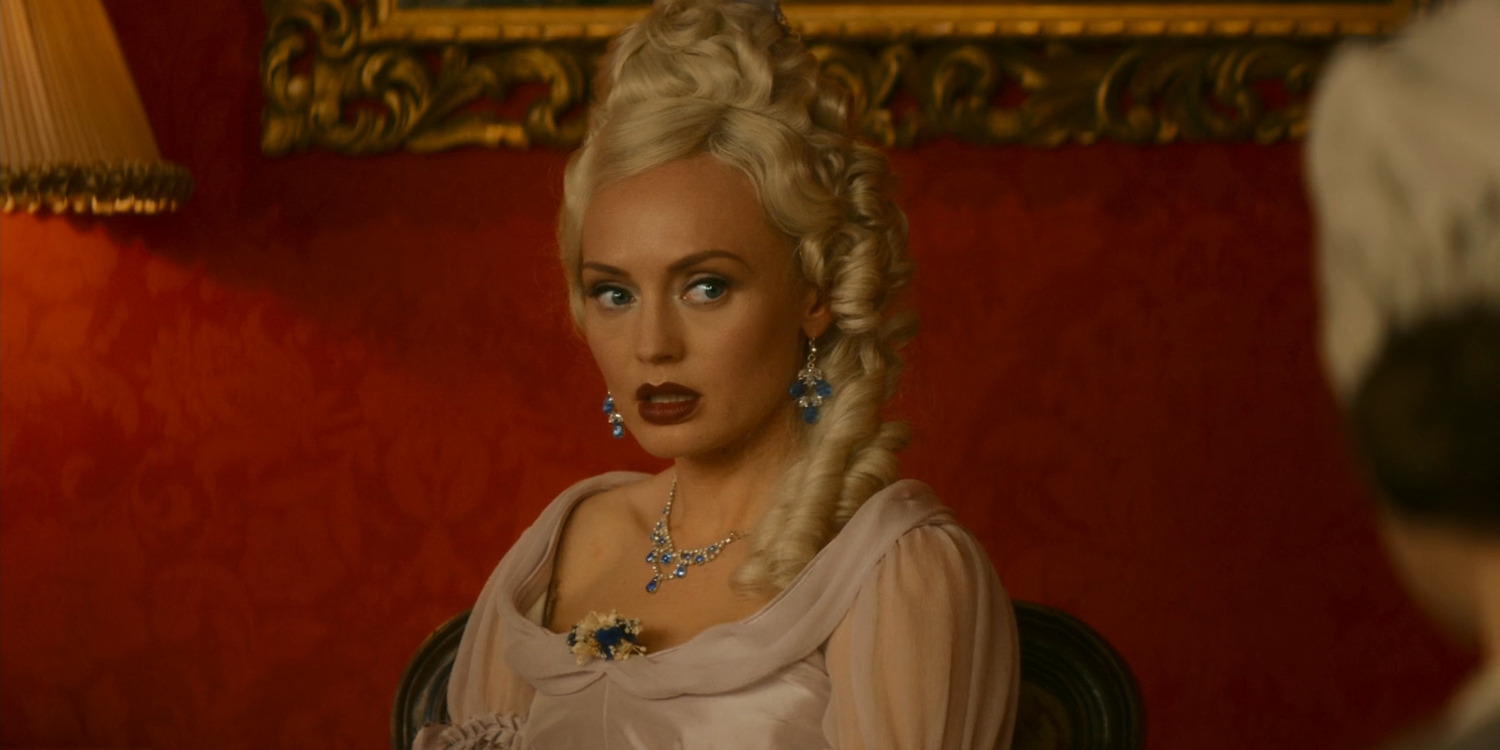
Naturally, this becomes a point of conflict for the veteran actress, who cannot help but grow concerned about the future of her career in light of the inevitable shift in the film industry in favor of Talkies. In real life, this same concern was shared by many actual Hollywood stars, including renowned greats like Norma Talmadge, Mae Murray, Clara Bow, and even Charlie Chaplin. Additionally, this transition also affected actors of the silent age of cinema who weren’t English speakers or possessed particular accents. Notably, one actress, Vilma Banky, ran into the specific problem of falling from grace as America’s sweetheart due to her Hungarian accent. Although Myrna never directly parallels or references any of these personalities, their shared plights add a sense of authenticity to the character.
Guy Dexter is a Fictional Character Who Presents a Realistic Historical Representation
Myrna Dalgleish’s on-screen co-star, Guy Dexter, remains similarly fictitious like The Gambler’s female lead. In real life, there was no actor in 1920s Hollywood with a similar name. Much like Myrna, Dexter’s narrative also highlighted the struggles of transitioning into the Talkies genre that came with the mid-to-late 1920s time period. In real life, many veteran silent film actors, who had learned to deliver voiceless performances that relied on exaggeration, struggled with the new demands of the talking media. As sound recording equipment joined film sets, the actors were limited in their ability to be dynamic and mobile, which presented a challenge all on its own.
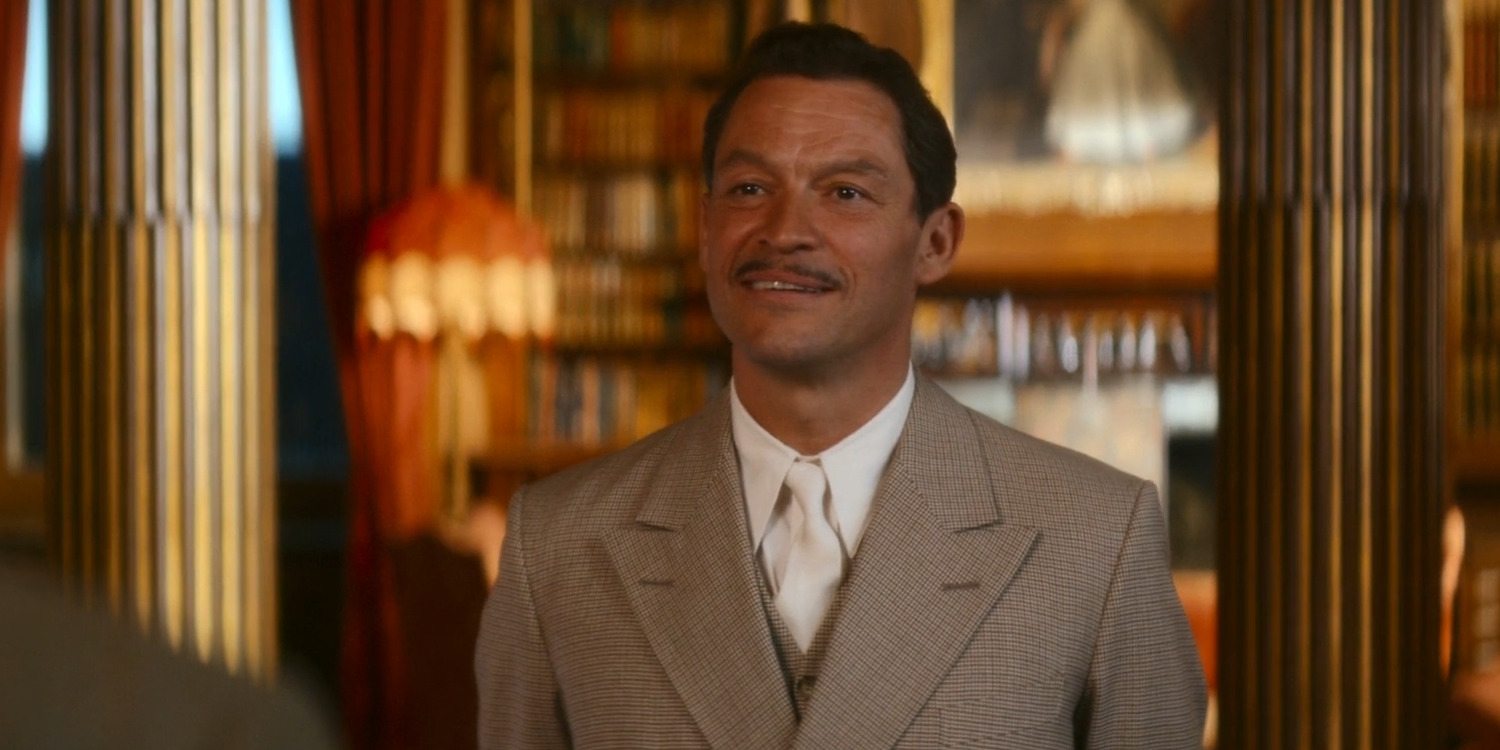
Dexter’s worries over the future of his career reflect these same complications as he remains concerned about being a has-been of the silent film age. Moreover, another aspect of his characterization adds a touch of realism to his narrative. In the story, Dexter is a gay man who, despite being closeted, isn’t afraid to go after what makes him happy in his love life. Although the homophobic time of the 1920s forced many gay actors into the closet for their lifetimes, one real-life actor, William Haines, lived openly with his partner, Jimmie Shields. Even though his refusal to hide his sexuality eventually resulted in his exit from the industry, the actor made history as one of the first out and proud gay actors of his time. Dexter shares little in common with Haines’ career, and in fact remains publicly closeted throughout the film. Even so, his narrative highlights the reality of being queer in the 1920s, as experienced by real-life actors like Haines.
Read More: Are Dr. Friedrich Ritter and Dore Strauch Based on Real People? What Happened to Them?

