
 Aahana Swrup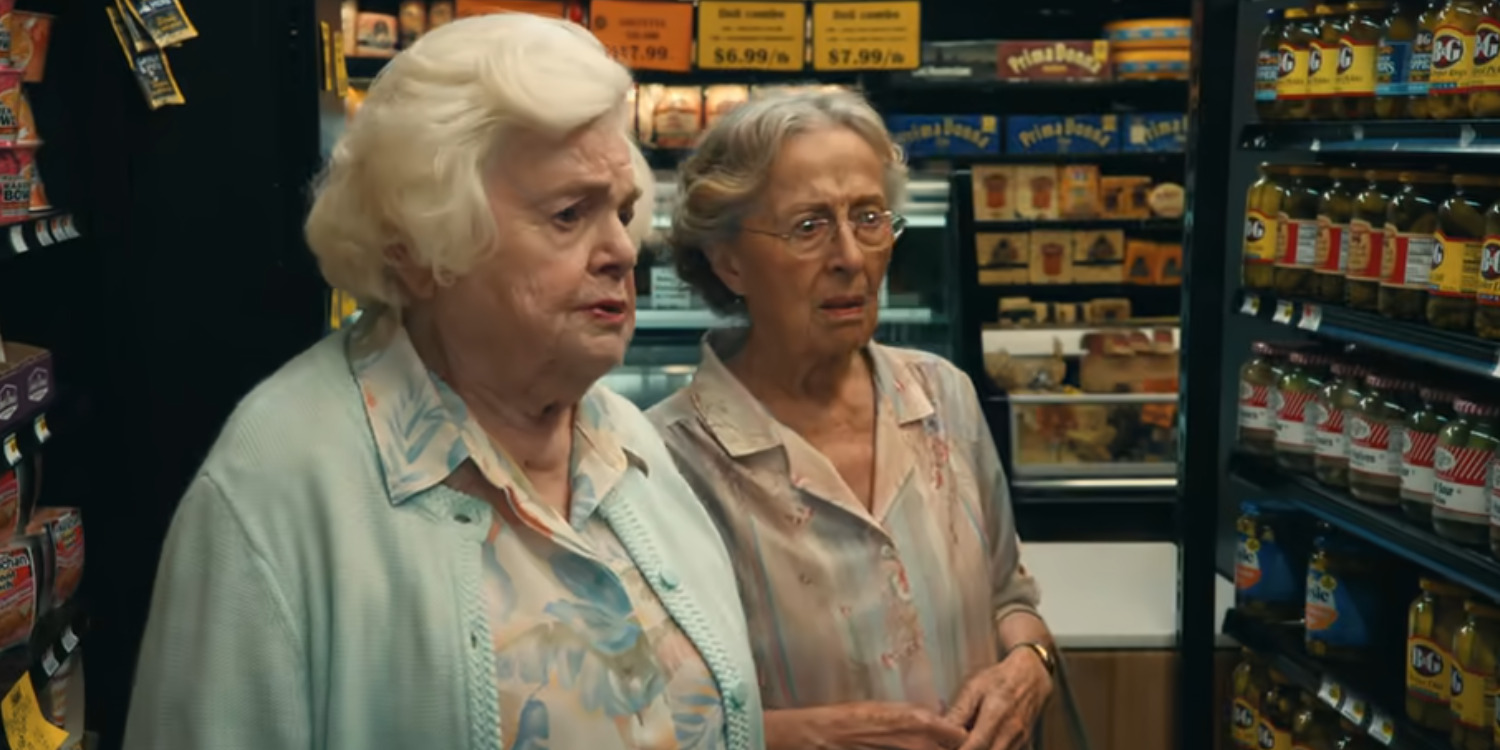
The film ‘Eleanor the Great’ notably revolves around the traumatic recollections of a Holocaust survivor. However, the titular protagonist, 94-year-old Eleanor Morgenstein, herself is not someone who faced the horrors of the historical genocide. Instead, she’s the only person with whom her best friend, Bessie, shared the story of her brutal experiences. In the aftermath of the latter’s passing, Eleanor finds herself leaving Florida altogether and moving away to New York. After losing her closest companion, she remains fairly lost and alone, and inadvertently stumbles into a support group for Holocaust survivors. As one thing leads to another, she finds herself counterfeiting Bessie’s stories as her own. Nonetheless, things grow complicated once she befriends Nina, a young aspiring journalist who becomes interested in bringing Eleanor’s story to the light. Throughout the complex story, the heart of the tale, grief, loss, and the traumatic impact of the Holocaust on Jewish identity, remains grounded in reality, partly due to Bessie’s influence on Eleanor’s narrative.
Bessie’s Character is Based on Elinore Kamen’s Real-Life Best Friend
Despite its overarching fictional elements, ‘Eleanor the Great’ finds a grounding origin in reality. The story is partially inspired by Elinore Kamen, the grandmother of the film’s screenwriter, Tory Kamen. However, instead of a biographical approach, the on-screen story only takes loose inspiration from the real woman’s life. That, too, is primarily done in regard to the characterization of its protagonist, Eleanor Morgenstein. Therefore, many aspects of Kamen’s grandmother’s life serve as a source of inspiration for Eleanor’s narrative. This includes the latter’s on-screen relationship with Bessie, the protagonist’s closest friend, who is a Holocaust survivor.
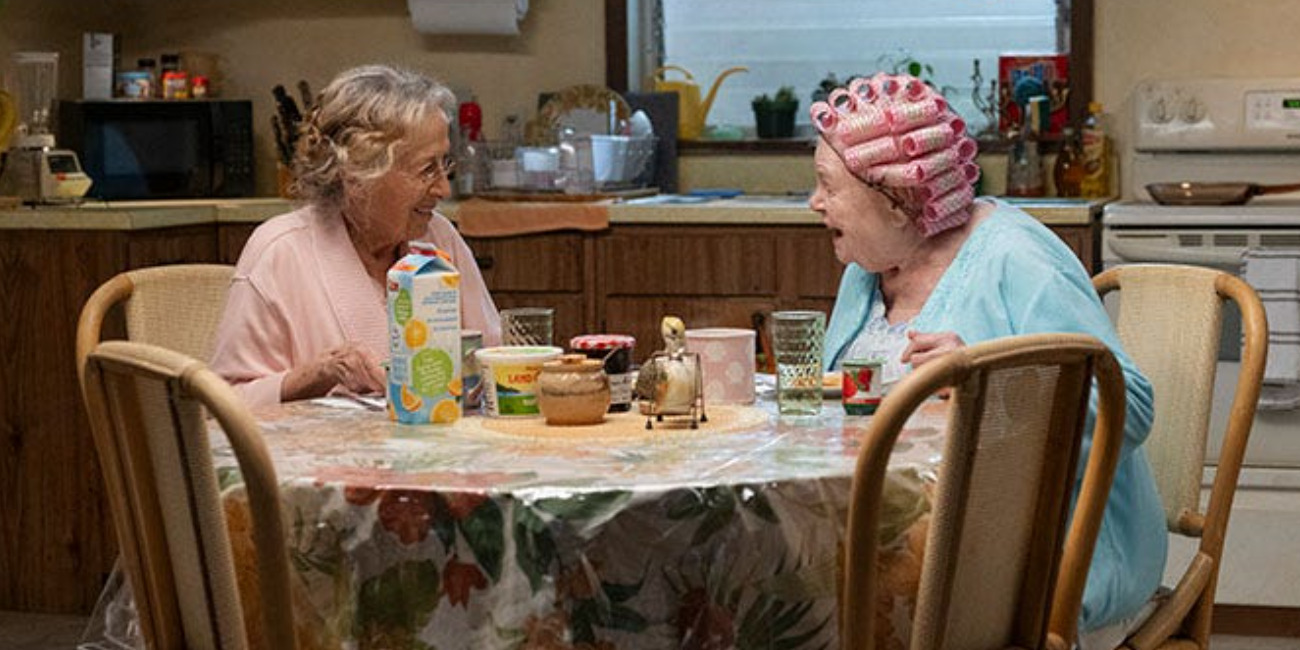
In real life, Elinore also had a best friend named Bessie. The real-life Bessie was a Holocaust survivor who remained close to the former’s family over the course of their friendship. In fact, screenwriter Kamen once shared a story about how Bessie’s presence in her life motivated and encouraged her to celebrate her bat mitzvah during her pre-teen years. Yet, one notable difference remains between Bessie and Elinore’s real friendship and that of their on-screen counterparts. In real life, Elinore never tried to lie about being a Holocaust survivor by painting Bessie’s story as her own. That aspect of the film’s narrative is a complete work of fiction that remains limited to Eleanor’s on-screen adventures.
Eleanor the Great Takes a Careful and Authentic Approach to Bessie’s Story as a Holocaust Survivor
Bessie’s experiences as a Holocaust survivor inform a defining aspect of ‘Eleanor the Great.’ The story she shares with Eleanor, which in turn is shared by the latter, becomes an emotional foundation for the narrative. Naturally, given the character’s connections to the real-life Bessie, her harrowing story too finds an authentic source in reality. Additionally, Tory Kamen and the project’s director, Scarlett Johansson, also decided to send in Bessie’s story, written into the script, through the Shoah Foundation. As a result, multiple rounds of edits ensured that the storyline remains as factually accurate as possible. On the other hand, the filmmaking duo was also steadfast in their decision to frame the scene of Bessie sharing her story as a young girl in Nazi Germany without any visual violence. The film opts to have the focus entirely on Bessie’s character as she confides the horrors of her past to her closest friend.
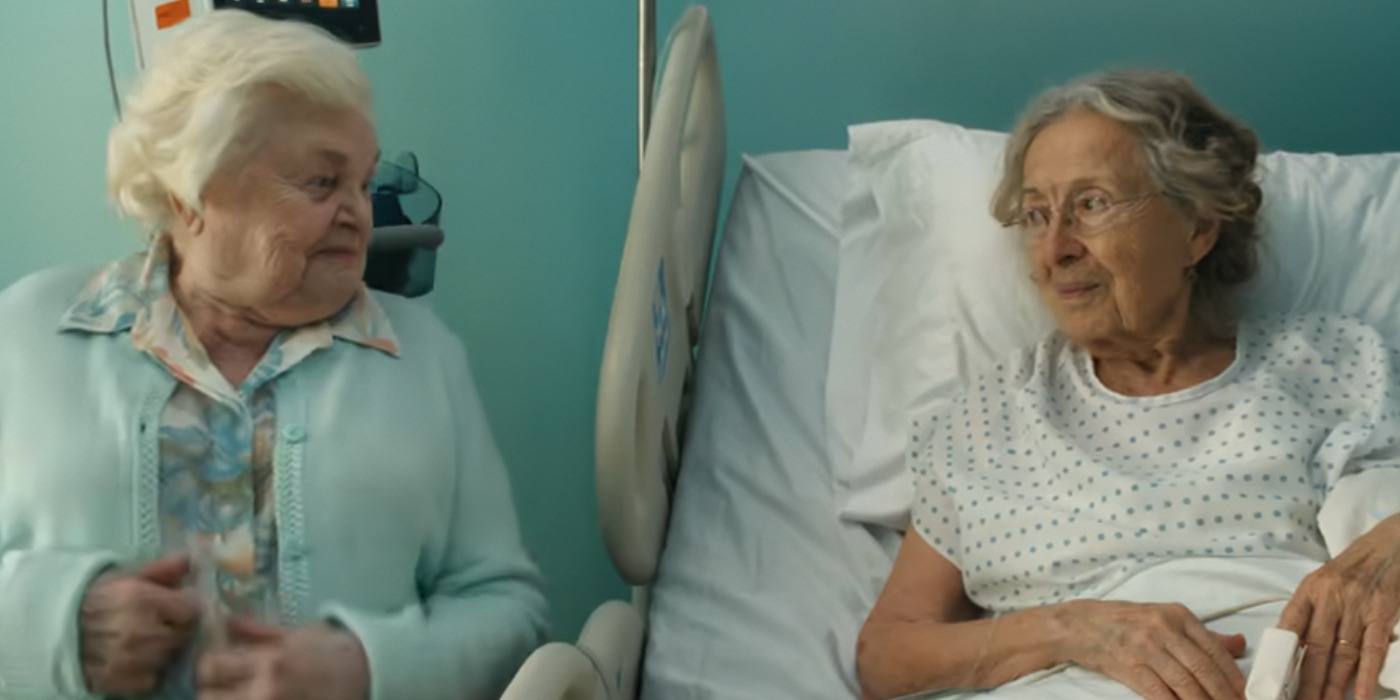
In a conversation with Hey Alma, Kamen discussed the same decision and said, “Another thing that was important to me was that we never really saw Eleanor telling Bessie’s story. I wanted that to be from Bessie’s mouth. That story should only be told by Bessie. And Rita Zohar (the actress), who plays Bessie, is a Holocaust survivor herself, and does an unbelievable job. The lack of violence in the movie was extremely intentional, because I think that hearing these stories, first of all, stories are going to be all that we’re left with. They’re powerful and haunting and terrible enough that you don’t need the visual. And I do think that the visual of somebody telling their own story in their words is sometimes more effective than watching something play out in real time, especially when it comes to violence.” Ultimately, Bessie’s basis in reality allows her story to remain remarkable and emotionally resonant.
Read More: Is Eleanor the Great a True Story? Is Eleanor Morgenstein Based on a Real Person?

