
 Aahana Swrup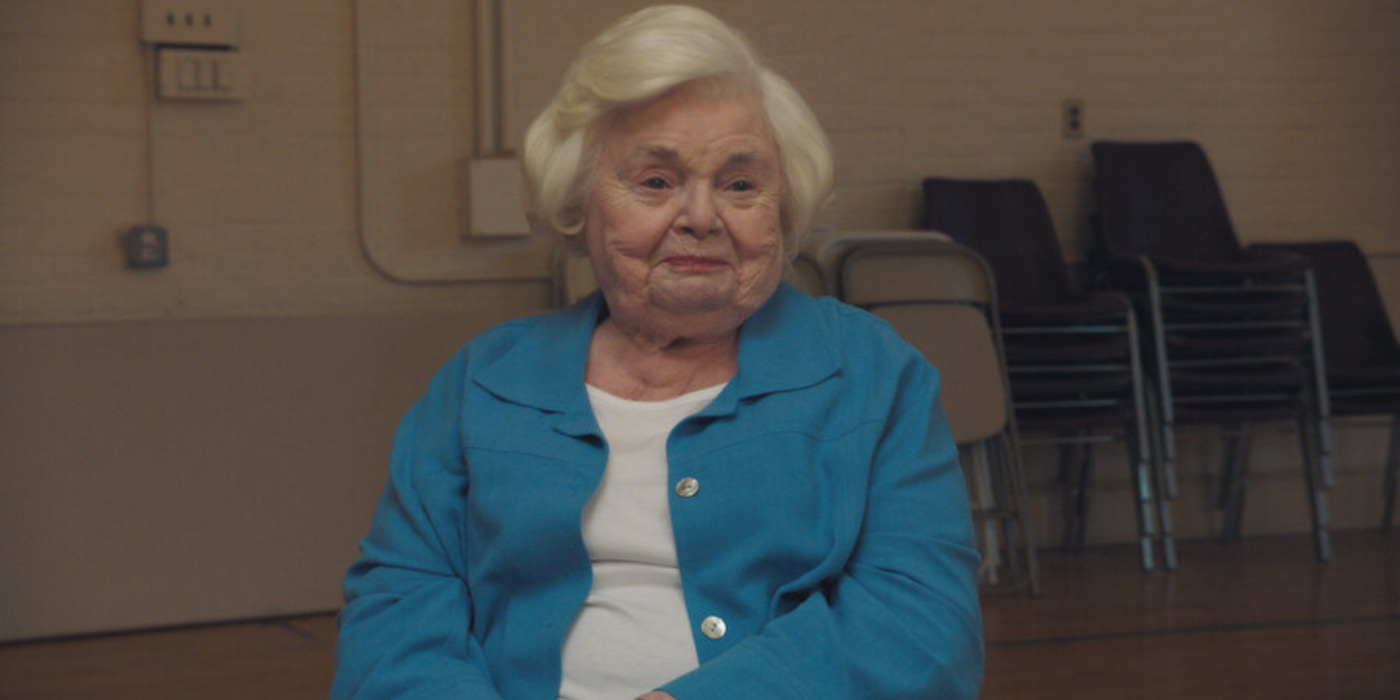
‘Eleanor the Great’ presents a poignant narrative about loss, trauma, and the dangerous paths that one can go down in pursuit of softening certain hurts. The story revolves around a 94-year-old woman named Eleanor Morgenstein, who is inviting drastic change into her life by making a cross-country move from Florida to New York. The move is brought on by the tragic death of her closest companion, Bessie, who had been the protagonist’s best friend for decades. In her absence, and in the new city, Eleanor finds herself alone and seeking community. That’s how she accidentally ends up at a support group meeting for Holocaust survivors. For one reason or another, the older woman ends up sharing her best friend’s stories about brutal survival, passing them off as anecdotes from her own past. The lie only grows when Eleanor becomes a subject of interest for Nina, a young journalism student. As such, the unforgivable lie continues to grow, eclipsing the protagonist’s narrative in dubious motive and morality. SPOILERS AHEAD!
Eleanor’s Deceit as a Holocaust Survivor Starts as an Accident
Eleanor’s biggest misdeed throughout the story proves to be her charade of taking on the false identity of a Holocaust survivor. The older woman’s move to New York is marked by a drastic tragedy in her life: the loss of Bessie, her best friend. In their old age, the two women lived together, sharing a house, sleeping in twin beds beside one another, and constantly staying by each other’s sides. In many ways, they had become each other’s life partners. For the same reason, it becomes all the more difficult for Eleanor to comprehend a life without Bessie. This abject loneliness and crushing grief are exactly what drive her to New York to stay with her daughter, Lisa, and her grandson, Max. Yet her family has their own lives that don’t, all at once, bend to make space for her.
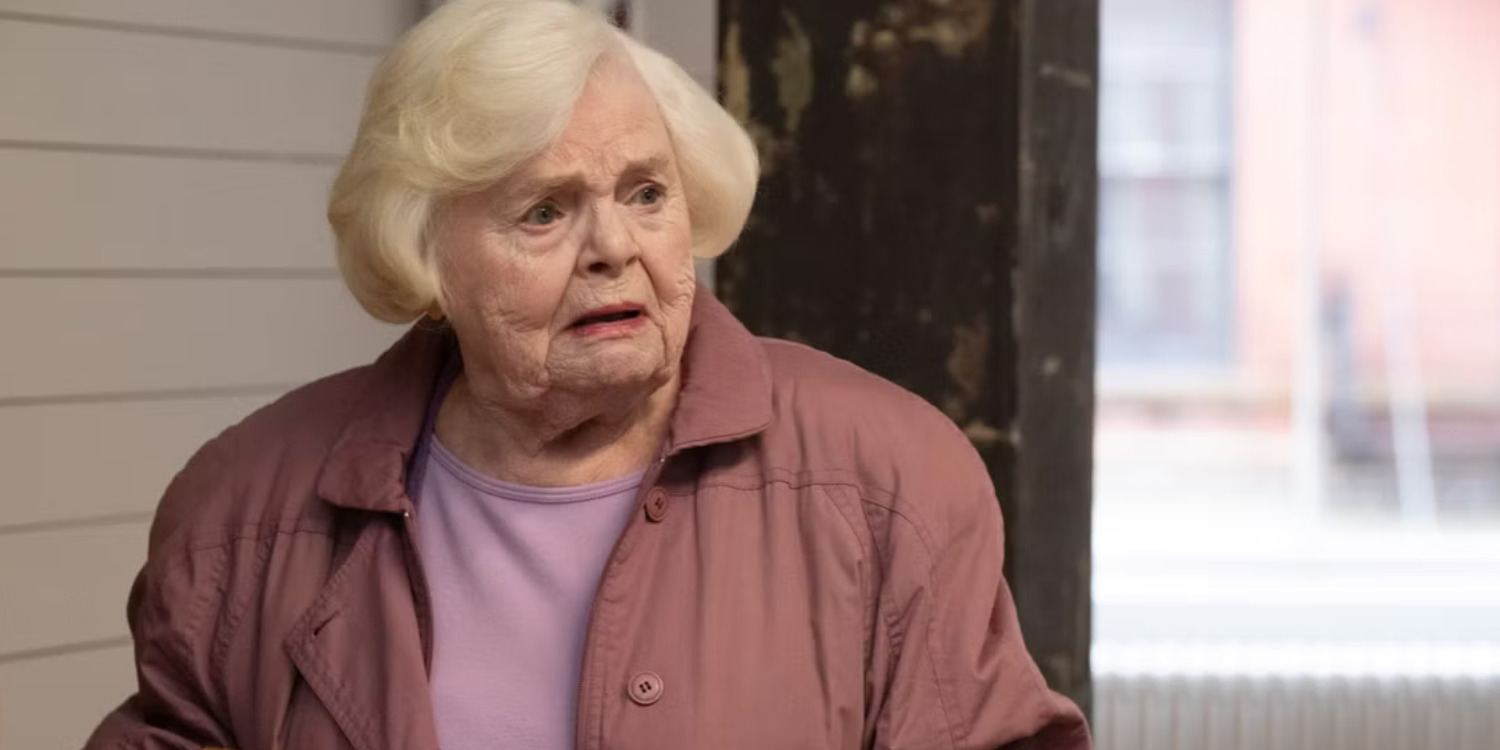
Initially, Eleanor tries to take Lisa’s advice and join a local choir group at the JCC. Nonetheless, she’s easily put off by the group. However, on her way out of the class, she ends up getting mistaken for a fellow member by someone who is attending the Holocaust Survivor support group in the building. As a result, Eleanor inadvertently finds herself joining the support circle until the spotlight is inevitably passed on her. When the time comes, Eleanor freaks out, not wanting to be shunned and kicked out by the amicable group. As such, she ends up fibbing about her past. Instead of explaining the situation, Eleanor pretends to be a Holocaust survivor. Even so, the story she shares isn’t fiction. Bessie, her best friend, had confided in her the realities of her experience as a young girl under Nazi rule. When Eleanor talks in the support group, she’s taken back to her memories of her friend, sharing the latter’s story with people who could tragically understand it all too well.
Sharing Bessie’s Story Becomes a Way of Finding Community for Eleanor
Eleanor knows that her actions are erroneous, offensive, and a moral transgression. Yet, as one lie leads to another, she inevitably finds herself falling into a never-ending pit. Initially, when Nina approaches her about wanting to do her school project on her story, the protagonist tries to turn the aspiring journalist away. Nonetheless, soon enough, Eleanor finds herself alone at Shabbat, while her family remains engaged elsewhere. Therefore, feeling lonely, she ends up inviting Nina over for dinner. This becomes the catalyst for a deeper friendship between the duo. While Nina finds the freedom to talk about her recently deceased mother in Eleanor’s empathetic company, the latter finds herself with an actual, genuine friend that she can talk to.
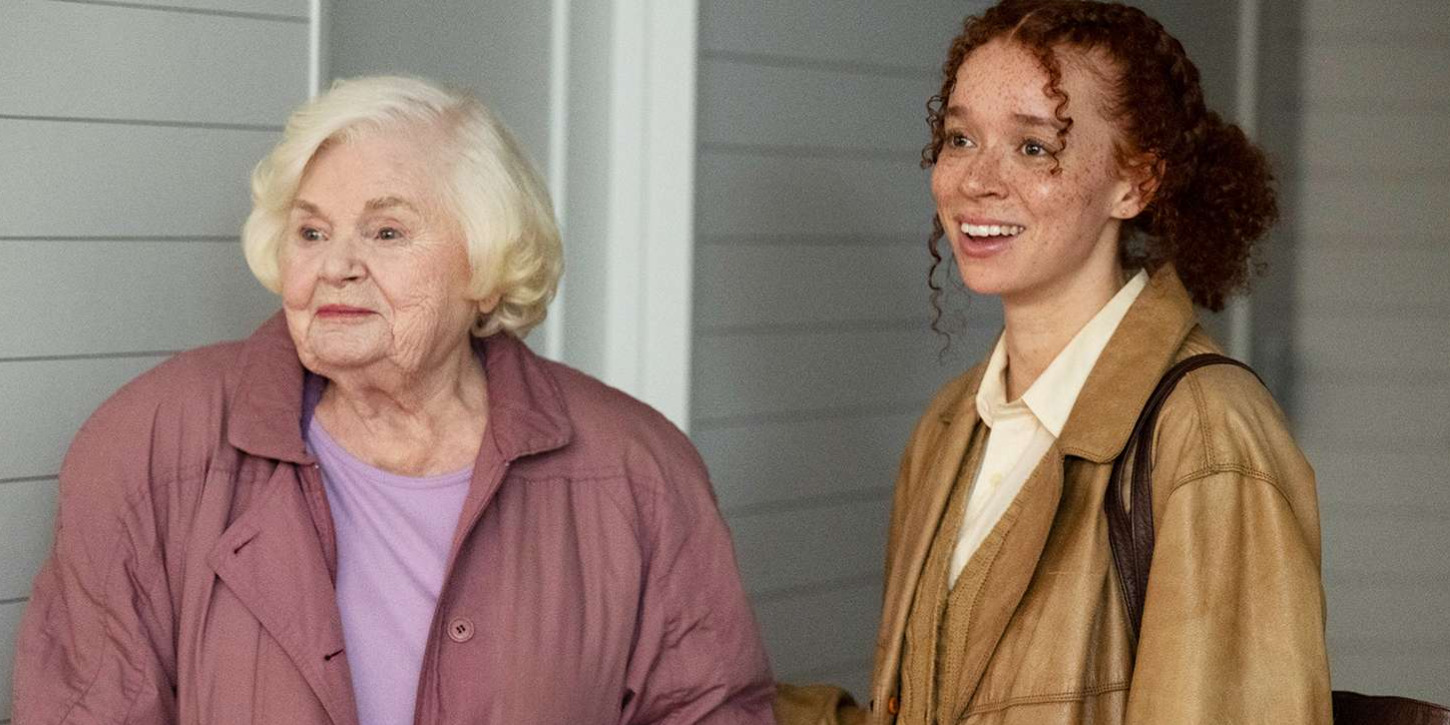
Similarly, the connections Eleanor makes through the support group compel her to seek out further company at the local synagogue. She even decides to celebrate a bat mitzvah both for her own younger self as well as Bessie’s. Naturally, she has to maintain her false identity of a Holocaust survivor even in that setting. However, by then, Eleanor becomes used to playing the twisted part. On some level, sharing her best friend’s stories, talking about her life, even if it is under the guise of her own, allows Eleanor to keep Bessie in her life. Furthermore, since she was the only person the latter ever shared these harrowing memories with, regaling them to others, including Nina, becomes a way for Eleanor to honor her friend and the family Bessie lost in the historical tragedy. Nonetheless, once the curtains inevitably fall on the protagonist’s charade, she’s forced to confront the real reason behind her lies.
Eleanor Lied as a Way to Deal With the Crushing Grief of Bessie’s Death
Bessie’s death is one of the first things that happens in the film. Afterward, the ghost of her memory becomes an inescapable presence throughout the narrative. Losing her friend had been one of the greatest losses of Eleanor’s life. With her gone, she’s left lost and alone, riddled with heavy, crushing grief. Therefore, talking about Bessie’s memories, the ones she had shared with Eleanor on an emotional night, becomes a way for the latter to remember and honor the other woman. After spending decades together, this recollection and fraudulent embodiment of Bessie’s pain becomes the closest thing that Eleanor finds to once again being by her friend’s side. Eleanor also wants the world to know about Bessie, her bravery, and her loss.
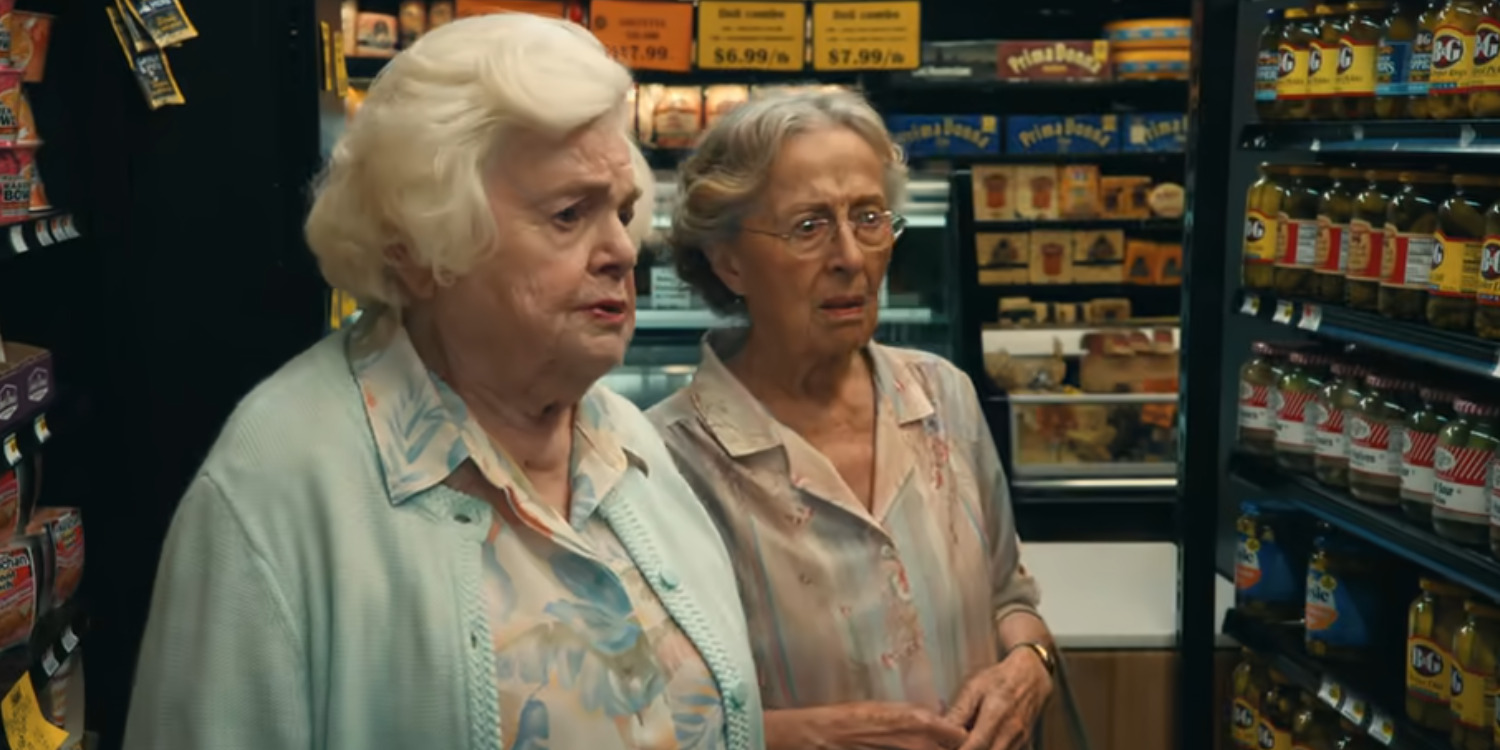
As a result, her falsehood of claiming the Holocaust survivor identity for herself becomes a misguided and twisted way for the protagonist to keep parts of Bessie alive with her. Eventually, once the gig is up, Eleanor faces the music and understands the gravity of her transgressions. She shares heartfelt apologies, makes amends, and tries to move forward in life with more productive and honorable ways of grieving her dear friend. Scarlett Johansson, the film’s director, gave her own take on the main character’s actions and motives. In a conversation with The Jewish Chronicle, she said, “Eleanor does this almost unforgivable thing. She tells the worst of lies. But by the end of the film, I hope you have empathy for her and are able to forgive, because you see that what she did came from a place of love and grief and loneliness.”
Read More: Is Eleanor the Great a True Story? Is Eleanor Morgenstein Based on a Real Person?

