
 Diksha Sundriyal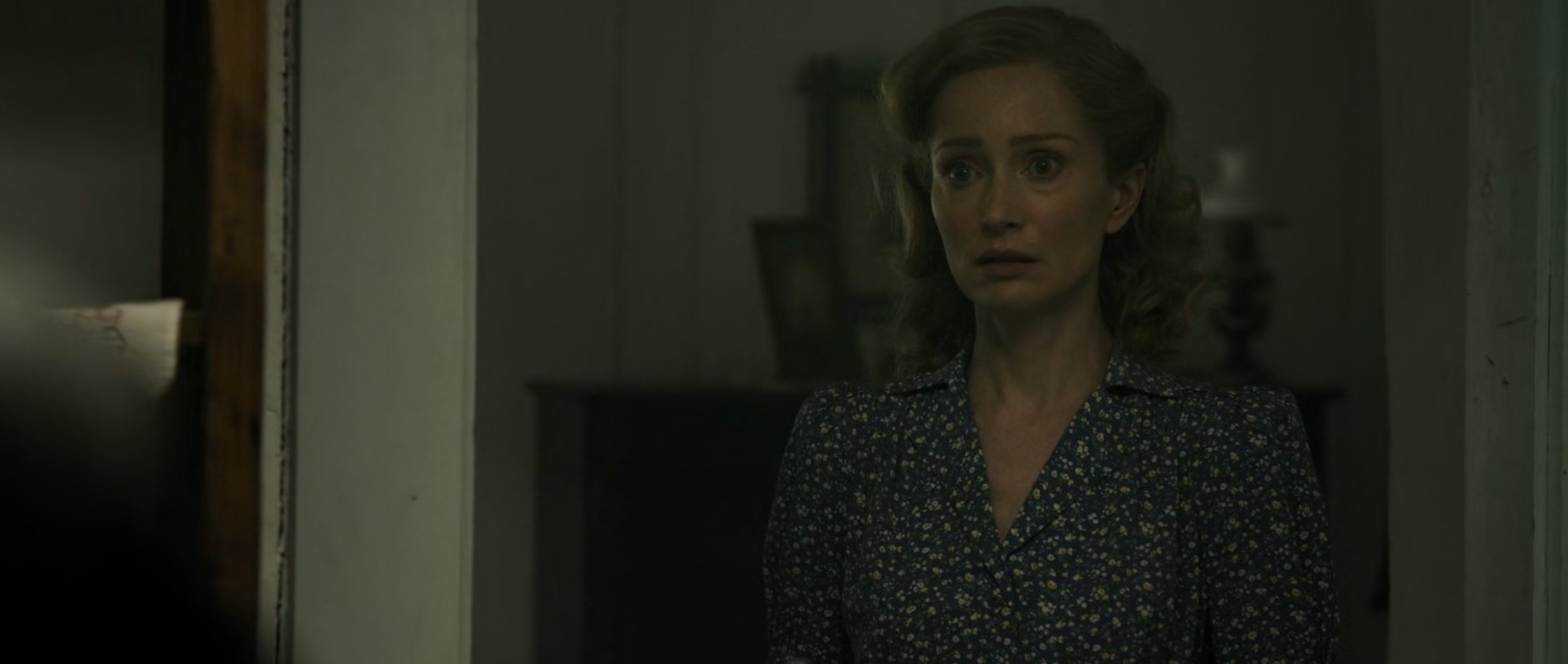
Directed by James Vanderbilt, ‘Nuremberg’ takes place in the aftermath of the Second World War, when the Nazi powers have fallen, and it’s time to bring Hitler’s top officials to justice. The story mainly focuses on Hermann Göring and his psychiatric evaluation by Douglas Kelley. In the course of their unusual relationship, Göring asks Kelley for a favour in the form of sending and receiving letters from his wife, Emmy, and daughter, Edda. In the end, Göring finds a way to evade the noose of justice, but his wife and daughter still have to face the consequences of choosing to support the Nazi party and their heinous actions.
Emmy Göring was Prosecuted for Her Crimes
Emmy Göring, neé Sonnemann, was born in Hamburg, Germany, on March 24, 1983. She came from a wealthy family and turned towards acting, a career in which she enjoyed considerable success. After working her way up through smaller theatre productions, she eventually landed a place at the Prussian State Theatre. In between this, she married fellow actor Karl Köstlin, but soon, they realised that they weren’t compatible as a couple, so they got divorced. After several years of acting, Emmy met Hermann Göring, who had been widowed following the death of his first wife, Carin. On April 10, 1935, the duo got married, with Hitler present in the ceremony as the best man.

After enjoying a life of power, wealth, and influence, Emmy’s life changed dramatically when the Allies won the war in 1945. In 1946, her husband died by suicide before he could be executed for his crimes. Emmy, too, had to face a trial for her collaboration with the Nazi forces. According to a news report published in the New York Times, she gave “the greatest performance of her career” at the trial. Reportedly, despite shedding tears and exhibiting a voice “broken and quavering,” she was “always in command of the situation.” In 1948, she was convicted in a German denazification trial in Garmisch‐Partenkirchen, sentenced to a year in a labor camp for being found guilty of being a Nazi “activist.”
However, by that time, she had spent fourteen months in confinement, so she was let go. In addition to the sentence, she also had to forego 30 percent of her property, which was confiscated by the state. At the same time, she couldn’t return to acting for the next five years. When the restriction on her acting was removed, she tried to go back to the profession, but she did not find any success. After the trial, she moved into a small apartment in Munich with her daughter, Edda. She remained there till at the age of 80, passing away on June 8, 1973, and was laid to rest at the Munich Waldfriedhof.
Edda Göring Defended Her Father Her Entire Life
Edda Göring was born to Hermann and Emmy Göring in June 1938 and was considered a member of the Nazi circles, with Hitler being named her godfather. She spent her childhood in the family’s countryside estate of Carinhall, with her birthday reportedly being celebrated nationally. All of this changed in 1945, when the war ended, and her father was arrested and put on trial for his crimes. When he passed away in 1946, Edda was eight years old. At the time of the trial, Edda and her mother lived in a cottage in the Bavarian countryside, but it didn’t have any facilities that they enjoyed in Carinhall, including electricity and running water. Around the same time, her mother was also put on trial for her crimes and spent fourteen months in confinement. On her return, the mother and daughter moved to Munich.
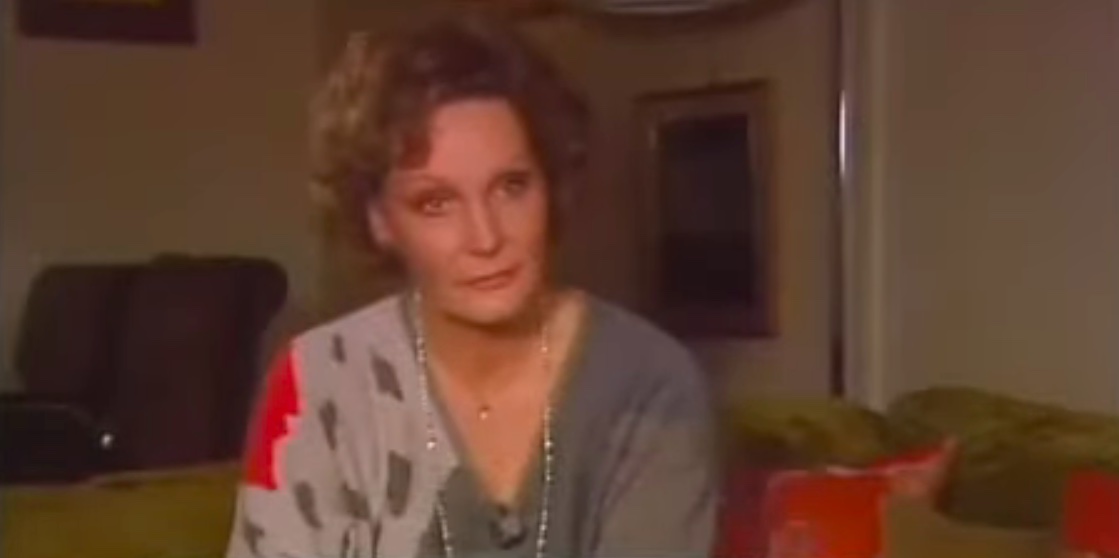
Eventually, Edda picked up a job as a law clerk, and later worked as a medical clerk for a surgeon. Despite the nature of her father’s crimes for which he was convicted in an international trial, Edda didn’t see him as anything other than a loving man. She only had fond memories of him, a feeling she shared with journalist Gerald Posner, who interviewed her for his book, ‘Hitler’s Children: Sons and Daughters of Third Reich Leaders.’ She also believed that her father didn’t really have anything to do with the Holocaust, and that his only problem was his “loyalty to Hitler.” “He had sworn personal fealty to him and would never abandon it, even when Hitler had gone too far. The things that happened to the Jews were horrible, but quite separate from my father,” she said.
She also believed that her family’s collection of art, furniture, and other items, which they had accumulated over the course of the war, had been wrongfully confiscated, expressing her distress at not being able to get it back. She even petitioned the Bavarian government to get back some of the things, but all of her petitions were denied, including the one in 2015, where the hearing lasted for not more than a few minutes. She held on to the memories of her parents her entire life, reportedly keeping a Göring family crest in her apartment. She wasn’t known to have married or had children. Edda passed away on December 21, 2018, at the age of 80 in Munich. The news of her death was revealed by the authorities about three months later. The location of her grave has also been kept secret from the public.
Read More: Where Was Nuremberg Filmed? All Shooting Locations

