
 Abhiroop Das
Helmed by Deborah Chow, ‘Flowers in the Attic’ reimagines the world first conceived as the eponymous novel by V. C. Andrews. The story begins with the Dollanganger children leading a picture-perfect life, only for things to go downhill after the tragic death of their father. As the family steadily begins to dysfunction and sink into debt, the mother, Corrine, seems to have only one hope: a return to her parents’ house. However, this story is also wrapped in several layers of secrecy, where even the tiniest misstep threatens to unravel a fragile balance that has been built over the course of several generations. In a surprise move, the children are then forced to live in an attic, completely cut off from the outside world. As the years pass by and their suffering seems no closer to an end, the siblings, especially the eldest, Chris and Cathy, learn to find comfort and the spirit to keep going in each other. SPOILERS AHEAD.
Flowers in the Attic Plot Synopsis
‘Flowers in the Attic’ begins with Christopher and Corrine Dollanganger leading an idyllic life with their four children: Chris, Cathy, and twins Cory and Carrie. However, tragedy strikes when Corrine is informed that her husband has passed away in a car crash. Devastated and deeply in debt, Corrine has no choice but to send a mysterious letter to her parents’ home, and soon gets a response. Without delay, the Dollangangers move into Foxworth Hall, which belongs to Corrine’s wealthy but cruel parents. However, there’s a catch: the children are not allowed to step even a foot outside of the attic, as Corrine reveals that she was actually disowned by the family for marrying Christopher, who was her half-uncle.
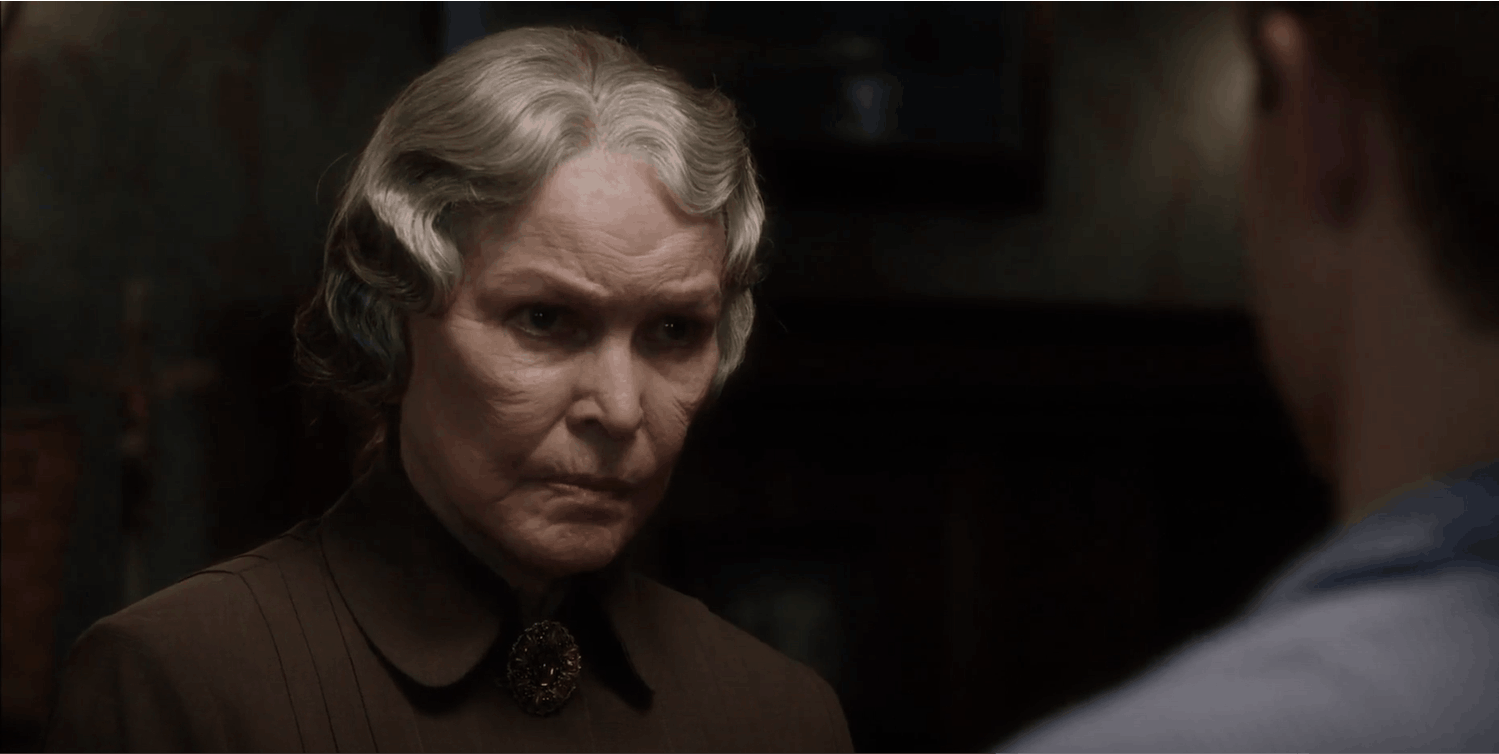
Corrine’s father, Malcolm, has welcomed her back on the assumption that she doesn’t have children, which means that the Dollanganger kids must remain a secret until Corrine is able to convince her father. The only other person who knows the truth is Corrine’s mother, Olivia, who quickly becomes a stern, abusive presence in the children’s lives. While Corrine pays them a visit semi-frequently, it’s Olivia who gives them food once a day, all the while monitoring them closely and using physical punishment whenever she feels like it. As the years go by, Corrine’s visits become more sparse, and the children grow weak, having received little to no sunlight and not enough nutrition. Their only grace seems to be the doughnuts that Corrine occasionally brings, all the while promising them that better times are ahead.
One day, the siblings find Corrine kissing the family lawyer, Bart Winslow, and realize that their mother is leading a much better life than she’s been presenting. By this time, both Cathy and Chris are entering puberty, and they slowly begin to have sexual feelings about one another. Though Olivia routinely punishes them for spending time together, fearing a repeat of her daughter’s fate, Chris uses that to his advantage, on one occasion making a copy of Olivia’s key to the attic. Eventually, he and Cathy have sex, and together they routinely sneak out to steal money and items for their escape. However, when Cory falls sick with pneumonia and passes away, they realize that no one is truly coming to save them and that they must find a way out of this nightmare by themselves.
Flowers in the Attic Ending: Do the Children Escape? Will Cathy Take Revenge on Corrine?
‘Flowers in the Attic’ ends with Chris, Cathy, and Carrie narrowly escaping Foxworth Hall and boarding a train, freeing themselves from that abusive household at last. With enough money to last them at least this leg of the journey, the kids make sure that they are headed as far away from Virginia as possible, determined to start a new life away from the shadow of their mother and grandparents. However, Cathy isn’t as quick to move on from what has happened to her and her siblings, as Cory’s death is still fresh in her mind. As she sits by the train window and bids her personal nightmare goodbye, a burning vendetta begins to take shape in her mind, and she vows to return here someday and take revenge on her mother.
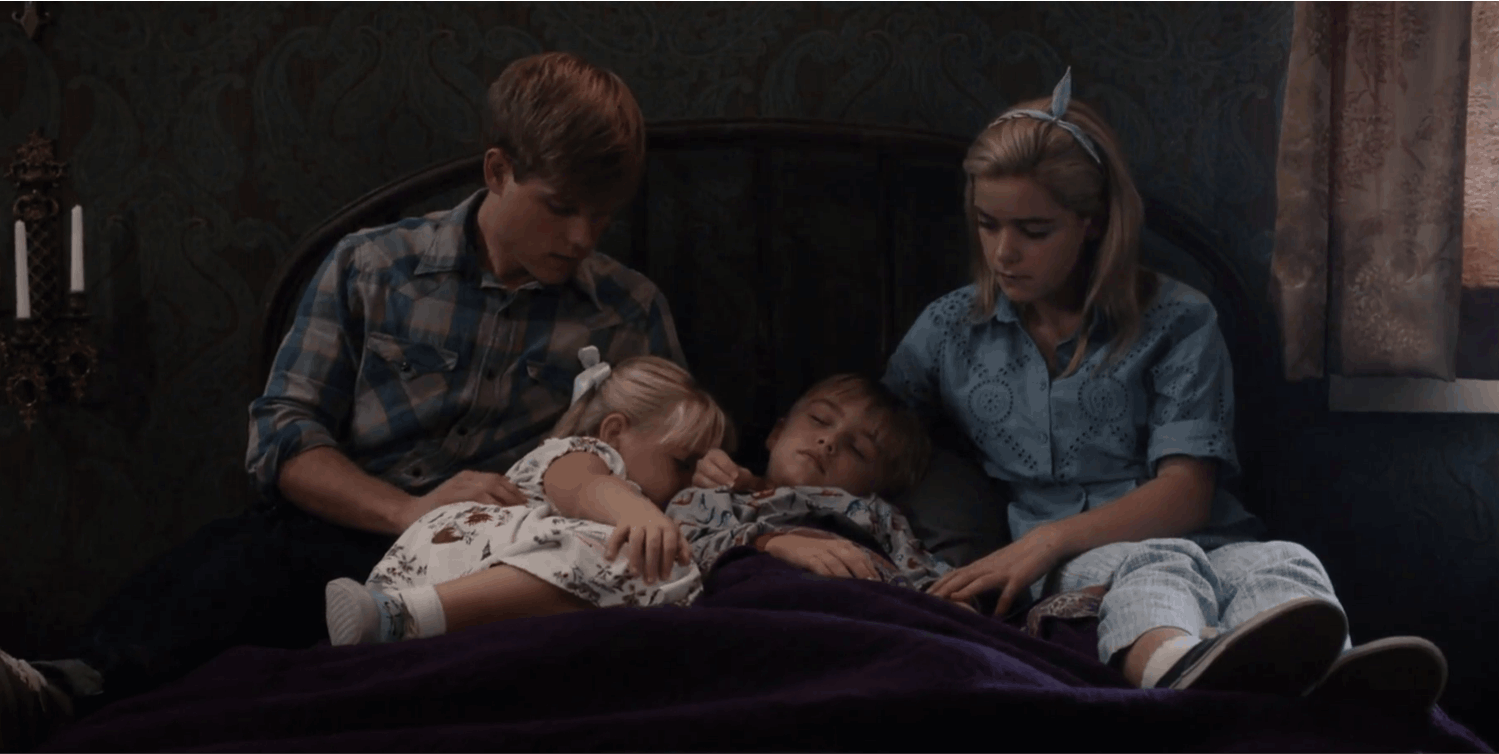
While the movie ends before Cathy’s revenge can manifest, there are other entries in the ‘Dollanganger’ series of books that ‘Flowers in the Attic’ is based on. The next books in line, namely ‘Petals on the Wind,’ ‘ If There Be Thorns,’ and ‘Seeds of Yesterday,’ all capture various periods in the siblings’ lives, bringing their dynamic with Corrine to a rousing climax. For now, however, all Cathy can do is to stack up the rage building within, and hope to regain a functional lifestyle wherever she heads with Chris and Carrie. Having spent so much of their childhood trapped in an attic, they evidently have a lot of catching up to do, but it’s also true that they now possess a different kind of experience, one that can only be attained after enduring hell and fighting back.
At the heart of this intergenerational journey lies a certain cyclicality that seems to develop a life of its own. While the story of Cathy and her siblings may be an iteration of the abuse and social isolation that Corrine herself endured, it would be wrong to attribute it to abstract entities such as fate. Rather, this is the result of countless decisions made across several generations, both informed by and informing a chain of abusive practices, that culminate in the horrors that the Dollanganger children have to go through. However, having learned from all of this, they now have the tools to disrupt the flow and carve out a different future, and the first step in that is to do what their mother never truly could: free themselves of their past.
Why Does the Butler Spare the Children?
Though the children manage to make a duplicate key, outsmart grandmother Olivia, and climb out of the building, the last step remains stepping over the electric fence, which can easily spell their doom. However, by sheer stroke of luck, they come face to face with the butler of Foxworth Hall, who gets alarmed and nearly shoots them at first. However, it doesn’t take long for him to realize that these are actually Corrine’s kids, following which he lets them go, volunteering to disable the security systems. While this decision can most likely cost him his job, the butler realizes that the humanitarian weight on his shoulder is far more important, and thus, he becomes one of the few people in this movie who push the children’s lives in a positive direction.

The butler’s sudden change of heart regarding the children gains more layers once we take into account an earlier scene, where he tells the maid about the poison being used for mice extermination up in the attic. While the butler likely truly believes what he has just said, the revelation about the kids recontextualizes everything in his mind. It shouldn’t take him long to figure out that these children were hiding in the attic and were most likely the target of said extermination. Having even loosely participated in the harming of innocent lives is likely too much for the man to bear, and compels him to help them escape. This is not just a redemptive act on his part, though, as he now also understands that escape might be their only way of surviving the next day and hope for a better tomorrow.
Will Chris and Cathy End up Together?
At the heart of ‘Flowers in the Attic’ lies the delicate relationship between Chris and Cathy, one that defies conventional labels and dimensions, and this holds true even by the end of the movie. Though Cathy tries to put their sexual relationship into the past, Chris makes it clear that he loves her and intends to resume the relationship after they are free. As such, their future together is determined somewhere in the middle, and while we don’t get a glimpse at it, chances are that Cathy and Chris do end up together as more than just siblings. While this opens up a number of discussions, the movie is sensitive to how trauma plays a role in their sexual development, and how their social isolation is a large part of why they begin to have feelings for each other.

Now that Chris and Cathy are stepping back into the outside world, they will have a chance at re-learning how to live as a part of a wider community, and a part of that lies in reconfiguring sexuality and romance. So far, they have been each other’s only source of emotional dependence and intimacy, which contextualizes their having sex. However, now that they have to start a life of their own from scratch, the answer to this question becomes infinitely more complicated. In the future entries in the book series, Chris and Cathy’s relationship as partners and siblings is often central to the narrative, and if there is one thing the film establishes, it’s that these two sides have now been fused into one because of trauma.
Who Was Poisoning the Children? Was it Olivia or Corrine?
Though we are initially led to believe that Olivia is the one to poison and kill her husband, as well as Cory, ultimately it’s revealed that the real culprit is none other than Corrine, the children’s own mother. Over the course of months and years, she has slowly been weakening their immune system with small doses of arsenic disguised as sugar powder on doughnuts. This explains why the children started getting increasingly sick right after the doughnuts started showing up, and also why some of the sweets were also sent downstairs, to Malcolm. What gives the plan away is the death of Mickey, Cory’s pet mouse, which happens right after it takes a bite out of the leftover doughnuts. However, it’s only after Olivia admits to Corrine being the killer that the full truth comes out.
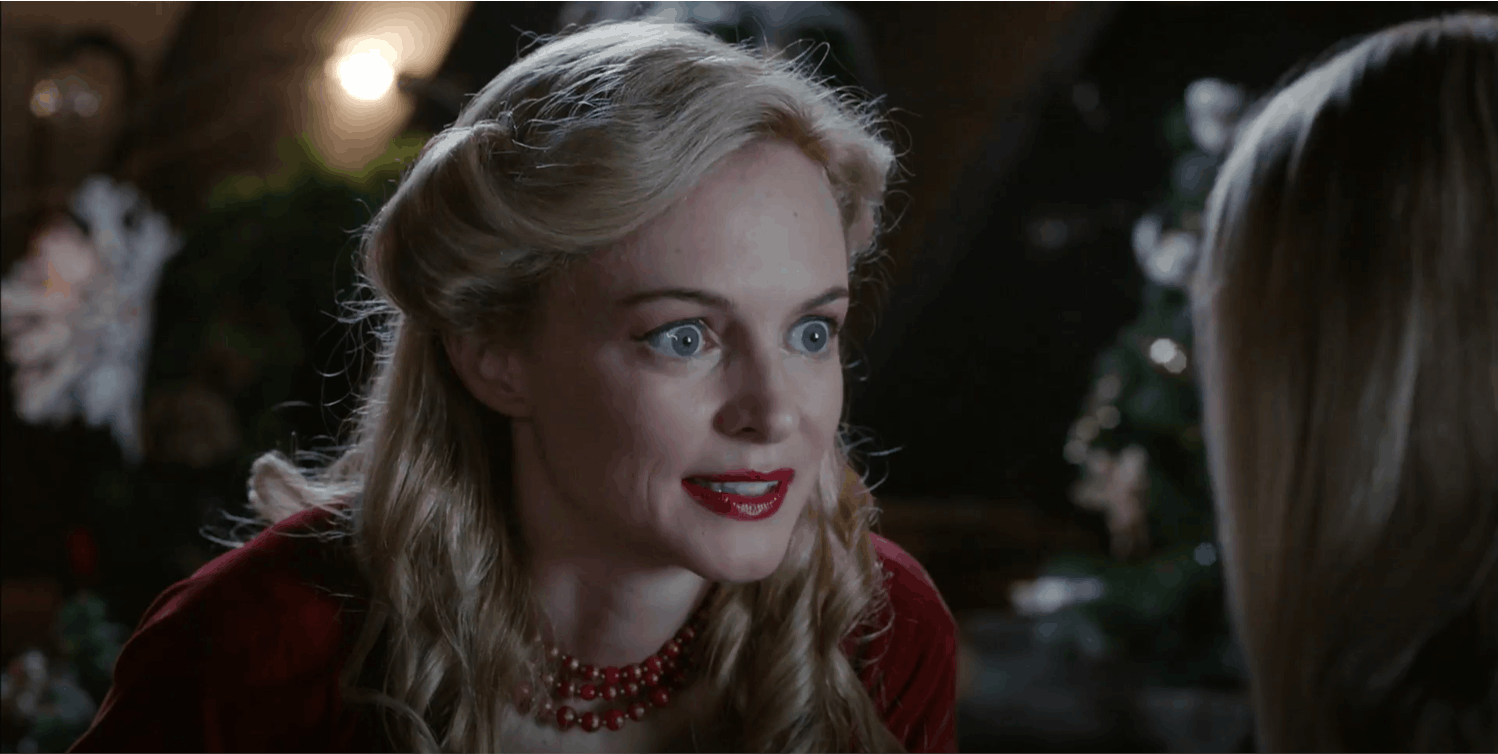
Initially, Corrine believes that the only way she can claim a part of the inheritance is by proving her childlessness, which is why the entire charade is organized in the first place. However, she gradually begins showing her nefarious side, willing to sacrifice her own kids for money. What’s particularly sickening about this reveal is that Corrine has been poisoning her children even after the death of her father. Given her stake and the fact that she’s married to Bart, money is unlikely to be the primary reason, and what truly drives her is pure selfishness and hatred towards the children, whom she subconsciously identifies as the source of her life’s problems. Cathy, realizing just how corrupted her mother’s heart is, determines to make revenge her life’s goal, defying the story’s warnings about cycles of abuse.
Read More: Is Lurker a True Story? Are Oliver and Matthew Based on Real People?

