
 Kriti Mehrotra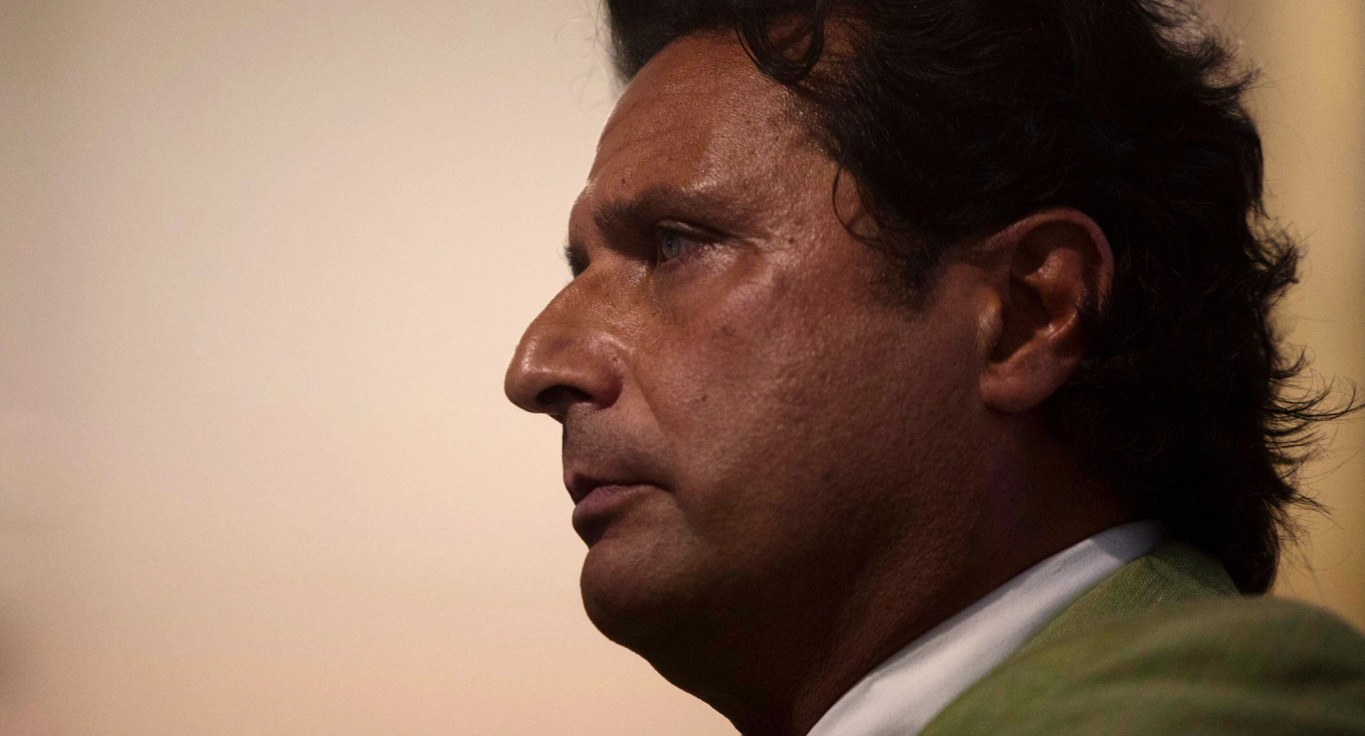
With Netflix’s ‘Shipwrecked: Nightmare at Sea’ delving deep into one of the deadliest maritime disasters in recent history, we get a clear insight into what transpired and why. After all, when the Costa Concordia cruise ship struck a hard rock and capsized off the coast of Giglio Island in Italy on January 13, 2012, 27 passengers and 5 crew members lost their lives. It soon came to light that the ship’s relatively new Captain, Francesco Schettino, was largely responsible for the ordeal, which is why he was ultimately convicted of multiple criminal charges.
Francesco Schettino Had Quite a Checkered Career
Born on November 14, 1960, into a seafaring family in the southern coastal town of Castellammare di Stabia, near Naples, Italy, Francesco Schettino developed a love for water at an early age. It thus comes as no surprise that by the time he had graduated from high school, he knew he wanted to follow in his ancestors’ footsteps and pursue a career in the pelagic industry. He subsequently attended the State Nautical Institute Nino Bixio in nearby Piano di Sorrento, Italy, before reportedly kickstarting his career at a local ferry company called Tirrenia.
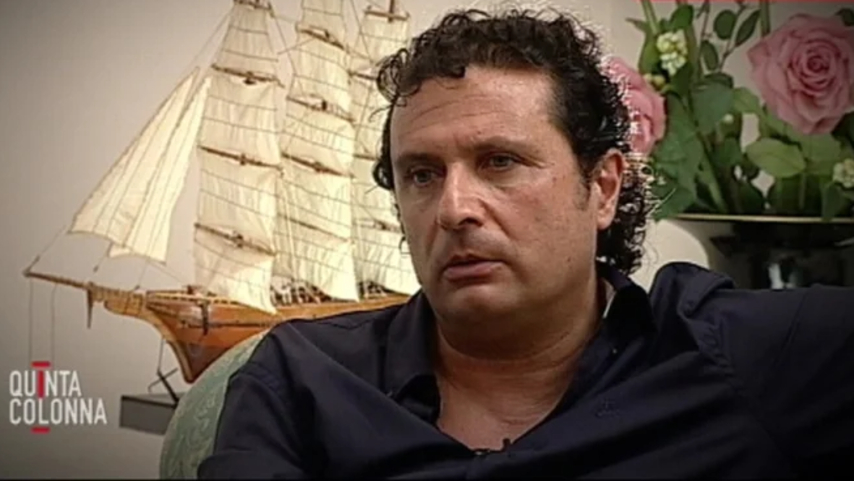
It was in 2002 that 41-year-old Francesco found himself stepping into the world of luxury cruises, as he was hired by the Italian line Costa Crociere shortly after Carnival Corporation acquired it. According to records, he initially served as an Officer in Charge of Security but was quickly promoted to Second-in-Command and then to Captain- all within a span of 4 years. The newly minted Captain was immediately given full control and power over the just-launched first-class Costa Concordia cruise ship, whose route included the wondrous Western Mediterranean.
During the investigation into Costa Concordia, it reportedly came to light that Francesco’s command had been involved in two incidents in which two ships were allegedly damaged within 4 years. According to records, a craft sustained bow damage in Palermo, Italy, in November 2008, when high winds pushed it against the dock. Fortunately, there were no injuries, and repairs were quickly made. Then, in 2010, another cruise ship under his authority allegedly suffered damage in Warnemünde, Germany, after entering the port at excessive speed, yet officials later claimed there was no harm.
Francesco’s Decision to Change Course Became the Catalyst for the 2012 Shipwreck
Despite all of Francesco’s ups and downs by early 2012, he was proud of the position he had managed to maintain, unaware that everything would turn upside down on January 13. It was on this fateful night that he decided to steer the Costa Concordia cruise ship off course and towards the beautiful shores of Giglio Island near Tuscany, Italy, for a nighttime sail-past salute. He believed it would be a wonderful experience, but misjudgments and a slight delay in the Helmsman executing his exact orders resulted in the vessel hitting a reef/rock around 9:42 or 9:45 pm.
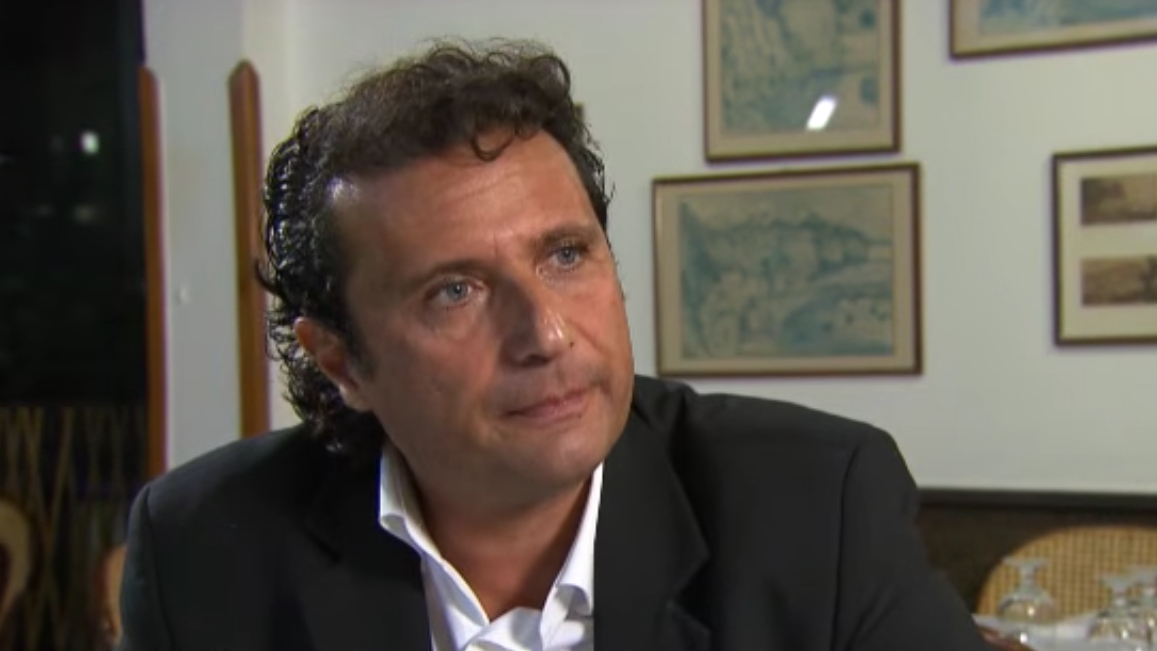
The initial point of impact was 8 meters below water, but it clipped two long strips of steel from the ship’s hull and allowed open water to enter aboard at an immeasurable force as well as speed. What’s worse is that one of the first places the leak submerged was the engine and generator rooms, yet still, Captain Francesco did not raise the emergency alarms until around an hour later. Instead, the initial announcements stated that the ship was facing an electrical “blackout” and “everything is under control,” with passengers even being asked to return to their dark, empty cabins.
In fact, it wasn’t until 10:26 pm that Francesco notified port-side authorities about the ship taking on water while requesting a tugboat, only for them to learn the full extent of the disaster at 10:42. Therefore, the order to evacuate the vessel was not given to the 3,206 passengers or the 1,023 crew members on board until 10:50 pm, meaning it took over an hour for the lifeboats to be lowered. However, the Captain was not the one coordinating the efforts — crew members aware of the situation had already started preparing lifeboats and moving passengers without explicit command. So, according to records, they took control of the process when the order was given, whereas he abandoned ship by 11:30 pm (prematurely).
Francesco Schettino Was Arrested Within a Day of the Tragedy
As per the ensuing investigation, Captain Francesco left over 300 people on board the sinking Costa Concordia on the night of January 13, 2012, many of whom were rescued by local volunteers. While helicopters or motorboats were able to save a large majority of those left behind, 27 passengers – including a 5-year-old girl – and 5 crew members lost their lives as a result of the shipwreck. Maritime law states that a vessel’s Captain is supposed to be among the last to evacuate. Despite that, plus repeated orders from port-side authorities/coast guards, Francesco got into a lifeboat early and then also refused to return to help manage the situation better.
During the trial, prosecutors and witnesses alleged that the Captain had decided to perform the sail-past salute to impress Domnica Cemortan, a dancer who testified to having a romantic affair with him on board. However, he vehemently denied the allegation. He also denied any claims that he did not make efforts to minimize casualties, but he did admit to making a “judgment error” about when the ship should steer/turn to avoid the rocks. While the executives at Costa Cruises claimed that Francesco alone was responsible for the disaster by deviating from the authorized route, the ensuing investigations indicated that while he did bear the primary responsibility, technical failures as well as errors by other members contributed to the tragedy.
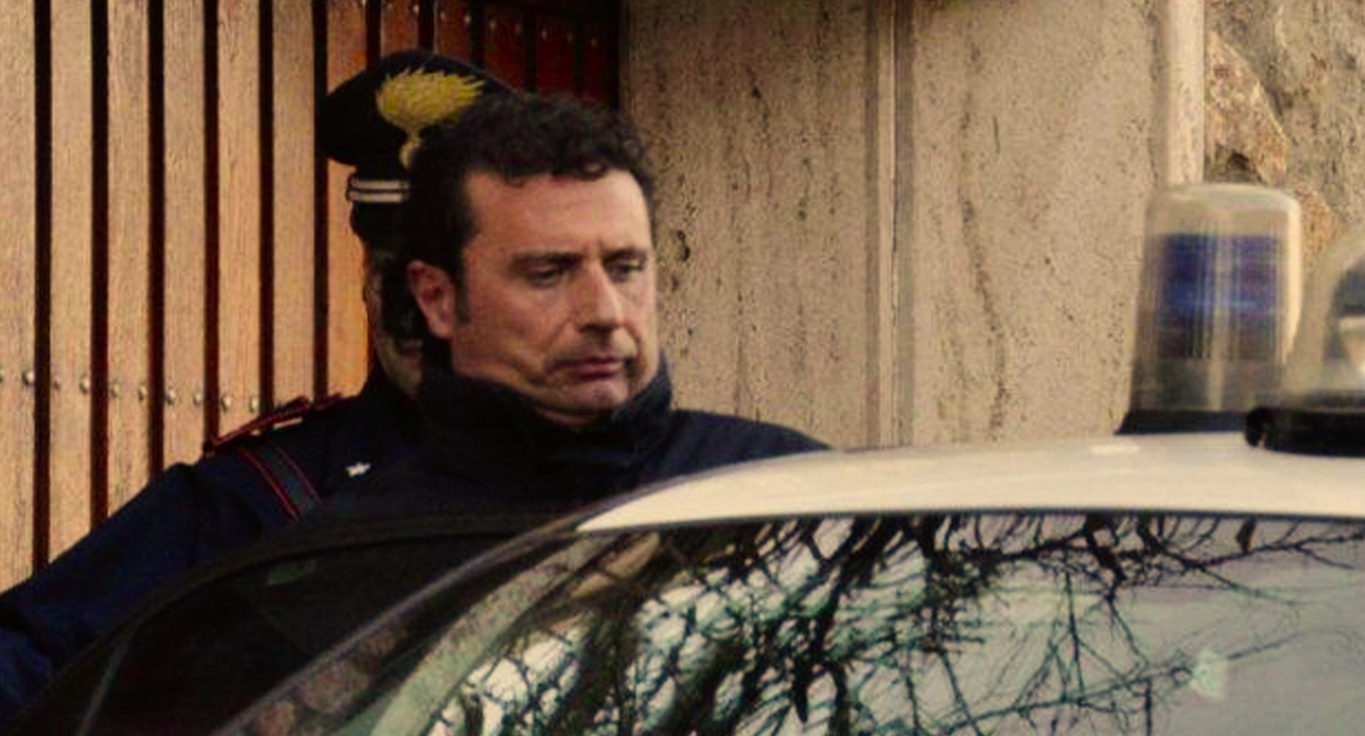
According to records, a generator failure/glitch occurred in the moments before the vessel hit the rocks, causing lasting power issues with the lowering mechanisms of a couple of the big lifeboat lines. Moreover, the ship’s black box recording later revealed that the Helmsman had misheard the Captain’s instruction on which direction to steer, following which it took him 13 seconds to correct course. According to forensic experts, if this 13-second error had never occurred, the cruise would likely have made it safely past the island without incident. Nevertheless, Francesco was quickly arrested.
Francesco Schettino is Currently Incarcerated in Prison
After Francesco was arrested on January 14, 2012, he was charged with multiple counts of manslaughter, failing to assist more than 300 passengers, and failing to be the last to leave a shipwreck. He was moved to house arrest three days later, before it was ultimately lifted in the summer, with the stipulation that he was to remain in his hometown until further notice or until he stood trial. Later on, he was also indicted on the additional charges of failing to describe to the maritime authorities the extent of a disaster and abandoning incapacitated passengers, all of which he denied.
Francesco subsequently received interview opportunities and was invited to speak at a university seminar on panic management in 2014, which resulted in significant backlash owing to the 2012 disaster. He then faced similar backlash for publishing a memoir titled ‘Le Verità Sommerse’ (‘The Submerged Truths’) in 2015, wherein he not only penned the dedication to the victims but also defended his actions. In the end, in 2015, he was found guilty of multiple counts of manslaughter, causing a maritime disaster, and abandoning ship with passengers still on board, for which he was sentenced to 16 years in prison.
According to records, Francesco began serving his time after exhausting all his appeals in 2017, so today, at age 65, he remains incarcerated at the Rebibbia Prison (officially Casa Circondariale di Rebibbia) in Rome, Italy. He did request day release under Italy’s semi-liberty rules approximately 10 years after his conviction in 2025, but withdrew it in April of the same year after failing to find a suitable work placement. We should also mention that 5 other Costa Concordia employees later pleaded guilty to lesser criminal charges in connection with the 2012 disaster, but none ever served any time in prison.
Read More: Francesco Vinci: How Did the Monster of Florence Suspect Die?

