
 Diksha Sundriyal
The idea of paradise takes a drastic turn in Ron Howard’s historical survival drama, ‘Eden.’ With a star-studded cast featuring Jude Law, Vanessa Kirby, Ana de Armas, Daniel Brühl, and Sydney Sweeney, the story centers on three distinct parties as they strive to create their own version of utopia. The first to arrive on the island, and the reason for the other two to follow, is Dr. Friedrich Ritter and Dore Strauch. The couple has a very specific set of ideals, based on which they want to lay the foundation of a new society. However, things don’t go as planned, as the violent depths of human nature come to the surface. The story is made more compelling by the fact that the characters, including Ritter and Dore, bring to life the story of real people. SPOILERS AHEAD.
Friedrich Ritter and Dore Strauch Wanted to Build a Different Type of Society
In 1929, as Germany seemed to be headed toward a fascist future, Dr. Friedrich Ritter conceived an idea that would change many lives. He decided to pack up his life in Germany, leaving his more than a decade-old marriage behind, to sail to Floreana, a remote island off the coast of Ecuador. He had served in the First World War and suffered from nerve damage. The state of his country made him think about whether things would really change. This led him to create his own set of rules. To show the world that his way was a better and more feasible way to live, he left Germany. He was joined by Dore Strauch, who had multiple sclerosis and had been Ritter’s patient. She, too, was married, but left her husband to join Ritter, who was 15 years her senior, in his experimental endeavor. The authorities gave them 50 acres of land to claim on the island, and they used it to build a place they called Friedo.
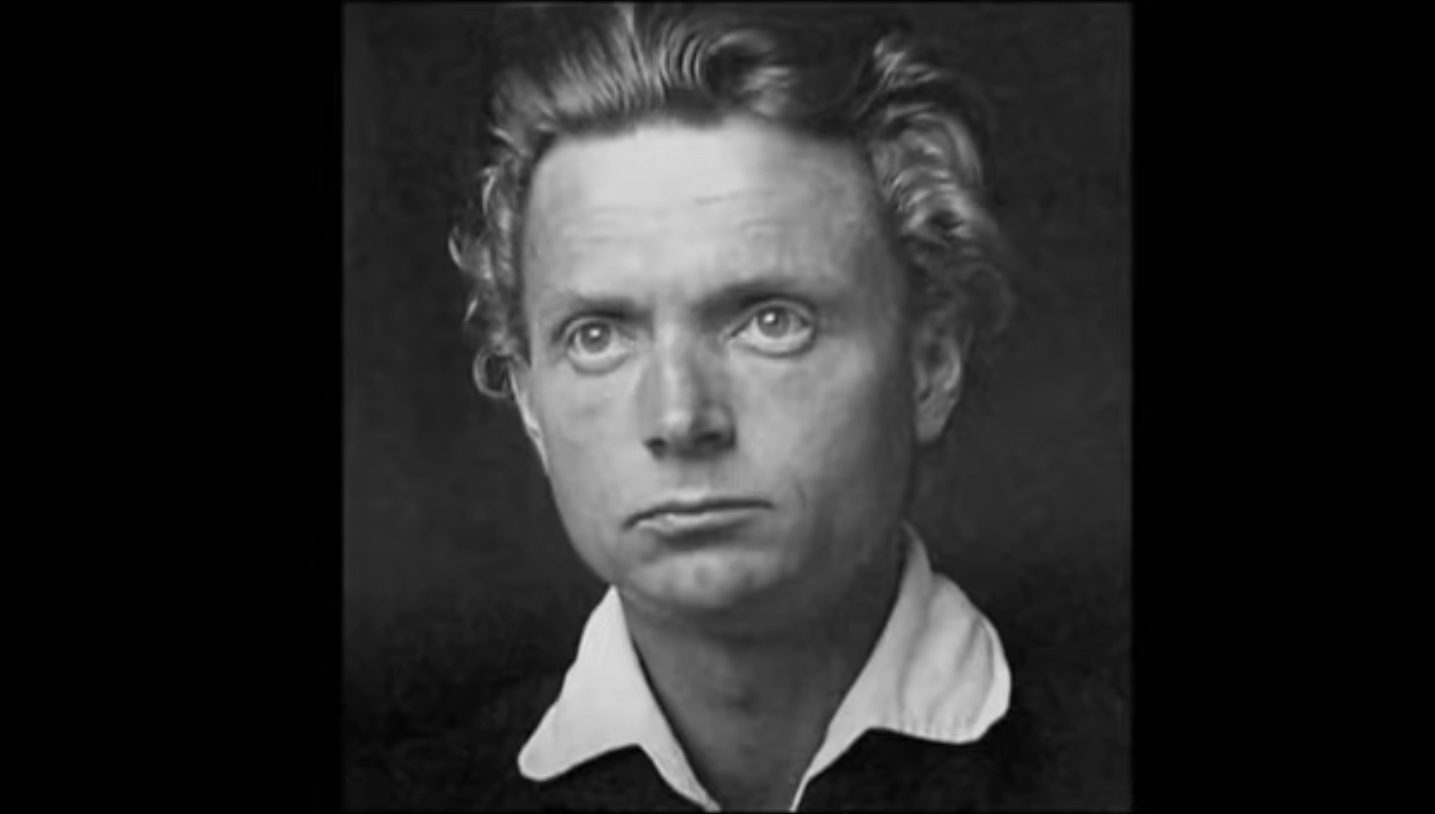
To prepare himself for the trying life on the island, Ritter took some extreme measures. He had his teeth removed and replaced with stainless steel dentures since he knew there would be no dentists on the island. He also refused to carry morphine, believing that any pain they encountered would have been overcome through the sheer force of willpower. Since Ritter was also a strict vegetarian, he decided to focus on growing crops and vegetables. The duo took seeds, which they planted in their garden. They also had chickens, which were used for their eggs. Dore also took in a donkey, Burro, whom she adored, and who was later tragically killed by a confused Heinz Wittmer. Since there was no one around for the first couple of years, the duo reportedly walked around naked at their house.
Their life on the island didn’t entirely cut them off from the world. They had a system to stay in touch with their loved ones and acquaintances, in which they would leave letters for them in a barrel placed at a specified location on the coast. If a passing ship saw it, they would pick up the items in the barrel and take them back to civilization. This also allowed Ritter to send his articles to newspapers, which were then published for the whole world to read. It was the continuous flow of his accounts that painted an enticing picture for others, such as the Wittmers and the so-called Baroness Eloise, to Floreana. Other people came to visit, to see how the good doctor and his partner were doing, and they would bring food and other supplies as gifts, which helped sustain the couple. One of those early visitors was Eugene McDonald, an American broadcaster who helped spread their story internationally.
Related


Ritter and Strauch’s Story Did Not Have a Happy Ending
Despite the challenges presented by their new home, Friedrich Ritter and Dore Strauch lived peacefully in Floreana. However, things started to change after the arrival of the Baroness. With her own ambition to start a lavish hotel on the island, she also reportedly stirred trouble between her neighbours, stoking the ire of Ritter as well as the Wittmer family. Ritter, too, began to change as the island suffered a drought and tensions with his neighbours started to escalate. And then, in 1934, the Baroness and one of her lovers, Robert, went missing, never to be seen again.
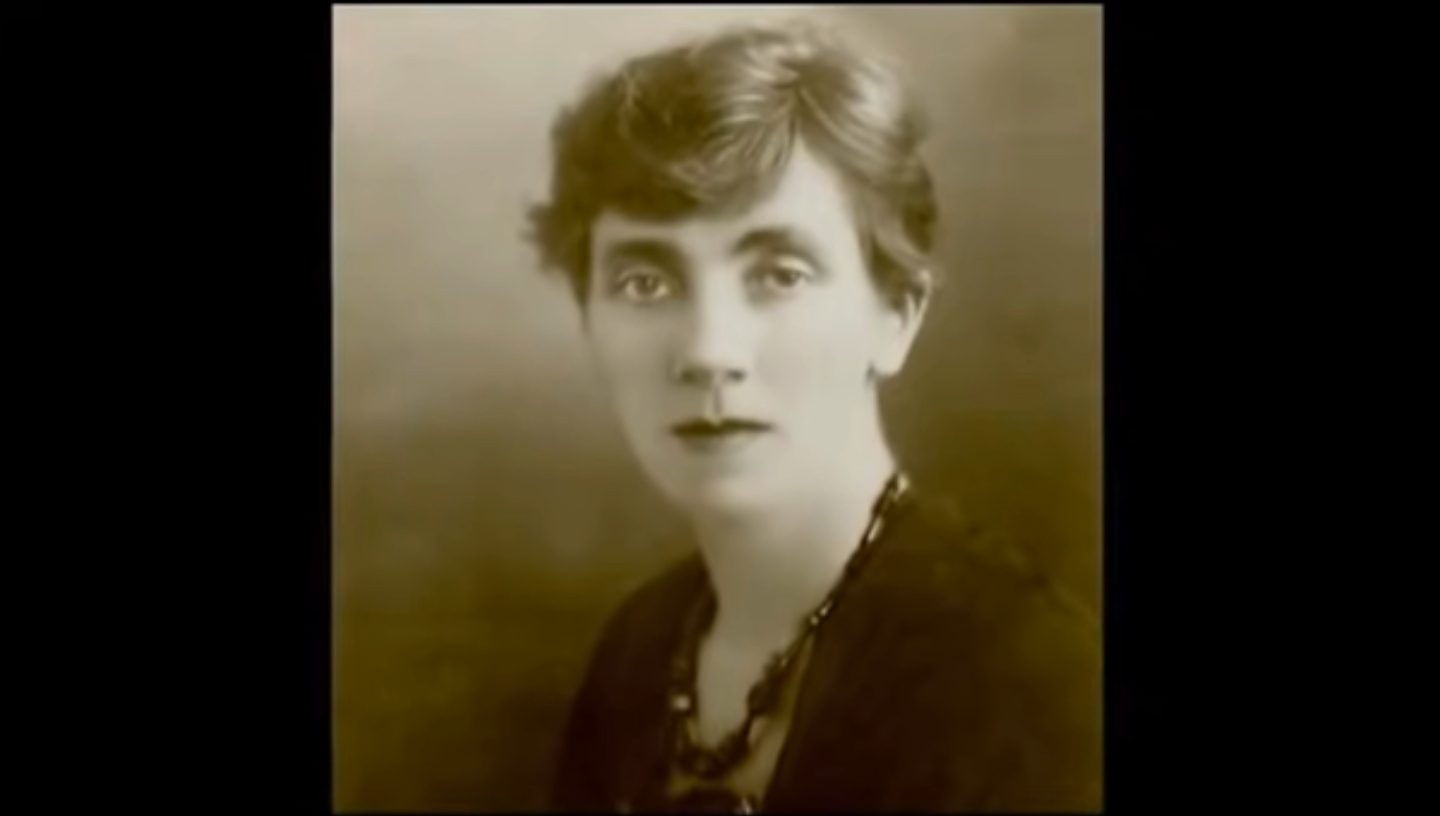
Ritter and Dore believed that the Wittmers were involved, and the doctor even wrote a letter to the authorities, sharing his claims. But since nothing was ever proven, no arrests were ever made. Some time after that, Ritter, too, met his end by food poisoning from spoiled chicken. This came off as suspicious because the doctor was known to be a staunch vegetarian, so his sudden turn towards meat did not seem right. Some later observers and writers speculated that Dore may have poisoned him as she reportedly waited for about a day and a half before telling the Wittmers about it, though no evidence ever supported this theory.
Margret Wittmer later claimed in her memoir, ‘Floreana,’ that Ritter had cursed Dore with his dying breath. In any case, there was no evidence to prove that Ritter had been murdered. In 1935, Dore left the island and returned to Germany, where she wrote her account of the events that transpired on the island in ‘Satan Came to Eden: A Survivor’s Account of the Galapagos Affair.’ She passed away in 1943 due to complications arising from Multiple sclerosis.

