
 Saagar Kote
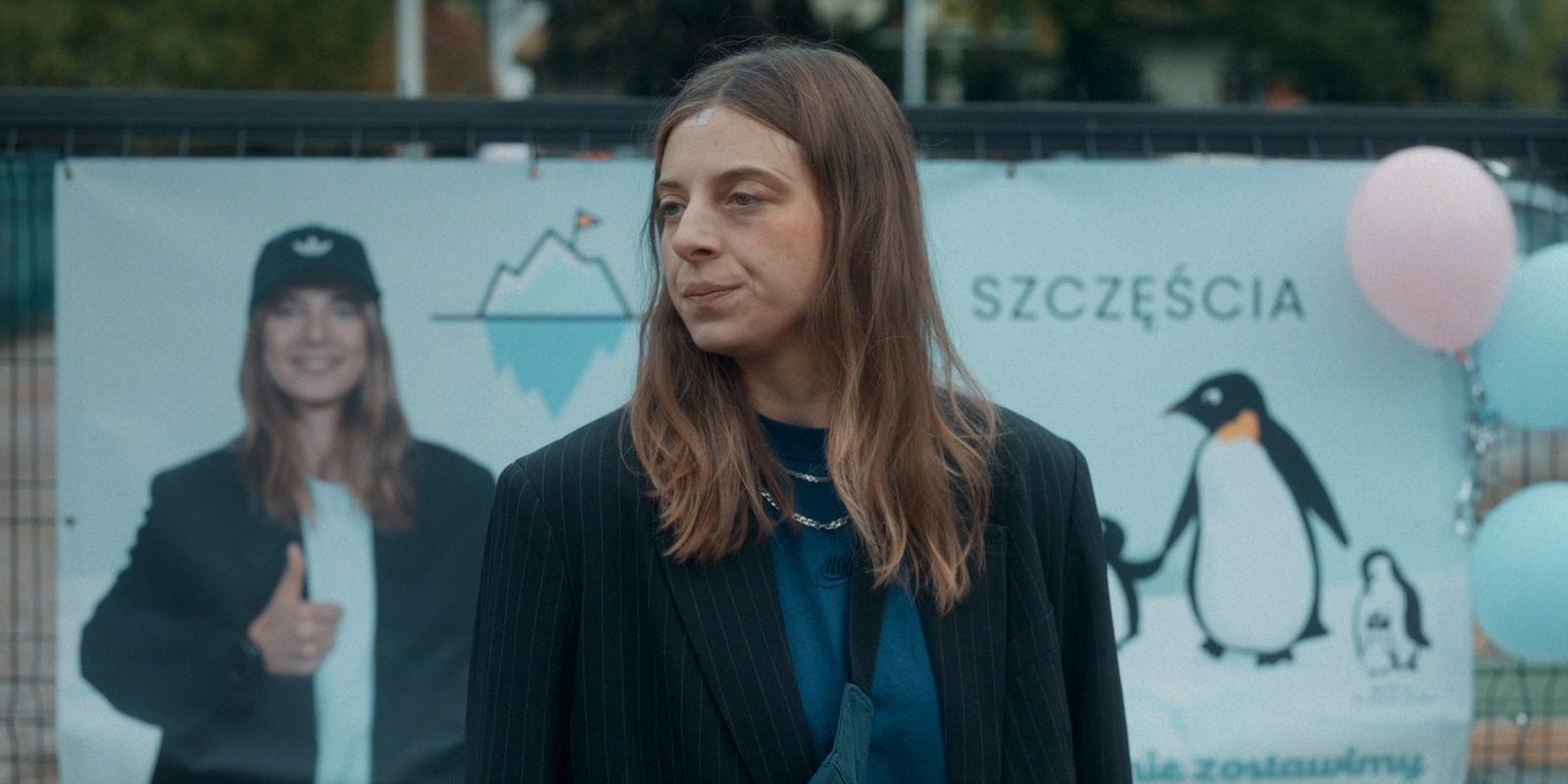
Set one year after the events of its first season, Netflix’s ‘The Mothers of Penguins’ or ‘Matki pingwinów’ returns for a second season as four friends take on the challenge of running Happiness Pole, a newly established school for children with and without special needs. Kama becomes the school’s CEO, with Ula serving as principal, Jerzy as vice principal, and Tatiana handling the finances. Having experienced the challenges of raising children with disabilities themselves, they hope to create a supportive environment for their students. Their efforts receive further support from Iga Cis, who joins the institution as its school therapist.
However, managing the school is not the only challenge the friends face. Tatiana struggles to make sense of her changing personal life as Grzesiek moves on with Lisa and becomes a father. Meanwhile, Kama begins dating Paweł, who already has a daughter named Mia from a previous relationship. As the friends adjust to their new responsibilities, they must balance the demands of running the school with the changes unfolding in their own lives. In the story, Happiness Pole plays a pivotal role in determining the futures of the characters. SPOILERS AHEAD.
Happiness Pole is a Fictional School That Serves the Needs of Diverse Students
Happiness Pole (Biegun Szczęścia in Polish) is a fictional institution in ‘The Mothers of Penguins’ that accepts students with or without special needs. The main mission of the school is to provide every student the space needed to find a voice, hone skills, and overcome health barriers. The school appears realistic because of the diversity of its student population. While some students are on the autism spectrum, others have developmental issues, and some face the challenges of Down syndrome. The school, run by Kama and her friends, is an experimental place where the staff tries to assess individual student demands, while also exploring how physical and mental difficulties can be addressed in the best possible manner. Happiness Pole also faces several challenges that connect it to real-life academics.
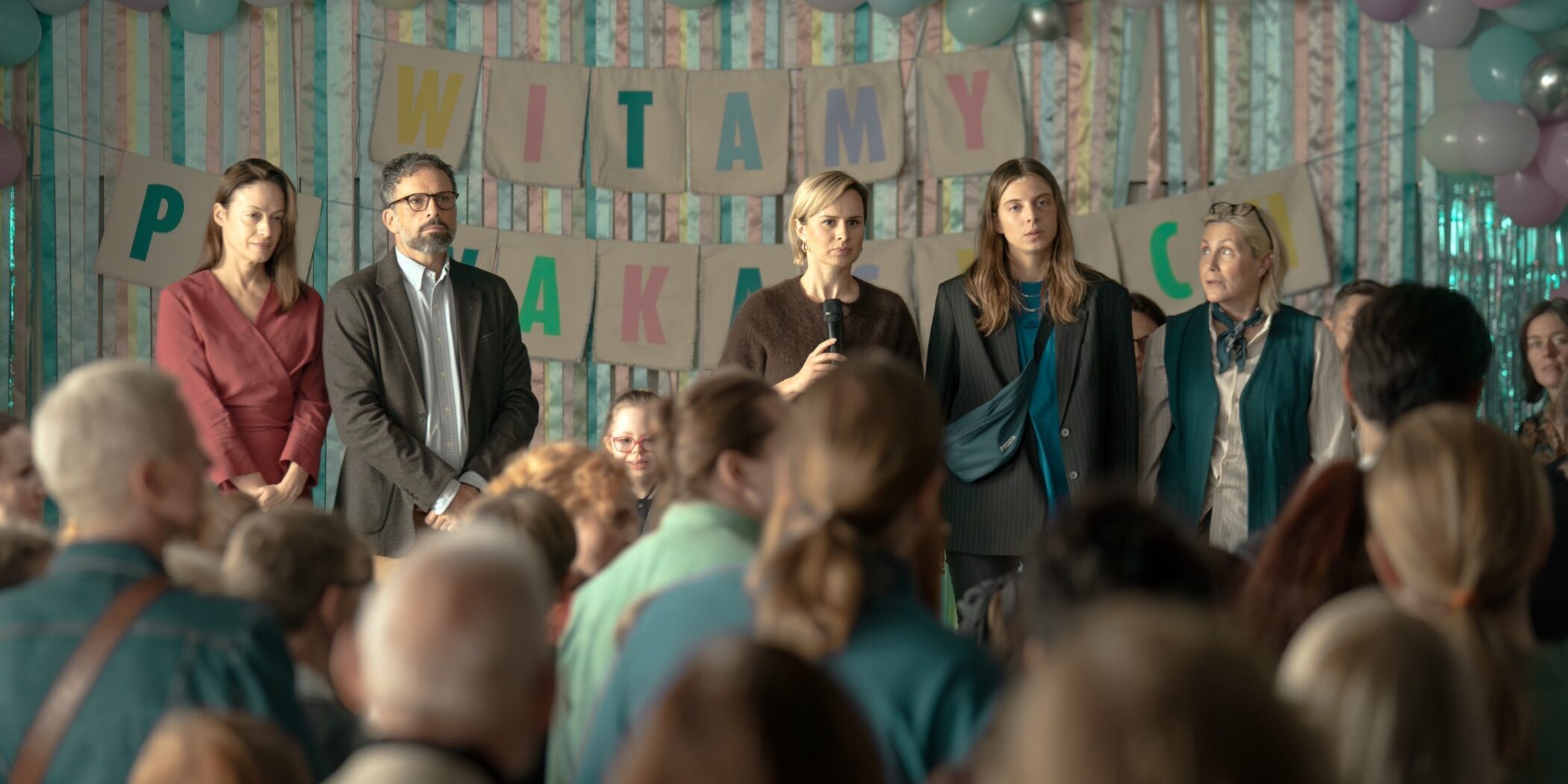
It has budgetary issues, a lack of proper planning, and disputes between staff members. The chaos within the school adds to the narrative’s authenticity, grounding it in real social issues. One of the most important parts of the school is its method of handling the differences between the students with special needs and those without. The institution makes every student feel welcome, not allowing these differences to interrupt the learning process. Along with administrative crises, the school also deals with confused parents, who sometimes blame the academy for even the smallest shortcomings. Happiness Pole also has a dedicated therapist to help students and teachers, making mental health an important part of its working environment.
Another unique part of the institution is how it depicts the social conditions of different families. Students come from different economic backgrounds, but they also feel a sense of belonging within the school. Happiness Pole also examines how cooperation can be maintained under trying circumstances, especially from the perspectives of teachers. Be it the messy classrooms, loud corridors, or chaotic events, the school always appears realistic, despite being a fictional entity. Ultimately, Happiness Pole is a symbolic representation of several social realities that schools face in the real world.
Read More: Is St. Hilary’s a Real School?

