
 Diksha Sundriyal
Hitler’s co-conspirators are put on trial in ‘Nuremberg,’ forced to face the course of justice for the crimes they have committed. The story primarily focuses on Hermann Göring, who claims that he had no knowledge of the concentration camps being used to kill millions of people. A psychiatrist, named Douglas Kelley, is brought in to evaluate him, but that’s not Kelley’s only job. He has to make sure that all the prisoners are in the right state of mind because, given the circumstances, they are all expected to take their lives. Some succeed in it before and during the trial, and the authorities don’t want the same thing to happen with Göring, who is the face of the Nazis after Hitler is dead. Once Göring is sentenced to death, it seems he will walk the gallows and meet justice. However, in a shocking turn of events, he takes his own life, with none the wiser about how he ended up with the resource for it.
Hermann Göring’s Access to Cyanide Remains a Mystery
Hermann Göring died on October 15, 1946, by ingesting a pill of potassium cyanide the night before he was to be executed for his crimes during the Second World War. Since he was a major subject of the international trial, the Allied leaders wanted him to face justice in front of the whole world, which is what made his suicide even more troubling. An investigation was launched into how he got hold of the cyanide pill. In the official report, it was concluded that he had been in possession of the vial containing cyanide all along. In the later years of the war, as the Nazis started to lose ground, it was believed to be a standard thing for the officials to secretly carry poison vials in case they were caught by the enemy. According to the report, Göring may have hidden it in a tooth cavity or his alimentary tract, or some other part of the body, where it could not be found in a regular search.
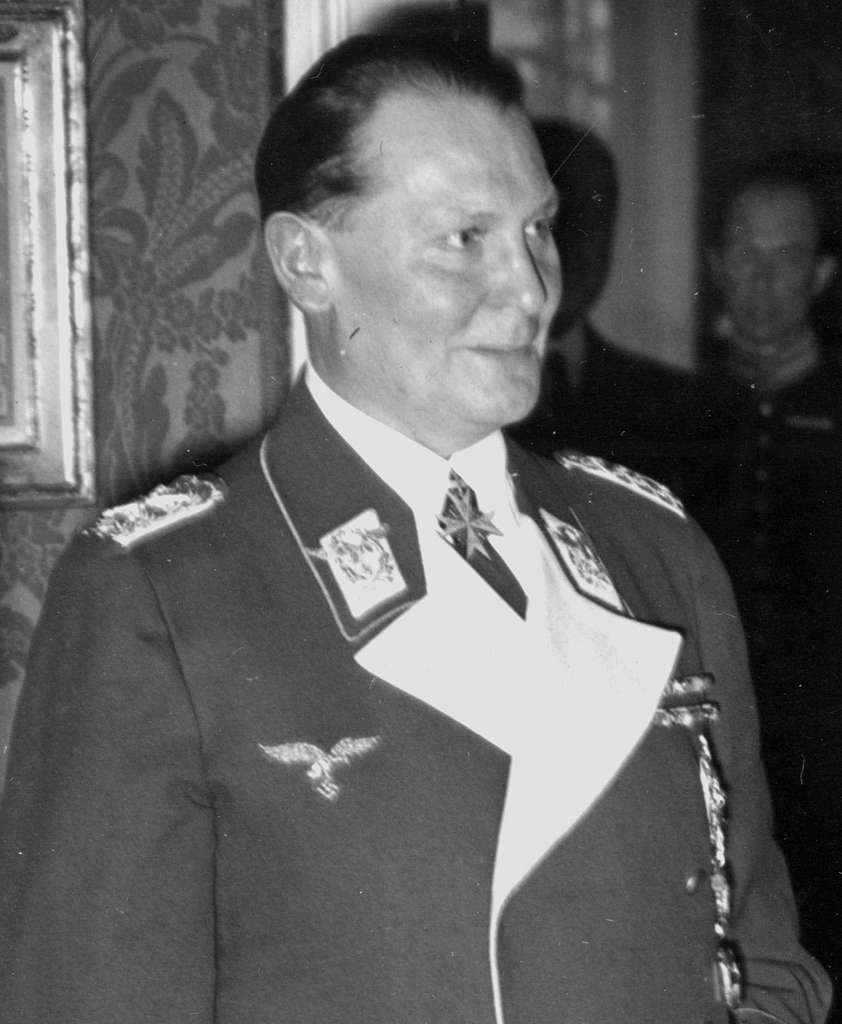
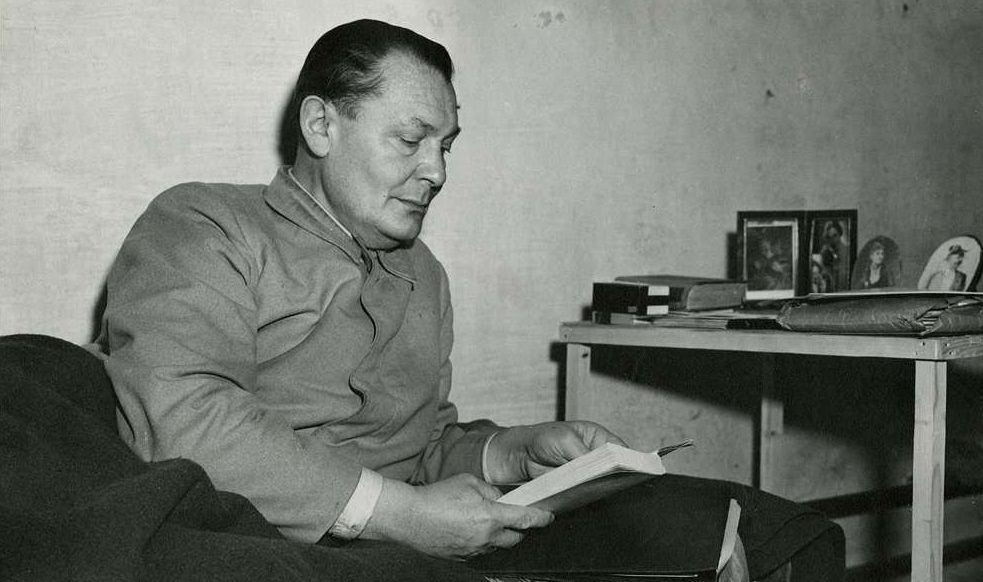
This theory received more weight from Göring’s suicide note, in which he revealed that he’d had the vial of cyanide all along. Reportedly, this was not the only vial that was found to be in his possession. A search of his belongings revealed another hidden vial. However, it had been in his baggage, which was removed from his possession after his entry into the prison, and was locked away in the storage room with the possessions of other prisoners. The theory that he had hidden the vial somewhere in his body is also backed by the fact that he reportedly did not bathe in the prison showers for about fifteen days before his death. While this may be the officially accepted explanation, historians and researchers have found loopholes in this theory.
The main question is posed on the feasibility of being able to hide the vial in his body for all the months he spent in prison. They wondered why, if he already had the vial, he didn’t use it before and waited until after the sentencing. In the same vein, if he had the vial in his baggage, how did he get it from the locker? This means that he must have received help, especially if the vial needed to be retrieved from some place. This led theorists to believe that perhaps one of the guards had helped him. The reason could be anything, from a bribe by Göring to someone’s sympathies for him. Apart from the guards, the German doctor who did regular checkups for Göring was also considered a likely suspect. It was believed that he may have passed the vial hidden inside a bar of soap. Some also believed that Göring’s wife, Emmy, may have slipped him the vial through a kiss.
The Prison Guards are Suspected of Giving the Cyanide to Hermann Göring
Over the years, several people have come forward with the claim that they were the ones who supplied the cyanide to Hermann Göring. One of those people was Herbert Lee Stivers, who came forward in 2005 in an interview with the Los Angeles Times. At the time, he was a 78-year-old retired sheet-metal worker living in southern California, but when Göring died, he was only nineteen years old. He was one of the guards and had gotten to know Göring over the several months of his imprisonment. Stivers described the Nazi as a “pleasant guy” who was “never in a bad frame of mind.” He revealed that he’d had many conversations with Göring about topics such as sports and aviation. Around that time, he claimed that he met a girl, named Mona, with whom he flirted a little bit. To impress her, he told her he was a guard at the prison where all the Nazis were being kept.

When she asked him to prove it, he first brought her the autograph of Baldur von Schirach and then the autograph of Göring himself. According to his claims, Mona was highly impressed by it, and she brought two of her friends, Erich and Mathias, who allegedly asked Stivers if he could carry a fountain pen to Göring. He was reportedly told that the pen had nothing but hidden notes, and the young soldier didn’t see any harm in that. The next time, they wanted him to carry another pen, but this time, it allegedly had a medication for Göring, who was “a very sick man.” Stivers didn’t think much of it and brought the pen to the Nazi officer. However, the next time, there was no Mona, and he never saw her friends again either.
Two weeks later, when Göring died, Stivers thought that the medication in the pen may have had something to do with it. He did not buy the official explanation of Göring hiding the vial inside his body. However, he was scared that this mess could have serious consequences for him, so he decided not to talk about it. He didn’t share this incident with anyone for a long time, and only told his daughter, Linda, about it years later. Eventually, she convinced him to come out about the truth. By this time, the statute of limitations had passed, so he couldn’t be prosecuted, which meant he didn’t need to be scared anymore. This led Stivers to give the interview to the LA Times. However, his claims have not been verified, even though his story seems entirely plausible.
The theory about one of the guards helping Göring has been circulating for a long time. Historian Ben Swearingen claimed in his 1984 book, ‘The Mystery of Hermann Goering’s Suicide,’ that a lieutenant named Jack Wheelis may have retrieved the vial from the storeroom after having developed a friendship with Göring. In another incident, Spectator columnist Petronella Wyatt claimed in 2003 that a war veteran of the US Office of Strategic Services called Ned Putzell told her that he was the one who slipped the pills to Göring. While Swearingen’s claims haven’t been verified, Putzell’s claims fall apart due to the incorrect details he provided. And so, the truth still remains elusive.
Read More: Did Russell Crowe Gain Weight for Nuremberg? Does He Speak German in Real Life?

