
 Kriti Mehrotra
Directed by Carlos Moreno and Claudia Pedraza, Netflix’s ‘Fugue State 1986’ (or ‘Estado de Fuga 1986’) is a crime drama that unapologetically reimagines the horrific Pozzetto Massacre. It doesn’t waver from the fact that the man behind the incident had actually gone on a spree killing on the fateful day of December 4, 1986, but it does hone in more on his possible psychological profile. That’s why characters such as Indira Quinchia and Guillermo Perea play a significant role in the original, as they help indicate who the perpetrator could have been if guided correctly.
Indira Quinchia is Not a Real Person, But She Does Convey a Very Real Message
From the moment we first come across Forensic Psychologist turned Taxi Driver Indira Quinchia on our screens, it’s evident that she wants to get to the bottom of why the massacre even happened. It turns out that while she does genuinely want to help victims and their families get the answers they deserve, she also has an ulterior motive – she wants to get rehired to the job she loves. She had been fired as a professional with the police for disclosing details of a case to an unauthorized person to help close it, and for seemingly having an affair with a co-worker for years.

Nevertheless, Indira had managed to secretly serve as a consultant with the help of a friend on the force, enabling her to delve into the actions of Vietnam War Veteran Jeremias Salgado. Her inquiries lead her to his unexpected friendship with Camilo Leon, which opens up the floodgates to suspicion on the latter owing to the duo’s “crime club” and his explicitly gory writings. In the end, though, she positively ascertains that not only did Jeremias act alone, but Camilo could have also spiraled to a similar point of no return if he hadn’t had loved ones to help him understand the meaning of care and morality. She ultimately even manages to convince a military service personnel to put in a good word for her so as to go back to being an official Forensic Expert and Psychologist for the government.
Indira thus represents the major role such professionals play whenever heinous mass killings occur across the globe, as they are the ones to break down the how and why behind the crimes. Their hard work as well as research further the understanding of the minds of criminals, which could one day aid law enforcement officials in planning how to avoid such cases altogether. However, Indira is not based on anyone in such a position, either in the past or the present; instead, she was concocted from the ground up by show writers for the sole purpose of giving the audience an insight into the killer’s psyche. The writers have indeed made it clear that, except for Jeremias being a version of Campo Elías Delgado, an army veteran studying literature at a local university and the real man behind the Pozzetto Massacre, almost everything is fictional.
Related
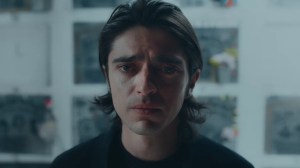
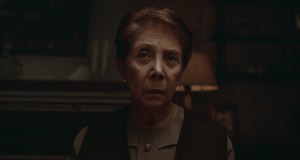
Guillermo Perea Seems to be a Cautionary Tale For All Military Personnel at a Higher Level
Since almost everything and everyone in the aforementioned original is fictional, the character of Military Intelligence Major Guillermo Perea is no different. In fact, the sole reason the Columbia-based US soldier is a part of the story appears to be to underscore how necessary it is for army executives/the government to realize when a veteran needs help. It’s undeniable that those who have actively served in the military often come back with anxiety, depression, paranoia, trauma, or post-traumatic stress disorder, so it is the responsibility of those at a higher level to care for them. If they fail to do so – as Major Guillermo Perea does in the case of former Sergeant Jeremias Salgado, even upon noticing his instability in the Netflix psychological crime drama – things can go really wrong, really quickly.
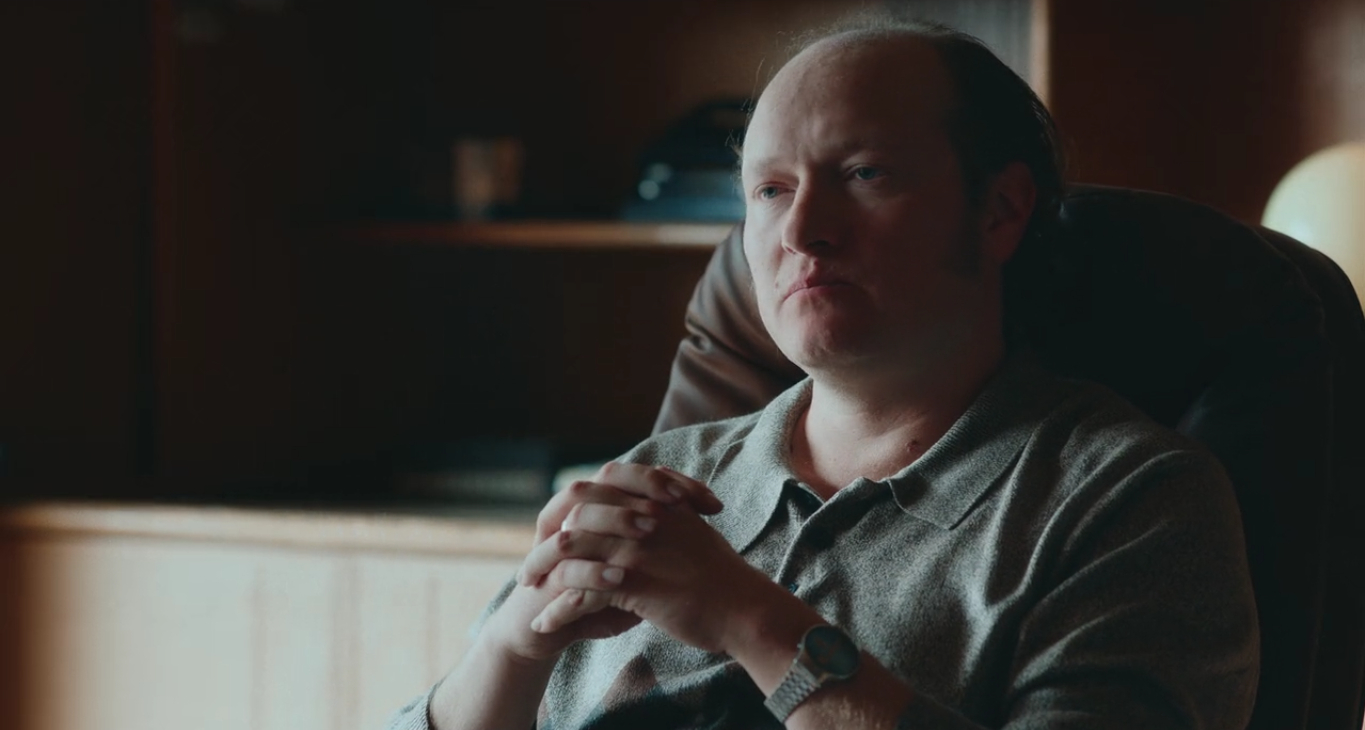
The presence of the Major seems carefully thought out to further support the theory that Jeremias had been part of a secret government program in the US. According to the show and reports, many think that the man responsible for the December 4, 1986, spree killings in Columbia had been a member of some secret mind-control project to create a near-perfect soldier. Therefore, since the writers admittedly used the 1980s as “not just a backdrop or a historical set piece,” but as a basis to define the characters’ perspectives, it seems like they also included the conspiracies that were rampant at the time.
As per records, many believed the US government had a secret mind control project and was actively testing the same on people to get an advantage in the ongoing Cold War, so that has been made a part of the series. “The 1980s are embedded in the characters’ psychology: in the everyday violence they live with, in the sense of hopelessness, in the way they relate to a city and a country where violence repeats itself in a vicious cycle,” said writer Ana Parra in an exclusive interview with Time Magazine in early 2025. “The atmosphere of the ’80s doesn’t just surround the characters: it defines their state of mind.”

