
 Aahana Swrup
The political drama film ‘It Was Just an Accident,’ directed by Jafar Panahi, charts a bold narrative about vengeance and its destructively cyclic nature. The story revolves around Vahid, a mechanic with a distraught past as a former political prisoner who was put through hell in the cells of an Iranian prison. One chance encounter convinces the protagonist that Rashid Shahsavari is actually Eghbal, the interrogator who tortured and tormented him during his imprisonment. He arrives at this conclusion by the mere sound that his prosthetic leg makes, which takes him back to his time with the Iranian Intelligence Officer, aka Peg Leg. As a result, when he brashly makes the decision to kidnap Rashid, Vahid finds himself assembling some of his fellow ex-political prisoners to confirm Eghbal’s identity and determine his fate. Despite spending much of the film in a box, Eghbal’s character remains extremely crucial to the story’s narrative and its grounded connections to reality.
Eghbal’s Fictional Storyline Evokes the Reality of Interrogation That Political Prisoners Experience
Despite the film’s deep social and political roots, ‘It Was Just an Accident’ is largely a fictional story penned by director Jafar Panahi. However, he drew significant inspiration from reality, including his own real-life experiences. The character of Eghbal, aka Peg Leg, becomes a reflection of this factual fiction approach. Under Iran’s authoritarian Regime, the ‘This is Not a Film’ director, unfortunately, has had multiple run-ins with the wrong side of the law. As the media remains state-controlled in Iran, independent publication, including journalism and artistry, remains severely oppressed in the country. As a result, over the years, Panahi has been incarcerated by the Regime multiple times, earning the charge of “propaganda against the Islamic state’ on his second imprisonment. It was during his second trip to the horrific slammer that inspired the filmmaker to create ‘It Was Just an Accident.’
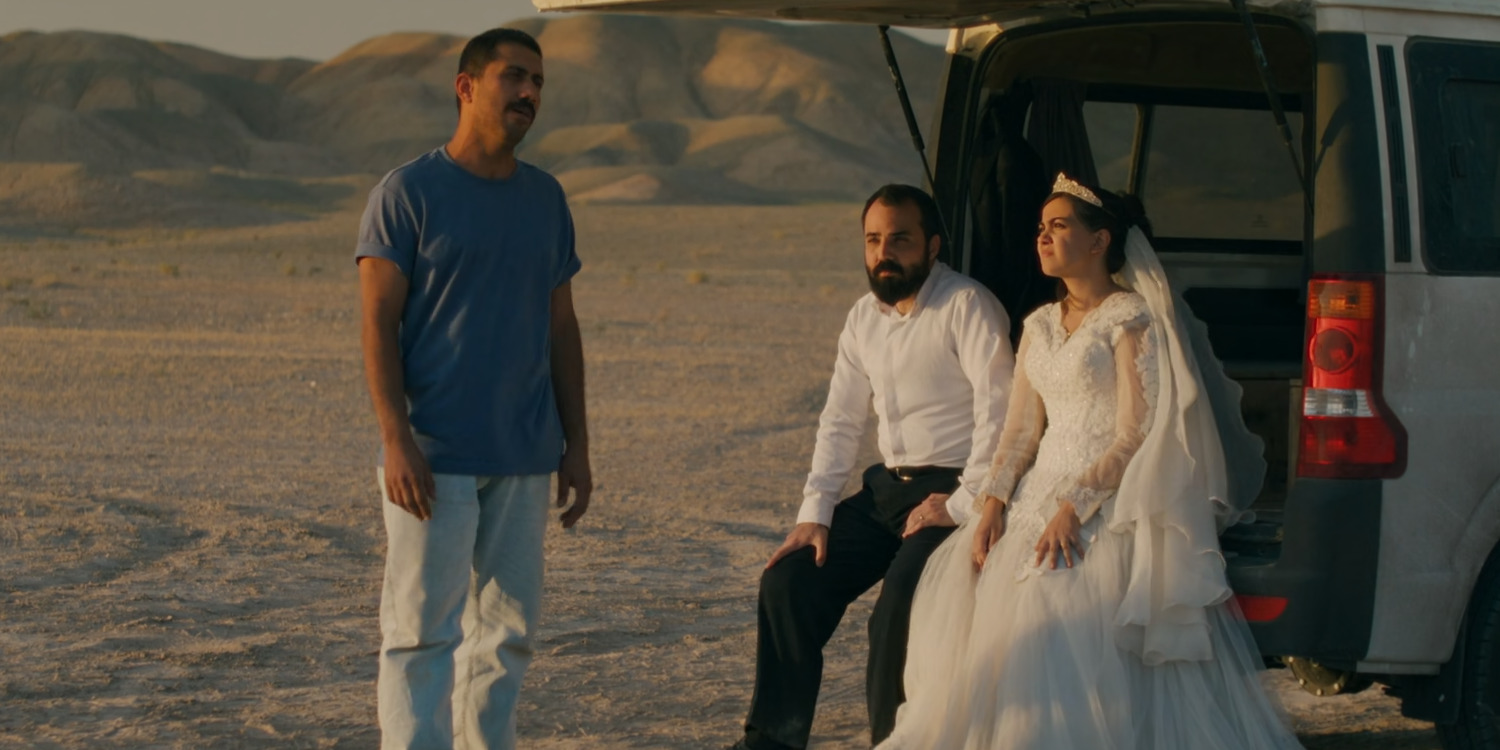
In the aftermath of his imprisonment, Panahi was moved to make a film meant for the people he had met behind bars during his own detention as a political prisoner. Thus, the basic premise of the film emerged: what would a group of ex-prisoners do if they were faced with their tormentor, who had abused and humiliated them in the past? Naturally, this turned the story’s central antagonist, Eghbal, into a culmination of the oppressors and interrogators whom Panahi or his friends may have crossed paths with. The horror stories that the characters of Vahid, Shiva, Goli, and Hamid have about their time as political prisoners are drawn from the brutal real stories of real Iranian prisoners. As a result, Eghbal’s corrupt involvement in it as an Iranian Intelligence Officer also remains based in reality.
Notably, in the creation of Eghbal’s character, Panahi found significant help from Mehdi Mamoudian, his friend and frequent collaborator. The latter, a human rights defender and journalist, who has spent “a quarter of his life” in prison, had already helped with the writing of the film’s dialogue. However, he proved to be an exceptional asset in shaping the Intelligence Officer into a fully fledged character. In a conversation with IndieWire, through interpreter Sheida Dayani, Panahi shared, “He (Mamoudian) gave the actor (Ebrahim Azizi) all the details about what interrogators usually do and how they usually behave. First, they come, and they play it dumb. Then they try to [say] ‘If you work with me here, I’ll work with you there.’ Then they might show some force. Then they might humiliate, then they might have hysterical laughs.” Azizi incorporates all these nuances into his performance as Eghbal, expertly bringing him to life on he screen.
Jafar Panahi Explores the Cycle of Violence Through Eghbal’s Character
The juxtapositional themes of vengeance and forgiveness remain some of the most pivotal ideas explored through Eghbal’s character. At the beginning of the story, Vahid sees the man as someone to exact revenge upon as punishment for the horrors that he himself had to endure at the other man’s hands. These feelings are evoked once other characters enter the fold. Nonetheless, while many of the former political prisoners are in favor of punishing their abusers, a consistent line of reasoning also remains regarding how stooping to the authoritarian regime’s level would mar the morality of Vahid and the others. As a result, the film pitches a pivotal question about the cyclic nature of violence and whether it’s a habit one can break out of.
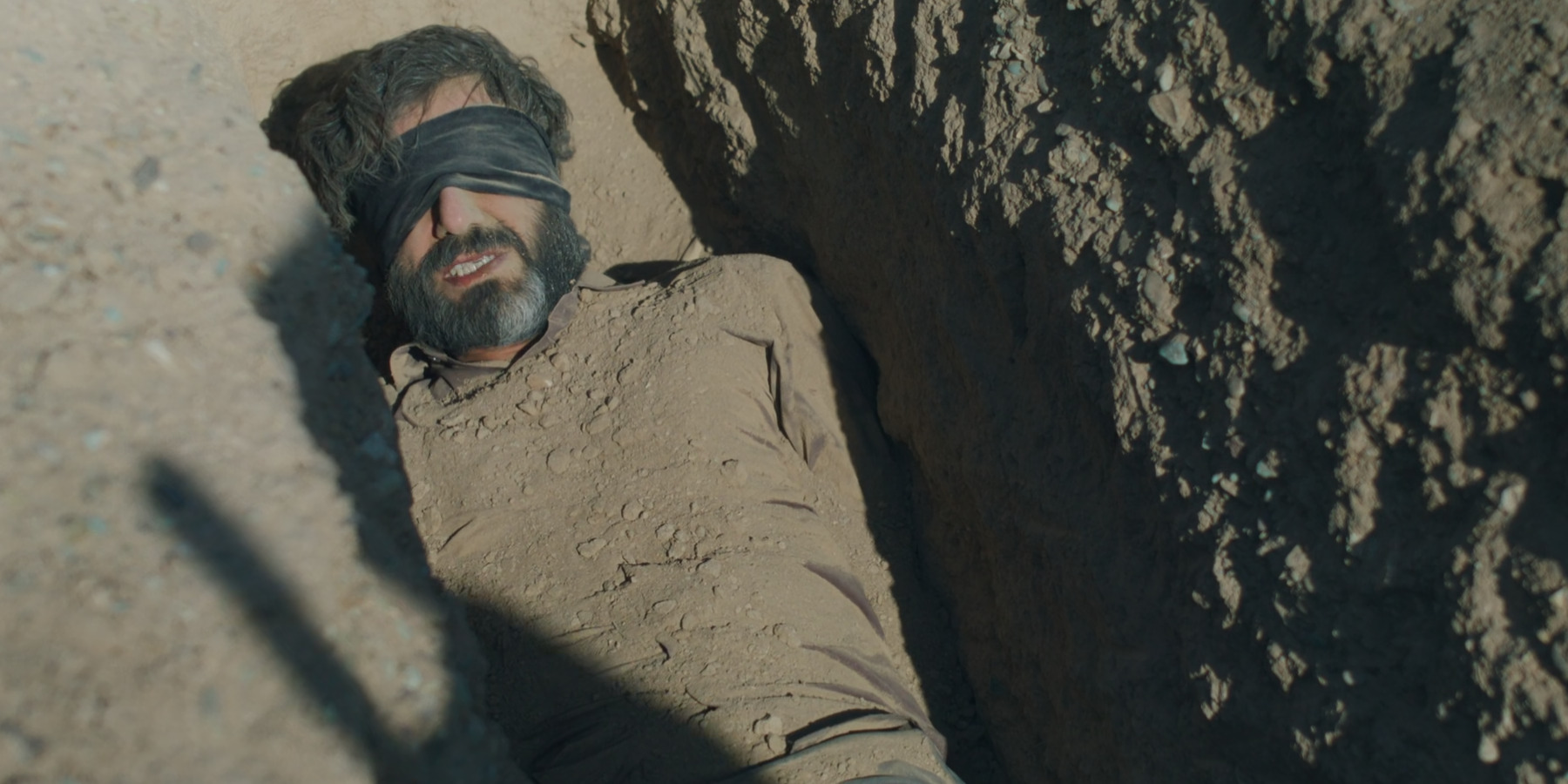
In a conversation with NPR, Jafar Panahi shared a story from the time of his imprisonment in Evin Prison in 2025. During that time, Israel shot missiles at the prison, which led to the obliteration of the entrance. Many of the prisoners fled to save their lives. However, many of the prisoners noticed people trapped in the Interrogation room, situated right in front of the entrances. Despite the traumatic nature of the interrogation room and the risk to their own survival, many of the prisoners chose to help out the people, including interrogators, out of the debris. The reality Panahi witnessed in that incident, where compassion and forgiveness dominated vengeance, and violence remains reflected in Eghabl’s narrative. Ultimately, even though the character remains a work of fiction, his relevance to the film’s universal themes keeps him grounded in reality.
Read More: It Was Just an Accident Ending Explained: Will Peg Leg Kill Vahid?

