
 Aahana Swrup
Originally titled ‘Yek tasadof-e sadeh,’ the Jafar Panahi directorial ‘It Was Just an Accident’ is a Persian dark comedy film that dives into the murky world of life under authoritarianism. A mechanic named Vahid leads the narrative as a former political prisoner who is simply trying to move forward with his life after his traumatizing imprisonment. However, his efforts to do so are halted when a stranger enters his garage one night. Although they never interact face-to-face, the sound of the stranger’s prosthetic leg takes Vahid back to his days as a political prisoner, convincing him that the other man is his brutal interrogator, Eghbal.
As a result, the next morning, the mechanic makes the rash decision to kidnap the stranger in an attempt to exact his revenge. Nonetheless, once faced with the reality of burying the man alive, Vahid can’t help but doubt his own beliefs about the stranger’s identity. Consequently, this reunites him with a small, eclectic group of fellow ex-prisoners, who try to decide their tormentors’ fate—and in doing so, their own as well. SPOILERS AHEAD!
It Was Just an Accident Plot Synopsis
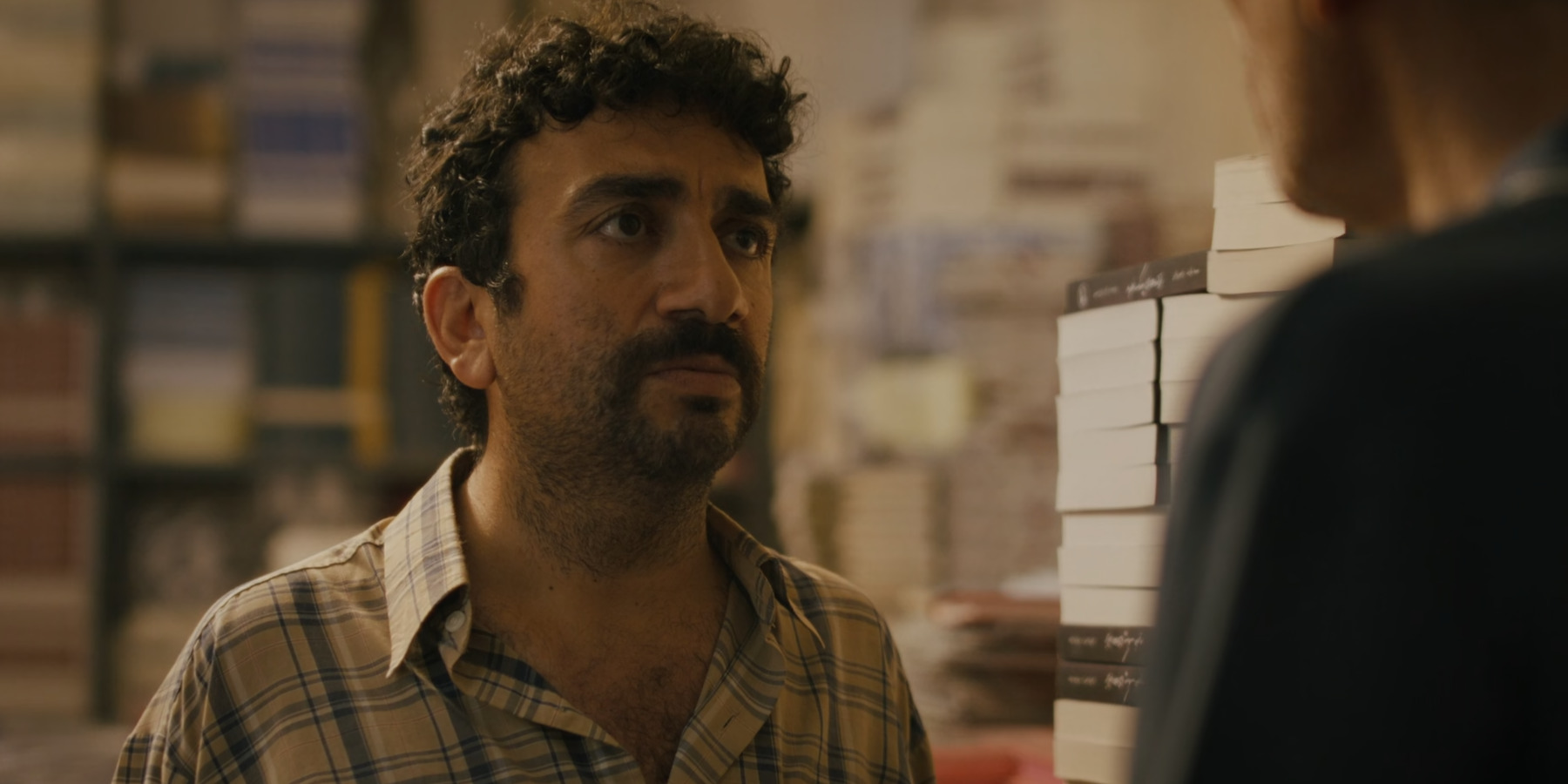
Rashid Shahsavari finds himself in a pickle on a car ride back home from a night out with his family. Shortly after running over a stray dog, his car stops working, stranding the family in the middle of the road. Fortunately, he’s able to find a garage nearby, where a worker offers him a quick fix for the problem. The garage belongs to Vahid, a man who was previously arrested as a political prisoner for the same simple “crime” of asking for his wages. When the mechanic hears the sound of Rashid’s footsteps, uniquely creaky due to his prosthetic leg, he’s starkly reminded of his brutal time in prison, where he was tortured and interrogated. Even though Vahid ends up following the man back to his house under the cover of the night, the night passes without any incident. The next morning, when Rashid leaves to get his car fixed, the mechanic covertly kidnaps him from the street and takes him out to the desert.
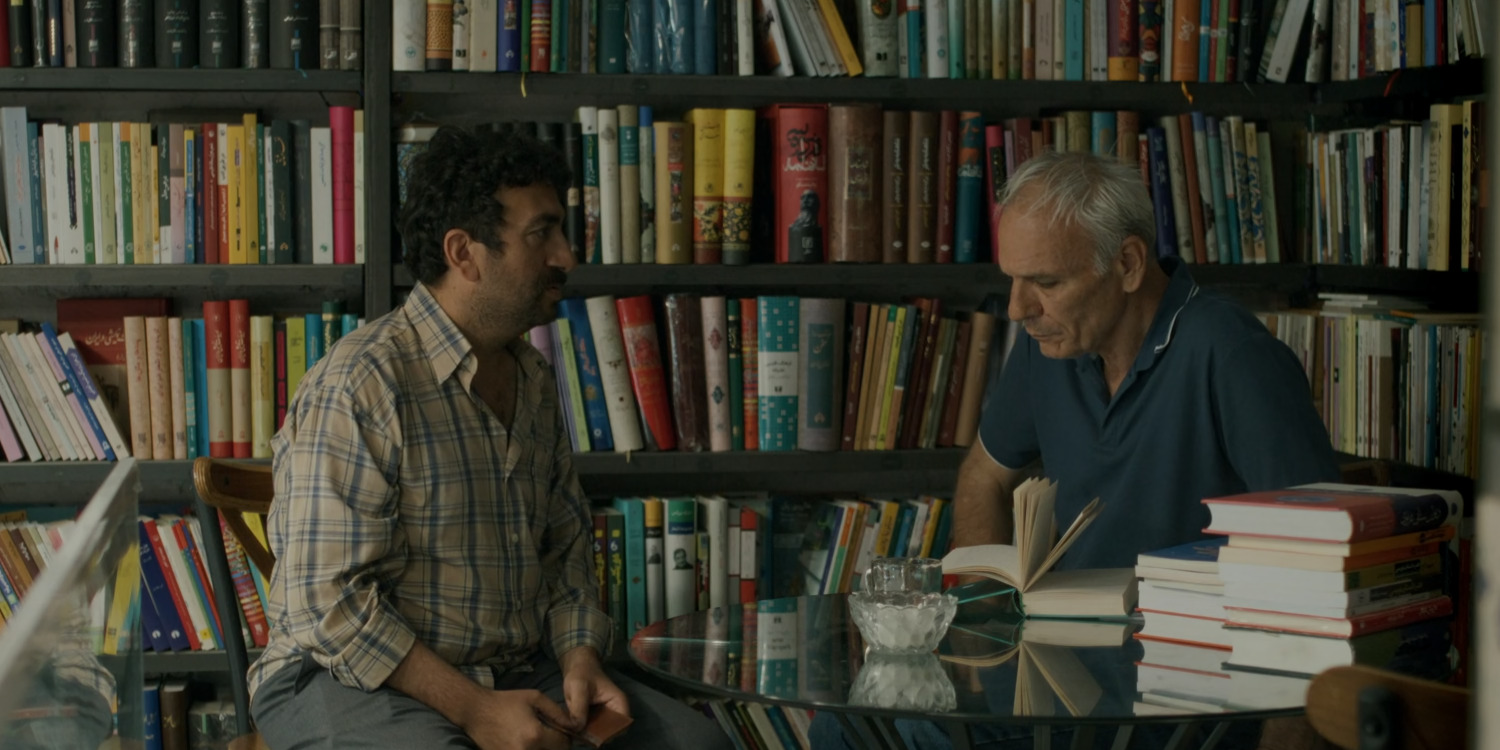
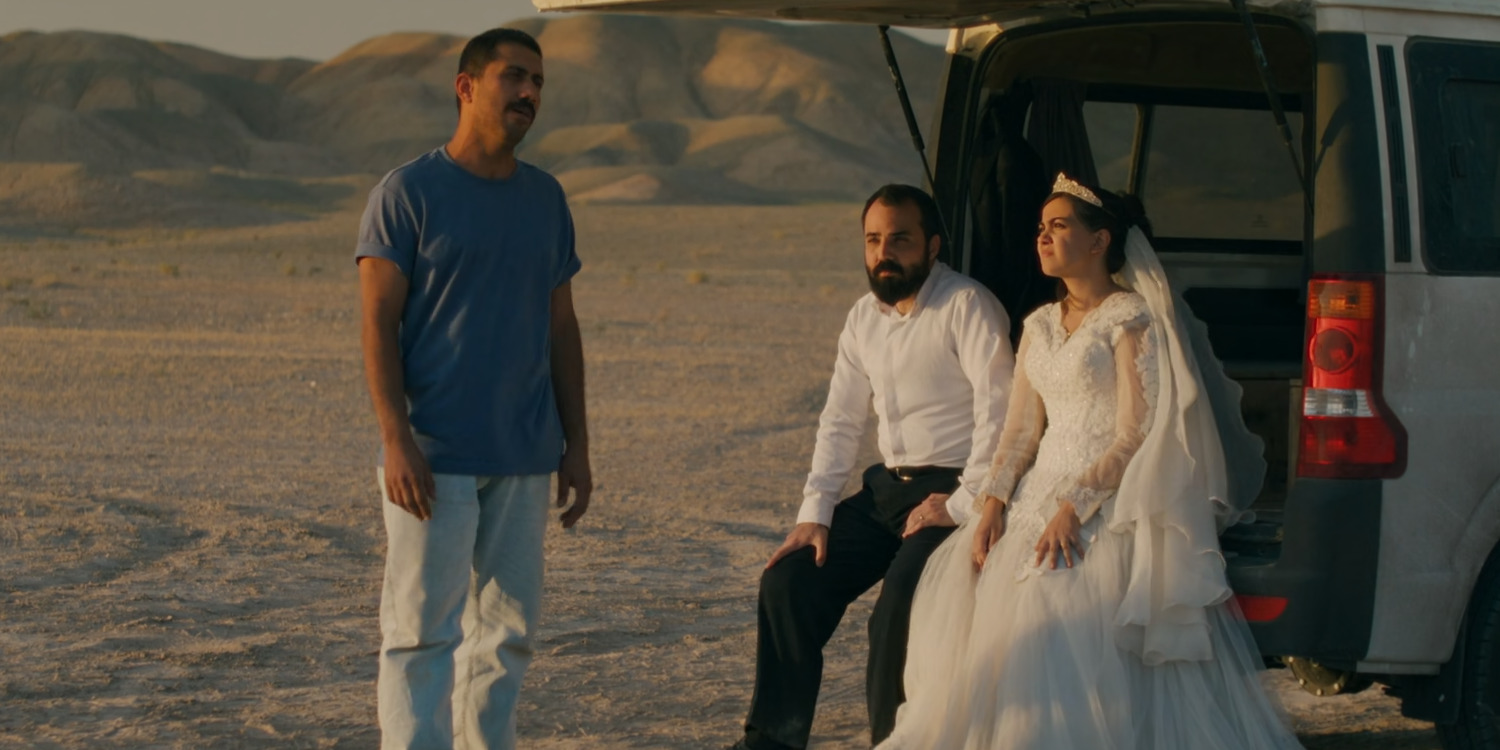
In the middle of nowhere, Vahid dumps the stranger in a pre-dug grave. Yet, once Rashid begins denying any connection to the interrogation of political prisoners, the mechanic can’t help but take a pause. Where he had been convinced of the stranger’s identity as “Eghbal,” his interrogator, earlier, he grows doubtful of his own conclusions. As a result, he decides to knock out his target, store him in a box in the back of his van, and seek out help from his friend, Salar. While the latter refuses to entangle himself in the matter, he points Vahid towards Shiva, another victim of Eghbal’s during political imprisonment. Initially, the woman, a wedding photographer, is highly reluctant to get her own hands dirty even if it’s in pursuit of revenge. Still, she eventually ends up agreeing to try to identify the guy. Inevitably, this attracts the attention of the future newlyweds she was photographing, Goli and Ali.
Of the two, Goli is another ex-political prisoner who grows desperate for revenge against Eghbal once she realizes Vahid may have him in his captivity. Even so, despite their fairly confident belief in the stranger’s identity as their tormenter, none can be fully sure. For the same reason, Shiva ends up bringing Hamid, a local hothead who shares the same past as the group, into the fold. The man is instantly able to identify Rashid as Eghbal by the feel of his legs, one amputated and the other littered with war-earned scars. However, while he’s eager to kill the Rashid for everything he had done to them, the rest of the group still remains cautious. Unexpectedly, their evening is sidetracked when Rashid’s young daughter calls on his cellphone regarding her pregnant mother’s health. In a moment of reckless compassion, Vahid ends up driving out to the family’s house to help the kid take her mother to the hospital for the birth of her baby brother. In the aftermath, as the night winds down, arguments and infighting lead the group to part ways.

Even so, Shiva decides to stay behind to help Vahid see things through to the end. This brings the duo back to the desert, where they tie Rashid up to a tree, blindfolded. However, unlike the morning, the man no longer seems scared for his life. Instead, he’s sure that his kidnapper is not a killer and thus incapable of the act. In fact, he even goes as far as to admit his identity as Eghbal. Yet, he refuses to show any regret for his actions. Instead, he proclaims that if he survives the night and finds his family safe and sound, he’ll simply forget about the entire incident and spare his kidnapper. On the other hand, he insists that should he die, he would embrace the death of a martyr proudly. This compels a distraught Shiva to confront Eghbal head-on in an emotionally charged exchange. In the end, she and Vahid decide to let the man live and move forward with their own lives. In the following days, the mechanic once again hears the eerie sound of Eghbal’s footsteps outside his home.
It Was Just an Accident Ending: Will Peg Leg Kill Vahid?
Once the mystery of Rashid’s identity as Eghbal is resolved, and so is the question of his demise, the film leaves the viewers with a different aspect to ponder as the story comes to its conclusion. The ending finds Vahid in his house, preparing to visit his sister with her trousseau. During this time, a car, similar to the one Rashid drives in the film’s beginning, pulls up near the house, and the sounds of footsteps can be heard. These footsteps are distinct in the squeak they possess of Eghbal’s peg leg. It’s the same sound that alerted Vahid to Rashid’s identity as her interrogator the first night he saw him. Therefore, when the mechanic hears it again now in broad daylight, and at his own house, he’s stopped in his tracks. The camera remains pointedly focused on the back of the protagonist’s head, as he refuses to turn around to face his fate.
After a pregnant pause, the same footsteps retreat and fade into the background. In these last few moments, the story manages to build a dreadful suspense with some simple implication: the return of Eghbal, aka Peg Leg. However, it’s the future that this implication suggests that offers the real horror. Has Eghbal returned to exact his own revenge on the man who kidnapped him and made him fear for his life for an entire day? Despite its horror, this assumption remains easy to stomach. Vahid hadn’t been particularly careful in his emotion-driven decision to get back at his interrogator and tormentor. As a result, although he never lets Eghbal see his face, he’s happy to talk to him enough to make himself recognizable by voice. With enough effort, it shouldn’t take long for Eghbal to connect the voice of his kidnapper to the mechanic from the night before, which would lead him right to Vahid’s doorstep.
Yet, even though this is a viable conclusion, an alternate, more hopeful reading of the scene is also possible. Perhaps, Eghbal is at Vahid’s house, not out of a desire for vengeance, but rather as a silent acknowledgement of his regret. He wants the mechanic to know that even though it would be easy for him to exact his revenge, he’s choosing to walk away from the incident, conceding the error of his own ways. During the final confrontation between Vahid, Shiva, and Eghbal, the latter initially employs a stubborn nonchalant disposition, refusing to denounce the cruelty he had inflicted on his prisoners. In turn, the ex-political prisoners, direct victims of the interrogator and the Regime’s violence, recount the reality of their torment, demanding the other man’s apology. Eghbal can only hide behind his desperate belief in his own moral superiority for so long. Eventually, he cracks, admitting that he knew what he was doing wrong when he had done it.
Eghbal claims that he was also a cog in a cruel system, a man trying to make a living, who ended up on the other side of an authoritarian blade. Although he was aware of his wrongdoings, he inevitably ended up buying into the lies that people like Vahid and the others deserved the violence inflicted on them. This concession was made in an effort to justify his own actions and find a way to live with them. Yet, once all his bravado and talk of martyrdom are chipped away, he’s forced to confront the reality of his actions. In the moment, this compels him to cry out an onslaught of apologies, begging his kidnappers to spare his life and let him see his son. If one strives for cynicism, one might be able to accuse Eghbal of duplicity and manipulation in this moment. The interrogator has been kidnapped, tossed in a grave, drugged, and kept locked up in a car, all the while blindfolded for the entirety of a day.
This reading of Eghbal’s character would allow viewers to believe he’s simply duping Vahid and Shiva into sparing his life, all the while not meaning a single one of his regretful confessions. As a result, it would be easy to believe, in the film’s ending scene, that he has returned to end Vahid’s life. Nonetheless, a more hopeful approach reveals Eghbal’s final scenes as a raw expression of his own humanity. Despite the hurt he has inflicted on others, he isn’t a demon detached from empathy, but rather a human with a guilty conscience. This interpretation of the ending allows room for a hopeful future, one defined by the end of the cyclic nature of violence, one where vengeance is discarded in favor of healing. However, in accepting this version of Eghbal’s character, it’s important to note that he couldn’t have arrived at this conclusion without experiencing a perfect example of it as showcased by Vahid and Shiva. Such an ending becomes a direct fruit of their decision to show him empathy, despite holding more than ample justification to act otherwise.
Why Do Vahid and Shiva Spare Peg Leg’s Life?
Throughout the story, the horrifying reality of Eghbal and his colleagues’ brutal treatment of political prisoners is revealed little by little. In order to fully understand the depth of this horrifying torture, it’s crucial to understand the geopolitical context of the story. Vahid’s narrative takes place in Iran, a country with an authoritarian Regime that remains a point of criticism for its severe human rights violations. In the film, Vahid and the others are labeled as political prisoners, but most of their crimes are incredibly minuscule. The mechanic himself was thrown into prison for simply demanding his wages after being robbed of them for months. On the other hand, Shiva’s crime is implied to constitute her simple refusal to submit to the Regime’s oppressive laws regarding women’s clothing. These crimes are small, even contextually, yet their punishment comes in droves.
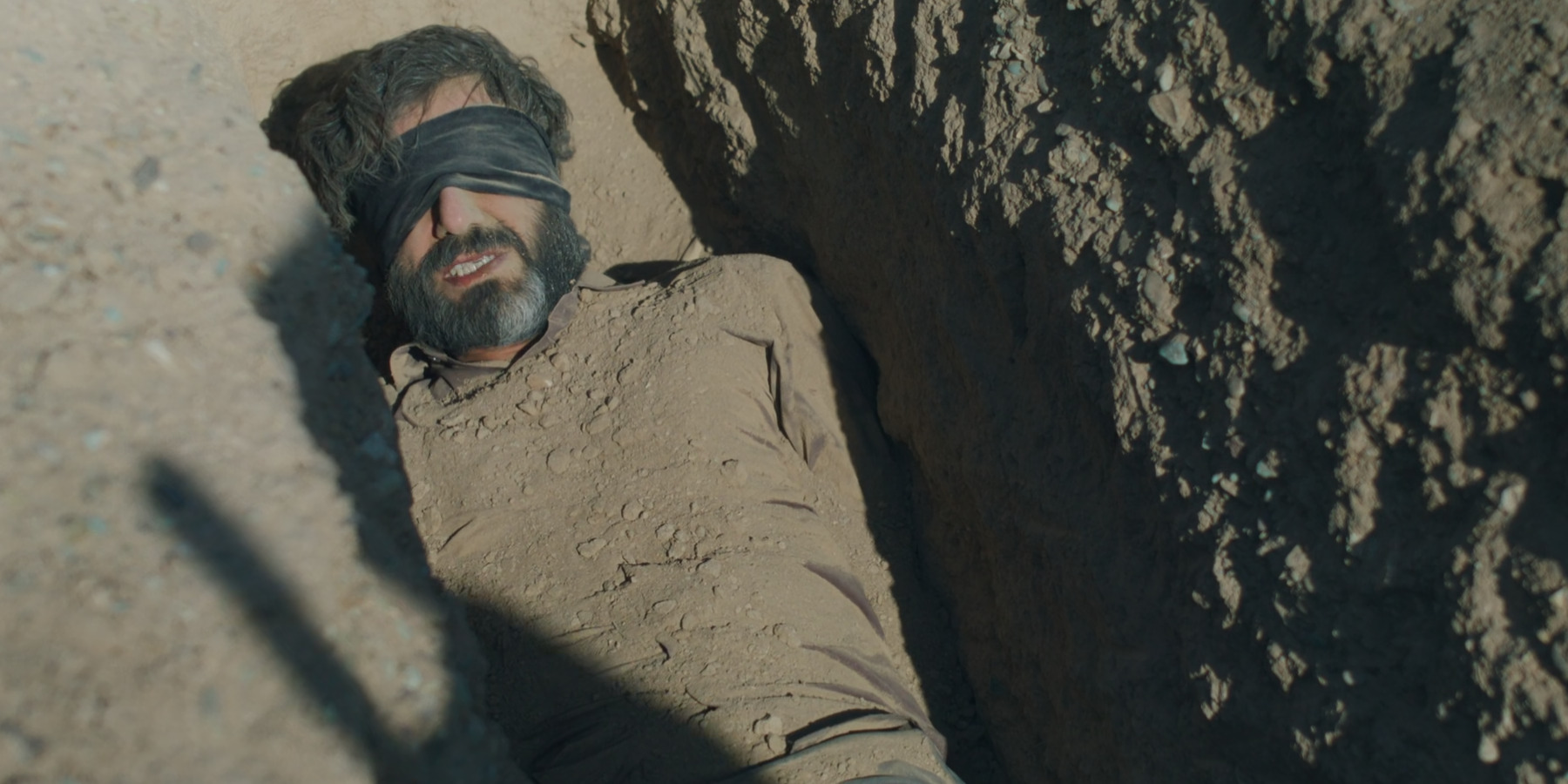
As political prisoners, Eghbal put Vahid and the others through hell, through physical and psychological torture. The latter were kept imprisoned with blindfolds on, abused, and humiliated until a confession could be forced out of them. Their families were threatened, the women were faced with the threat of sexual assault, and worse. Goli underwent immense trauma after she was made to believe she was waiting on a platform to be hanged for hours. As the authorities carry out these atrocities, they claim that if they’re victims are innocent, all will be made right in heaven, thus absolving themselves of all blame. Yet, even after going through such torture, both Vahid and Shiva decide to spare Eghbal’s life in the aftermath of his raw repentance. They simply cut one of his hands loose and leave at the tree with his phone, giving him an opportunity to return to his old life.
It’s likely that both Vahid and Shiva know the risks of doing such a thing. Even so, they decide to showcase kindness and empathy in the face of cruelty. Eghbal, a proxy for the authorities, has ruined the lives of the two and many others like them. However, while there’s a natural desire for revenge, both individuals recognize what the reality of the same would look like. Killing Eghbal might bring them a moment of satisfaction and justice for their past selves. Nonetheless, it wouldn’t solve anything. It wouldn’t cure them of their trauma, and it wouldn’t spare them from their grief. Instead, it would only stain their own moralities and bring them one step closer to the same powers that abused them. Therefore, Vahid and Shiva give Eghbal a taste of his own medicine, which forces him to confront his cruelty and admit to his mistakes. Afterward, they let him go, returning a man to his family, and refusing to give in to the temptation of violence in the name of justice.
Read More: 10 Movies Like It Was Just an Accident You Must See

