
 Shivangi Sinha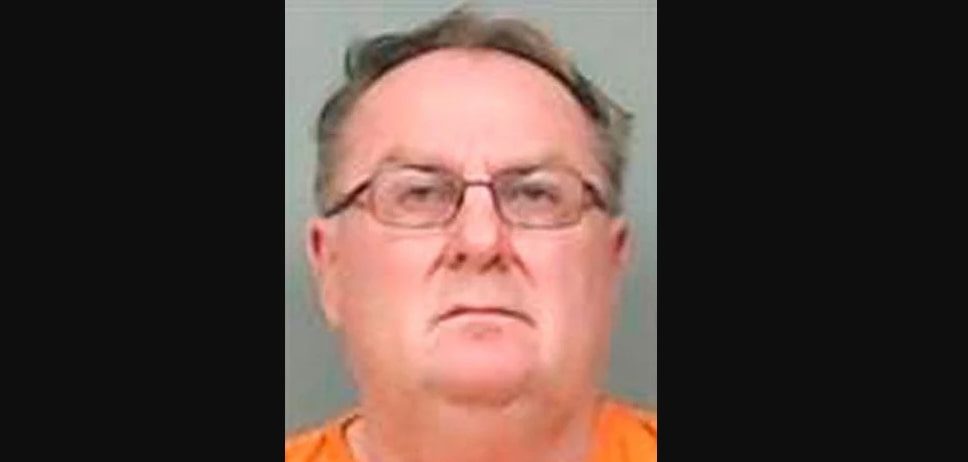
The murder of Michelle Martinko in December 1979 raised numerous questions, many of which remained unanswered even decades later. While the eventual arrest of the killer brought a measure of resolution for her family and friends, it did not fully explain what had happened or why. In 2018, Iowa resident Jerry Burns was arrested after investigators identified him through DNA genealogy. Although Burns never provided investigators with a motive behind the crime, he also didn’t offer a clear or detailed account of the events. The investigative process, along with recorded interrogations of Burns, was later featured on NBC’s ‘Dateline: And Then There Were Three,’ which highlighted the decades-long effort by law enforcement to finally identify and apprehend the killer.
Jerry Burns Wasn’t a Possible Suspect Immediately After Michelle Martinko’s Killing
Jerry Lynn Burns was born on December 23, 1953, and grew up in Manchester, Iowa. He attended West Delaware High School and graduated in 1972. When Michelle Martinko of Cedar Rapids, Iowa, was murdered on December 19, 1979, and her remains were discovered in a mall parking lot, Burns was not considered a suspect. At the time, investigators found no known connection between him and Michelle, and he was never interviewed during the initial stages of the investigation. In the years that followed, Burns lived a seemingly ordinary life. He worked for Deere & Company and later became a co-owner of a truck repair business. He was married to Patricia Burns, who died in 2008. Her death was officially ruled a suicide.
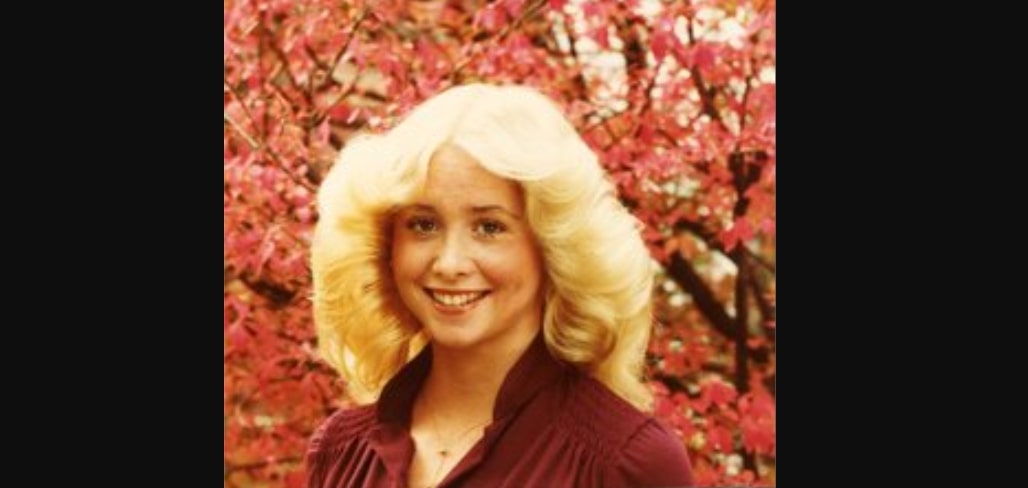
Burns was known as a devoted and attentive father to his children and shared a particularly close bond with his daughter, Jennifer Burns. For decades, nothing connected him publicly to the murder of Michelle. That changed in 2018, when investigators made a major breakthrough in the long-cold case. Using genetic genealogy, police narrowed their focus to Jerry Burns and his two brothers, Donald and Kenneth Burns, as potential suspects. To confirm their findings, investigators secretly obtained DNA samples from the brothers. In October 2018, Jerry’s DNA was collected from discarded items in his trash, including drinking straws he had thrown away after consuming a soda.
The sample was submitted for forensic testing and was found to be a match to the DNA profile recovered from the crime scene years earlier. With this confirmation, detectives moved forward in the investigation. On December 19, 2018, law enforcement officers approached Jerry Burns and brought him in for questioning. At the time of the investigation, Jerry Burns owned a powder-coating business in Manchester, Iowa, and it was there that detectives questioned him about his whereabouts on the day of the crime. During the interview, Burns denied any involvement in Michelle Martinko’s murder. However, when police informed him that his DNA had linked him to the crime scene, his response was neither a full denial nor an admission. Instead, he repeatedly told investigators to “test the DNA.”
Related


Jerry Burns is Serving a Life Sentence in an Iowa Prison Today
Jerry Burns was arrested later that same day in December 2018. He initially refused to provide a DNA sample voluntarily, but authorities obtained and executed a search warrant requiring him to comply. The DNA collected directly from Burns matched the forensic evidence recovered from Michelle’s clothing at the crime scene. Based on this match, prosecutors charged him with first-degree murder, formally accusing him of the killing that had remained unsolved for nearly four decades. Burns’ trial was originally scheduled to begin in October 2019, but his defense team requested a delay to allow more time to locate and prepare additional witnesses. They also sought a change of venue, arguing that extensive publicity and public speculation surrounding the case could influence potential jurors.
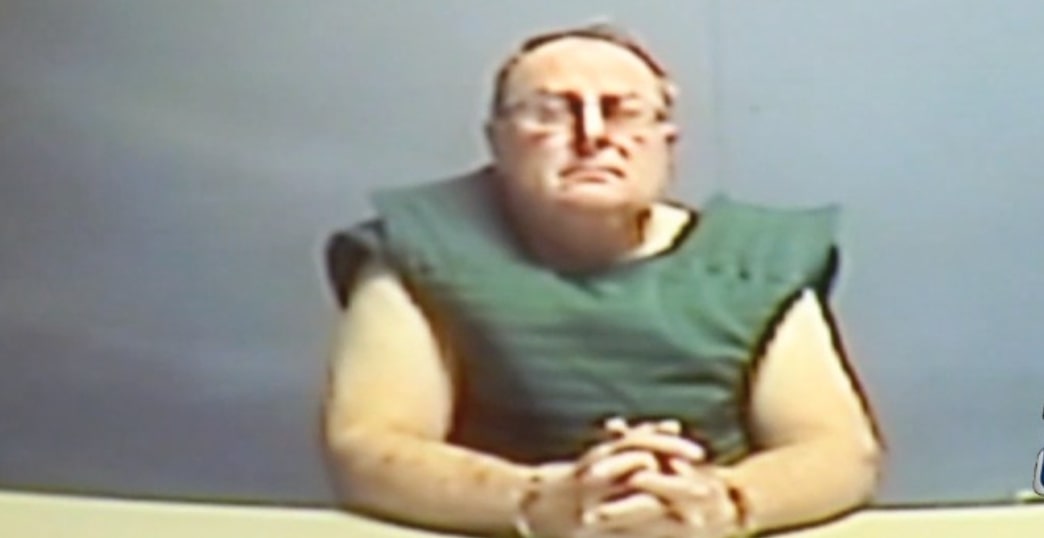
The trial ultimately began in February 2020. During the proceedings, the defense claimed that the forensic evidence may have been mishandled, contaminated, or tampered with over the decades the case remained unsolved. Despite these arguments, the jury found Burns guilty of first-degree murder. In May 2020, his legal team filed a motion requesting a new trial, but the petition was denied. That August, Burns was sentenced to life in prison without the possibility of parole. His daughter, Jennifer Burns, spoke publicly following the verdict, maintaining that her father had been wrongly convicted and stating that the family intended to continue fighting the decision.
In 2023, Burns filed another appeal, which was reviewed and ultimately rejected by the Supreme Court of Iowa in March of that year. In November 2023, the remains of his cousin, Brian Burns, were found in Delaware County, Iowa. He had been missing since December 2013, but there was no evidence connecting Burns to the incident. Now 71 years old, he remains incarcerated at the Anamosa State Penitentiary, where he is expected to spend the remainder of his life sentence.

