
 Aahana Swrup
‘Kara,’ a Tamil heist film, centers around an individual’s grapple against the injustices of a corrupt system and the ensuing moral dilemma that follows in its wake. The titular character, Karassami, is a man living in poverty who has left behind a complicated life. However, when he tries to embrace a life free of his thieving ways, the corruption of the system that entraps him, his family, and his village looms over his head like an inescapable noose.
As a result, he finds himself backed into a corner where the only solution appears to be a homecoming to the life of crime. However, this time around, anger, grief, and helplessness have sharpened Kara’s wits, helping him see beyond the need for personal gratification. On the other hand, he seems to have also gained a new adversary: DSP Bharathan, who is hellbent on catching the notorious bank robber and making his own name. SPOILERS AHEAD!
Kara Plot Synopsis
Kara is a young man who has fled from his village in pursuit of a different life. This life ends up being one of crime, where he pulls off robberies, having learned every trick in the book and devised some of his own. However, one bad beat leads to his arrest while his partner-in-crime, Murugesan, abandons him to his demise. DSP Bharathan, eager to make a name for himself in the papers, jumps on this arrest with the intention of exaggerating the crime and the criminal in order to make himself look better. Nonetheless, Kara refuses to submit himself to such a fate and manages to escape from custody with some brains and brawn. Afterward, he turns to an honest life, working odd jobs with low pay to keep himself afloat. He also marries Selli, who makes him promise to never take up thievery again. Unfortunately, their shared work in a canteen is barely enough to sustain them.
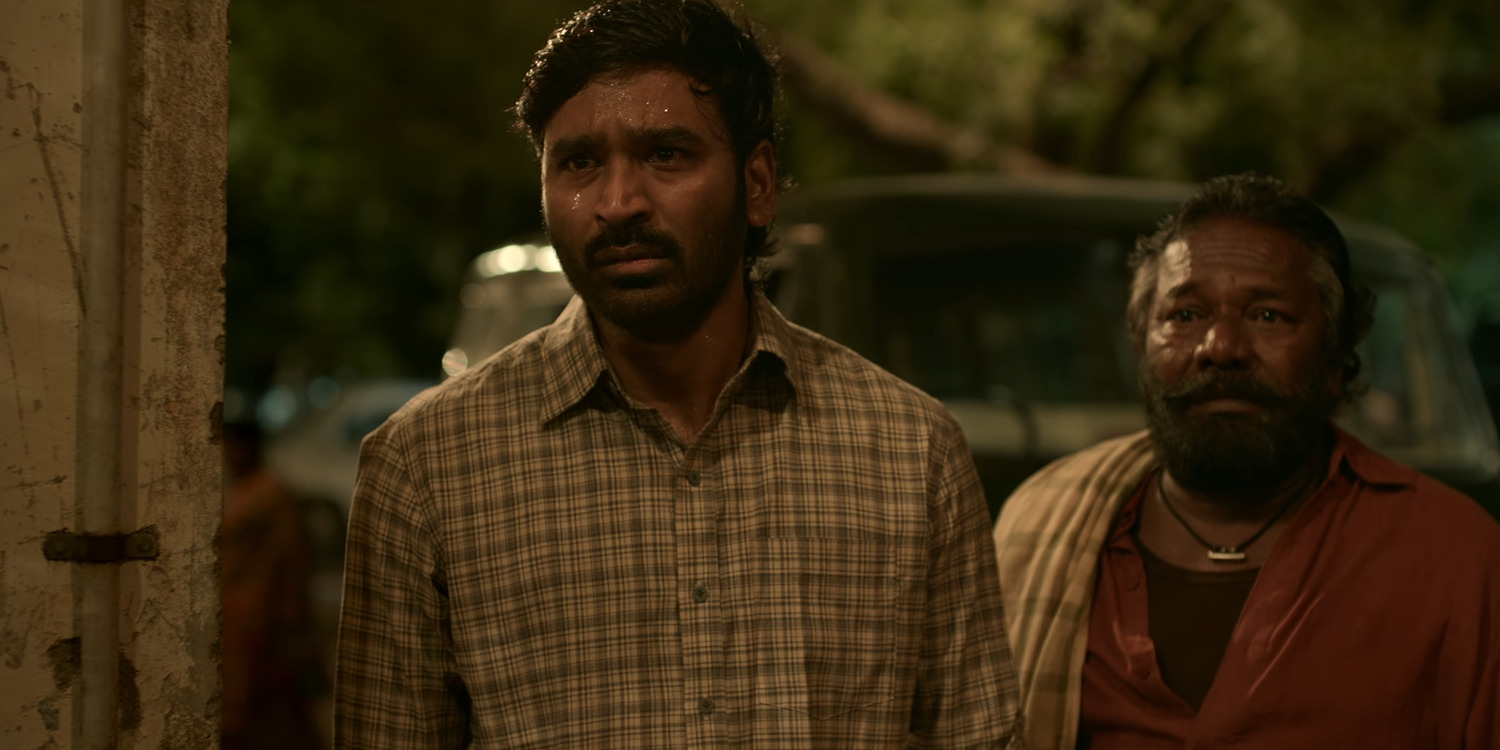
Initially, Kara dreams of opening a canteen of their own and tries to get a loan to achieve this goal. Nevertheless, he quickly realizes that he needs land of his own in order to secure a hefty loan. As a result, he decides to return to his home village with a heavy heart. The reason behind his reluctance is the fact that when he left at 16, he stole his father’s savings in hopes of starting his own business. Even so, upon his return, the parents are overjoyed to welcome the prodigal son back into their homes and their lives. Yet, Kara soon learns a troubling fact about the land. As it turns out, his father and most of the other farmers in the village have already taken out loans on their land after the Panjavan Bank convinced them to invest in advanced technology. Yet, in the wake of the Gulf War and high prices, even the tractors they had bought now remain useless.
Thus, none of the farmers has been able to repay their loans and are now facing the threat of eviction. Initially, Kara tries to solve this problem by asking his father to sell the land. The suggestion and the realization that his son has only returned for his selfish means break the father’s heart. The next day, he ends up committing suicide. When the grieving family tries to finish his funeral rites and bury him in their ancestral land, the bank bars them from completing the ritual. Consequently, Kara finds himself in an impossible situation. In order to fulfill his father’s last wishes and keep his family’s home, he needs to repay the bank loan fast. As a result, he comes up with a dangerous plan: a bank robbery. In this endeavor, he is helped by his uncle and Murugesan, who is eager to prove his loyalty to his friend after his last blunder. After running into many problems, the trio managed to successfully rob a bank, stealing only enough to pay back the loan.
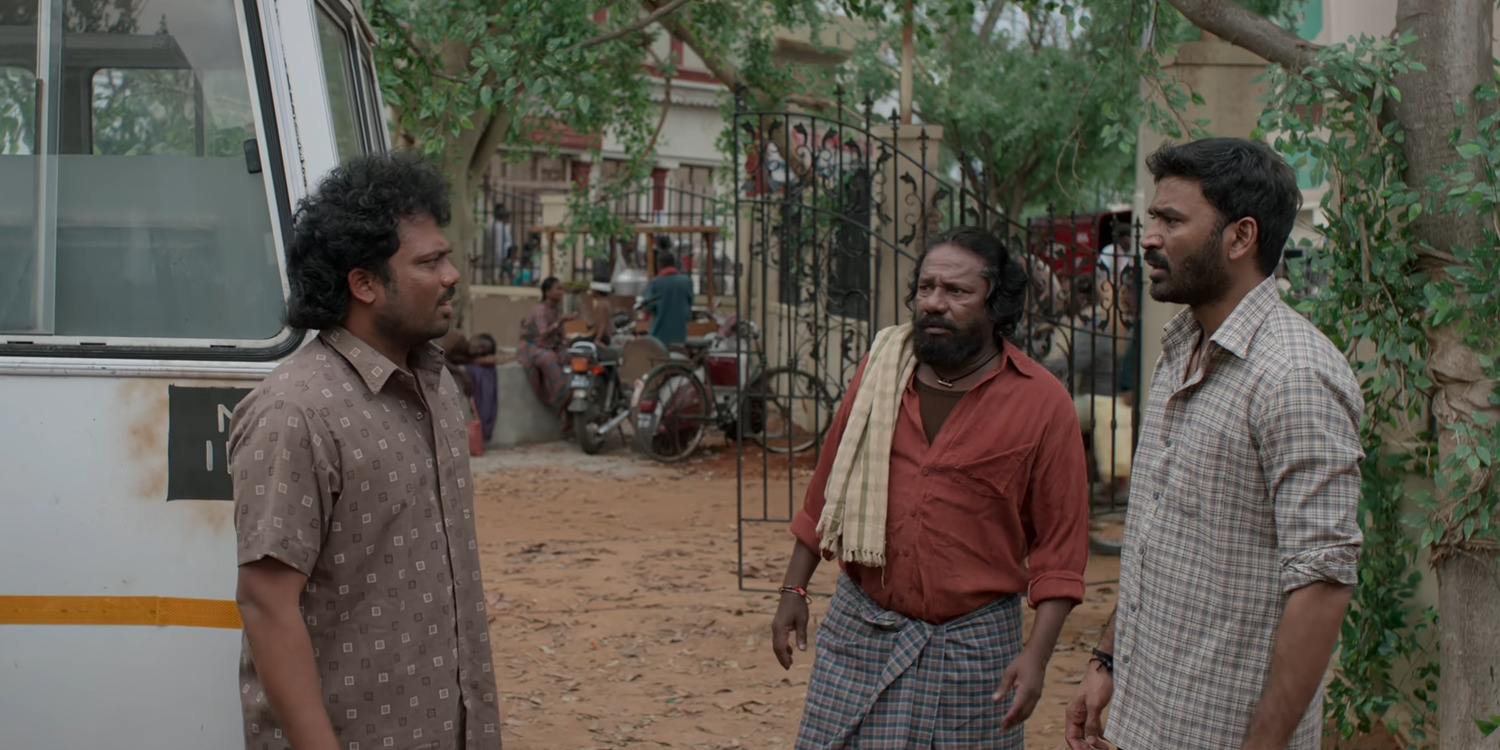
Yet, the bank tacks on a bunch of more charges, forcing them to cough up another hundred thousand. At the same time, DSP Bharathan catches wind of the robbery and realizes that it’s the same criminal who evaded him all those months ago. Therefore, he becomes hellbent on catching the thief, making matters even more complicated for Kara. Unexpectedly, he finds an ally in disguise in the bank manager, who withholds information to prevent the DSP from finding Kara. In the last robbery, he had skimmed 200 thousand in cash before reporting the bank’s loss. Now, he wants to team up with Kara to continue pulling off these robberies and getting mutually rich. When the latter turns down his offer, he hires other robbers, falsely adding to the protagonist’s rap sheet. On the other hand, Kara can’t delay his father’s funeral any longer, which feeds his desperation to execute another risky and ambitious robbery.
Kara Ending: Why Does the DSP Let Kara Go?
From the beginning of the story, the narrative paints the corrupt banking system as the real villain in the lives of villagers and farmers like Kara’s father. They come into these communities, where undereducation runs rampant, and then they target the landowning farmers as potential assets to exploit. They manipulate them into taking out huge loans on their land without properly explaining to them what the legal and fiscal consequences of these decisions will be. Furthermore, they intentionally carry out these schemes with politically ensured economic instability on the horizon. Afterward, when the farmers are unable to pay their loans and interests, they have the means to seize their lands, effectively squeezing them out for all they’re worth. Kara knows this from the very beginning.
Even so, initially, the protagonist’s fight is only for himself. His father’s death pushes him into a ticking clock and demands that he come up with enough money to save his ancestral land in a matter of a week. Otherwise, his father would be cremated as an unclaimed body in a public crematorium. His last wish of being buried alongside his ancestors on their land would remain unfulfilled. In theory, he knows that this is a problem that other villagers are also facing. However, it’s only when he stops by the house of a family friend and witnesses the dreadful reality of his life that something clicks for him. The son realizes that if his father were still around, he would have fought for the collective rights of the village, as he was attempting to do before his suicide. Therefore, Kara decides to follow in his path and seek out the mutual benefit of the entire village.
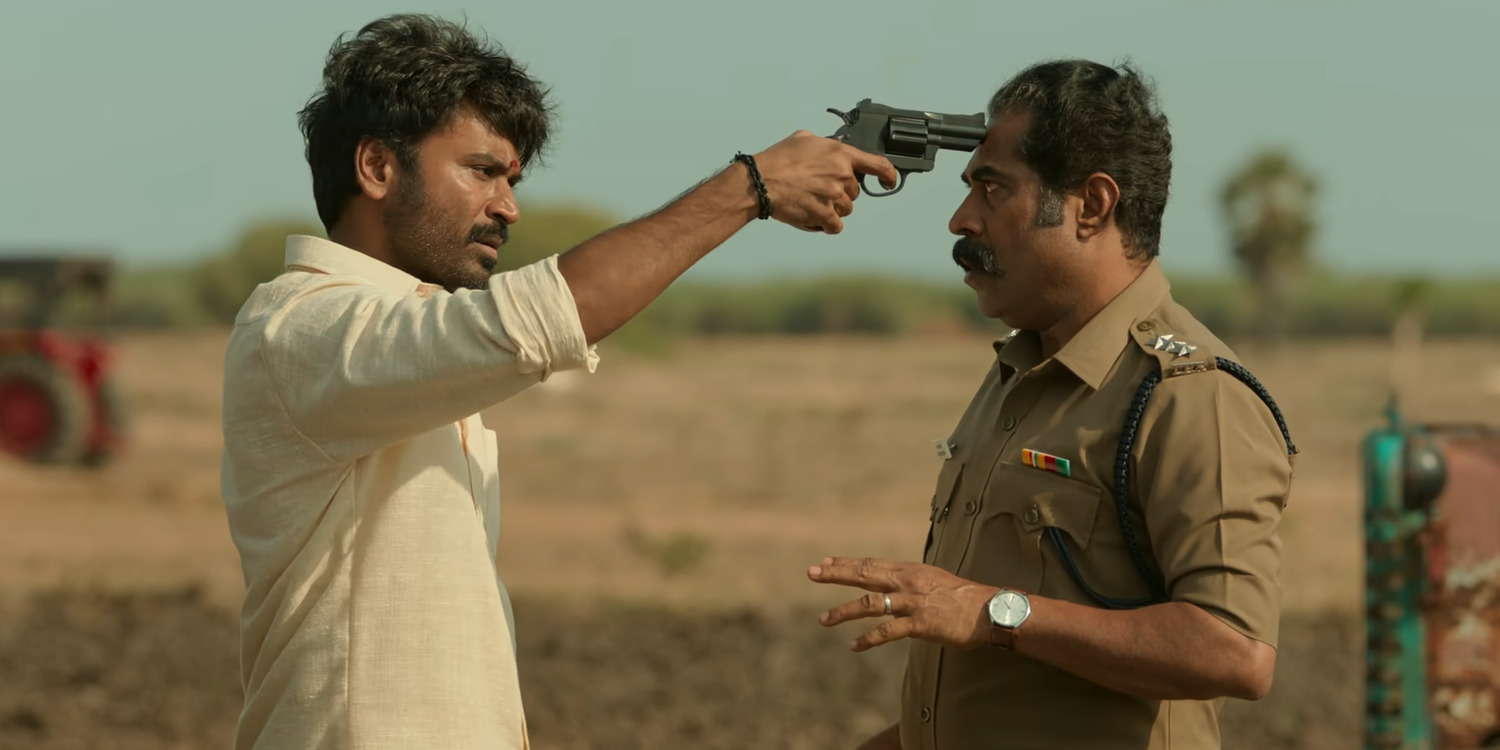
He finds a way to steal the money from the bank and distribute it among the community to help them win their lands back. Yet, this doesn’t protect him from the laws of the land. In the end, the DSP inevitably manages to catch up to him, and the two face off in a confrontation. Yet, this time, Kara has no intentions of truly fighting back. He only stands his ground long enough to make the officer realize the ethics behind his robberies and its Robin Hood-esque sensibilities. Nonetheless, afterward, the officer himself comes to a realization. If he arrests Kara and sends him to prison, he would become a martyr to the people of the village. More importantly, it would draw bad publicity for the DSP, who has always been hungry for fame and notoriety. In turn, framing the manager to be the mastermind behind the entire thing would earn him a righteous title as well as public love. For the same reason, he lets Kara go, concluding their rivalry on a mutually beneficial note.
Does Kara Get to Bury His Father in their Ancestral Land?
For Kara, the burial of his father remains the central motivation that drives him throughout the story. The son blames himself in part for his father’s death. Initially, when the former returned to the village, the latter believed it was because of his love and care for his family. He embraces him and welcomes him wholeheartedly, leaving no stone of celebration unturned. Therefore, he is equally as heartbroken to learn the real reason behind Kara’s return: monetary desperation. In particular, when the son asks his father to sell their ancestral land, it shows his lack of understanding of his family’s foundation. As a result, in the aftermath of the death, Kara remains riddled with guilt, grief, and a sense of responsibility.
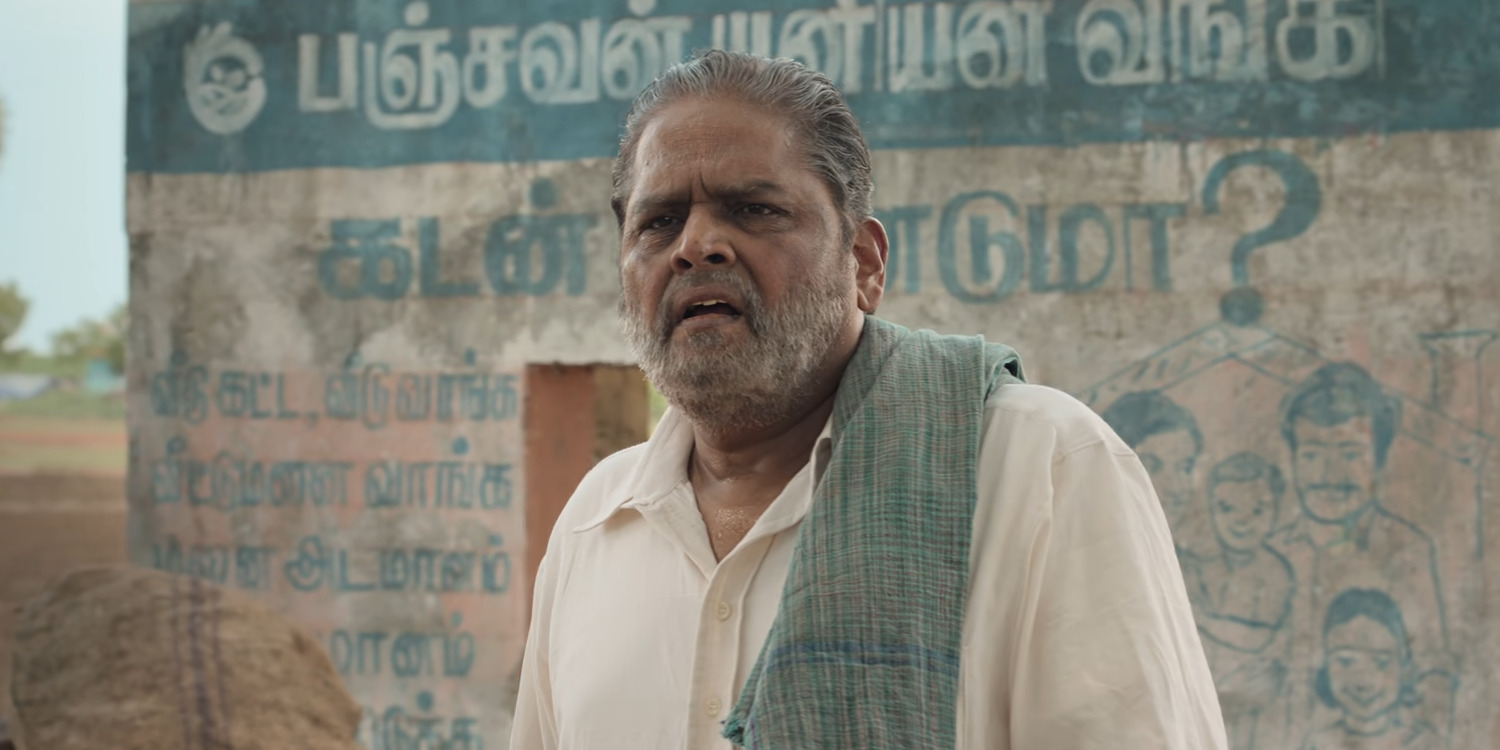
This is also what compels him to return to his more unethical ways and orchestrate a bank robbery to arrange enough money to save his family’s land. Notably, in an effort to cause as little harm as possible, he only steals the exact amount of the loan. Nonetheless, this ends up dooming him as the bank adds on further charges, bringing the total up to another hundred thousand. Consequently, Kara needs to find another way to gather some cash. By then, between the manager and the DSP, a run-of-the-mill robbery seems near-impossible. Still, Kara comes up with a plan and manages to arrange enough money needed to buy back the family’s land. In the end, they pay off their debt to the bank and reclaim their right over the land. Thus, Kara’s father is finally buried with dignity and respect.
Why Did Kara Rob Multiple Banks? What Happens to the Stolen Money?
Initially, when Kara indulges in the path of criminality, he does so purely out of desperation and within a moral code. He refuses to take any more than the exact amount he thinks they owe to the bank for the loan. However, in the end, things take a drastic turn. Instead of only targeting one more bank, he ends up going on a spree, stealing cash from multiple banks. At the same time, the corrupt bank manager, unaware of Kara’s plan, sends out his own goons to pull off their robberies for his benefit. As a result, the thief effectively sets up a trap for the manager and his copycat robbers. While the police are too busy dealing with them, Kara takes the stolen money and distributes it among the villagers.

At once, the landowners and the farmers flood the banks, feeding them back the same money that Kara stole a few hours ago. This same cash is used to pay off the loans on their land, freeing it up from the possibility of eviction and seizure. In the end, the money closes off a corrupt loop that the predatory bank and its manager started by targeting the villagers in the first place. The money they made from interest and monthly payments is finally used to win back the lands, ensuring they’re back into the hands of their original owners.
What Happens to the Corrupt Manager?
When Kara first robs one of the Panjavan Bank branches, the corrupt manager sees this as an opportunity to make himself richer. He skims an added amount equating to almost half the stolen cash from the bank for his own benefit and reports it under the loss of the robbery. Afterward, once he realizes that Kara is behind the robberies, he tries to strike up a partnership with him, which will allow them to continue to orchestrate these robberies and make each other rich. When the farmer’s son declines the offer, he hires his own team to carry out the robberies, exploiting the situation. Yet, in the end, this ends up spelling his doom. Kara knows that the manager is using his own hired men to conduct his own robberies.

As a result, he sets up a map for the police through a string of robberies, compelling them to arrive at the branch where the manager’s robbery is taking place. Consequently, this results in the unveiling of his dishonesty. Even though the manager tries to make a run for his life, he eventually gets run over by a tractor and lands in a hospital. There, the DSP visits him, and he attempts to bribe him into letting him go. The manager tells him about Kara’s identity and location, hoping to earn his own acquittal in return. Nonetheless, the officer has no intentions of sparing the other man. He detests the manager for betraying him and making a fool out of him. For the same reason, he ends up cutting out the manager’s oxygen in the hospital, delivering him to his death.
Read More: If I Can’t Have You Ending Explained: Who is the Stalker?

