
 Abhiroop Das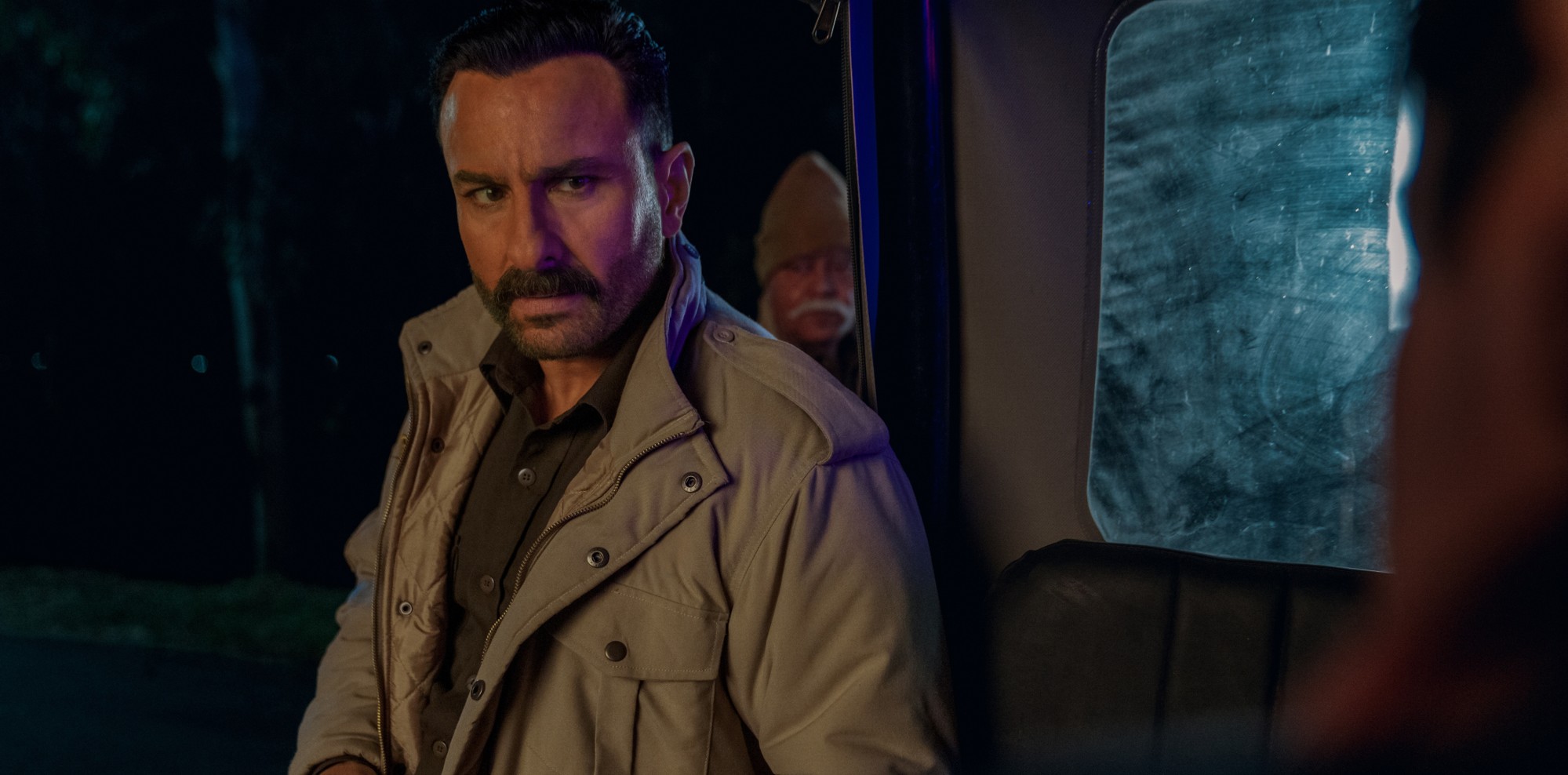
Written and directed by Pulkit, Netflix’s ‘Kartavya’ steps into the village of Jhamli, where SHO Pawan’s life is as turbulent on the home front as it is professionally. When he is tasked to lead the security detail for an esteemed journalist, Pawan hardly takes it seriously, until two people on a bike get ahead and kill her in cold blood. What follows is Pawan’s desperate attempts to redeem himself by locating those responsible for the crime, only to discover that the chain doesn’t stop with a single person but stretches to a much larger, and much more controversial, system that has been forced into place. At the end of this Hindi crime thriller movie, Pawan realizes that he cannot bring any meaningful change to his corrupted world without getting his hands dirty. SPOILERS AHEAD.
Kartavya Plot Synopsis
‘Kartavya’ begins with the 40th birthday of Pawan, who is the SHO of Jhamli village. Currently, he is tasked with providing security to journalist Reema Gupta, who is here to independently investigate the cult of Anand Shri, who has been accused of sexually assaulting young boys. However, minutes into the nighttime journey, Reema’s car is ambushed by two people on a bike who open fire, instantly killing her and injuring Pawan’s partner, Ashok. Though one of the shooters is killed then and there, the other manages to escape, putting an enormous amount of spotlight on the police. Risking suspension, Pawan asks his superior, Keshav, for seven days to bring the culprit to justice, unaware that trouble is brewing at his home as well. His brother, Deepak, seems to have run away with his lover, Preeti, who is from a different caste. This prompts the girl’s family to threaten war with Pawan’s father, Harihar, who instead chooses to wait for solid evidence to show up.
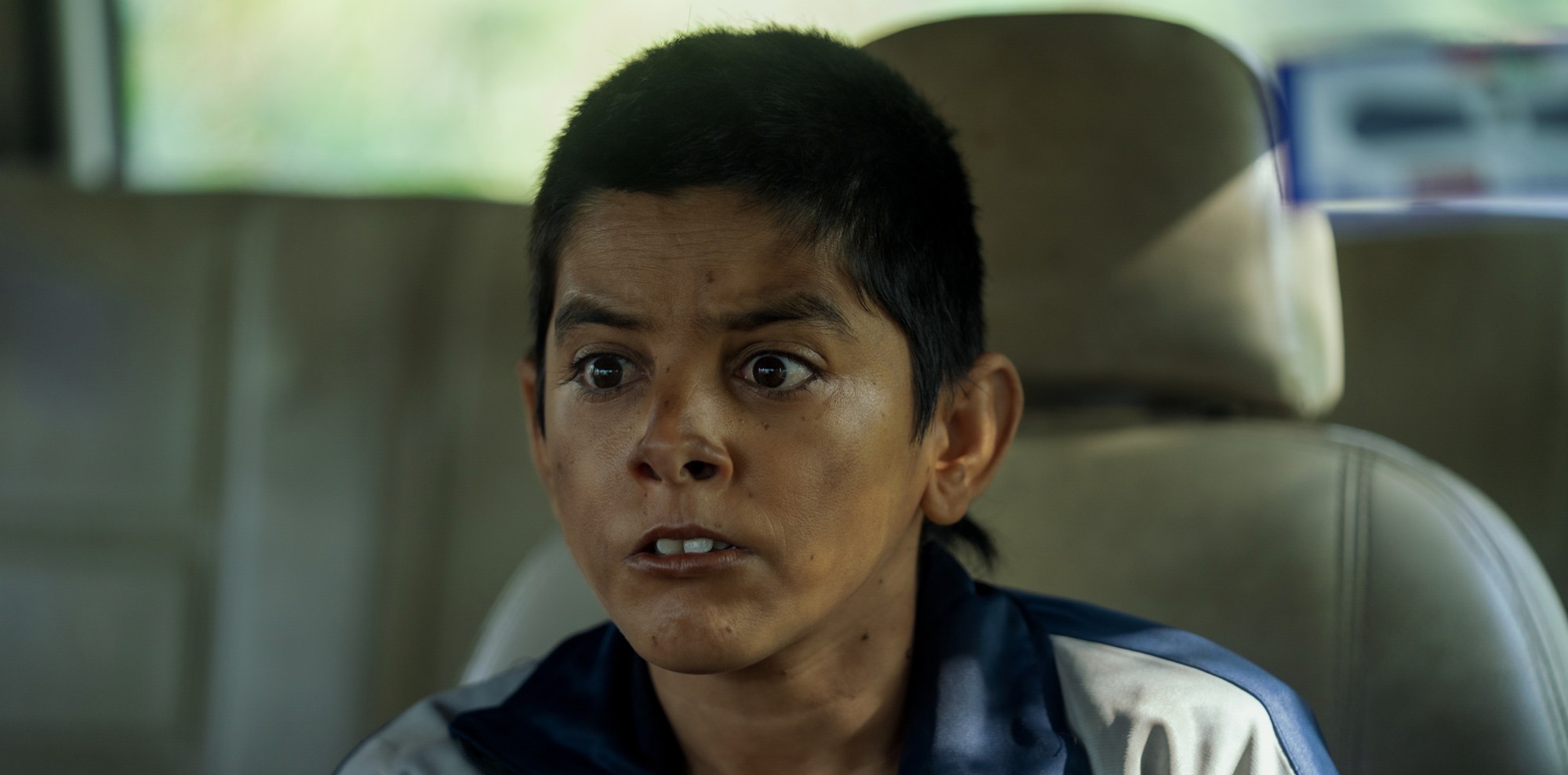
In the hours that follow, Pawan gets a lead on where Deepak is and promises to get him to a safe place. The search for the killer, however, proves to be more complicated than he anticipated, since he is yet to know that the person of interest is a 16-year-old boy named Harpal. As it turns out, Anand Shri has been sexually abusing Harpal, and tasks him with killing Reema to be set free. However, when Harpal identifies that as a trap, he escapes instead, leaving Anand Shri open to being arrested. Before long, Harpal’s photo is shared all over the police station, with the order being to bring him in off the record. Pawan smells something suspicious and decides to look into things his own way, ultimately coming across Harpal, who writes down a testimony strong enough to put Anand Shri behind bars.
When Keshav, who has been brought out by Anand Shri, learns of the testimony, he gets Pawan into a deal, sweeping the case under a rug in return for Harpal’s safety and safe passage to Delhi. Ashok himself steps up to the task, while Pawan tries to get his brother settled outside of the village. Only much later, when Harpal fails to pick up any calls, does Pawan realize that something has gone wrong. Not long after, some of Anand Shri’s enforcers come to beat Pawan up, revealing that it was Ashok who killed Harpal in cold blood and has been working with Anand Shri all along. At the same time, Harihar learns of Deepak’s location and brings up a group to raid his son’s secret house. Pawan, on the other hand, reaches his limits and snaps, turning into a bloodthirsty rogue officer who prefers talking with his bullets rather than his words.
Kartavya Ending: Will Anand Shri Get Arrested?
The ending of ‘Kartavya’ hints at Anand Shri’s impending downfall, but never quite confirms it. The larger narrative focus remains on Pawan, whose brutal rampage forces one to consider just where the line between good and evil ends. The fact that Harpal’s testimony makes it to the official registry makes at least one thing certain: that the nation’s eyes are now on Anand Shri. What was initially brushed off as a petty rumor or allegation is now backed by facts, triggering a domino effect that ensures the cult’s fall. The last we see of Anand Shri is when he is furiously on call with someone, presumably trying to cover up this mess before it gets any worse. However, this is merely delaying the inevitable, as the control of the story no longer rests in his hands.
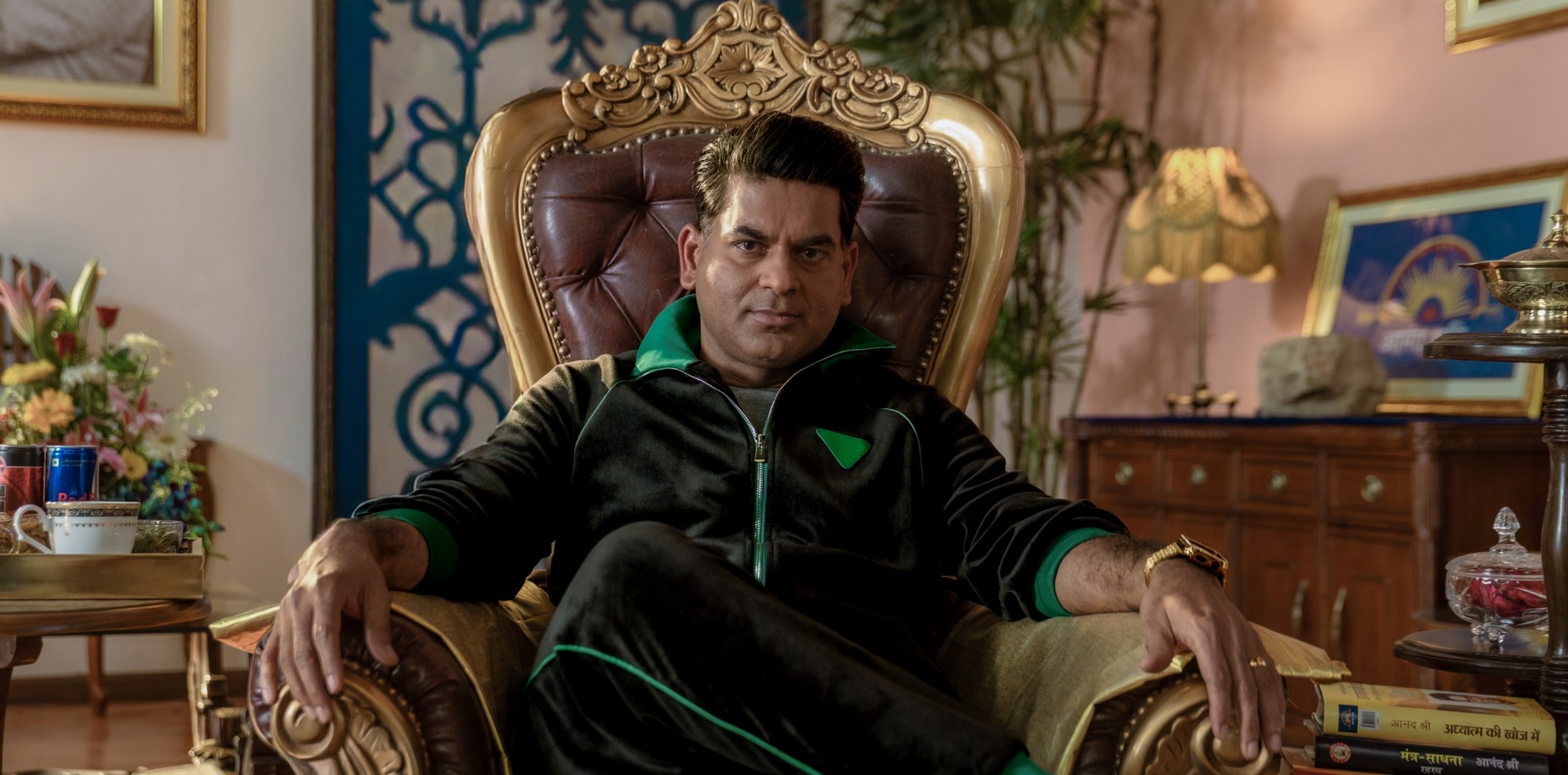
While Anand Shri’s desire to control variables in life manifests through his cult, we also see its subtler displays throughout the movie. Ironically, it is precisely that obsession that brings him down when he orders to get Harpal killed despite the case being swept under a rug. Pawan’s slow realization of what happened to Harpal is what begins his entire vendetta, one that swallows up many of Anand Shri’s enforcers. The fact that Pawan keeps Harpal’s testimony safely tucked away suggests that he was probably never going to bring it up, until now. By staging an elaborate murder scene, he makes sure that the case becomes too big to suppress, and with enough eyes on every little detail, he gets his opening to lodge the testimony as evidence.
Though Pawan’s arc is one of rebelling against the system from the inside out, even he understands that Anand Shri is not just one of the moving parts of a corrupt machinery, but the main orchestrator himself. As such, it would be particularly difficult to simply kill him off and end the cycle of abuse, which is why Pawan opts for expanding his voice to the masses. By releasing the testimony to the media, he puts enough pressure on the authorities to look for an easy target, which, in this case, is none other than Anand Shri. However, there is also a chance that the latter might use his influence to use and suppress the investigations once again. The only way to bring down the cult, as such, is for many more to be inspired by Pawan’s silent rebellion and take a stand.
Are Deepak and Preeti Dead? Why Does Pawan Kill His Father?
While the final moments of ‘Kartavya’ remain optimistic about Anand Shri’s arrest, the same cannot be said about the fate of some other characters. Perhaps in the most shocking development of the movie, Pawan’s brother, Deepak, and his wife, Preeti, are both murdered off-screen by Pawan’s father, Harihar, and other villagers in an act of honor killing. Though Pawan sets Deepak up in a new home and gives him enough money to start a new life, all such hopes are short-lived, and Pawan realizes the truth only too late. While confronting Ashok, he learns that his own father brutally killed Deepak, with Preeti likely meeting a similar fate at the hands of her own family, and just like that, something in Pawan’s psyche snaps. That night, he returns home to take Harihar to an abandoned field and kills him in cold blood.
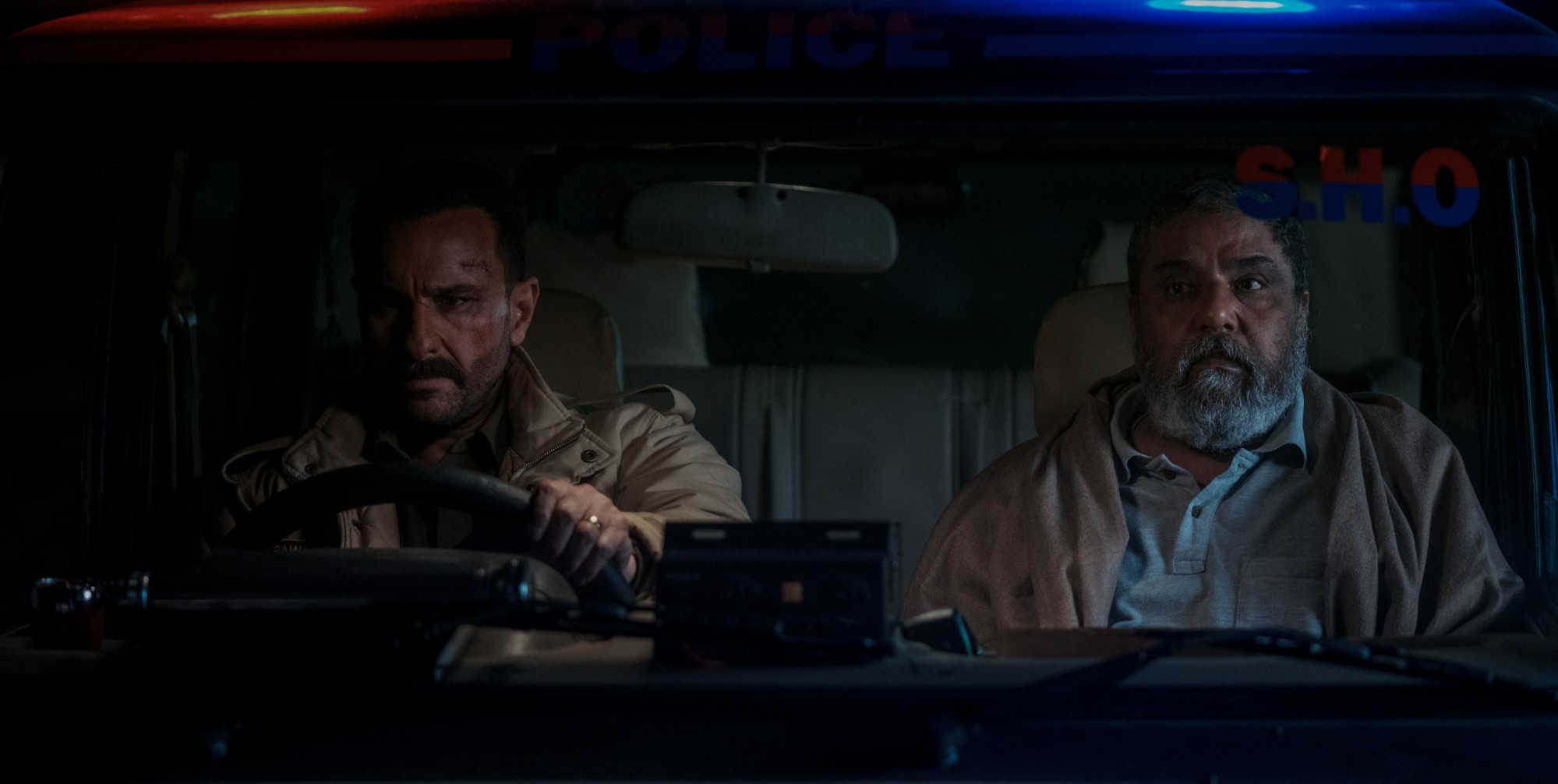
Though Pawan’s actions are enough to instill horror in anyone who watches, they represent his final, desperate solution to a problem that is slipping his grasp faster than he can understand it. Earlier in the movie, Pawan fears that his son is being groomed by the panchayat members, especially Harihar, into a regressive mindset. This extends further when we consider that Harihar is one of Anand Shri’s top disciples, which lends this chain of negative influences a symbolic undertone. In protecting his family from Anand Shri’s influence, Pawan determines to do anything necessary, even if it means the murder of his own father.
In their final conversation, Pawan doesn’t confront Harihar or even let him speak. Rather, he vents out his years of disappointment at being raised by an evil man. Harihar’s murder, as such, is as much about the death of Deepak and Preeti as it is about Pawan attempting to liberate himself from his past. However, even he realizes on some level that this attempt is futile from the moment of its inception since it requires him to work purely on impulse, pitting one set of convictions against another. In the end, Pawan contemplates whether murdering his own father is any different from his father’s murder of Deepak, as both represent a larger inescapability from the cycle of abuse.
Why Does Ashok Betray Pawan?
Though Ashok’s betrayal of Pawan is built up to be the grand twist of ‘Kartavya,’ many details from the movie already hint at this reveal. One of the earliest comedic scenes shows Ashok putting on his arm sling in front of Pawan, even though he doesn’t need it, as if to evoke sympathy. The underlayer of this scene, however, establishes that Ashok is manipulating Pawan into seeing him as a non-threat, which is precisely what allows him to pull off so many acts of malice. The reveal also recontextualizes every moment in the movie in which Ashok tries to stall the investigation, whether passively by cautioning Pawan about the risks or actively by letting Keshav run away with Harpal. What stops Pawan from seeing the connection is the pure trust he has in his partner, which only comes back to bite him.
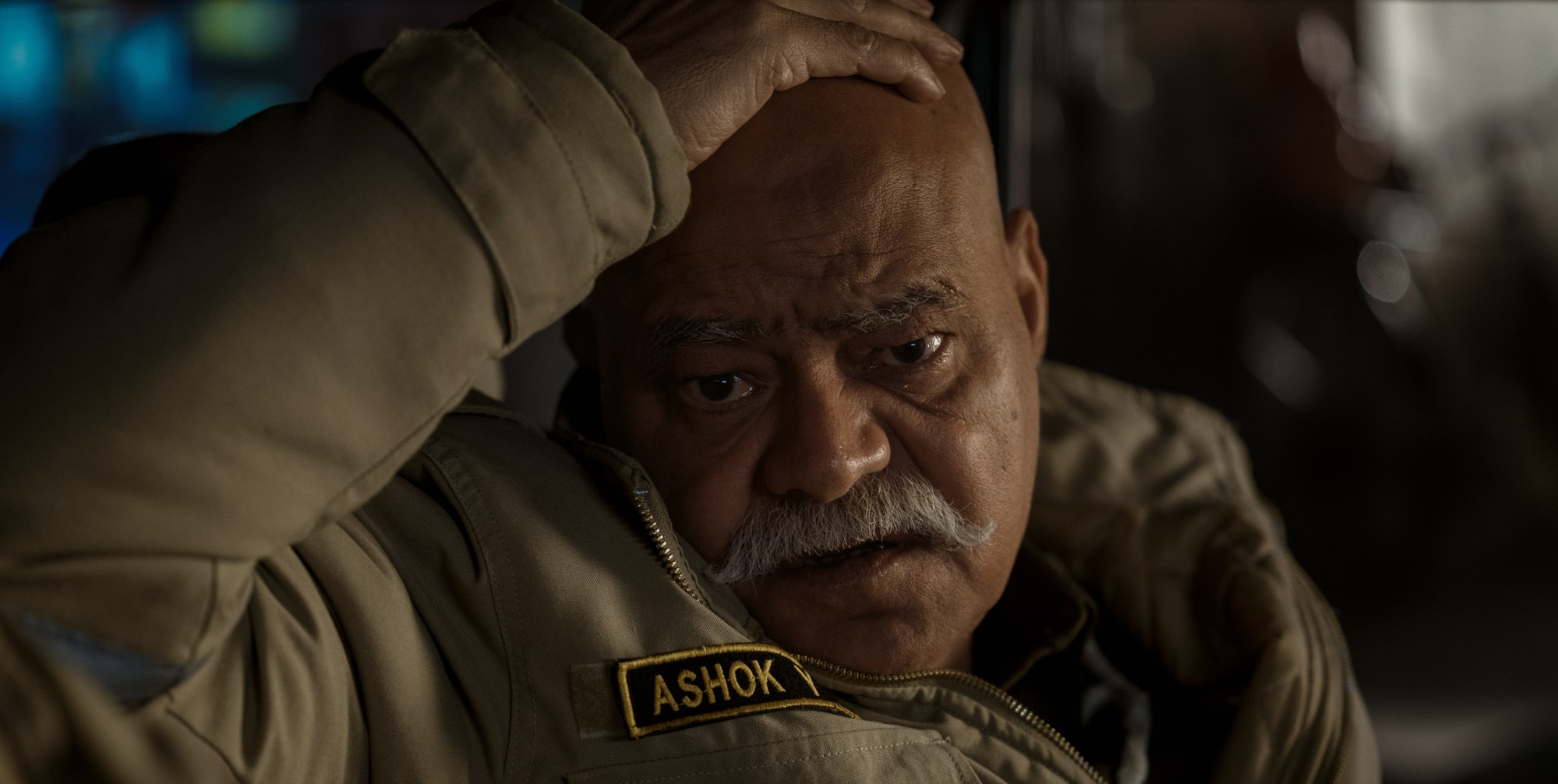
When Pawan confides in Ashok about his brother’s status, it suggests that Ashok is essentially like a family member to him. This is why the final straw in their dynamic is when Ashok reveals that he was the one who revealed Deepak’s whereabouts to the village council. His reasoning for this is rooted in casteism, as he refuses to accept the marriage between the two communities. On a symbolic level, this reiterates the world of difference between Pawan and Ashok, be it in their moral systems or in the simple way they perceive the world. Realizing that there is no coming back from this, Pawan lets go off his trigger, killing his former best friend to ensure that the case gets the spotlight it needs, but also to rid the world of another force of evil.
Will Pawan Get Caught? What Does His Final Monologue Mean?
After leaving a trail of blood in his wake, Pawan returns home to his family with a mixed bag of emotions. Rather than feeling that he has accomplished something, he is forced to confront his own abyssal demons. On the legal front, however, it appears that Pawan is safe for now, as Ashok’s murder is attributed to the men whom Pawan killed, which closes the case and frames him as a survivor instead of the perpetrator. The only missing link, as such, remains that of his father, whose body Pawan burns down in the open field. While that is bound to raise eyebrows for some, familial murder doesn’t seem to be that unusual in the village of Jhamli, as we see how eager the villagers are to call for their supposed justice by shedding blood.
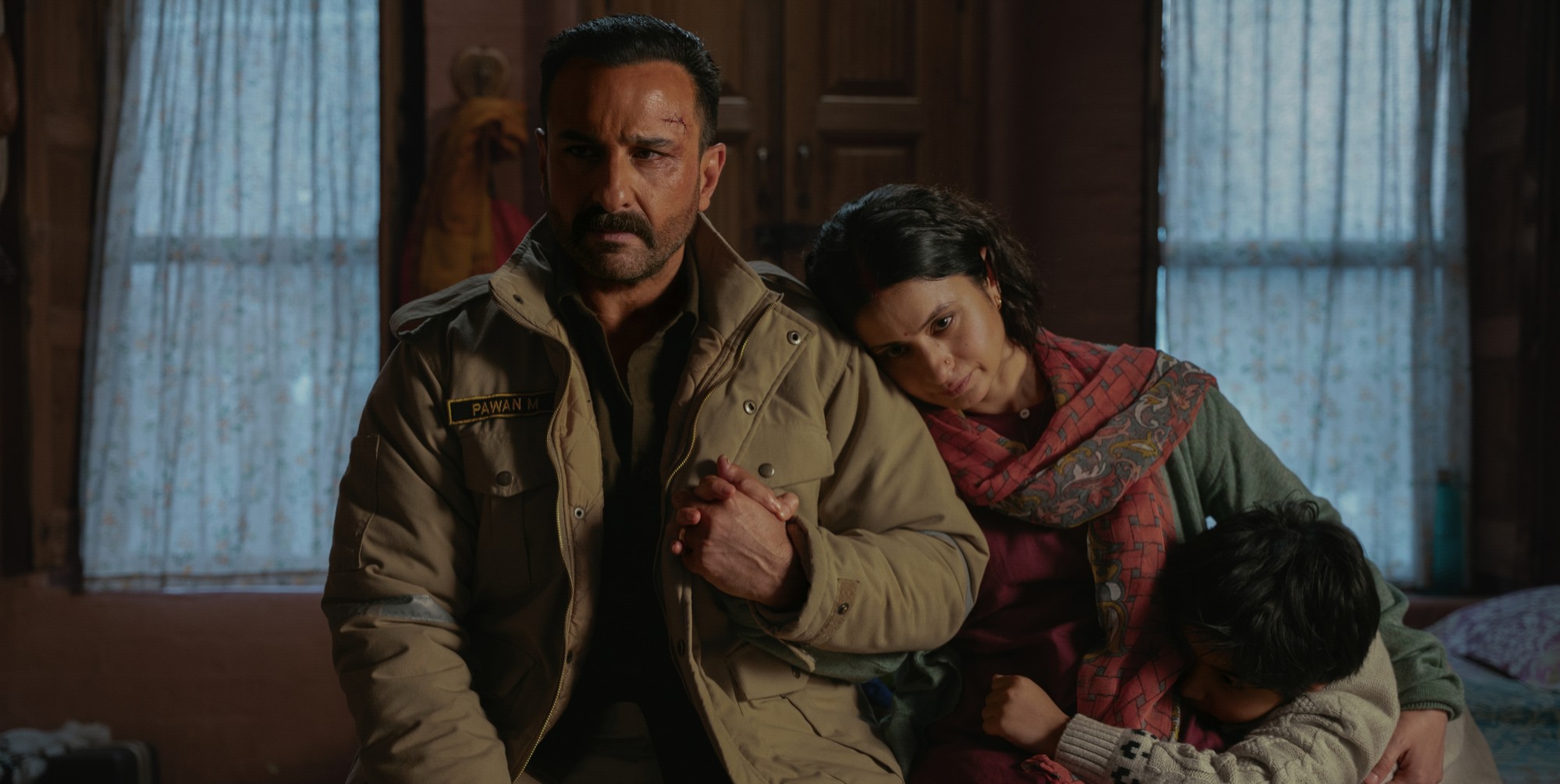
Pawan’s actions merely flip the dynamic on its head, signaling the creation of a new power order, where it is up to him to raise a new generation of thought. In the movie’s final monologue, he frames his actions as part of his righteous duty, or “kartavya,” and contrasts them with his father’s selfish desire to preserve the olden ways in the name of duty. This brings full circle the myriad references to the ‘Mahabharata,’ especially with the motif of the chakravyuh, or the circular labyrinth. At the start of the movie, Pawan laments not having a dad who can teach him how to escape life’s proverbial cycle, and now that the onus is on him, he realizes that he must unlearn his past values and adopt a fresh perspective all by himself. Though this second start in his life is a particularly bloody one, there is little reason for it to end with any more violence.
Read More: Is Anand Shri Based on a Real Cult Guru?

