
 Aahana Swrup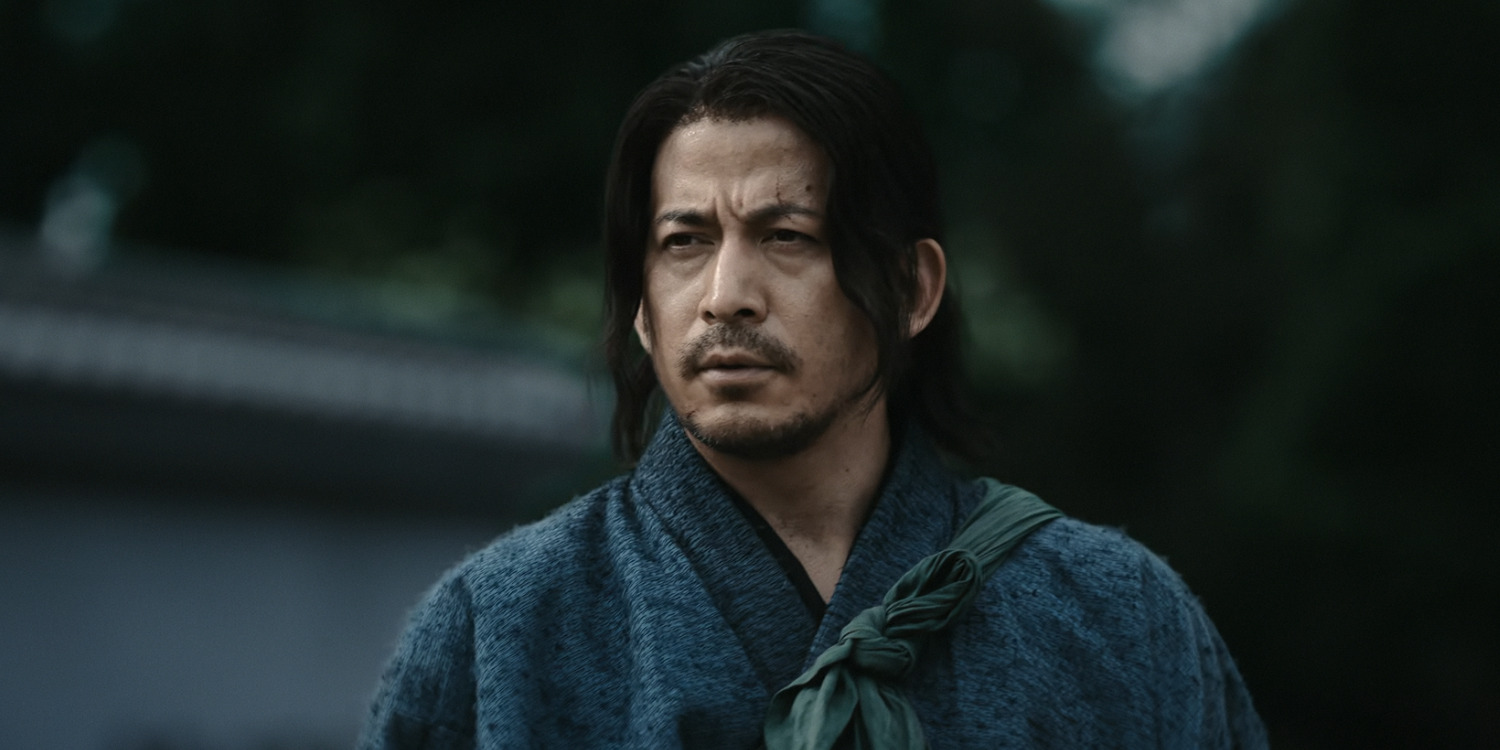
The Japanese Netflix show ‘Last Samurai Standing’ presents a battle royale story set in the modern Meiji period of Japan. The story centers around Shujiro Saga, a samurai once renowned for his lethal prowess on the battlefield, which earned him the nickname “Kokushu the Manslayer.” However, ever since the abolition of the samurai class into the shizoku, he has been relegated to the life of a commoner. This comes with the horrifying reality of the warrior and his family facing the brunt of the Cholera outbreak without any resources or medication.
As a result, when news arrives of a competition with a prize of thousands of yen, Shujiro enters as a participant. The Kodoku competition reveals itself to be a battle to the death quest where one must arrive at Tokyo in a month with enough points to show for themselves. To everyone’s horror, the only way to collect points is to kill their competition and steal the wooden tags around their neck. Yet, as the plot progresses, an even more menacing conspiracy threatens to unravel underneath the bloodthirsty game. SPOILERS AHEAD!
Last Samurai Standing Recap
After surviving a grueling battle in the Boshin War, former samurai Shujiro Saga struggles in his life as a civilian. On top of traumatic war flashbacks and poverty, he also has to watch his family struggle as they gradually catch the cholera infection currently ravaging their village. Eventually, things get so dire that he attempts to sell his sword, which is now banned under the new law, to afford some rations. Even though his past reputation invites people’s momentary goodwill, all of it proves to be for nothing when his daughter, Rin, passes away. Yet, this tragedy only threatens to precede another as the warrior’s wife’s condition continues to worsen. Therefore, he ultimately comes to a dangerous decision. Earlier, while in town, he had seen a flyer for a competition, inviting warriors to Kyoto for a chance to win 100,000 yen—enough to feed entire villages. Consequently, Shujiro decides to participate in the mysterious game, determined to save his family’s life by bringing back the winnings.

Once in Kyoto, Shujiro realizes many other warriors, particularly fellow ex-samurai, seem to have had the same idea. As such, 292 participants had assembled for the competition. However, many of these individuals begin second-guessing their resolve once the rules of the game are revealed. Throughout the competition, each participant has to make their way through the Tōkaidō route. However, in order to pass the checkpoints, everyone must have a definitive number of points, represented by the wooden tags. In order to win, they must reach Tokyo in a month with 30 tags to show for themselves. At the start of the game, in the Tenryuji Temple, everyone is handed one wooden tag. Hence, the only way to progress and win is to kill the other participants and steal their tags. The first culling starts right in the temple, where bloodthirsty warriors and misguided opportunists both enter a fight for their lives.
During this time, Shujiro notices a young girl, Futaba Katsuki, in the crowd. She is also an apparent participant and a straightforward target. As a result, the samurai, feeling some level of fatherly responsibility toward the kid, ends up taking her under his wing. Although his own fighting is rusty, the duo manages to make it out of the temple and arrive. However, the warrior realizes shortly after that Bukotsu Kanjiya, an old nemesis of his, has also entered the competition to sate his bloodlust and desire for revenge. Furthermore, the duo gets an invitation to form an alliance with Kyojin Tsuge, a self-proclaimed strategist, who is eager to decode who the mastermind behind the game is and what their motives are. However, before joining forces with him, Shujiro finds himself facing another familiar face from his past: Iroha Kinugasa. The latter grew up in the secretive Kyohachi-Ryu school with the other samurai and is currently being hunted by Gentosai like the other successors.
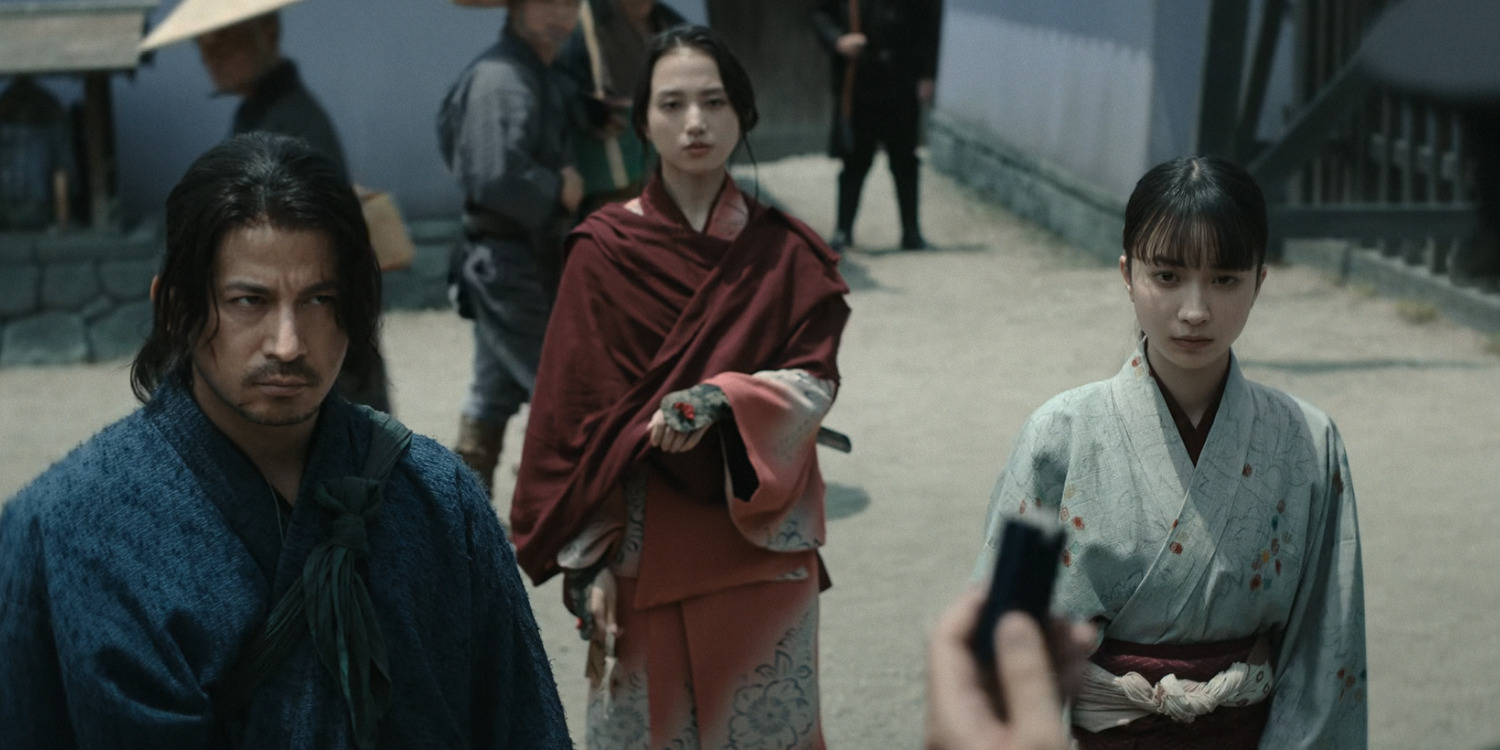
While this newly formed alliance and the other participants go through their checkpoints, the string of violence and bodies they leave behind attracts the attention of the authorities. As a result, Home Minister Toshimichi Okubo learns about a possible storm covertly brewing on the horizon. As the minister and his team investigate the matter, they learn about a zaibatsu group of businessmen who are believed to be funding the competition. Naturally, concerns of a Meiji uprising arise, pushing Okubo and the others to grow desperate to find the operation’s mastermind. Little do they realize, the traitor has been under their noses this entire time: the police bureau head, Kawaji Toshiyoshi. Meanwhile, after days of travel, fighting, and some detective work, Shujiro and the others arrive at Chiryu, where Kyojin pitches the idea of splitting up. Although his reasoning his sane, his intentions ultimately prove to be a different story.
Samurai Standing Ending: Does Kyojin Betray the Alliance With Shujiro? Why?
Throughout the story, Kyojin Tsuge’s character remains an intriguing figure. Unlike many of the other participants, he seems to be unruffled by the revelation of the competition’s intensely violent foundation. If anything, this only piques his curiosity, compelling him to make the investigation into the game’s mysterious origins his number one priority. Additionally, he also garners some suspicions as he continues to identify other participants, like Shujiro and Iraho, despite their long-standing fall from fame. Similarly, while the narrative reveals the motivations of almost every other major player, from Futaba to Bukotsu, Kyojin’s reasons for participating in the game remain ambiguous. The only vague explanation he provides is his potential curiosity to witness the end of the Samurai era.

Yet, as Kyojin continues to travel with Shujiro and the others, his easy charm and sharp wit eventually make him an appealing character in the tale. He devises risky but successful strategies that help them uncover the connection between the game organizers, the police bureau, and Mitsui Bank. However, things begin to change with their arrival at Chiryu. Early on, the warrior separates himself from Shujiro, Futaba, and Iroha. He reasons that since the police have seen him and the new member, young Shinnosuke Sayama, it would be best for them to split from the group. While a sound argument at first, it soon crumbles when Kyojin immediately goes on to seek Sansuke and Shikura, fellow participants and Kyohachi-Ryu successors. The two samurai are the adoptive brothers of Iroha and Shujiro.
From his time with the latter two siblings, Kyojin knows that someone is hunting Iroha and the other Kyohachi-Ryu successors. By engaging in a conversation with Sansuke and Shikura, the strategic warrior manages to coax out information about their assailant, Gentosai. Furthermore, he convinces the brothers that Iroha is in danger at the Chiryu festival. Afterward, he reaches out to the older participant, Gentosai, and tips him off about the location of his targets. Although it isn’t entirely clear what Kyojin seeks to achieve through this deception, his betrayal of Shujiro and the others is evident. It’s possible that, as the competition has neared its end, the warrior has started to prioritize himself and his sole win. For the same reason, he’s trying to eliminate multiple players at once by fanning the flames between Gentosai and the Kyohachi-Ryu successors. Moreover, it’s also likely that the only reason he decides to keep Shinnosuke by his side is to use him as a wooden tag reserve that can eventually be exploited.
Who Organized the Kodoku? Why?
From the beginning, the Kodoku competition’s origins remain a central mystery plaguing the narrative and the characters. The game itself is ambitious and incredibly well-funded. Even outside of the lucrative grand prize, the amount of surveillance the organizers have speaks to heavy pockets behind the entire operation. In time, this mystery begins to be solved piece by piece. As it turns out, a zaibatsu of wealthy businessmen has poured their money into this endeavor. As the games unravel, these individuals observe from a safe distance, choosing their champions and wagering money on their success. For them, this remains a source of entertainment and investment. However, while these men, Mitsui, Sumitoi, Yasuda, and Mitsubishi, may have financed the competition, a different mastermind is behind its creation: Kawaji Toshiyoshi.
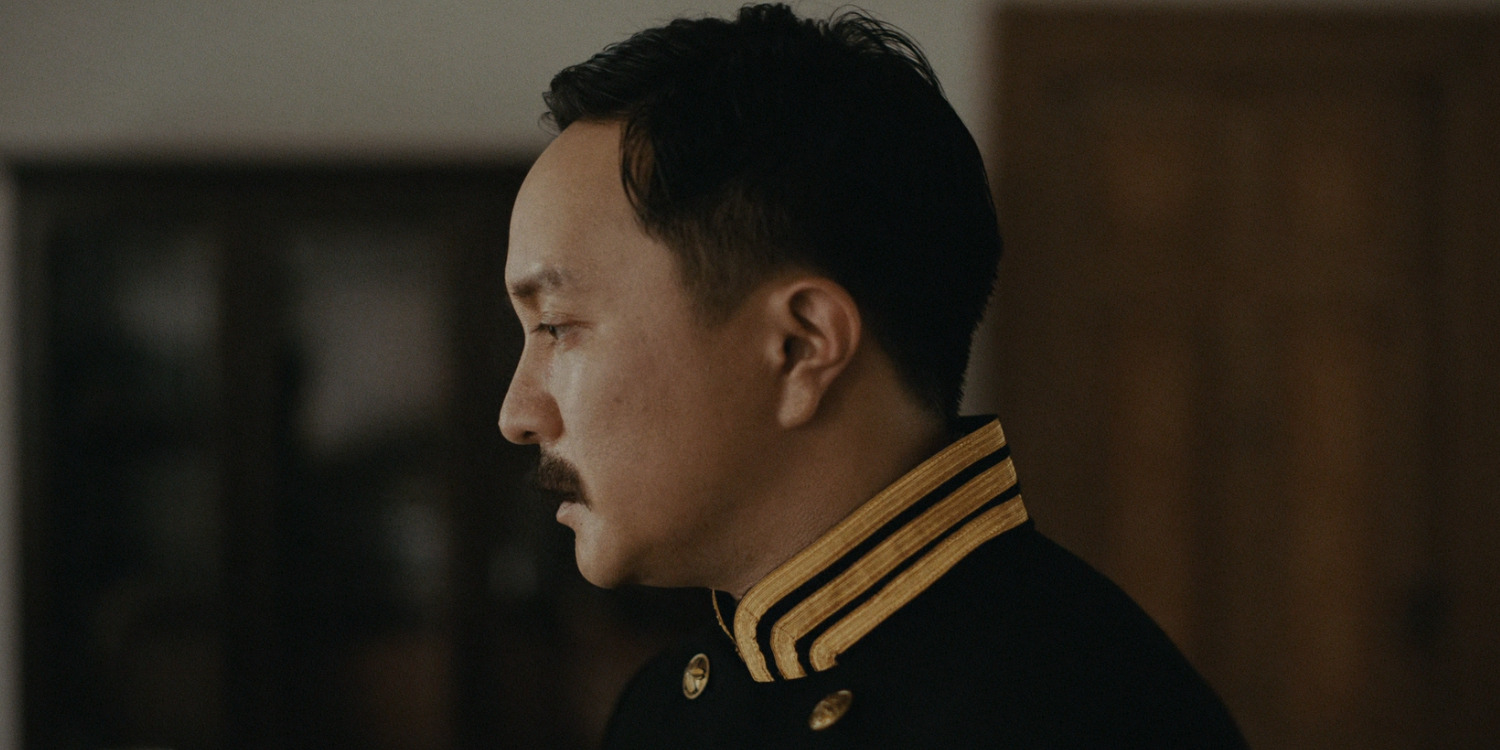
The Head of the Police Bureau has long been passionate about the abolition and destruction of the samurai class. In fact, he played a significant role in Shujiro’s final Boshin War battle. On that fateful day, the latter warrior and his fellow samurai who fought on behalf of the Imperial Forces won on the battlefield against their enemies. It was Shujiro himself who beheaded the enemy leader, declaring their victory in the conflict. Even so, in the aftermath, their own forces opened fire on the battlefield, intentionally laying their own samurai allies ot waste. As it turns out, this cruel order was personally delivered by Kawaji. The latter detests the samurai class and believes them to be a threat to the future of Japan under the modernized government rule. Therefore, much like he had tried to eradicate them during the Bohin War, he is now trying to kill every last samurai through the Kodoku competition.
Why Does Gentosai Want to Kill The Kyohachi-Ryu Successors?
Gentosai and the Kyohachi-Ryu school introduce a different but equally exciting element to the narrative. In his youth, Shujiro trained in the legendary and near-mythological school of Kyohachi-Ryu. Growing up alongside seven other adoptive siblings, he learned from a skillful master, the latest in the lineage of Kyohachi-Ryu successors. However, as the students reached a certain age, a daunting time in their training arrived. As per tradition, of the academy, the students had to be put in a Kodoku game of sorts, where they would all have to fight each other to the death. The last warrior standing would get to wear the title of being their master’s successor. Naturally, this presented a horrifying dilemma for the students, who had all become a family of sorts in their time at the school.
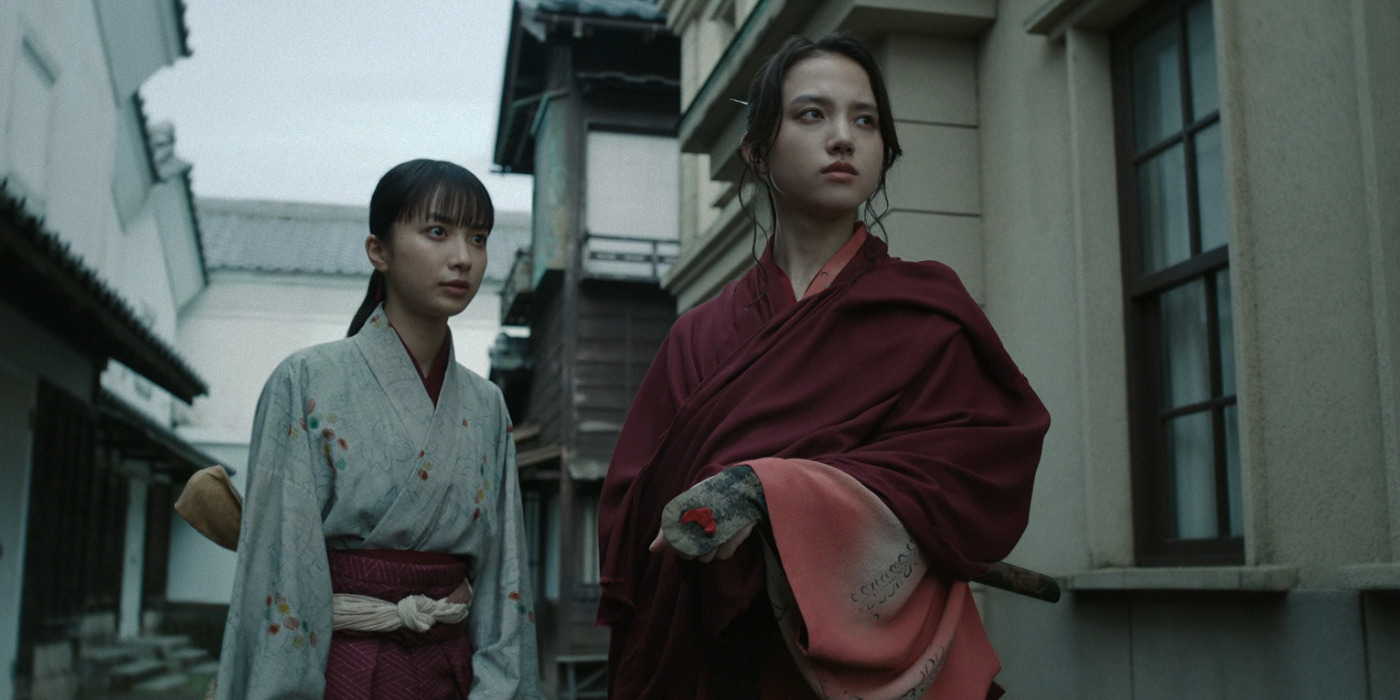
Nonetheless, fleeing from the situation presented a separate problem of its own. As the legend goes, an older warrior named Gentosai worked for the Kyohachi-Ryu Master. He was known for his superhuman skill and speed, described as a monster in his single-minded and lethal pursuit of his goal. Gentosai’s purpose in the school was singular. He had to ensure that none of the students ran away so that the secrets of the Kyohachi-Ryu would never be revealed to any outsiders. Even so, despite the looming threat, Shujiro ended up fleeing from the school before the competition could take place. Afterward, his other siblings rebelled under Ikkan’s leadership. Yet, while they managed to escape, Gentosai never stopped hunting them. In the end, after Kyojin sets Iroha and her two brothers up against the older warrior, the trio manages to escape from the confrontation with their lives. Furthermore, they finally decide to form a united front, with their other brothers, including Shujiro, to bring the fight to their enemy’s door.
Who Wins Between Shujiro and Bukotsu?
The rivalry between Shujiro and Bukotsu is established early on in the story. The latter, another former samurai who has taken to civilian life significantly worse than others, sets his sights on the other warrior from Kyoto. Furthermore, he seems to hold an overarching grudge against him as he remains obsessed with the idea of a duel between them. Eventually, as his backstory is uncovered, the reason behind this animosity is revealed. Apparently, Bukotsu was one of the samurai who fought for the Imperial Forces in the Boshin War. Much like Shujiro, he was also shaken up by the army’s decision to open fire on the warriors, steadily diminishing their numbers. However, unlike Shujiro, Bukotsu decides to feed his anger rather than his grief.
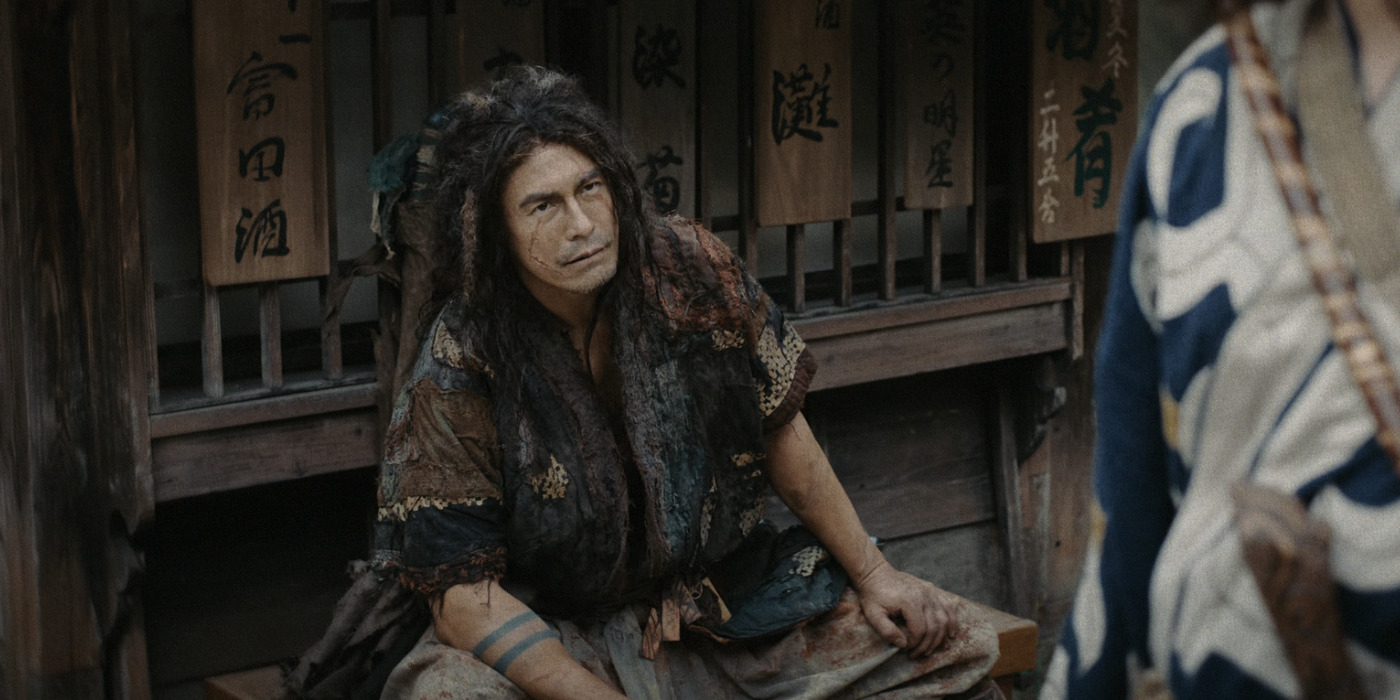
With the end of the samurai class on the horizon, he only grows angrier as his social privileges and class are taken from him and other noble warriors. In a way, the modernization of the samurai class into the shizoku class comes as a theft of identity and purpose for Bukotsu. After training his entire life to earn the revered title, he can’t stomach the idea of losing the title and its attached notoriety. Therefore, he grows bitter in his hatred toward the world. He starts to crave the bloodshed and violence of his old life. For the same reason, the Kodoku competition becomes an appealing avenue for him. Furthermore, he’s eager ot once again face off against Shujiro, who refused to kill him on the battlefield during the Boshin War. Bukotsu is lost in the new world, unable to navigate it as someone who is no longer a samurai. Consequently, he can only find happiness in an epic duel against his best, skillful warrior. In the end, this conflict comes to an end in Chiryu, where Shujiro finally kills the manic warrior.
Does Okubo Die? Why Was He Murdered?
Although the show sets itself up for a continuation in numerous ways, the fate of Okubo creates the most intriguing opportunities for a future season. Initially, Okubo is introduced into the story as a third party who holds the power to stop Kawaji from the outside. Yet, in the beginning, he remains oblivious to the Police Bureau Head’s betrayal. Soon after he launches his investigation, he and his other ministers learn that whoever is behind the Kodoku competition has been corresponding with the zaibatsu from the Police Headquarters. Yet, the Home Minister waits for stronger proof against Kawaji before acting.
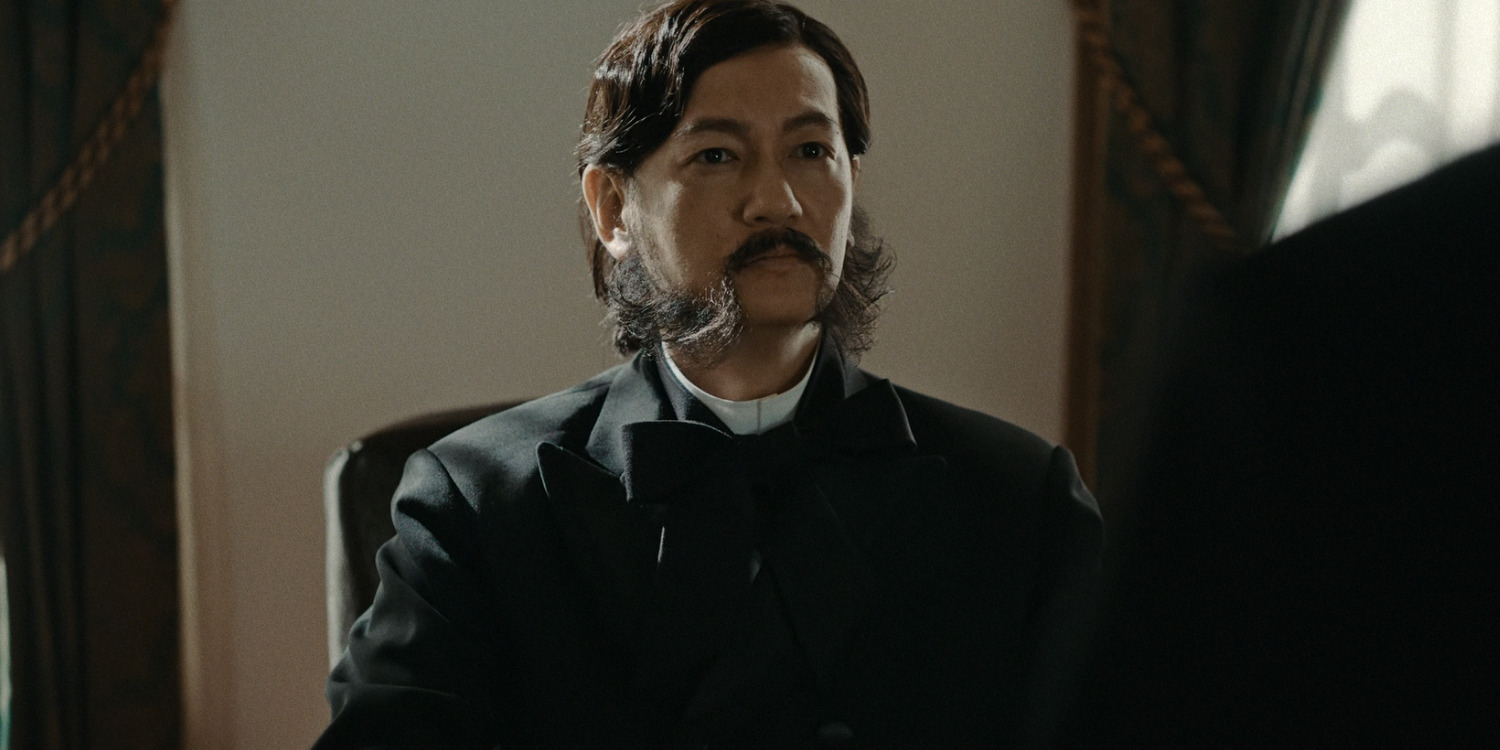
Yet, Kawaji is one step ahead and manages to prevent his discovery from happening even after Okubo’s assistant procures the needed evidence. Thus, the Home Minister ends up setting up a meeting with his enemy, perhaps in an attempt to discover the truth for himself. Nonetheless, Kawaji sends over an assassin, Sakura, to murder Okubo in his carriage in the middle of the route. Consequently, he successfully creates political turbulence that promises more chaos. Although the specifics of his plans aren’t yet revealed, it’s likely that the assassination has something to do with Kawaji’s potential allegiance to Heiji sentiments. Additionally, Shujiro believes that the timing of Oboku’s murder in tandem with the Kodoku competition is likely an intentional decision that will influence the Police Bureau Head’s next move.
Read More: Tee Yai Born to Be Bad Ending Explained: Is Tee Dead or Alive?

