
 Shivangi Sinha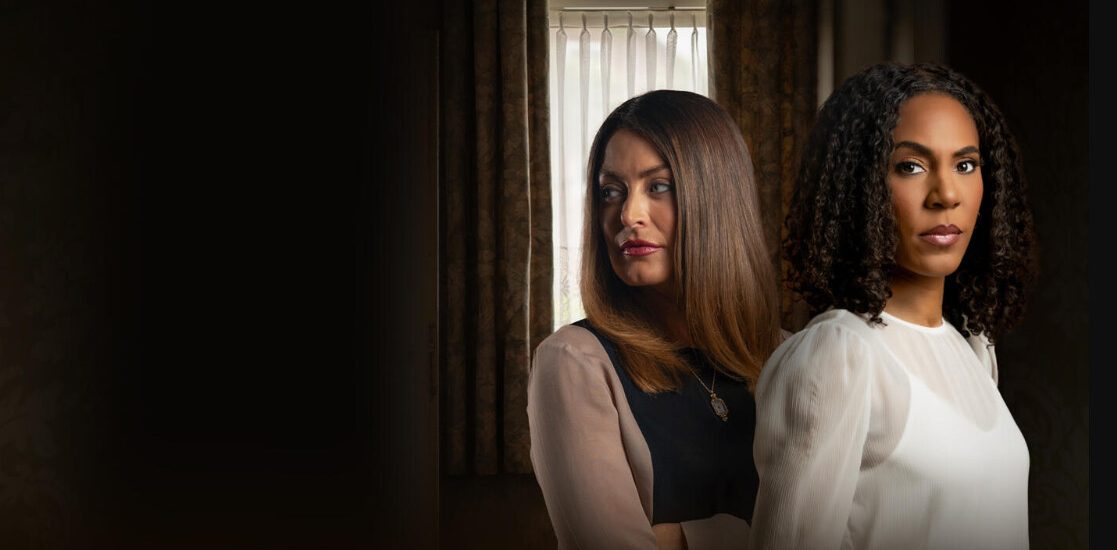
Lifetime’s ‘Our Dead Husband’ opens with Kris Holland’s world collapsing when she discovers her husband’s body inside their home. He has been shot, and she has no idea who killed him or why. As she struggles through her grief, Kris uncovers the secret that her husband was living a double life with another woman, Jennifer Dweck. This leaves her questioning how well she ever knew him and what else he may have concealed. As investigators close in on the truth, Kris realizes she must uncover the killer herself or risk becoming the next target. Directed by Christine Conradt, the film sustains tension with carefully paced suspense that keeps viewers engaged.
Our Dead Husband Appears to Draw From True Cases of Spousal Betrayals
‘Our Dead Husband’ is not based on a true story but is an original work written for the screen by Aaron Hierholzer. The film leans into dramatic storytelling and uses suspense, coincidence, and twists to build tension rather than strict realism. While the characters and events are fictional, the premise feels familiar because it likely echoes real-life cases where a sudden death exposes long-buried truths. By mixing imagined scenarios with recognizable human fears and betrayals, the story taps into a sense of plausibility and allows viewers to connect the drama to situations that have played out in news headlines and true-crime narratives.
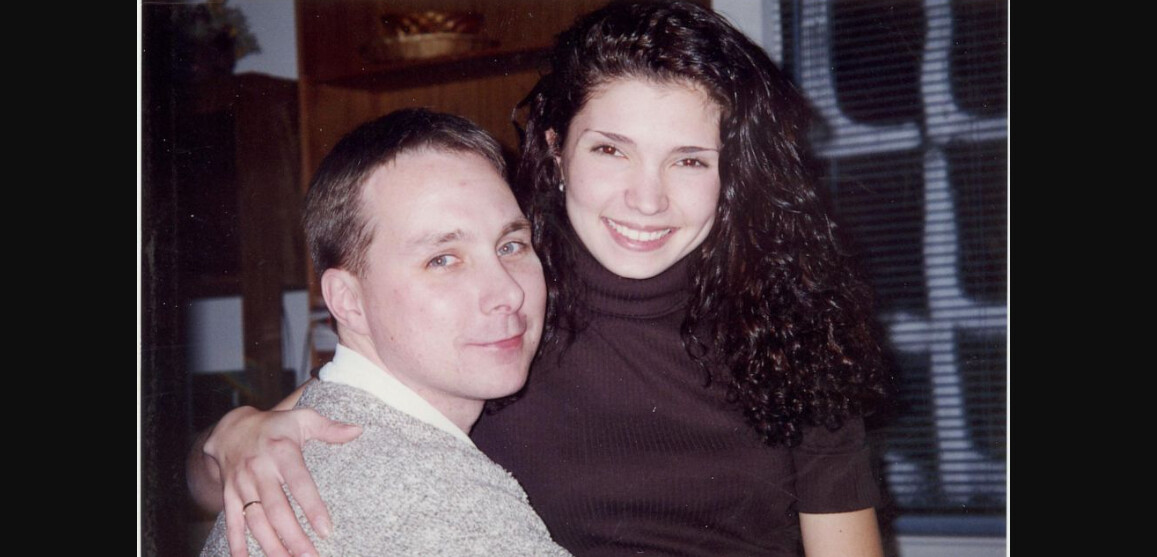
Although not an exact match to the film, the real-life case of Melanie McGuire shares a thematic resemblance in how a spouse’s death uncovered hidden aspects of their life. In 2004, McGuire’s husband, William “Bill” McGuire, was shot and dismembered, and his body parts were found packed in three suitcases that washed ashore near Chesapeake Bay. Investigators uncovered that Melanie, a fertility clinic nurse, had been having an extramarital affair and was eventually convicted of first-degree murder, desecration of human remains, and related charges and sentenced to life in prison. While the specifics differ from the film’s plot, both stories hinge on a shocking death that reveals secret relationships and hidden motives.
Many True Crime Cases Bear a Resemblance to the Movie’s Plot
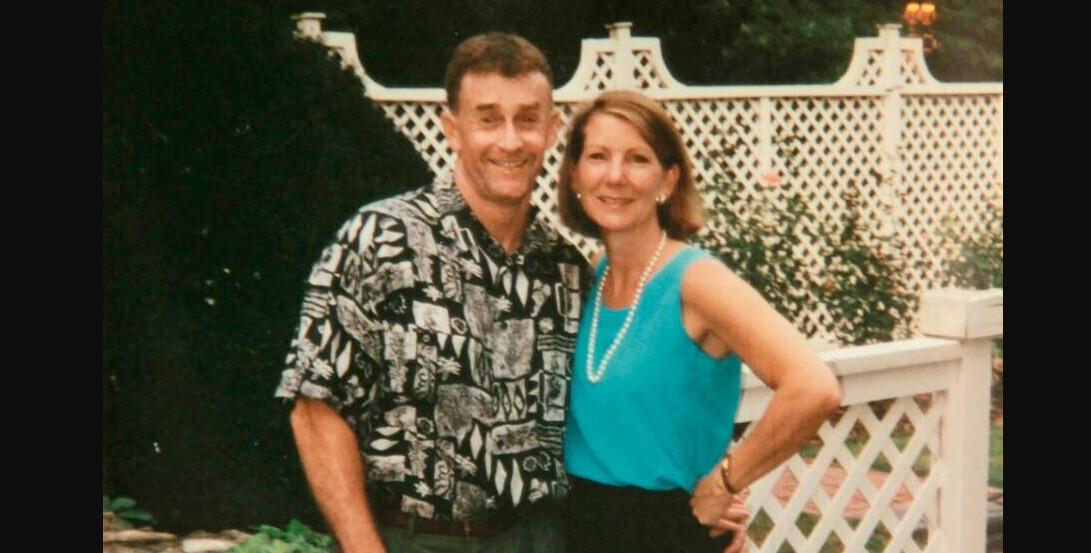
The Michael Peterson case closely mirrors the themes seen in ‘Our Dead Husband,’ particularly the idea that a sudden death exposes a life filled with secrets. In December 2001, novelist Peterson reported finding his wife, Kathleen Peterson, dead at the bottom of a staircase in their Durham, North Carolina home. What initially appeared to be an accident evolved into a murder case as investigators uncovered inconsistencies, evidence of blunt-force injuries, and revelations about Peterson’s hidden personal life. The case grew more complex with the introduction of a prior staircase death involving a family friend and later debates over forensic evidence, including the controversial “owl theory.” Much like the movie, the Peterson case shows how grief turns a domestic tragedy into a psychological and legal unraveling, followed closely by the public and media.
Secrets between spouses have been central to many real-life true crime cases, often coming to light only after a sudden or violent death. Hidden affairs, double lives, and financial or emotional deceptions have repeatedly shifted investigations in unexpected directions. ‘Our Dead Husband’ draws on this familiar reality but places it within a clearly fictional framework. The film does not recreate any single case; instead, it builds a dramatized world where concealed truths drive the narrative forward.
Read More: Is Fox’s Memory of a Killer Based on a True Story?

