
 Shivangi Sinha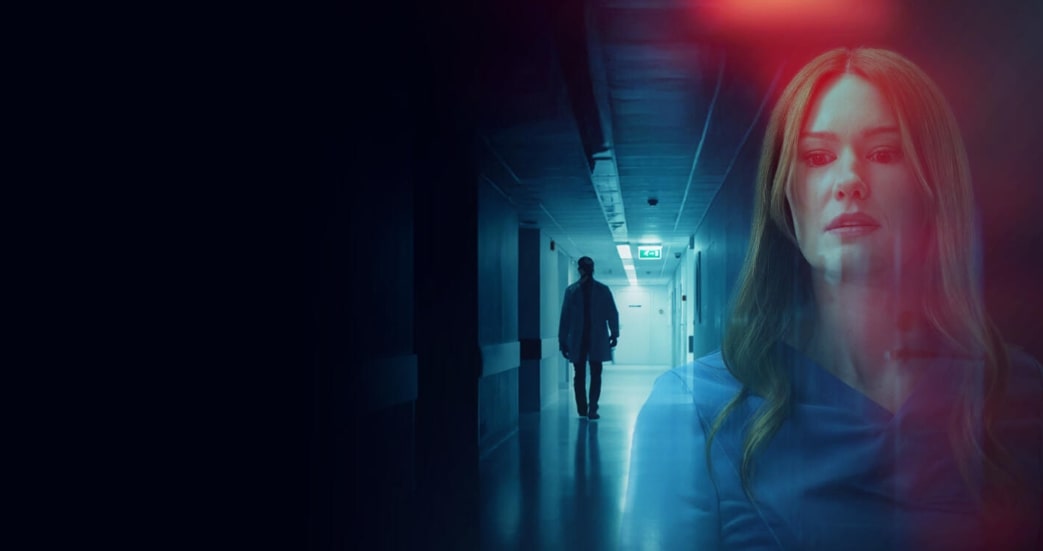
Lifetime’s ‘The Nurse Who Knew Too Much’ is a suspenseful thriller that keeps viewers on edge until the very end. The story follows Sarah Harwood, a dedicated and compassionate nurse who excels at her job and cares deeply for her patients. She’s always been cautious about the strange things patients sometimes reveal under anesthesia, usually dismissing them, until one day, a patient confesses to murder while under the influence of medication. Sarah begins to suspect that she could be his next target and must uncover the truth before it’s too late. Directed by Bruno Hernández, the film maintains a tight, tense pace throughout, effectively conveying the pressure and fear Sarah experiences. The direction, combined with the suspenseful storytelling, makes the tension palpable and pulls the viewers into the protagonist’s high-stakes journey.
The Nurse Who Knew Too Much Seems to Draw From the Heroism of Real Nurses
‘The Nurse Who Knew Too Much’ isn’t based on a true story, yet it feels unsettlingly real and seems to draw inspiration from real-world hospitals. Nurses often witness patients at their most vulnerable, hearing confessions or secrets while under anesthesia, a phenomenon that rarely has consequences but fuels curiosity and caution. This film amplifies that reality, turning it into a high-stakes thriller where one nurse must navigate danger and deception. By taking a plausible scenario and pushing it to a fictional extreme, the story explores “what if” possibilities and combines medical realism with suspenseful imagination.
While it is a fictional thriller, one real case that echoes its theme of a healthcare worker uncovering danger involved Charles Cullen, a nurse who murdered patients over many years. Cullen worked in several hospitals before investigators began noticing suspicious patterns in patient deaths connected to him. A colleague, nurse Amy Loughren, became key to the investigation after detectives showed her records of Cullen’s unusual drug withdrawals. Loughren had formed a friendship with Cullen while working together in the ICU, which made her decision difficult, but she agreed to help police by wearing a wire during a meeting with him in 2003. Her cooperation helped lead to his arrest and eventual confession about killing dozens of patients. Cullen was later convicted and sentenced to multiple life terms. Loughren’s role shows how a nurse’s insight and bravery can be crucial in solving crimes in real life.
The Movie Dramatizes the Tough Choices That Nurses Make in Hospitals
Nurses play a critical role in forensic testing and investigations and bridge healthcare and the justice system. Their close contact with patients allows them to notice signs of abuse, assault, or suspicious circumstances that might otherwise go undetected. Forensic nurses collect vital evidence, such as DNA samples, documented injuries, and detailed observations, that can directly impact criminal cases. Beyond evidence collection, they provide expert testimony in court, helping juries and investigators understand medical and psychological aspects of crimes. Nurses not only support victims but also strengthen societal trust in both healthcare and law enforcement, which makes their work invaluable to public safety and justice.
Although ‘The Nurse Who Knew Too Much’ is a work of fiction and leans into suspense and dramatization, it remains grounded in realism, especially in its depiction of hospital environments and medical procedures. The film accurately captures the pressure and responsibilities nurses face daily and makes the scenes believable despite the heightened thriller elements. Its portrayal of patient interactions, hospital routines, and the ethical dilemmas nurses navigate resonates with real-world experiences.
Read More: Is Lifetime’s The Body in the Locker Based on a True Story?

