
 Abhiroop Das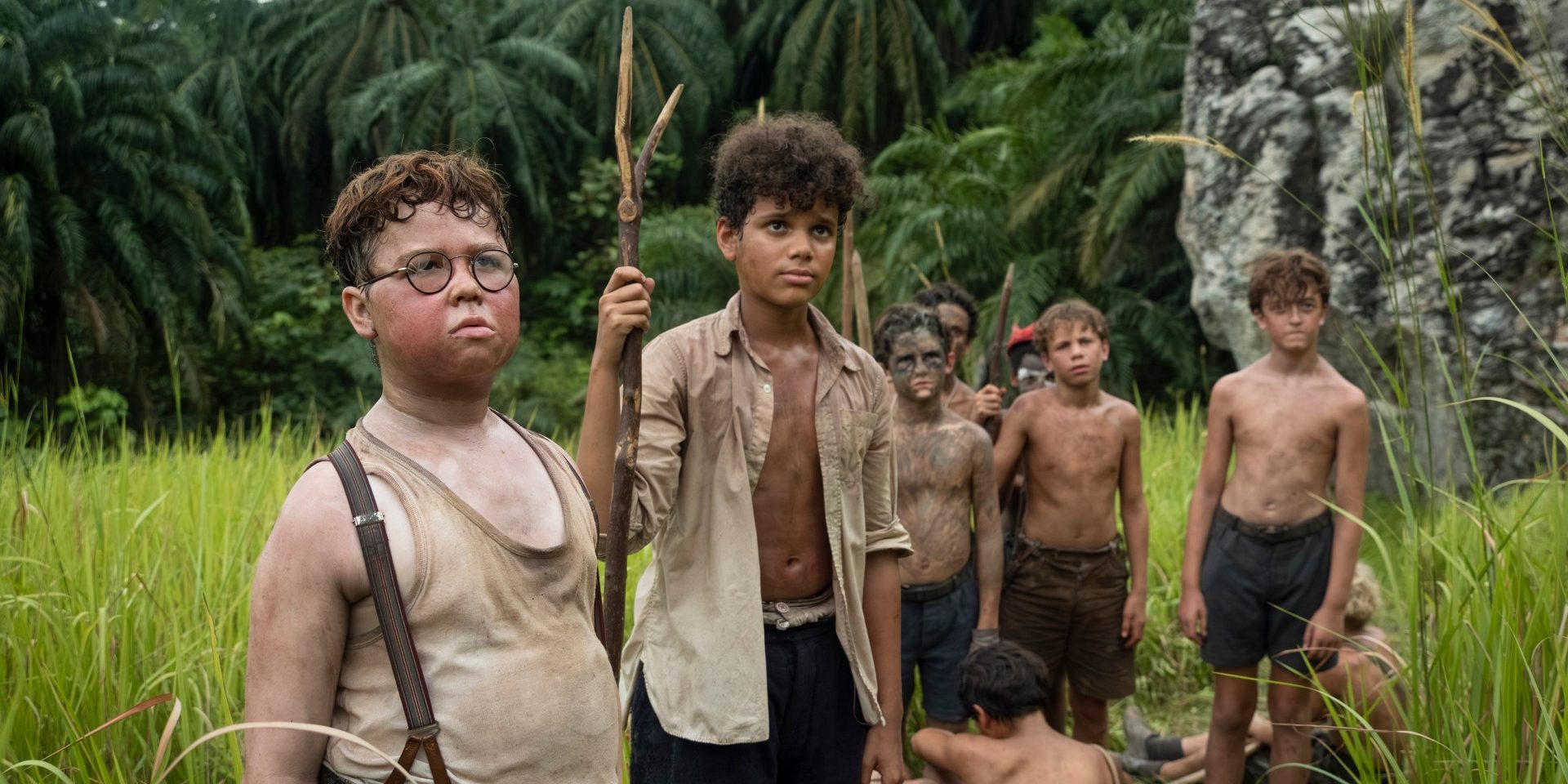
Created by Jack Thorne and based on William Golding’s novel of the same name, ‘Lord of the Flies’ spans the aftermath of a plane crash that leaves dozens of young boys estranged on an uninhabited Pacific island. With limited resources and absolutely no adults in sight, the boys decide to live and work together until help arrives. However, their internal dynamics soon begin to clash as some of the boys create their own paths and factions, partly out of fear of a beast that may or may not be real. As the psychological survival horror series progresses, four characters emerge with the most distinct perspectives and personalities.
Ralph, who is elected chief early on, wishes to preserve reason and order until help arrives, but Jack, the leader of the hunters, prefers a more aggressive lifestyle, even if it comes with excessive brutality. Though Piggy stands out as the voice of reason and Simon adds a mystical element to the story, ultimately, none of the characters are truly able to outweigh one another, leaving a lingering sense of existential dread.
William Golding’s Lived Experiences Give Shape to the Characters in Lord of the Flies
Piggy, Jack, Simon, and Ralph are not based on any real children who got stranded on an island, and are instead fictional characters created by William Golding for his novel ‘Lord of the Flies.’ As the central figures of the story, they embody many of the book’s themes and social commentary, particularly when it comes to war and humanity. As such, while there might not be any one-to-one counterparts for these characters in real life, their inspiration likely comes from Golding’s personal experiences, many of which directly led to the creation of this novel.
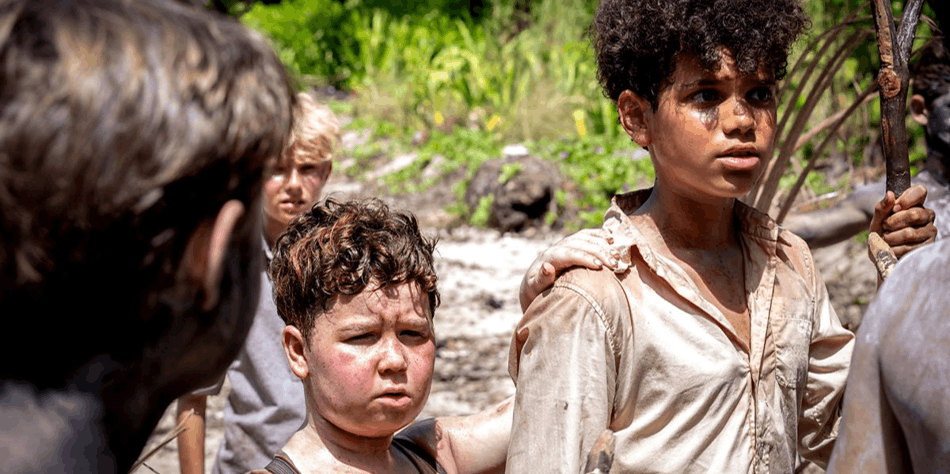
Golding was a schoolteacher in Salisbury, England, when World War II began, following which he enlisted in the British Navy. His experiences during the war, particularly his participation in the Normandy landings during D-Day in 1944, proved to be a major influence on the creation of ‘Lord of the Flies.’ Reportedly, Golding once suggested that he and his fellow soldiers were all “Ralphs” or “Piggys” prior to the war, which is possibly in reference to how the characters start out with an optimistic outlook on humanity, but end up participating in gray acts. This comment can likely also extend to Simon and Jack, explaining how they serve as vessels for a larger message within the narrative.
Ralph, Jack, and Piggy Are Likely Subversions of a Children’s Classic Novel
Aside from William Golding’s background as a naval officer, two other factors went into the conceptualization of his main characters. The specific idea for ‘Lord of the Flies’ reportedly came to him after reading ‘The Coral Island’ by R. M. Ballantyne, which has a similar premise: three boys find themselves alone on a Polynesian island and have to put on a heroic display in order to survive. Golding reportedly found the book unrealistic and asked his wife if it was a good idea to write about “children who behave in the way children really would behave.”
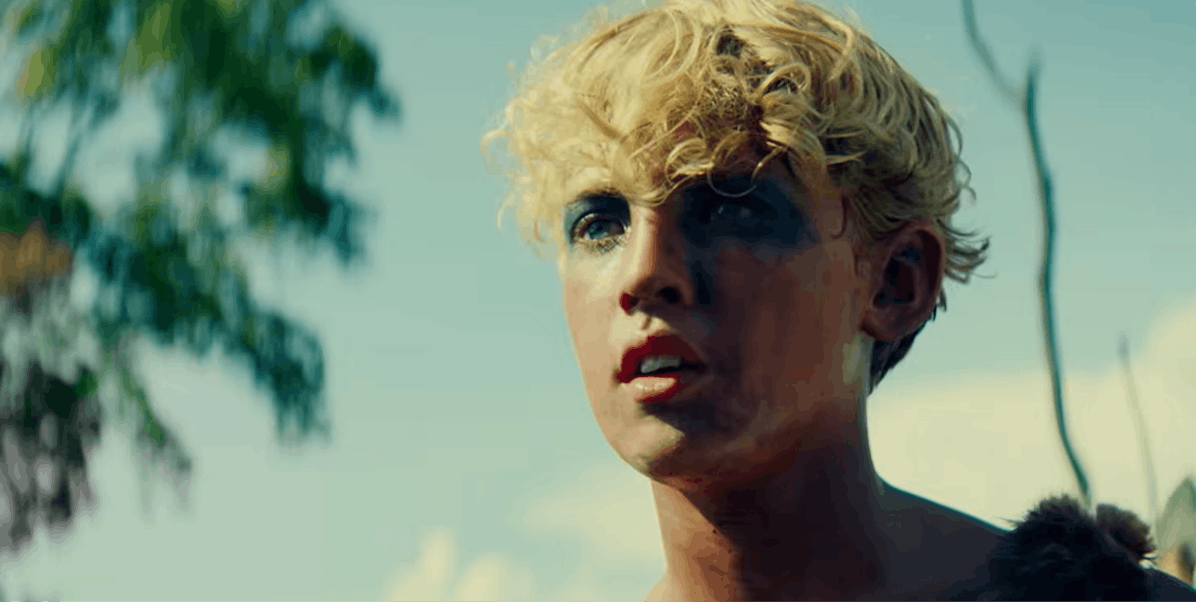
Golding’s conceptual statement helps contextualize how Piggy, Jack, Simon, and Ralph are integrated into the story, especially when we take into account that Jack and Ralph are also the names of two of the three protagonists in ‘The Coral Island.’ Aside from the similarities in names, however, Golding’s lead characters undergo a wholly different journey, which only serves to highlight their fictionality.
Simon is Intended to be a Christ-like Archetype in the Story
While it is likely that William Golding’s experiences as a schoolteacher partly influenced his writing of Piggy, Jack, and the others, his daughter Judy Golding added yet another piece to the puzzle. In a conversation with The Guardian, she expressed, “He was a schoolmaster, and that’s always what people talk about. But he also had two relatively small children, and I think that experience must have been very, very acute in his life.” She went on to suggest that the physicality of the characters was potentially inspired by his family life.
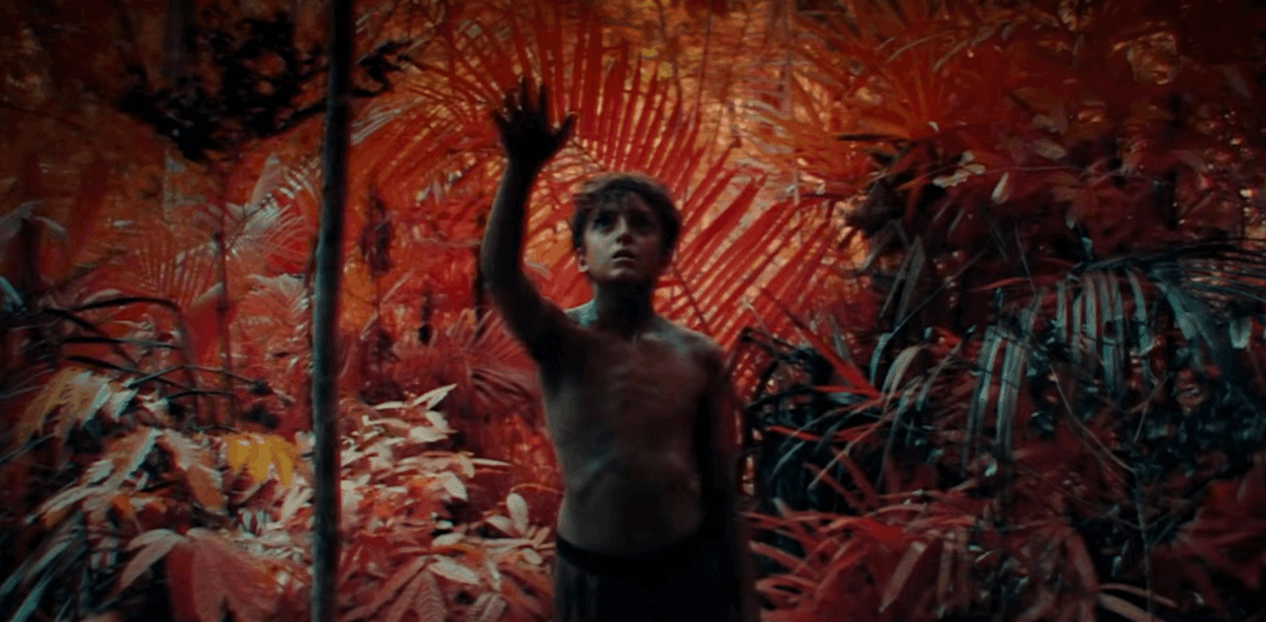
While most of the characters in ‘Lord of the Flies’ do not have direct antecedents or conceptual bases, Simon stands out as an exception. Golding, during an interview at Purdue University, confirmed that Simon was designed as a Christ-like figure, and that is especially highlighted in his ending. Elaborating on this parallel, Golding stated, “I intended a Christ figure in the novel, because Christ figures occur in humanity, really, but I couldn’t have the full picture, or as near as full a possible picture of human potentiality, unless one was potentially a Christ figure.” The writer then went on to liken Simon’s climactic moments to biblical imagery, specifically the “perennial temptation to the saint.” However, Simon as a character isn’t limited to any one archetypal template. Instead, Golding uses the imagery as his base layer to pour life into Simon, just like the others.
Read More: Where is Lord of the Flies Filmed? All Shooting Locations

