
 Abhiroop Das
Created by Jack Thorne, ‘Lord of the Flies’ is a modern retelling of the eponymous classic novel by William Golding, which follows a group of young boys who crash onto an uninhabited island in the middle of World War II. Without any adults around to guide them, the boys soon make their own rules and leaders, dividing tasks among themselves and prioritizing survival as much as having fun. However, as days turn into weeks, a subtle shift begins to take place in their collective unconscious, often pushing their worst and most ferocious instincts to the forefront.
When fear of a mythical beast takes over the entire tribe, factions begin to emerge on the basis of what might be done about this entity. Throughout all this chaos, one of the group members, Simon, prefers venturing into the jungle all by himself. However, staring deep into the abyss has its consequences, and Simon soon learns that there might be nothing he can do to escape the grand tragedy of this island and its children. SPOILERS AHEAD.
Simon’s Death Reveals That the Beast Was Inside the Boys All Along
Simon is killed by Jack and the boys after they mistake him for the beast and attack in a frenzied state. The real tragedy of this death comes with the fact that Simon had just figured out that the beast was imaginary, and was likely rushing back to the camp to relay that message. Instead, he becomes a part of a self-fulfilling prophecy where the boys cease to care about who or what the beast is, and are only interested in killing it. When Simon hallucinates a conversation with the pig-head, which is dubbed “Lord of the Flies,” he learns that the real beast was never roaming through the forest in a physical form. Instead, it rests within the hearts of every boy on the island, almost predestined to destroy things from the inside out.
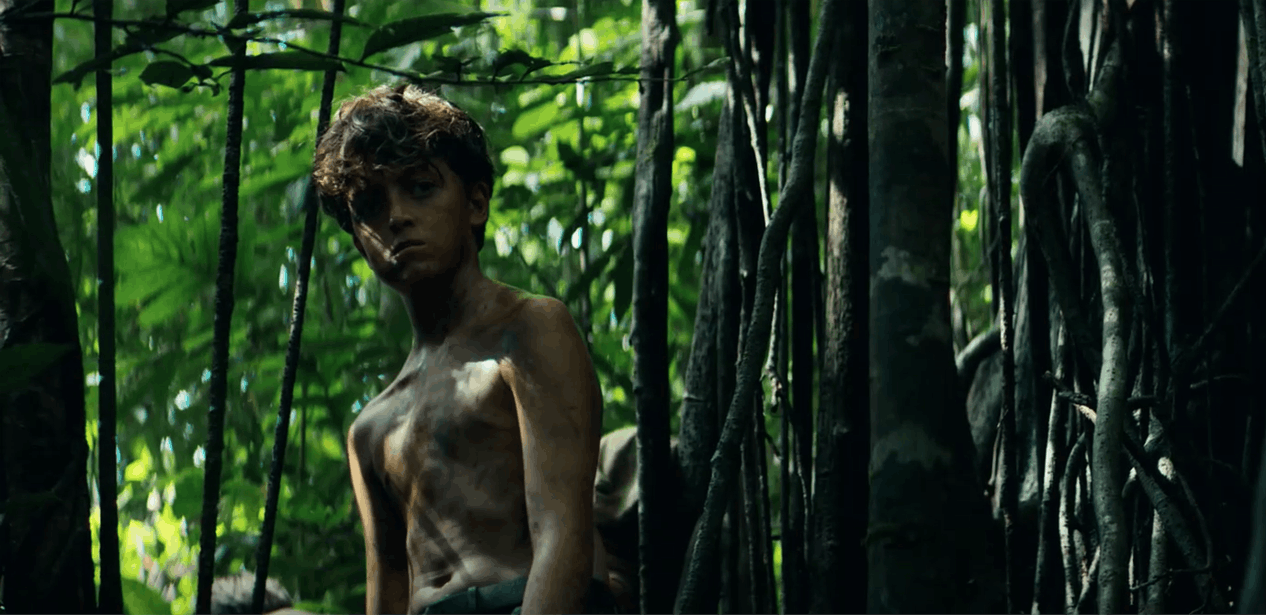
While Simon may have imagined the entire conversation, it does end up expressing the beast as not a real entity, but a collection of all the children’s stress, trauma, and paranoia, which is slowly but surely turning them away from their morality. To that end, the beast becomes not one creature, but a collective term for all of the boys undergoing a mass psychogenic illness. This omen comes especially true in how Jack’s crew kill Simon in cold blood, and then show no remorse.
It is possible that their collective delusion is strong enough that they don’t even register the dead person as their friend Simon. Instead, they dance in glee, convinced that their worst fears are behind them. Only Jack seems to be aware of what has unfolded, but instead of reflecting on his actions, he doubles down on his coping mechanisms, transitioning into an even more aggressive leader who targets Ralph and Piggy next.
The Murder of Simon Can be Interpreted as a Parallel to the Crucifixion of Jesus
Simon’s death also involves a layer of biblical symbolism, specifically in how his journey seems to mirror a Jesus-like archetype. Most notably, Simon’s conversation with the pig-head appears to be a direct nod to the temptation of Christ, a narrative wherein Jesus is tempted by the devil for 40 days and nights. In the show, the eponymous imaginary entity tries to convince Simon to embrace a supposed inner beast, which Simon rejects. However, not long after he figures out the beast’s identity and tries to tell the rest of the boys, he is impaled by dozens of spears and breathes his last. William Golding has confirmed on numerous occasions that the scene draws some parallels with the crucifixion of Jesus, which also ties into the novel’s commentary on the cyclical nature of violence.
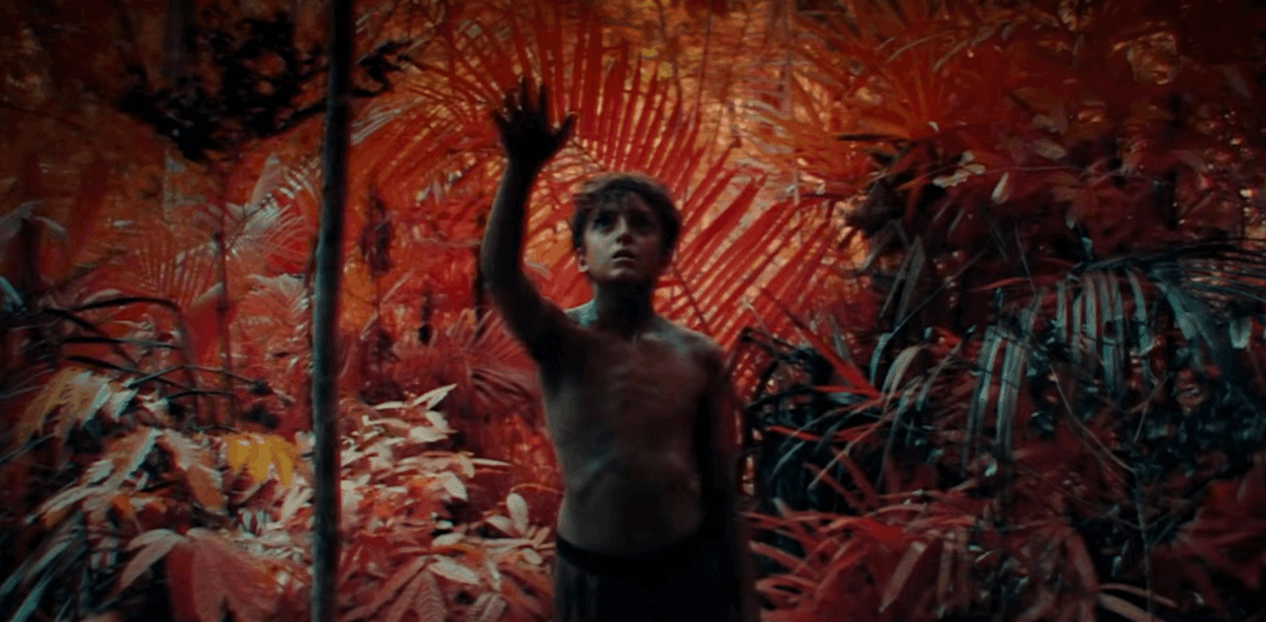
Another piece of ambiguity surrounding Simon’s death comes from how he seems to have a premonition of such a fate. When Piggy suggests going to Jack’s camp to retrieve his glasses, Simon warns him of an impending doom, which is later confirmed in his conversation with the pig-head. Simon’s seemingly innate understanding of his own death isn’t necessarily a confirmation of the supernatural, but represents how the boys are already past the point of no return. Earlier in the story, Simon says that he prefers life on the island over a normal existence, but Jack’s rapid deterioration of the island, be it by burning it or disturbing the natural balance, shows that Simon’s idea of a peaceful coexistence is short-lived. Though he may have an inkling of his demise, it is apparent that Simon dies scared, confused, and alone, representing a failure on the boys’ part that cannot be taken back.
Read More: Where is Lord of the Flies Filmed? All Shooting Locations

