
 Saagar Kote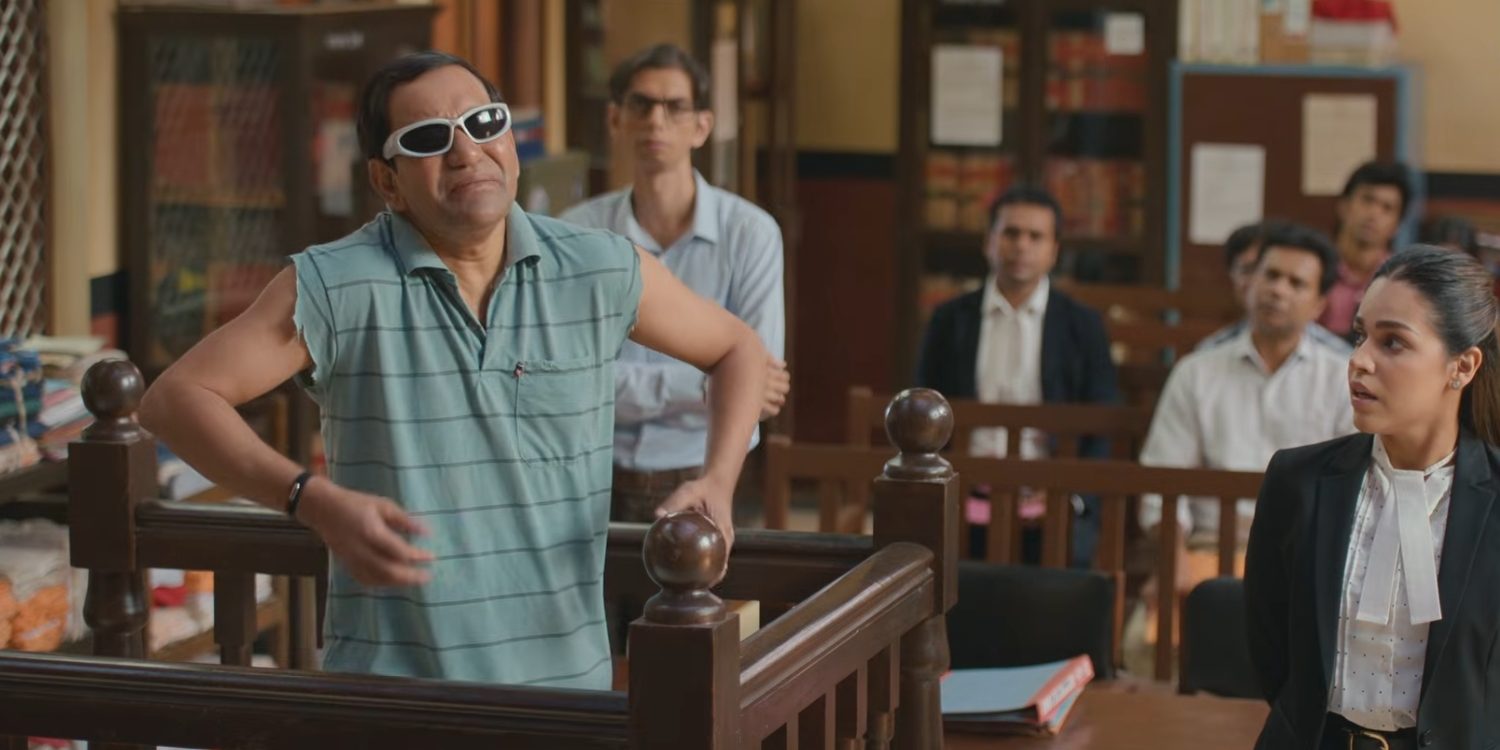
Netflix’s ‘Maamla Legal Hai’ returns for its second season and sees a shift in the power dynamics as VD Tyagi takes on the role of Principal District Judge of Patparganj Court. In his absence from the lawyer’s chamber, Mintu and Sujata vie for dominance over their positions. Meanwhile, Ananya is focused on gaining valuable experience as a lawyer, determined to earn her rightful place in the chamber. Tyagi quickly discovers that his new position as a judge presents its own unique set of moral and legal challenges, prompting him to rely on his inner judgment. Mintu and Sujata continue to tackle cases that test their commitment to fairness, justice, and providing relief to their clients.
The most difficult case of Ananya’s career involves a perfume company named Fire Clone Deodorant, which is in all kinds of legal trouble. The inner working of the company and the nature of its products play a pivotal role in Ananya’s character arc, while also shedding light on market economics. SPOILERS AHEAD.
Fire Clone Deodorant’s Fate is Tied to Banaspati and Ananya’s Will to Fight
In the case concerning Fire Clone Deodorant, which allegedly caused burns to Mr. Banaspati’s armpits, Ananya is representing Mr. Banaspati, and Nayana Arora is defending Fire Clone Deodorant in the legal proceedings. Fire Clone is a fictional perfume brand that uses questionable methods to gain market share. It sells substandard deodorants containing harmful chemicals that cause burns and injuries to consumers who use them. Through this company, the narrative comments on the lengths businesses go to maintain an advantage. Fire Clone denies responsibility and blames the burns on Banaspati’s sensitive skin. The imaginary brand appears to be a real perfume company, given the strategies it uses and its hiring of the skilled lawyer Nayana to win the case.
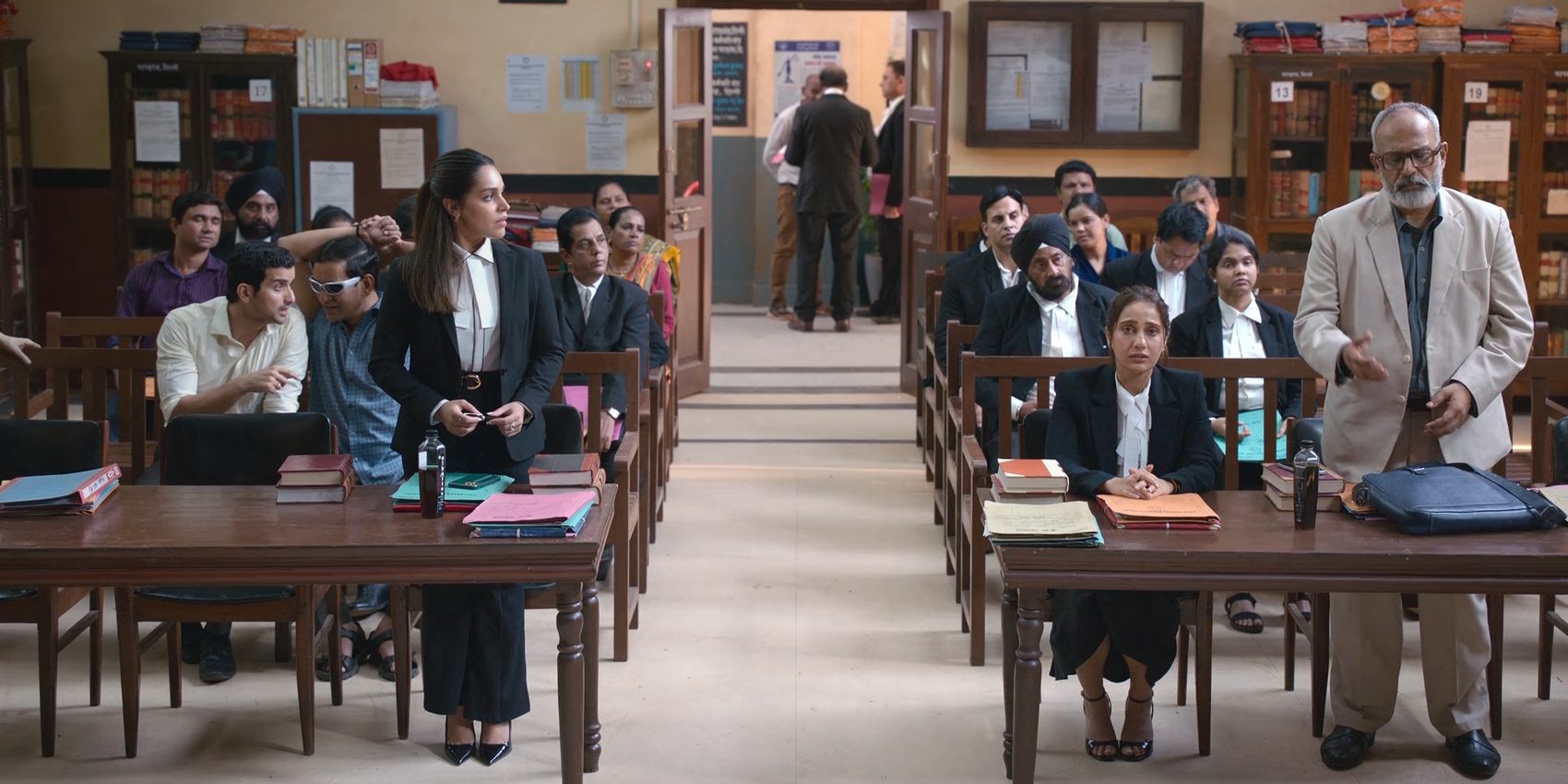
The narrative doesn’t sensationalize the case between Fire Clone and Banaspati, as it is socially relevant and meaningful. Fire Clone represents the evils of corporate greed and how it is possible for brands to hoodwink customers through deceptive marketing. Fire Clone sells its products with the promise of making its customers more desirable, but chooses shortcuts and dangerous means to produce its deodorants. Interestingly, there are issues in the real world that are similar to the Fire Clone Deodorant case, involving perfume brands and customers. According to a 2025 report, a major deodorant brand, Mitchum, apologized after customers began experiencing itchy, burning armpits. Consumers of Mitchum’s products complained on social media of severe irritation, including a feeling of being on fire.
The company expressed regret, citing a manufacturing change affecting batches sold in the UK, Ireland, and South Africa, and announced the removal of the affected products from shelves. Since deodorants are so widely used in the world, the potential implications of such situations are significant. Unlike Mitchum, Fire Clone refuses to acknowledge its wrongs and fights a long and costly legal battle. Although the show is based in India, the examples it uses are relevant in other parts of the world. Fire Clone loses the case in the narrative and agrees to pay a hefty compensation to Banaspati for the damages caused. Through this example, the show highlights the importance of the judicial system in holding businesses responsible when they operate in a free market.
Read More: Is King Karaoke a Real Place?

