
 Saagar Kote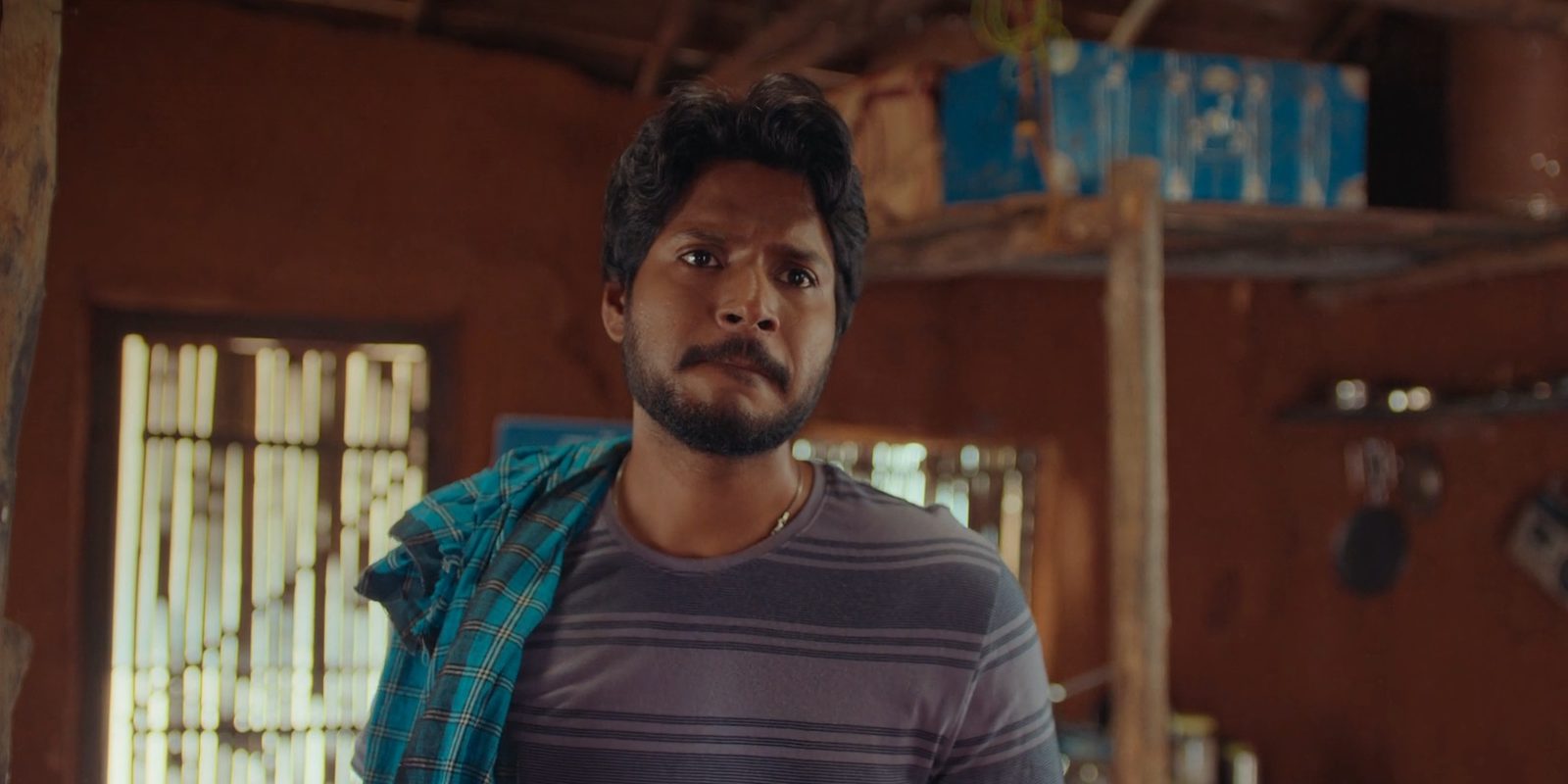
Created by Mallik Ram, ‘Super Subbu’ is a Telugu-language comedy-drama series that revolves around the life of Subramanyam Chilukuri Rao, AKA Subbu. He is a Hyderabad-based government school teacher who gets the opportunity to travel to the conservative village of Makhipur, Telangana, to serve as the new sex education officer. He is confronted by multiple challenges, including a lack of self-confidence and the stigma of the villagers towards sex education. The teacher’s life is marked by unforeseen ups and downs as he seeks his father’s respect. The village plays a pivotal role in Subbu’s life, vividly shaping his perspectives about life and meaning.
While dealing with romantic tribulations in his personal life, the new sex educator also hopes to make a difference in the lives of the villagers, who seem to prefer privacy and social rigidity. The Indian show’s heart lies in the relationship between Subbu and Makhipur, which sees loud disagreements, unexpected revelations, and tender moments in equal measure. SPOILERS AHEAD.
Makhipur Struggles to Understand the Intricacies of Sex, Women’s Rights, and the Consequences of Overpopulation
Makhipur is a fictional village brought to life by ‘Super Subbu’ in imaginative ways. Situated somewhere in the state of Telangana, it is a place where birth rates are beyond control. The village serves as a symbolic representation of the consequences of the lack of sex education in the context of rural India. Although the narrative doesn’t portray Makhipur or Indian villages as a whole as backward, it highlights important social issues with real-life stakes. The village becomes a battleground for a clash of ideas. On the one hand, Subbu tries his best to educate the villagers about the advantages of safe sex and the concept of consent. On the other hand, many men in the rural community are opposed to the idea of women receiving sex education, insisting that childbirth and family size should not be subjected to outside control.
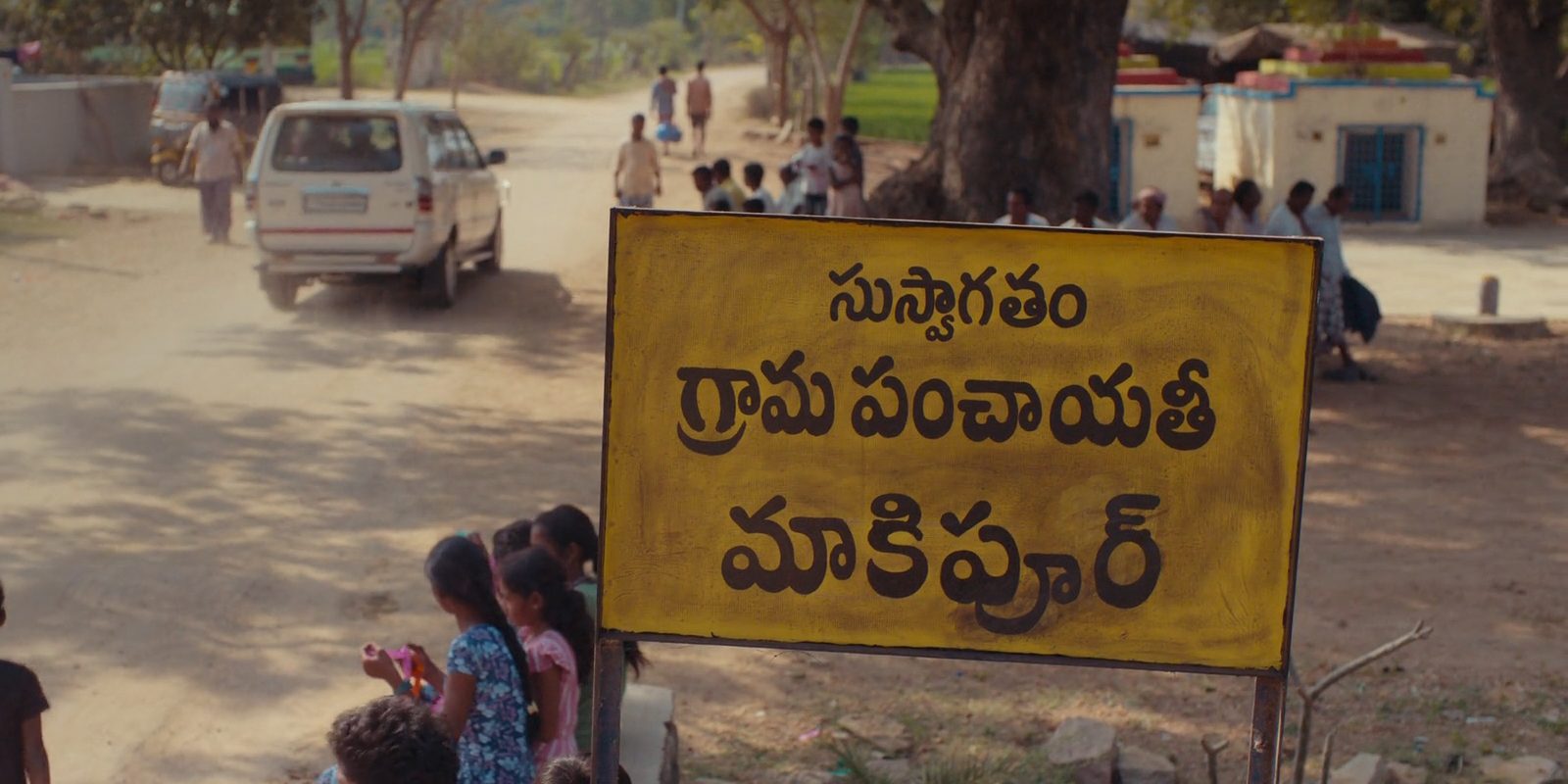
One of the major problems in Makhipur is the refusal of people to talk about sex or even acknowledge that it is a part of their lives. Marriages in this imaginary rural community are defined solely by physical intimacy, not by love or empathy. Sex remains a taboo topic in many parts of the world, and the show explores the complexities of this issue through the experiences of the people of Makhipur. The story, using the example of the village, employs comedy as a tool to raise awareness about sexual wellness and highlight the importance of women’s reproductive rights. The conversations among the villagers, their customs, traditions, dress, and other elements contribute to the show’s realism.
In Makhipur, the locals also deal with several issues, ranging from early teenage pregnancies, population control, drinking water supply, and family welfare. A 2025 news report indicates that India continues to face alarmingly high rates of teenage pregnancy despite making strides in the reduction of child marriage. Teenage pregnancy often forces young women to leave school due to societal stigma and limited institutional support. These issues are particularly prevalent in rural regions, where cultural norms favor early marriage and childbearing. A significant lack of sexual education and the influence of social taboos further prevent young women from making informed decisions regarding their reproductive health. The show explores sensitive social issues while delving deep into the characters’ struggles.
Subbu Fights Against Social Rigidity and Lack of Awareness in Makhipur
Subbu is a fictional character who drives the thematic and emotional core of the show. His experiences in Makhipur are characterized by uncertainty and difficulties establishing trust with the locals. While Subbu realizes that he must handle the village with a lot of care, the locals view him with suspicion. He represents the struggles of sex educators in India and many other parts of the world, who must deal with taboo topics, even as many social groups oppose them. Subbu, who is a city dweller, feels it is difficult to convince the villagers to talk about sex and related issues. This is also complicated due to his own lack of self-confidence.
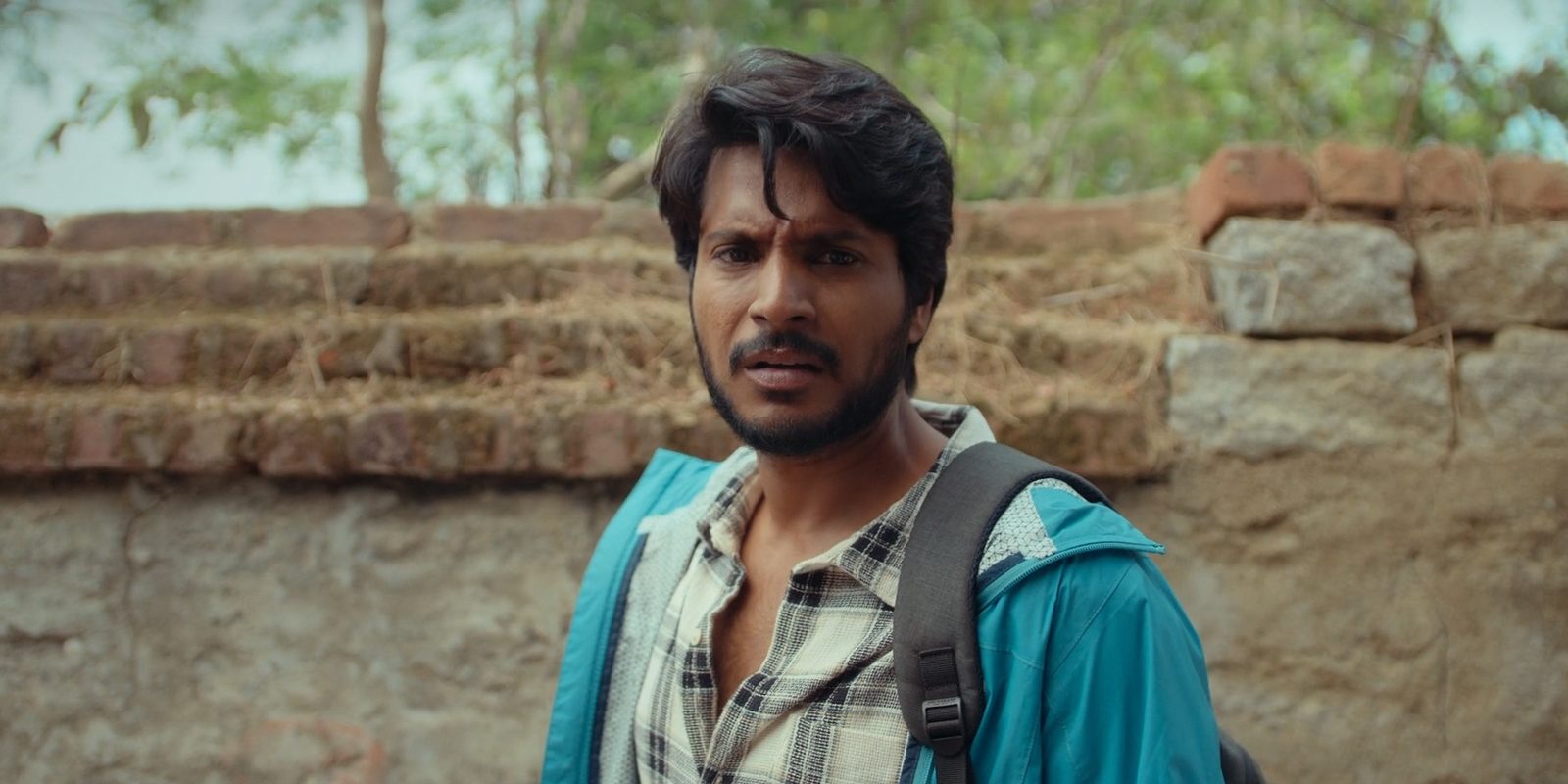
He appears to be a real person, due to the experiences he goes through in Makhipur, and the various ways in which he responds to challenges. The character is not a simple or one-dimensional individual, but a complex person who deals with the difficult realities of life. Teaching, especially sex education, is not an easy task and requires educators to fight through deeply significant hurdles. Subbu’s character arc is a visual representation of this specific social reality, combined with familial and personal struggles. Ultimately, ‘Super Subbu’ is a layered and relevant commentary on issues of deep relevance in the modern world.
Read More: Is Jhamli Based on a Real Town or Village?

