
 Aahana Swrup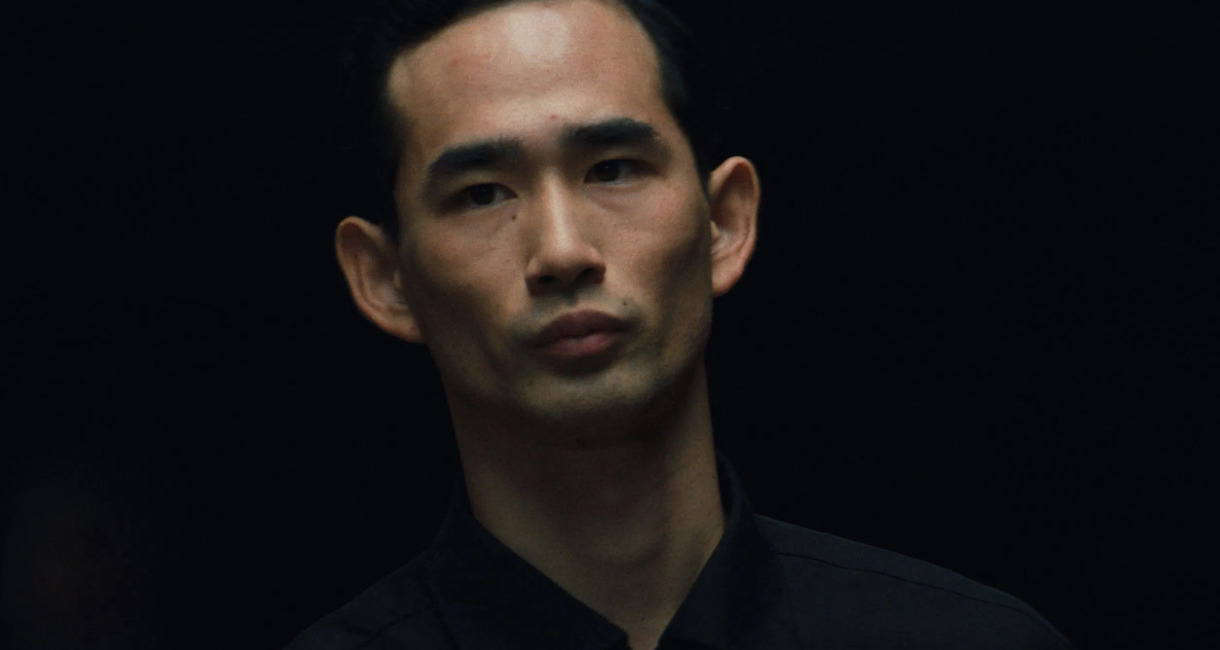
The sports drama film ‘Marty Supreme’ follows the narrative of a table tennis player who is chasing after greatness. Marty Mauser, a virtuoso at ping-pong hailing from New York, has big plans for his future, which involve cementing himself in the history of the sport by winning an esteemed championship. However, a number of hurdles remain in his path, including the emotional and material challenges that the athlete has to overcome. One of the more tangible rivals in this quest remains Marty’s actual opponent, Koto Endo. The skillful Japanese ping-pong player puts the ambitious young New Yorker through the paces in an electrifying match at the British Tennis Table Open tournament in London. Endo poses as a narrative foil to the protagonist, retaining a cool and focused persona that contrasts boldly against Marty’s audacious and chaotic nature. Given the real-life roots behind the latter’s characterization, fans are bound to grow intrigued by the origins of Endo’s character.
Koto Endo is a Fictional Character Who Parallels One of Marty Reisman’s Opponents
Despite the real, historical roots behind ‘Marty Supreme,’ the narrative charts a largely fictional journey, which only borrows the occasional inspiration from the real life of Marty Reisman. Most of these instances of real-life inspiration remain confined to the titular character of Marty Mause, rendering other characters in the story as mostly works of fiction. However, Koto Endo proves to be an exception, retaining a comparable counterpart in the real history of ping pong. The on-screen athlete is loosely inspired by the real Japanese table tennis player, Hiroji Satoh. When the latter first came onto the international table tennis stage, he was a virtual unknown.
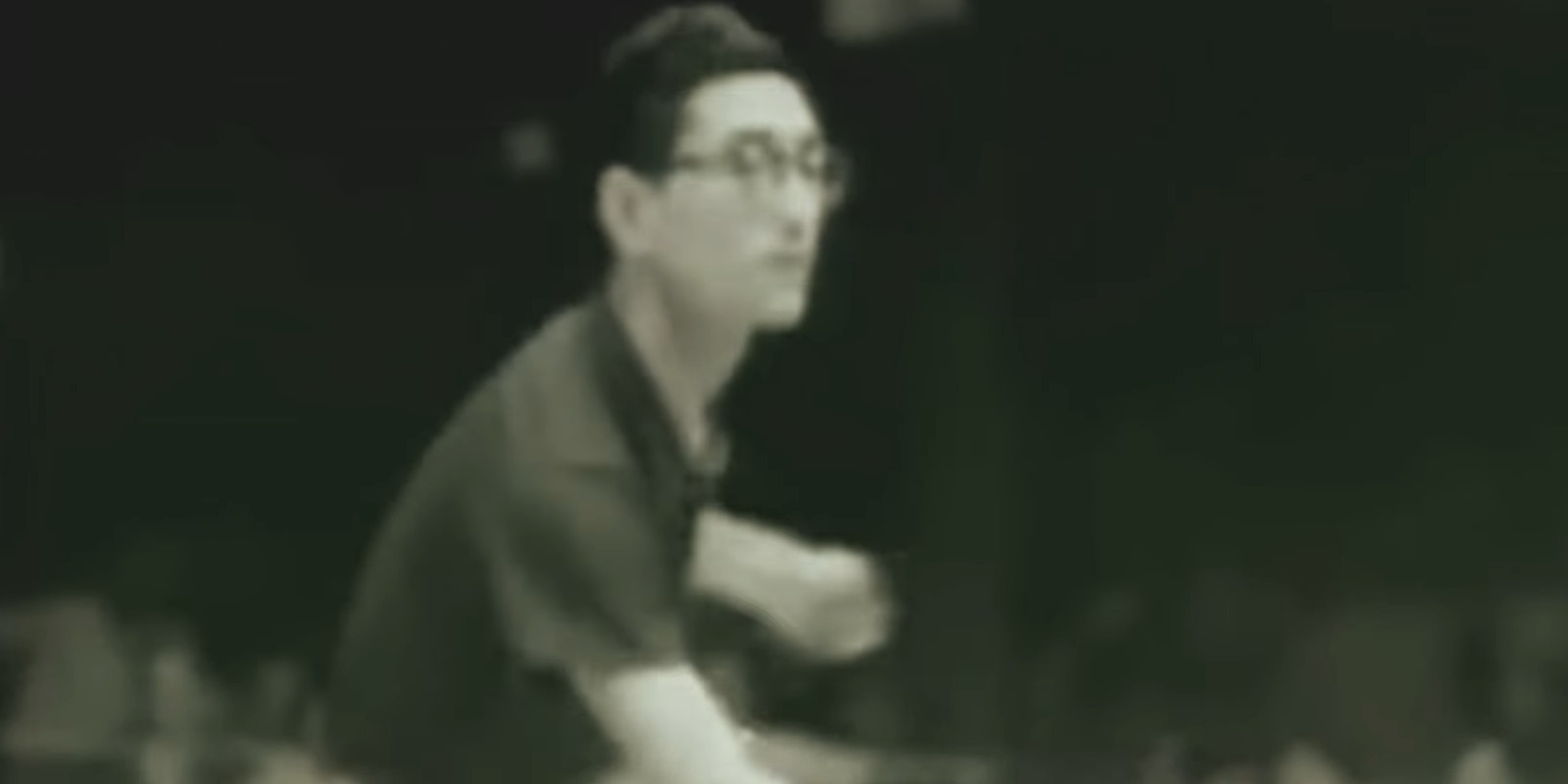
However, at the 1952 World Championship Tournament, Satoh established his legacy for years to come. He defeated the renowned British player Richard Bergmann, a four-time world champion. Likewise, he also went up against Reisman and secured his victory. Ultimately, he won the World Championship in 1952. Naturally, Satoh became an integral part of Reisman’s legend, and the pair’s historic rivalry seems to be replicated in ‘Marty Supreme’ through the dynamic of Marty Mauser and Koto Endo. However, the on-screen narrative finds many notable divergences from the real-life instance that inspired it.
For one, the real 1952 World Championship took place in Mumbai, India, while the film opts for London, England, as the backdrop. Additionally, in real life, part of Satoh’s victory was credited to the innovative Japanese team’s rackets, which had a one-inch foam layer under the thin rubber covering of the racket’s non-wood panel side. This allowed the player to deliver soundless returns, which tended to throw his opponent players off. This detail fails to make it into the film, and thus, the foundation of Koto’s character. Instead, a different attribute, detached from Satoh, becomes a defining aspect of the on-screen character.
Koto Endo Sports a Key Similarity With Actor Koto Kawaguchi

Koto Endo’s narrative role in Marty Mauser’s storyline connects the character to the real-life Japanese table tennis player, Hiroji Satoh. However, the character possesses another notable counterpart in reality. In the film, Koto’s character lost his hearing due to a 1945 U.S. bombing raid on Tokyo. After sustaining the hearing loss, the player turned it into a unique strength by using his deafness as a tool to focus on each game with the elimination of auditory distractions. As it turns out, the actor behind the character, Koto Kawaguchi, shares this attribute with his character. In real life, Kawaguchi, who is also deaf, is an actual table tennis player who has been a professional in the sport since 2019. ‘Marty Supreme’ marks the first acting credit for the Japanese athlete, who is able to use his own experiences and skills to infuse his character with a sense of authentic realism. As a result, Koto becomes a realistic character despite being otherwise fictitious.
Read More: Is Marty Mauser Based on a Real Table Tennis Player?

