
 Saagar Kote

‘Meethe Mein Kya Hai’ is a Netflix Indian drama film that follows Jai Agarwal, a 35-year-old interior designer, who has withdrawn from his profession and personal life following the untimely death of his wife, Tara. Hoping to find some distance from his grief, he plans to leave India and settle in Georgia, with only two weeks remaining before his departure. However, his plans are disrupted when his sister, Sana, reveals that she has secretly married without informing their parents. Wanting Jai by her side when she breaks the news to the family, Sana convinces him to travel to Lucknow, despite his reluctance to reconnect with his relatives.
Their arrival coincides with the Diwali celebrations, bringing the family together under one roof. As the reunion unfolds, unresolved emotions surface and unexpected relationships begin to take shape. What starts as an unwelcome interruption to Jai’s plans gradually offers him an opportunity to confront his grief, reconnect with his family, and find a path towards healing. Directed by Radhika Bansal, the Hindi-language movie is a heartwarming saga that focuses on deeply personal emotions.
Meethe Mein Kya Hai is a Fictional Tale That Sheds Light on Grief, Family, and Healing
Penned by Radhika Bansal, ‘Meethe Mein Kya Hai’ is an imaginary story that delves deep into Jai’s soul, capturing the depth of his grief. The film serves as both a character study and a portrait of a complex family. Jai’s journey to Lucknow allows him to further process his emotions, as his family members look to support him at every stage. The narrative is an intricate portrayal of the realities of Indian families, without adhering to stereotypical ideas about them. The movie feels realistic because of the characters and the way they interact. It steps away from an overtly cinematic depiction of Jai’s experiences and keeps moments grounded. Each character is layered and brings new perspectives to the story.
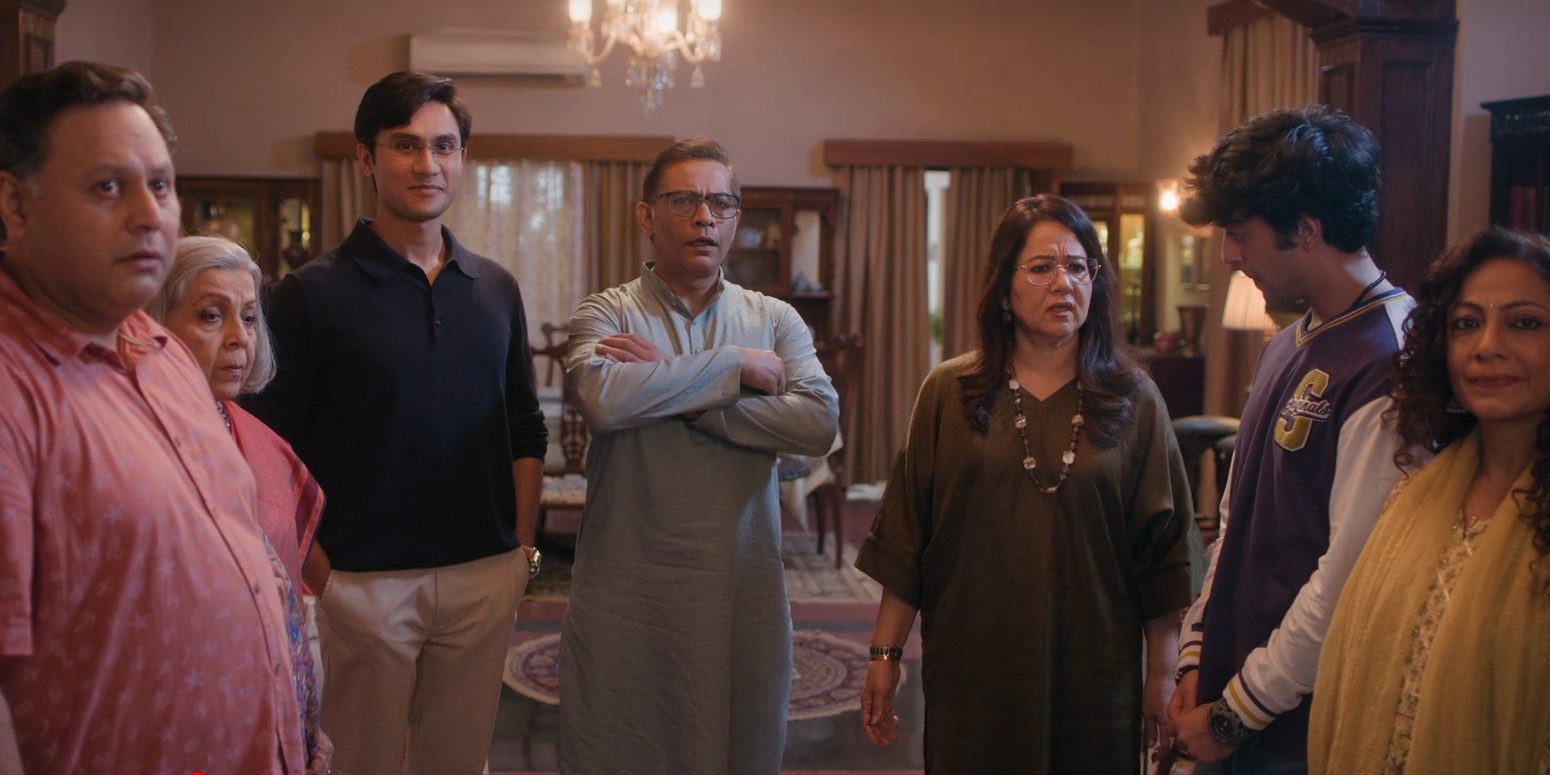
‘Meethe Mein Kya Hai’ is comparable to films like director Shakun Batra’s ‘Kapoor & Sons,’ which also sheds light on the complications that arise within Indian families. Jai’s journey also serves as a poignant navigation of the various facets of grief and the difficult path towards healing. Grief is examined from a very grounded perspective in the narrative, allowing Jai and those around him to process these emotions meaningfully. The themes are conveyed organically, without sounding preachy or prescriptive. A notable aspect of the story is that it largely unfolds within a single house, which heightens the intensity of the characters’ emotions. Along with Jai, his family members also play a pivotal role in driving the narrative forward, bringing a range of emotions to the forefront.
The process of healing from tragedy is examined in intricate detail through the ups and downs of Jai’s feelings after he goes to Lucknow to spend Diwali with his family. Moving on from grief is not depicted as a straight and simple journey, but one with several emotional hurdles, uncertainties, and insecurities. In an interview with Dainik Bhaskar, Ritwik Bhowmik, who portrays Jai in the film, opined that the role helped him navigate grief in a meaningful manner. Talking to BollywoodHelpline, Ritwik stated that sometimes only loss can truly make someone understand the value of a family member’s presence in one’s life. Thus, ‘Meethe Mein Kya Hai’ is a layered and realistic representation of a man’s journey from dismay to hope.
Meethe Mein Kya Hai Celebrates the Spirit of Diwali and the Ramifications of an Unexpected Wedding
One of the most important parts of ‘Meethe Mein Kya Hai’ is the issue of Sana’s wedding to Karam, a Sikh man. Sana, Jai’s sister, takes the family by surprise when she marries Karam without consulting them. Since Sana’s family is Hindu, it leads to a few uncomfortable moments as Karam hopes to be welcomed into the family. The complexities of interfaith marriage in India are brought to light by the story, which also explores how families and individuals deal with such relationships.
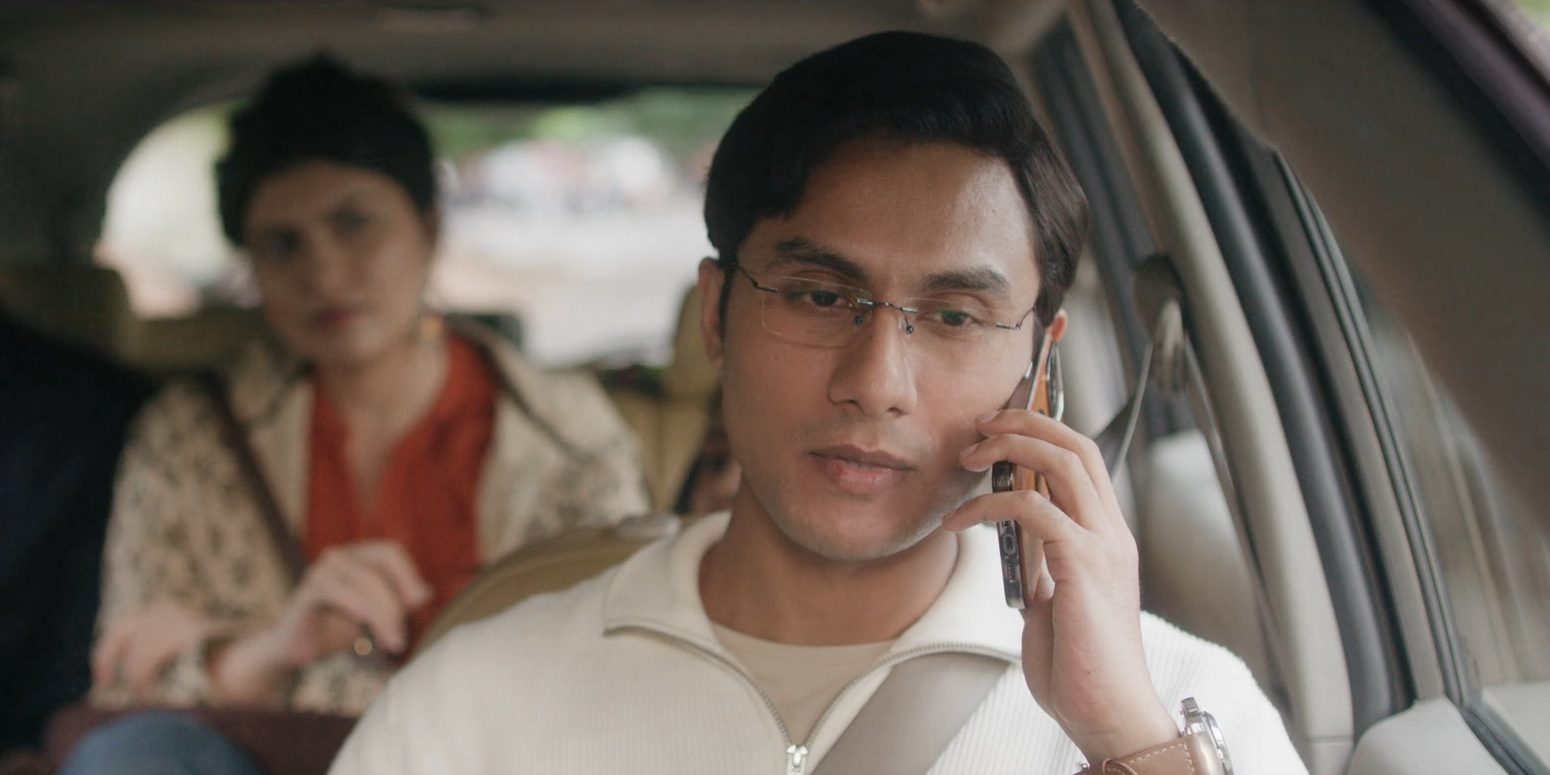
The film also portrays how Diwali brings families together and gives people an opportunity to reconnect and engage in festivities. It celebrates Diwali as an essentially positive force for the pursuit of joy and the discarding of grief. Speaking to Adgully, Radhika Bansal stated she hopes the film will encourage viewers to reconnect with relatives and remind people to value their relationships with loved ones. She added that the film’s central message is about approaching family relationships with greater patience, empathy, and understanding.
In conversation with Dainik Bhaskar, Radhika Bansal said she drew inspiration from the tradition of watching Christmas favorites like ‘Home Alone’ and ‘Love Actually’ with her family every year. Wanting to create a similar experience for Diwali, she envisioned a film that people of all ages could enjoy together. The narrative’s cultural relevance makes it a more authentic representation of Indian social realities and how they affect individuals. Ultimately, the film is a nuanced exploration of family and hope.

