
 Abhiroop Das
Co-developed by Ed Whitmore and Tracey Malone, Fox’s ‘Memory of a Killer’ traces the double life of Angelo Doyle, who juggles the role of a loving parent as well as a master assassin who is feared all over the country. However, his perfectly built existence soon comes crashing down when he is diagnosed with early-onset Alzheimer’s, a disease that seemingly runs in his family. Soon, cracks begin to show up in his psyche, often at the worst times, actively threatening the collision of the two sides of his life that he has kept hidden so far. Things get much more complicated when his erased memories are replaced by a newfound moral compass, which makes his already risky job all the more challenging. With each episode of this psychological thriller series, we jump one layer deeper into Angelo’s mind and the criminal world he calls his second home.
Memory of a Killer Reimagines a Belgian Story With Possible Ties to a Real American Hitman
While ‘Memory of a Killer’ is a fictional story, it comes from a long and complex lineage of creative inspirations across different media. The show itself is partially based on the 2003 Belgian movie ‘De zaak Alzheimer,’ or ‘The Alzheimer Case,’ which itself is the direct adaptation of a Belgian novel of the same name by writer Jef Geeraerts. With each link in this chain of adaptations, some major and minor alterations to the original plot are to be expected, and the same holds true for the Fox series, which is penned by writers Tracey Malone, Ed Whitmore, and Glenise Mullins. The lead character from the original novel, Angelo Ledda, is reimagined as Angelo Doyle in a contemporaneous setting, which gives the show its own distinguishing flair.
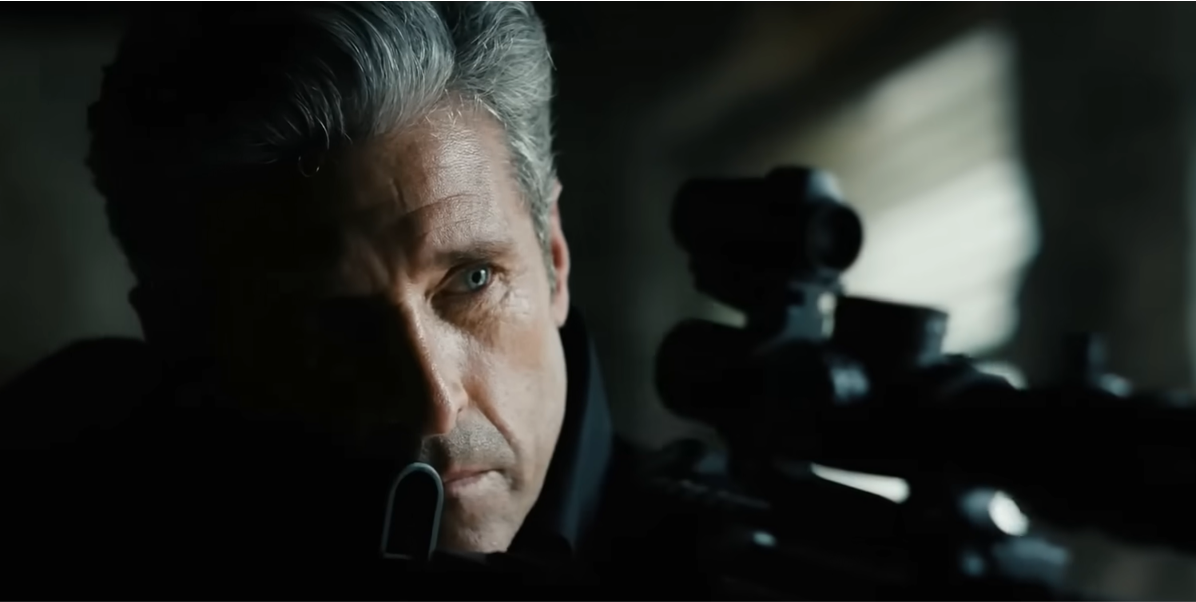
As per reports, Geeraerts, the novelist, was inspired by a rare booklet he came across while in New York in the 1960s. This booklet, titled ‘Killer Joe,’ detailed the inner life of a professional hitman, as expressed in his interviews with two journalists. Given the fact that the hitman chose to remain anonymous, his identity cannot be pinpointed easily, but a detail that stands out is his association with the mafia of the 60s. In that case, the booklet’s title may be a reference to Joe Gallo, also known as Crazy Joe, who was a mobster in the Colombo crime family, one of the “Five Families” of New York City. Notably, Joe started out as a professional hitman, and there is a decent chance that the interview Geeraerts referred to was an account of this real-life killer’s life and crimes.
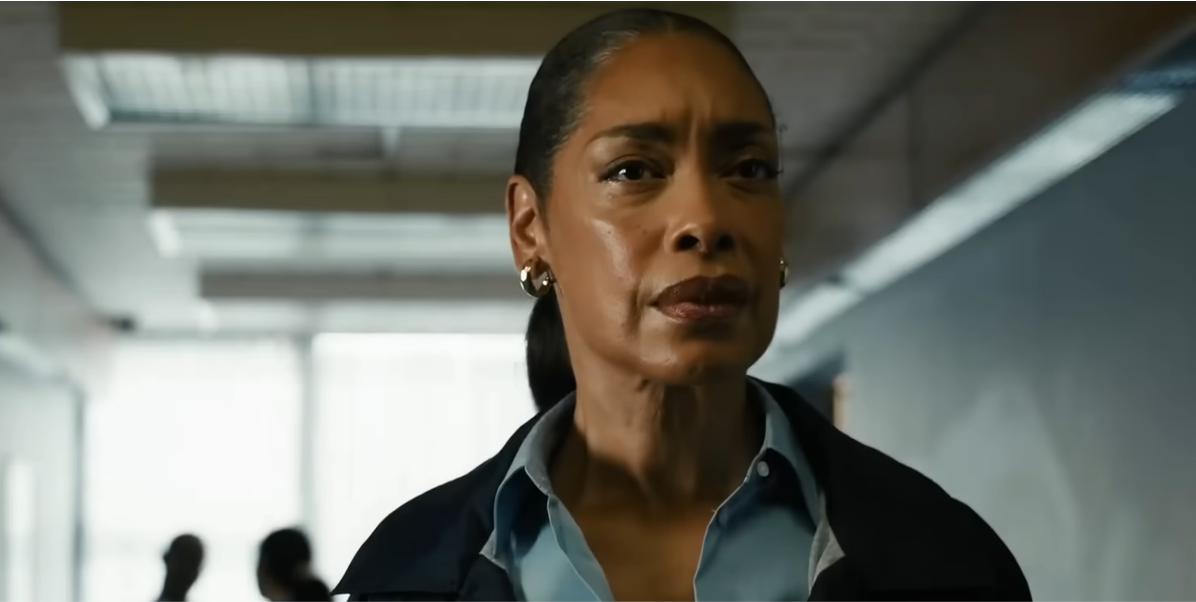
As of writing, the existence of a booklet called ‘Killer Joe’ cannot be confirmed, and while it was an important constituent of Geeraerts’ creative toolkit, he also took inspiration from numerous other sources. To make his work as realistic as possible, the writer also extensively studied the criminal investigation techniques employed by the Belgian police at that time. Going further, he reportedly even had two experts from the Antwerp judicial police read the first manuscripts of ‘The Alzheimer Case’ and, perhaps most importantly, spoke at length with a neurologist about Alzheimer’s disease. As a result, the book is infused with a sense of authenticity as well as sensitivity in its representation of such complex subjects.
Memory of a Killer’s Take on the Original Work is Markedly Unique
The Belgian film adaptation of Geeraerts received great critical acclaim, with the writer himself expressing satisfaction with how the story is translated from the page to the screen. Since then, the film version of ‘The Alzheimer Case’ has already had one adaptation in the homeland, titled ‘Memory.’ The 2022 movie, starring Liam Neeson as the hitman with a troubled memory, does not appear to be directly connected to the TV version of ‘Memory of a Killer.’ While the two naturally share some overlaps in their storytelling approach, it is more likely that they coexist independently of each other as two different adaptations of the same source material.
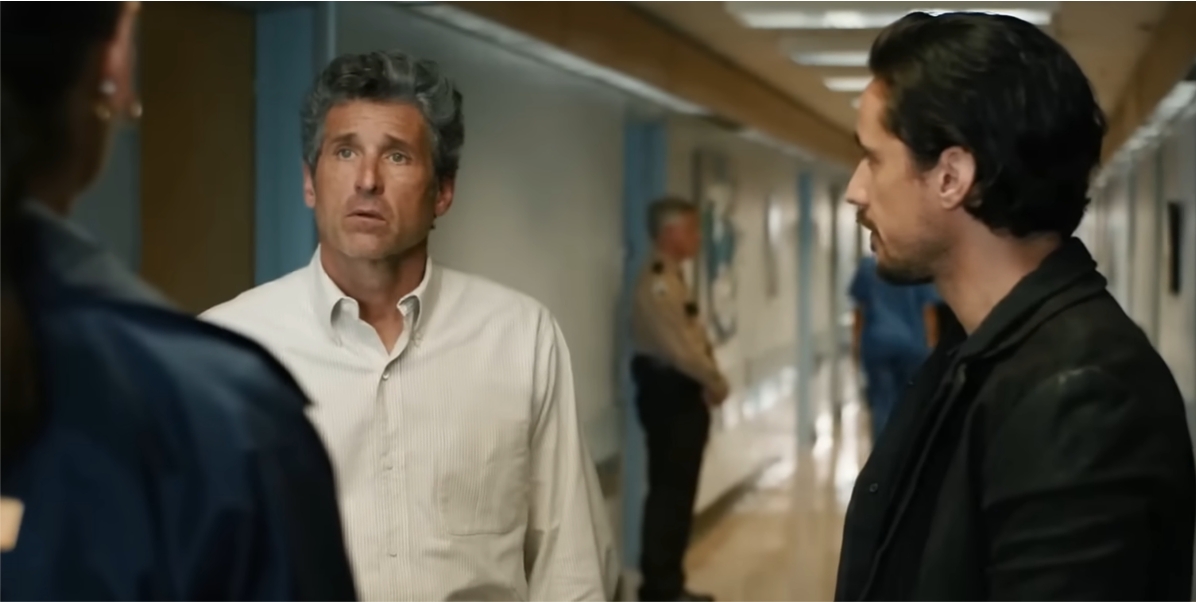
A large reason behind the success of ‘Memory of a Killer’ as a narrative is the stellar cast, with each actor pouring their subjective touch into their respective characters. In this way, the Fox series organically stands out from the other stories cut from the same cloth, while also retaining a cohesive framework. In a behind-the-scenes video, all members of the cast demonstrated a keen understanding of their characters and the larger web of interpersonal dynamics, which most likely had a positive effect on the show as a whole. Furthermore, it is likely that actor Patrick Dempsey, alongside the show’s writing team, actively researched how Alzheimer’s disease interacts with the mind, ensuring that the on-screen portrayal is realistic and avoids representational tropes.
Read More: Is The Rip a True Story? Are Dane Dumars and JD Byrne Based on Real Miami Cops?

