
 Saagar Kote
Lifetime’s ‘If I Can’t Have You’ follows the professional and personal struggles of Michelle Hall, an LA-based late-night radio talk show host. Her career has recently flourished largely due to her deep empathy for her listeners. With the presence of her boyfriend, Aiden and the support of coworkers and friends, Keith and Lily, her future appears promising. However, Michelle’s stability is shattered when an unidentified stalker begins to intimidate her by making threatening phone calls to her radio station and keeping a watch on her movements in and around the house as well.
When law enforcement efforts fail to yield results, Michelle turns to Lily and Keith for assistance in uncovering the culprit’s identity. However, this investigation proves far more dangerous than anticipated, pulling Michelle and her friends into increasingly perilous territory. Michelle and her boyfriend, Aiden, are at the heart of the story and shape its moral conundrums in unexpected ways. SPOILERS AHEAD.
Michelle Hall is a Fictional Character Whose Free Spirit Triggers an Unexpected Ordeal
Michelle Hall is a fictional character who goes through harrowing experiences throughout the movie. One of the main reasons for the DJ’s popularity is her ability to emotionally connect with callers on the radio show and understand their perspectives. She sets the mood for her show by playing the right songs whenever the occasion calls for it. Michelle is a woman who enjoys her freedom while also respecting others’ boundaries. The narrative uses her character arc to shed light on the consequences of asserting one’s autonomy in a world where dangerous individuals harbor twisted desires. Michelle represents the plight of targets of stalking and the impact that the ordeal has on their lives.
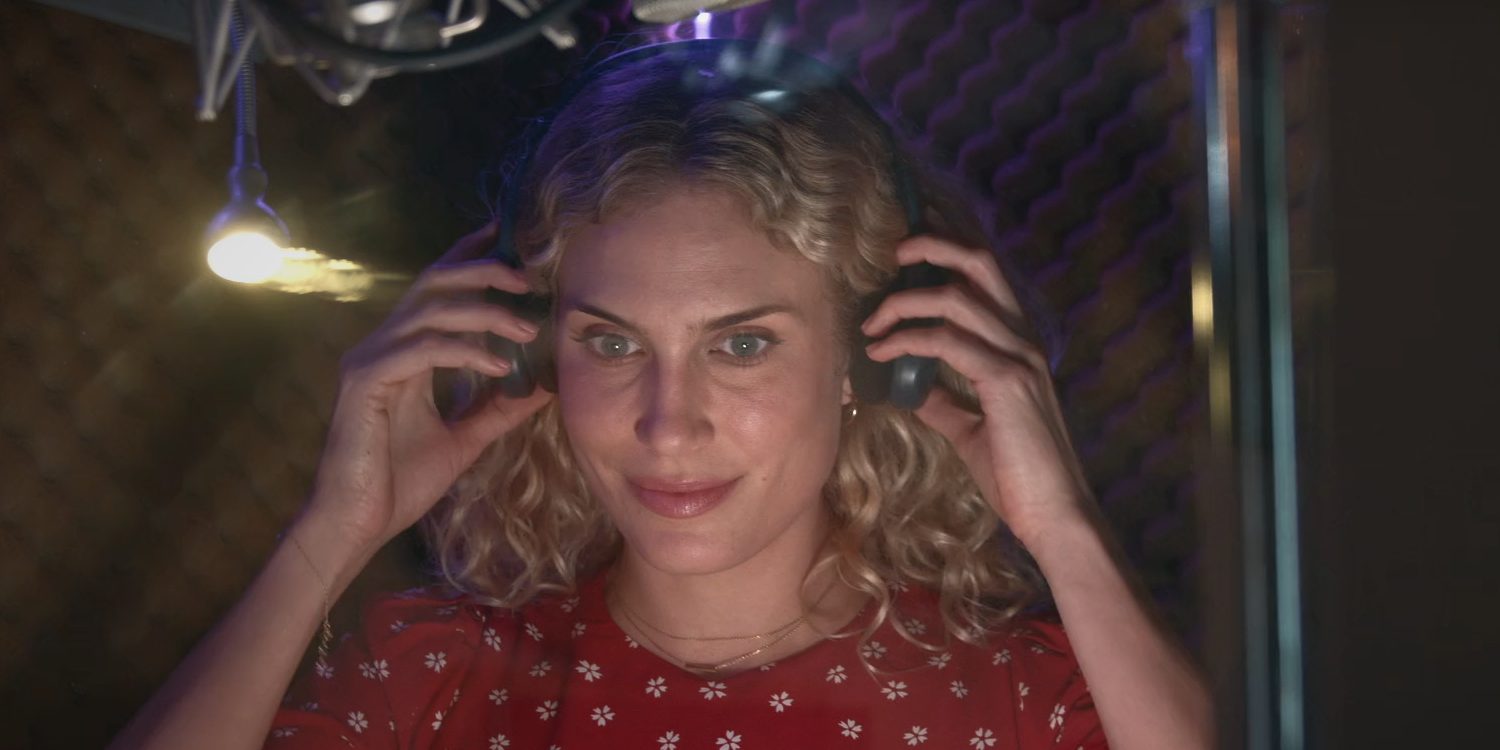
Michelle refuses to be a submissive girlfriend to Aiden or to dedicate her life exclusively to making him happy. It makes Aiden stalk and harm her to gain emotional control. The narrative doesn’t treat Michelle merely as a target, but as a survivor who resiliently fights her own battles and solves issues beyond her control. The grounded nature of her character adds authenticity to the narrative and makes it a realistic commentary on the social evil of stalking. Michelle is not only a confident woman but also someone who has the intelligence to assess situations and act accordingly. There are real-life examples of stalking that highlight the consequences of the act. In the 1950s, Linda Riss ended her relationship with a married attorney, which led to the attorney stalking her for many years.
In the 1980s, Laura Black became the target of a coworker’s obsession after rejecting his romantic advances. During the 2010s, Shana Grice’s attempts to move on from a former relationship led to persistent stalking and digital surveillance. In the same decade, Alice Ruggles became the target of cyberstalking and psychological harassment by an ex-boyfriend. Michelle’s experiences in the film shed light on similar issues faced by targets of stalking. The movie unfolds through Michelle’s perspective rather than the stalker’s, which makes it a more meaningful experience. Despite being an imaginary character, Michelle feels real and goes through experiences that reflect the chaos of the real world in nuanced ways.
Aiden Serves as a Symbol of Toxic Masculinity and Dangerous Obsession
Stalkers engage in the act for multiple reasons. Aiden is a fictional character who emerges as the story’s primary antagonist and commits heinous acts. Motivated by a pathological need for control over his girlfriend’s life, Aiden orchestrates an elaborate stalking scheme to force Michelle into a state of dependency. As an obsessed boyfriend, he perceives her autonomy as a threat, feeling she is beyond his sphere of influence. The narrative treats Aiden as a man with hidden desires and a deep sense of insecurity. Just like in many real-life cases, Aiden’s frustration is intensified by Michelle’s refusal to have sex with him on a regular basis.
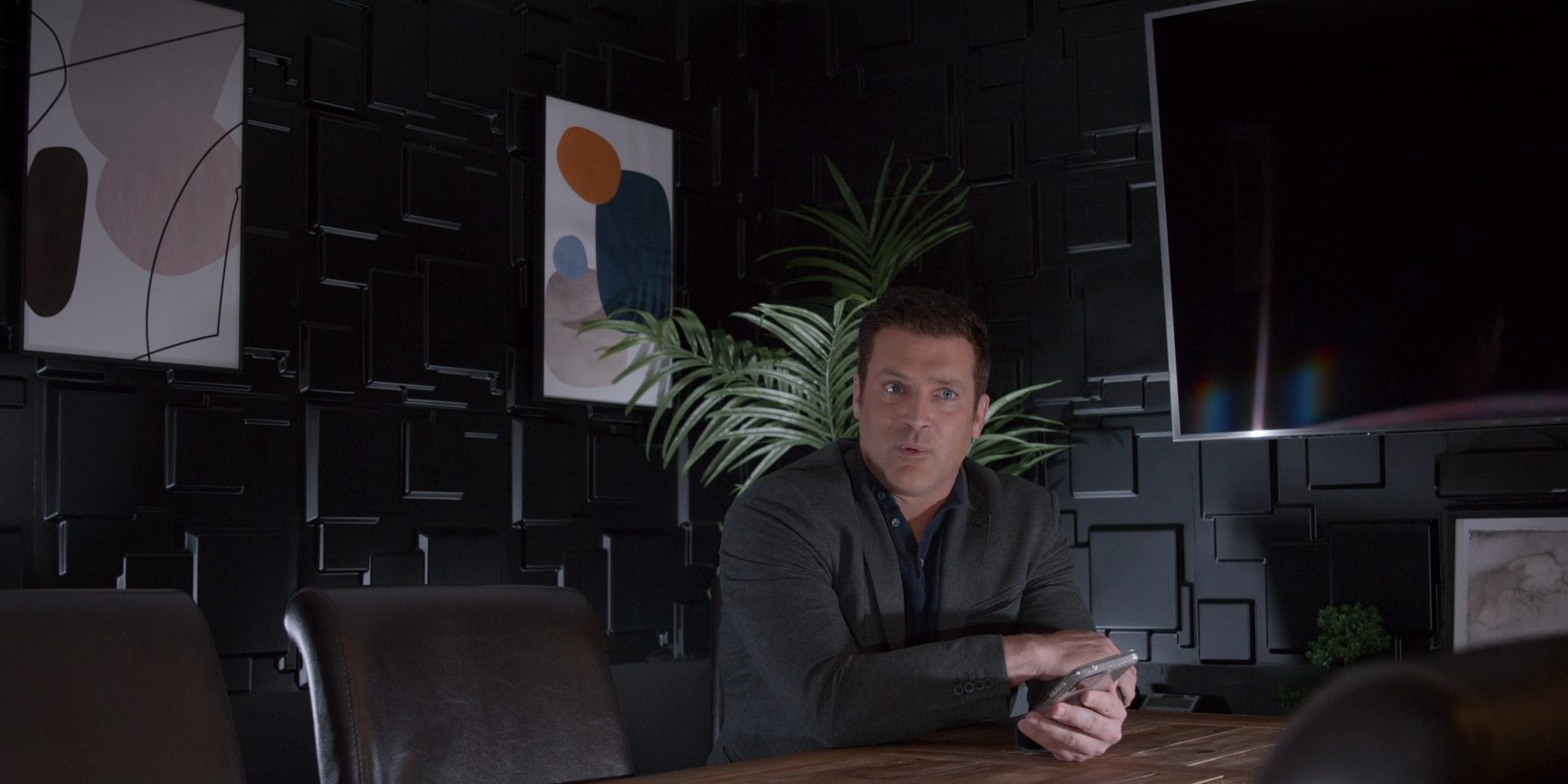
Aiden desperately seeks to be intimate with Michelle, to prove that he is the one holding the cards in the relationship. He allows his toxic insecurities and sexual thoughts to drive him toward extreme measures. Despite seeming like a decent man to the outside world, he harbors deep desires to be the one in charge of everything. A crucial element of Aiden’s character arc is his need to feel like the hero of his story. In a world where the “manosphere” seems to be gaining traction, Aiden comes as a warning sign against the dangers of toxic masculinity.
Though he claims to love Michelle, his only real goal is to prove to himself and those around him that he is a capable man. This also leads him to desperately demand that Michelle marry him, so that he can “protect” her from harm. Through Aiden’s journey, the film explores the psychological elements that lead to stalking and also conveys how stalkers can sometimes be people close to the targets. Ultimately, both Aiden and Michelle are characters that convey deeper messages about realities in today’s world and how they affect many people’s lives.
Read More: If I Can’t Have You Ending Explained

