
 Shivangi Sinha
In December 1979, police discovered the body of Michelle Martinko, a high school student from Cedar Rapids, Iowa, inside her family’s car, which was parked in a local shopping mall lot. She had gone to the mall earlier that evening to shop for clothes. No suspect was immediately identified, and the investigation stalled, leading to years of speculation and unanswered questions as the case went cold. In 2018, investigators utilized advanced DNA testing on preserved evidence from the crime scene, which yielded a usable DNA profile, enabling authorities to identify a suspect. The case and the decades-long investigative effort are examined in NBC’s ‘Dateline: And Then There Were Three,’ which documents how the crime was ultimately solved.
Michelle Martinko Was Killed After She Went Shopping at a Mall
On October 6, 1961, Albert and Janet Martinko welcomed their younger daughter, Michelle Marie Martinko. The family lived in Cedar Rapids, Iowa, where Michelle grew up alongside her older sister, Janelle. From an early age, Michelle was known as a polite and reserved child. At Cedar Rapids Kennedy High School, she was regarded as a responsible and diligent student by both teachers and classmates. While she was generally shy, that began to change during her sophomore year. During that time, Michelle became more confident, joined the school’s twirling squad, and started participating in performances, making a noticeable shift as she began to come into her own. During her senior year, Michelle decided to attend Iowa State University, with plans to study interior design, a goal she was never able to pursue.

On the evening of December 19, 1979, she attended a banquet for the Kennedy High School Concert Choir at the Sheraton Inn. Afterward, Michelle wanted to buy a winter coat and planned to stop at Westdale Mall, where she had recently begun working. She asked a few friends to accompany her, but when no one was available, she decided to go alone. She was seen inside the mall until about 9 pm and was reported to have briefly spoken with a friend. Michelle never returned home. Her parents contacted police, and at approximately 4 am, her remains were discovered inside the family’s tan-and-green 1972 Buick Electra, parked in the mall lot near JCPenney. She sustained 29 stab wounds to her face, neck, and chest, along with defensive injuries to her hands. She died from those injuries, and it prompted an immediate investigation.
Michelle Martinko’s Case Went Cold After Several People Were Interviewed
After a brief examination of the crime scene, investigators reached several conclusions. There was no blood found outside the vehicle, leading police to determine that Michelle Martinko was attacked inside the car. No fingerprints were recovered from the door handles or the interior, suggesting the assailant was likely wearing gloves and had planned the act. There were no indications of sexual assault or theft, but the nature and placement of the wounds led investigators to believe the attack was personal. Police identified several individuals they wanted to question, including a friend who had seen Michelle at the mall and her former boyfriend, with whom she had recently ended a relationship.

According to reports, investigators interviewed nearly 200 people, but no solid leads developed, and no arrests were made. The case eventually went cold, even after a $10,000 reward was offered for information, as few tips were received. Crucially, evidence from the crime scene had been carefully preserved, which later proved important. In 2006, analysis of blood evidence allowed police to develop a partial DNA profile. However, it did not match any entries in CODIS, the national Combined DNA Index System used by US law enforcement to compare DNA profiles from convicted offenders and unsolved crimes. Additional interviews were conducted, and several individuals provided DNA samples for comparison; however, no match was found.


Michelle Martinko’s Killer Was Identified Through DNA Genealogy
In 2017, investigators worked with a private company specializing in DNA phenotyping, which produced composite images estimating the suspect’s physical appearance based on genetic data. The turning point in the investigation came when cold case detectives decided to retest key physical evidence, including the dress Michelle had been wearing. This testing produced a full DNA profile. Investigators then collaborated with a DNA phenotyping firm that utilized genetic genealogy to narrow down the potential suspects. That process led them to three brothers who had grown up in Iowa.
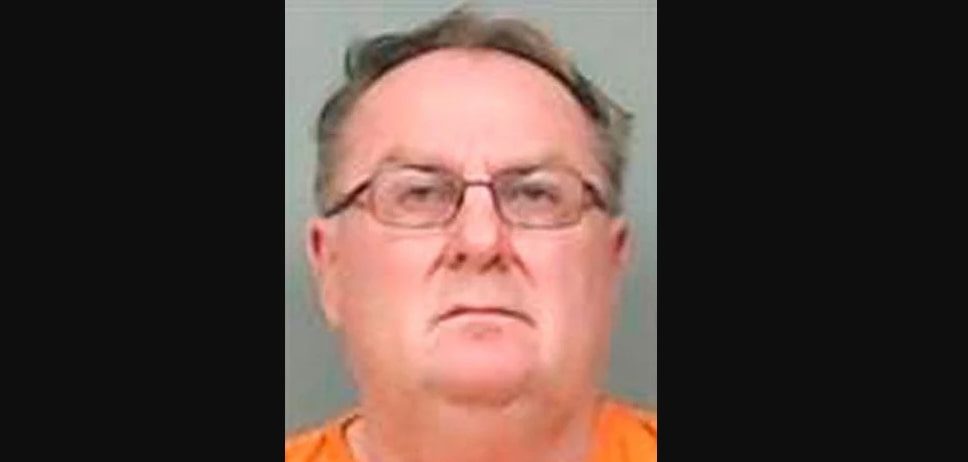
Police discreetly collected DNA from each and ruled them out one by one. One brother, Jerry Burns, became a primary suspect after his DNA was recovered from a plastic straw he discarded in the trash after drinking a soda. The profile was a complete match to the crime scene evidence. Burns had grown up in Manchester, Iowa, and was living there at the time of his arrest on December 19, 2018. After his arrest, he provided a direct DNA sample, which again matched the evidence. According to investigators, Burns did not offer an explanation for why his DNA matched the evidence. In 2020, Burns was convicted of first-degree murder and sentenced to life in prison.

