
 Saagar Kote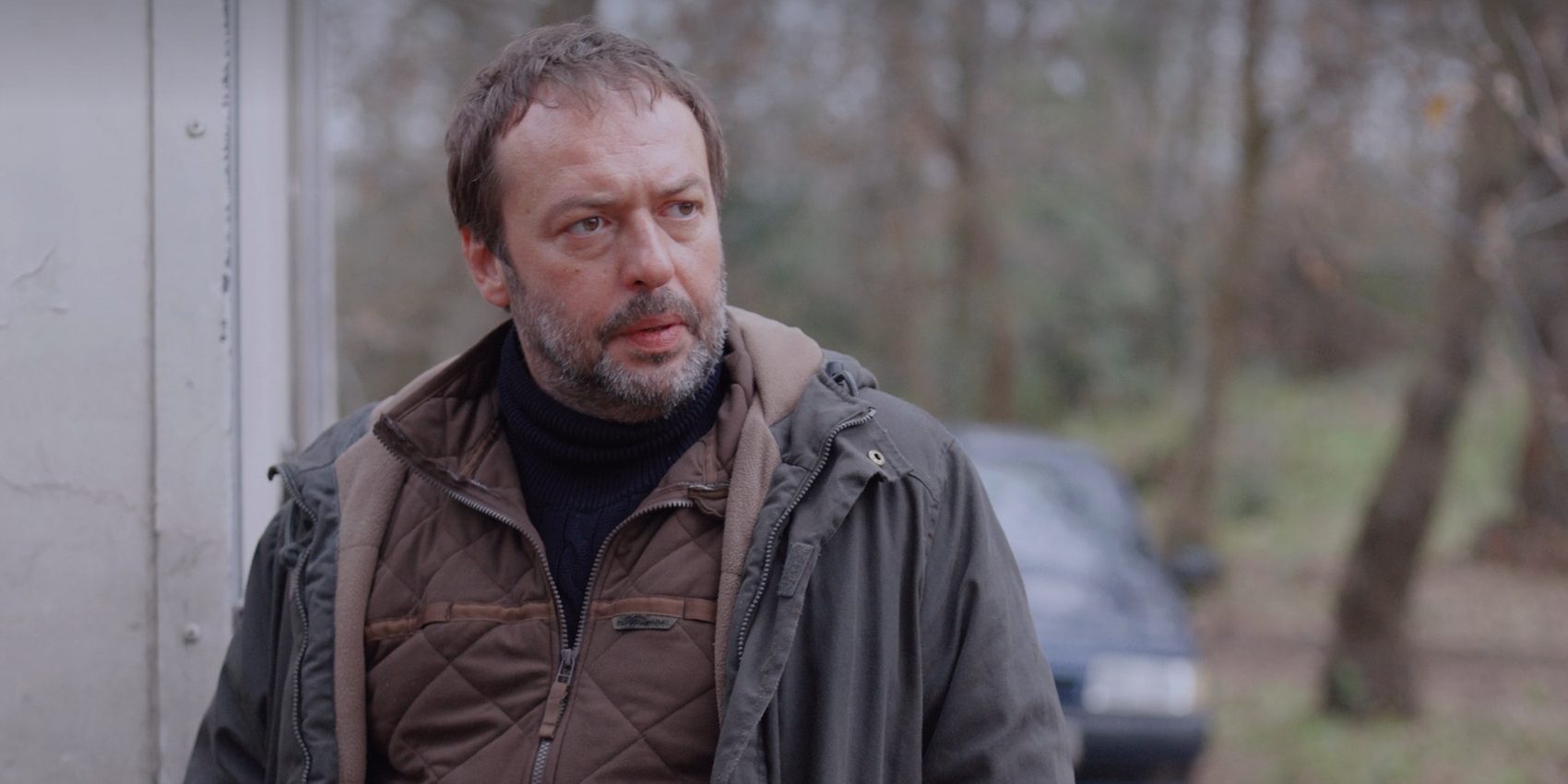
‘The Town’ or ‘Kasaba’ centers on three men, including brothers Efe and Selim, and their friend Ahmet, whose lives, along with Selim’s wife Begum, are plagued by financial struggles. Their mundane existence takes an unexpected turn when they discover bags of cash at the scene of a car crash. They decide to keep the money, viewing it as their way out of debt. However, this newly found moment of freedom quickly spirals into chaos. They become the targets of a mysterious assassin and a powerful local crime family seeking the stolen cash. Having no connections or criminal history, the group is forced into a terrifying new reality.
Chased by killers, gangsters, and the police, Efe and his companions must fight for survival in a treacherous world where there seem to be no real friends or enemies. Directed by Seren Yüce, Netflix’s Turkish crime drama series poignantly examines crime, family, and survival in the modern world. SPOILERS AHEAD.
The Town Examines the Convergence of Financial Desperation and Chance
Written by Dogu Yasar Akal and Deniz Karaoglu, ‘The Town’ is a fictional story with imaginary characters that has a realistic essence of crime. One of the major themes the narrative explores is how financial desperation can sometimes lead individuals towards chaos and crime. Efe, Ahmet, Selim, and Begum share good relations with each other, but are all challenged by financial limitations. They are looking to survive the stresses of the middle-class and the pessimism of the economy. When they happen to find huge bags of cash by chance, their morality and desperation are put to the test. Though the plot is fictional, the show presents the characters with an extremely difficult choice. Whether or not financial issues justify crime is a philosophical question that the show not only asks the characters, but also the viewers.
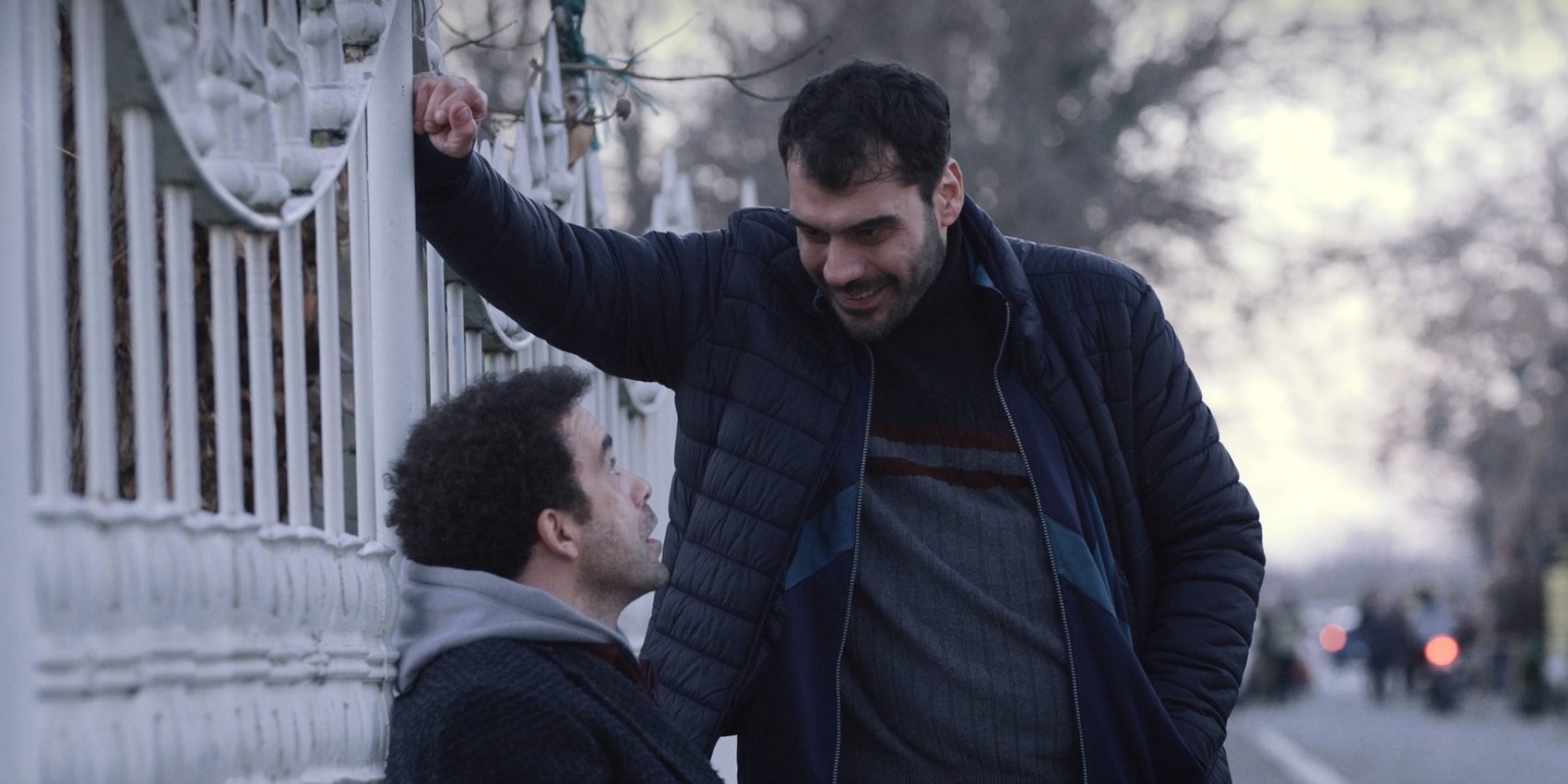
When Efe and the others decide to keep the cash, they make a survival-based decision. When one’s very life or future is at stake, taking a moral decision becomes more complex. The narrative stays grounded in its portrayal of choice, chance, and the layers of social morality. It deliberately doesn’t provide the viewers with a concrete answer, so as to leave room for interpretation and debate. Each main character has different views on the act of stealing. This diversity in viewpoints allows the story to explore crime from various angles. While it predominantly sheds light on survivalist perspectives, it also looks at legal angles and the consequences of stealing. The characters don’t appear to be caricaturish representatives of the struggles of the middle class, but provide deeper insights into the intrigues of class differences.
The show portrays crime as a consequence of underlying social factors, and not as an entity that exists randomly. The element of chance plays a vital role in the story. The depiction of how people react to sudden opportunities, what drives their decisions, and what justifies them is at the heart of the show. All in all, ‘The Town’ is a fictional story of a group of people who are faced with a very human, but impossible choice, which has the power to both destroy and build their lives.
The Town Comments on Familial Values, Crime, and Justice
Essentially, ‘The Town’ is an imaginary story that realistically depicts the complexities of familial relationships. The actions of Efe, Ahmet, Begum, and the others ultimately are about family. Individuality is not a major part of the story, as it primarily focuses on groups, their dynamics, and their collective consciousness. Crime is not glorified, justified, condemned, or judged in the show. It simply seeks to delve deeper into the human minds and souls behind the crime. The series stays grounded because it focuses more on the individuals and not on the technicalities of a crime. The story has twists and turns that appear cinematic, but the way in which the characters explore them keeps the human element of the narrative intact. The idea of social justice, though not depicted in a pronounced manner, is also a core part of the show.
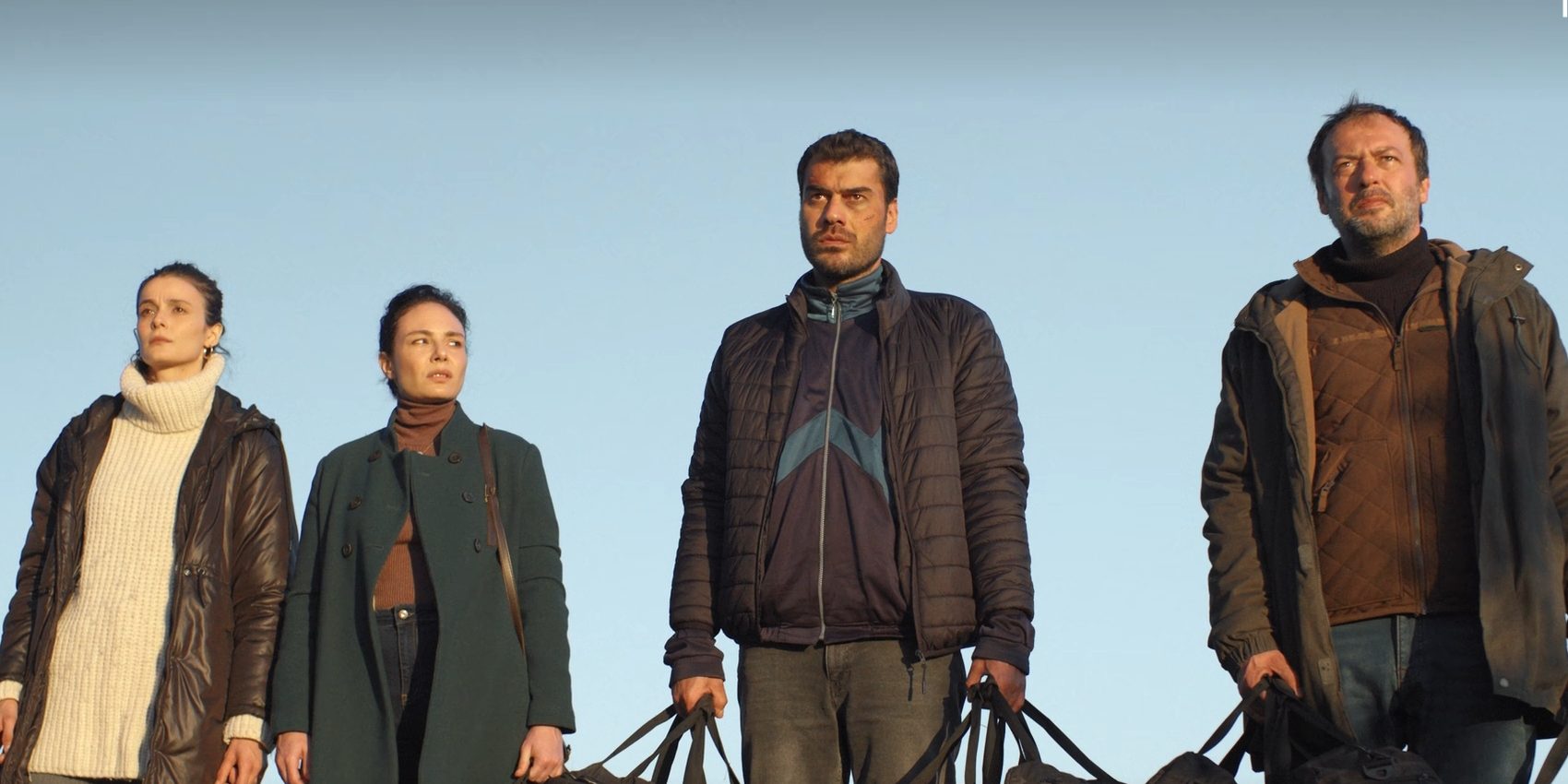
The series subtly examines justice, without grandiosity or adrenaline. The characters are allowed to breathe, develop, and traverse the consequences of their actions like real people, without forced exaggeration. Justice is not simplified for the sake of viewing comfort, but seen through multiple viewpoints. Familial values dictate the actions of the main characters, who have to balance their egos and familial expectations. The story doesn’t provide easy answers and has no obvious heroes or villains, making it more socially relevant. In conclusion, ‘The Town,’ although a fictional tale, is a combination of a gritty storytelling structure, grounded characters, social debates, and cinematic visual elements.
Read More: Is Netflix’s Rulers of Fortune Based on a True Story?

