
 Saagar Kote
Helmed by celebrated South Korean auteur Park Chan-wook, ‘No Other Choice’ (also known as ‘Eojjeolsuga eobsda’) revolves around the life of Man-su, a man who has served the same paper company loyally for nearly 25 years. He has a family, which includes his wife, Miri, and his two children, Si-one and Ri-one. What seems like a life of comfort and success for Man-su comes crashing down when he is unexpectedly removed from his job. This forces him and his family members to cut down on expenses and live a less-than-ideal life. With familial and socioeconomic pressure mounting, Man-su devises a unique plan to turn his life around and return to living comfortably.
When he comes across a job in the paper industry that would fit his skills really well, Man-su decides to eliminate the others who will be his potential competition for it. This leads him down a rabbit hole of increasing danger as he begins to use weapons and other hazardous objects to survive in an unforgiving and harsh world. Directed by Park Chan-wook, the Korean comedy thriller film is a navigation of survival, family, and capitalism in the modern world. SPOILERS AHEAD.
No Other Choice Reflects the Essence of Donald Westlake’s Novel
‘No Other Choice’ is a fictional and nuanced take on human fragility. Driven by a story penned by master director Park Chan-wook, along with Lee Kyoung-mi, Jahye Lee, and Don McKellar, it is based on Donald Westlake’s novel ‘The Ax,’ a tale of complex intricacies. It is the second film adaptation of the novel, with the first being the 2005 French-language movie ‘The Axe’ directed by Costa-Gavras, to whom ‘No Other Choice’ is dedicated in the closing credits. In the fictional 1997 book, the main character is a man named Burke Devore, who is married and has two grown children. Having been unemployed for nearly two years after being fired from his job as a paper mill manager, he now faces difficulties. This is caused by a downsizing effort resulting from the company’s merger. His prolonged unemployment becomes dangerous when his marital and family life are affected by it. This prompts him to take the route of violence, wherein he plans to kill all his competitors to get a new job.
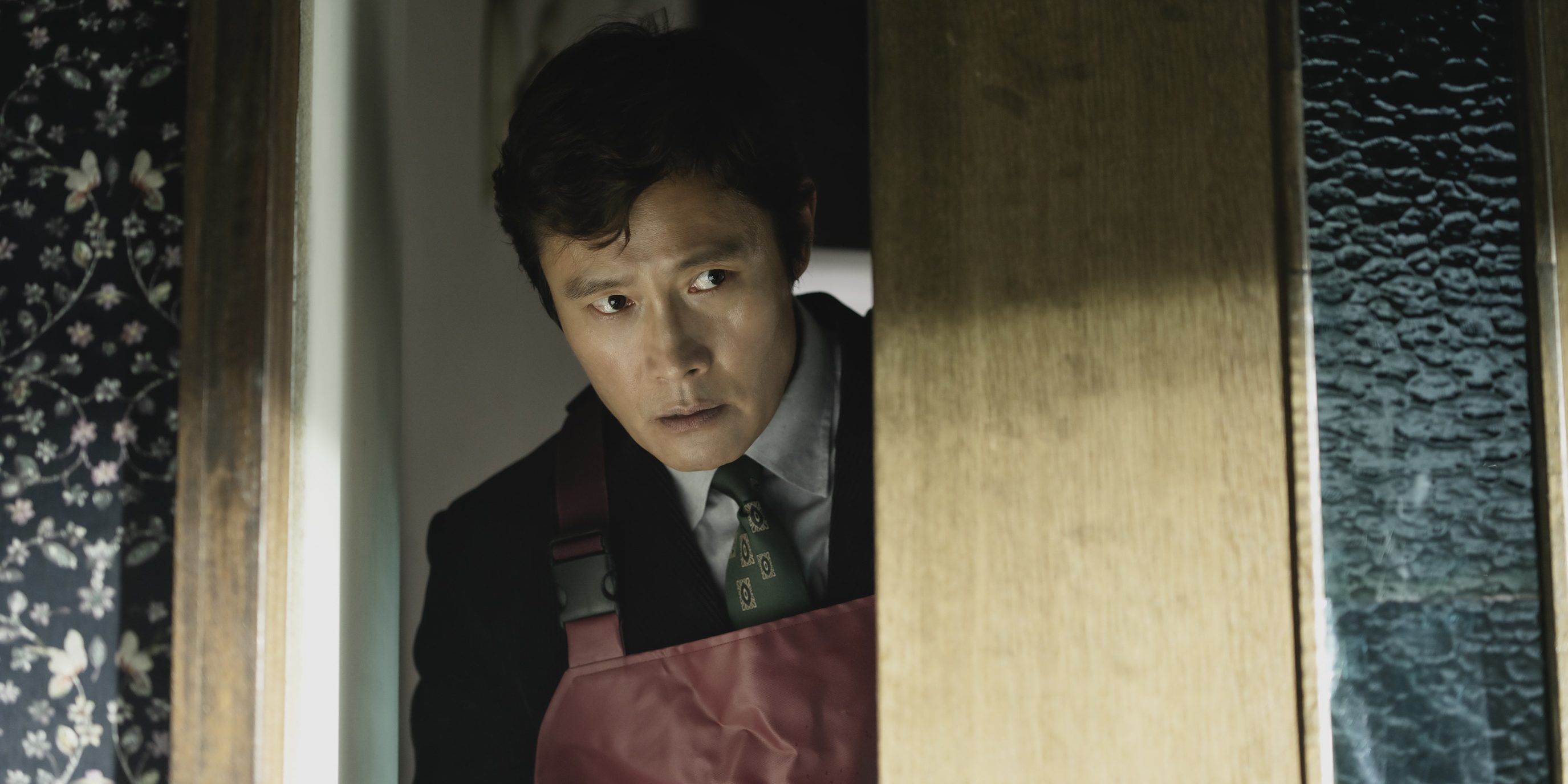
‘No Other Choice’ captures the essence of Burke’s story through the ups and downs in the life of Man-su, who is also fired from the paper industry. In the novel and the film, the main character resorts to violence due to the financial desperation they find themselves in. This is one of the most significant themes of the film, which contributes to the grounded nature of its storytelling. In an interview with IndieWire, Park Chan-wook stated, “Man-su, and even the character in the novel as well, the justification they use to do what they do is that they’re protecting their family, and I wanted to dig deeper into who this family consists of.”
The filmmaker continued, “I wanted to focus on the people that they want to protect, which would be his wife and children.” Talking to The Hollywood Reporter, the filmmaker said, “When I read the book about two decades ago, I immediately knew I wanted to adapt it into a film. It’s a story that deals with the urgent inner world of an individual as well as the big societal issues that surround him.” The issues that the film addresses stem from the director’s understanding of the novel, as well as his own perspective on societal issues such as unemployment and relevance in a challenging world. Ultimately, the movie is a realistic and grounded imaginary tale that explores various facets of human nature in an unforgiving world.
No Other Choice is an Examination of the Consequences of Capitalism
‘No Other Choice,’ although a fictional story, sheds light on the challenges that capitalism poses to ordinary individuals in society. At its core, it is a nuanced exploration of how capitalism compels individuals into a system of rewards and punishments, which drives them to pursue success at any cost. The narrative symbolically connects capitalism to murder through the actions of Man-su. The conditions that lead him to carry out killings are at the core of the story. It also discusses how human nature shifts towards a more aggressive state due to financial desperation. The movie portrays the world as a place of injustice, where survival comes at a high cost.
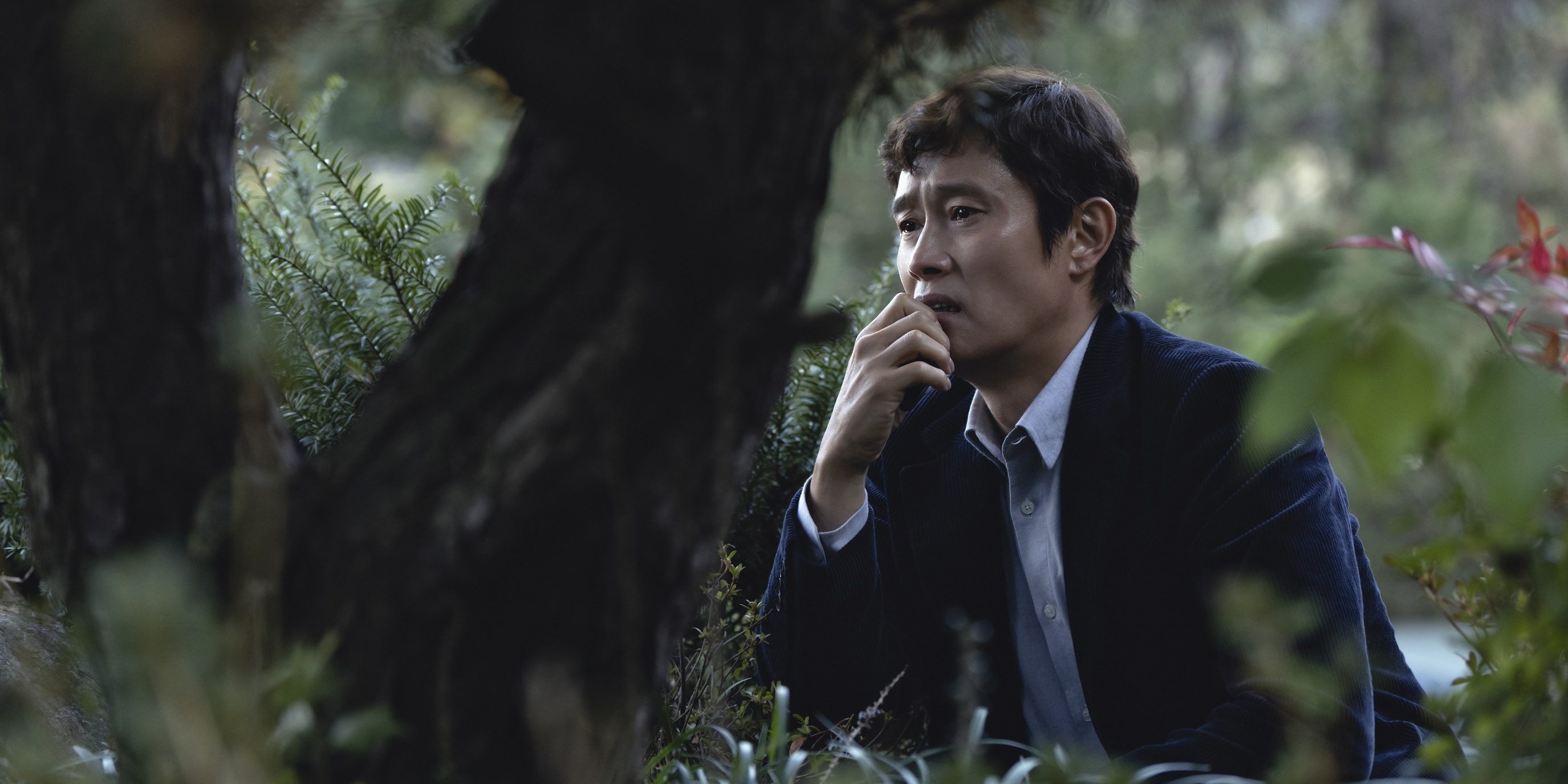
Although it doesn’t explicitly target a single individual or corporation, it examines the perspectives of a loyal employee who is unexpectedly fired. The story humanizes Man-su’s character and doesn’t depict him as a soulless killer. Park Chan-wook made a connection between himself and Man-su’s character. He stated, “And I wouldn’t know how to do anything else in life if it’s not for filmmaking. So when Man-su lost his job, if you apply it in my terms, it would be when I can no longer find investment (in my movies), I would have nothing left.” In his own way, the filmmaker sees a side of himself reflected in Man-su. All in all, the film is a nuanced exploration of human desperation and the layers of capitalism.
No Other Choice Comments on Artificial Intelligence and the Paper Industry
‘No Other Choice’ sheds light on the dangers that Artificial Intelligence (AI) poses to individuals, particularly through its impact on the paper industry. AI has radically transformed the way several industries operate, a trend that, according to the film, also applies to the paper industry. Park Chan-wook expressed that he is fearful of AI, which is already stealing jobs from people, even in the field of cinema. Speaking to Slant Magazine, the director noted that paper is quite important in people’s daily lives. However, people often overlook its value in the digital age, as everything is delivered through Amazon. He stated, “So paper is something that’s very close to us, but we actually never thought about the people who make these papers, and that fact was something that made this industry so interesting to me.”
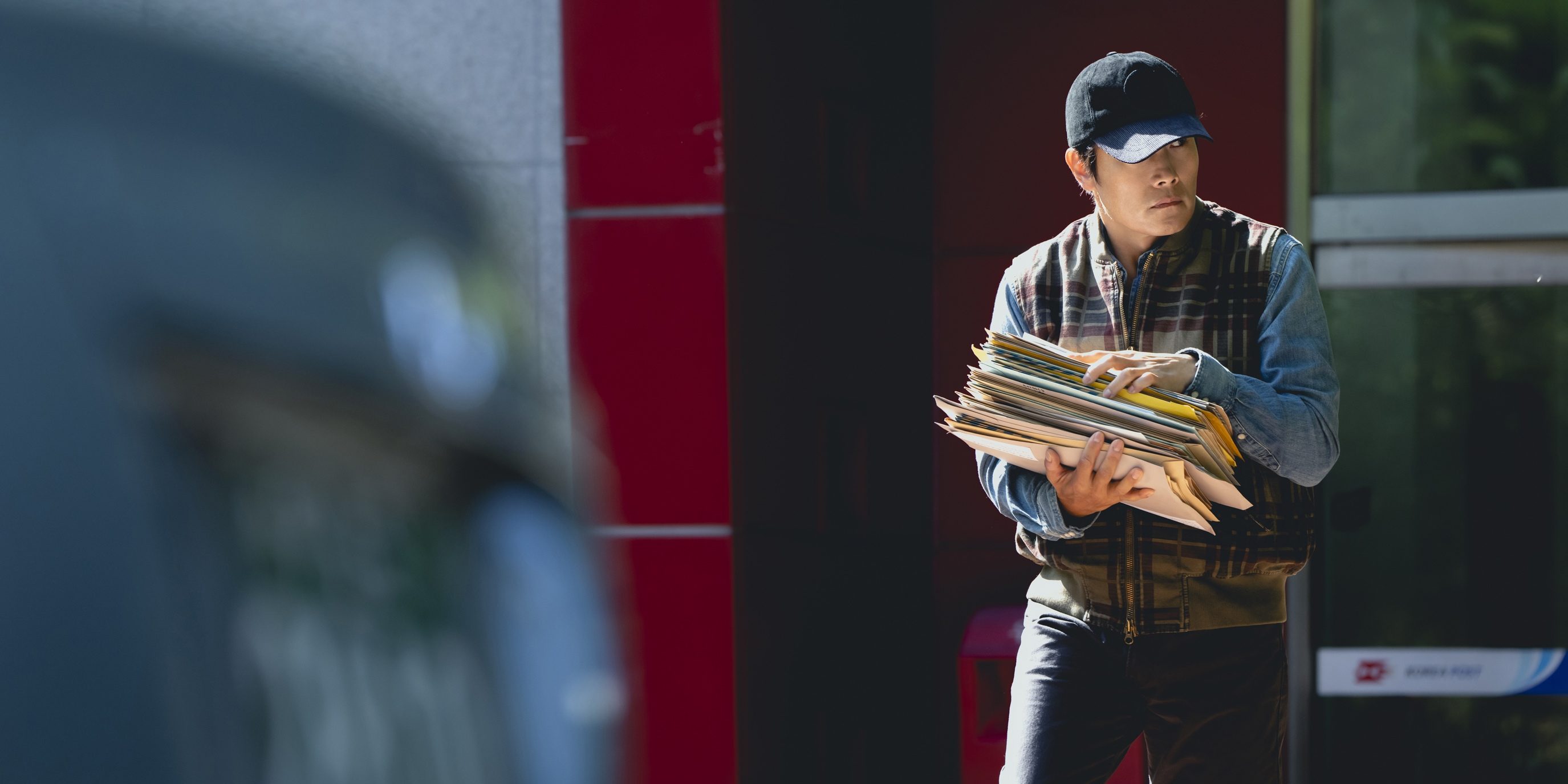
Actor Lee Byung-hun, who plays Man-su in the film, added that AI is affecting different industries on varying scales. He also drew parallels between the paper industry and the film industry in terms of regulations on AI. He divulged, “So even though we work in the film industry, I think it has a lot of parallels to the paper industry because there are no set regulations that are in place yet, and we are feeling threatened by the development of A.I.” In conclusion, ‘No Other Choice’ examines the convergence of economic desperation, the role of traditional industries like the paper industry, the unregulated growth of Artificial Intelligence, and the human cost of these elements at a broader level.
Read More: Is Stephen a True Story?

