
 Aahana Swrup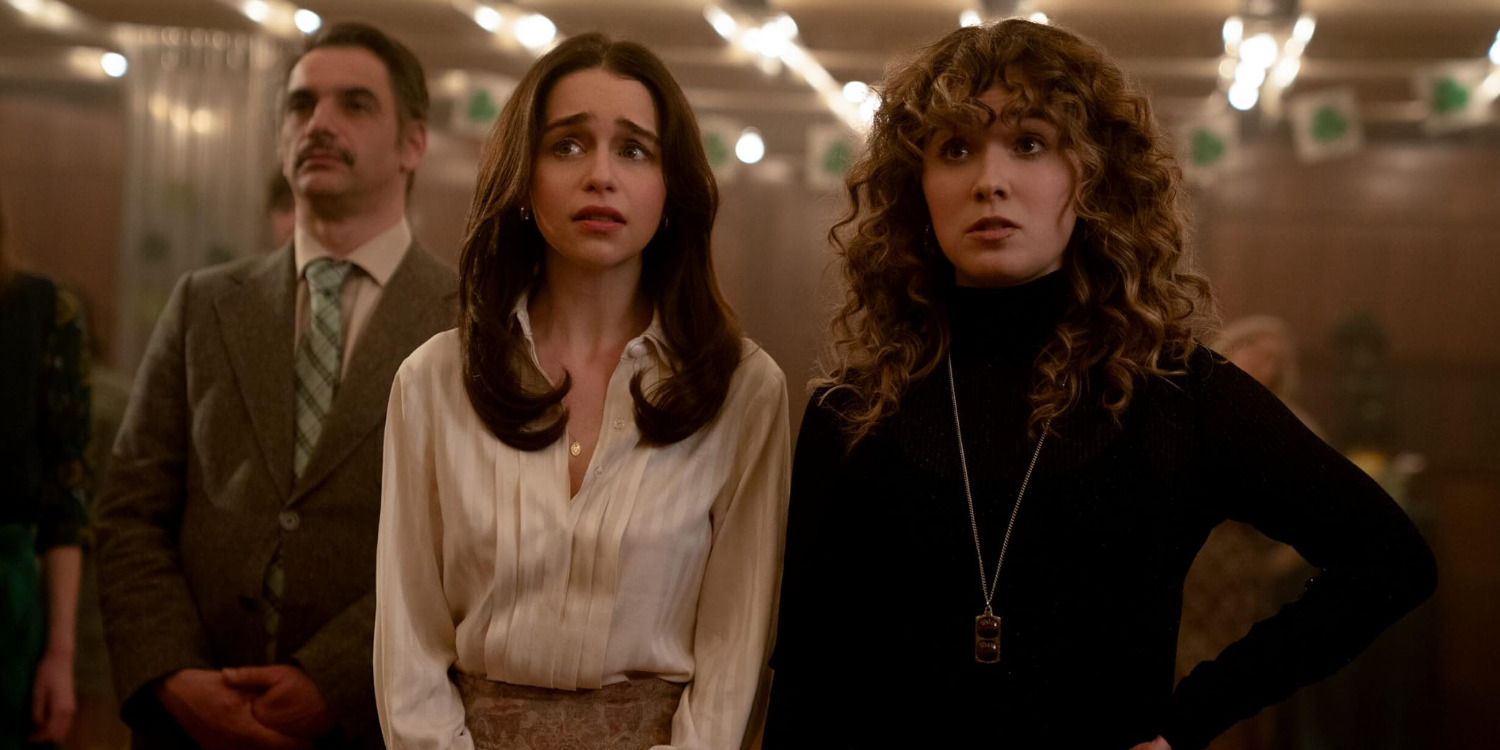
The Peacock spy thriller series ‘Ponies’ transports the viewers to the intense landscape of Moscow in the 1970s, as the CIA and KGB remain embroiled in the fervor of the Cold War. The story centers around Bea Grant and Twila Hasbeck, wives of a pair of CIA Agents who lose their lives on a covert mission. As a result, in an effort to uncover the truth about their husbands’ demise, the two women offer their own services to Moscow’s top-secret CIA executives. As individuals who would be considered “People of No Interest,” largely due to their genders, Bea and Twila turn out to be exactly what Agent Dane Walter is looking for in his intel extraction mission. Nonetheless, with KGB agent Andrei Vasiliev in the mix, and a plot targeting local female sex workers afoot, the two women quickly realize there’s more to their mission than meets the eye. Created by Susanna Fogel and David Iserson, the show charts an invigorating story about spywork, conspiracies, and camaraderie, set to an authentic backdrop of the 1970s.
Ponies is a Fictional Story That is Framed Around Historical Events
‘Ponies’ finds some connections to reality through its period setting in the 1970s. However, the story in itself is a work of fiction with a premise that draws no direct inspiration from real-life individuals or instances. As a result, the storyline about two women, widows of CIA Agents who died in action, becoming covert agents themselves to unravel a conspiracy, remains disconnected from any real-life inspirations. Co-creators Susanna Fogel and David Iserson have had the idea of creating a spy show of this variety from the beginning of their creative partnership. They were inspired by the overall genre of spy thrillers as well as the general visual and storytelling aesthetic of the Cold War. Iserson discussed the origin story of the project with Town and Country Magazine.
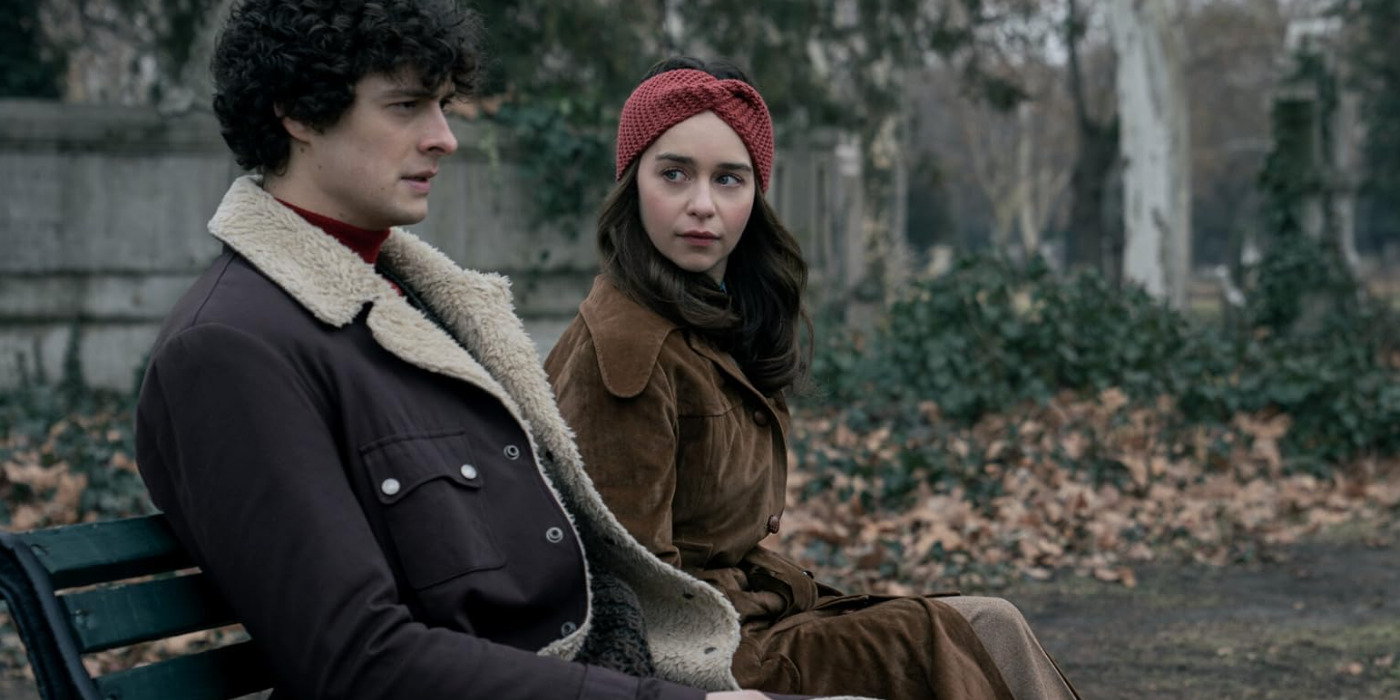
Iserson shared, “One little piece that kept coming up was that running a spy operation in Moscow was next to impossible. If you were an American and you left the embassy, you were followed. They couldn’t do anything, so they were very willing to get unconventional. Susanna pitched the idea of a story about two very different women who become part of the CIA, and from there, the idea developed and the characters blossomed. We were off to the races.” Therefore, the reality of American espionage in the USSR during the 1970s certainly shaped the backdrop of Bea and Twila’s narrative. Furthermore, the show intentionally utilizes and references historical events in crafting the on-screen narrative.
For instance, the US Embassy Moscow Fire of 1977, both the facts of the events and the rumored history around it, play a notable part in the central storyline. Likewise, the political and social environment of the era also remains prevalent throughout the series. One of the central storylines in the show revolves around a KGB agent’s extensive collection of blackmail tapes, in which compromising recordings are leveraged against influential personnel for personal and political gain. While the details of this plot are fictionalized, the idea of such a strategy remains rooted in the history of CIA and KGB espionage. Speaking about the same, Iserson said, “That was something that felt very exciting, merging of our story, which isn’t but could be true, with what we know was true in this time.”
Bea Grant and Twila Hasbeck Are Fictional Characters With Some Ties to the History of Female CIA Spies
The premise of ‘Ponies’ revolves around the idea that, despite their marital connection to CIA Agents, Bea Grant and Twila Hasbeck were “Persons of No Interest” when it came to CIA/KGB espionage. In real life, Person on No Interest, is believed to be an actual acronym for individuals whom authorities consider to be everyday people, thus relieving them of pointed suspicions. Even so, there are no records of female CIA Agents who were recruited into the Agency in the 1970s for this specific person. Yet, women have always had an impact on the history of spywork and the CIA in particular. Historically, “spy wives” have been a notable aspect of espionage. In fact, the Central Intelligence Bureau had a specific name for such a strategy: the housewife cover.
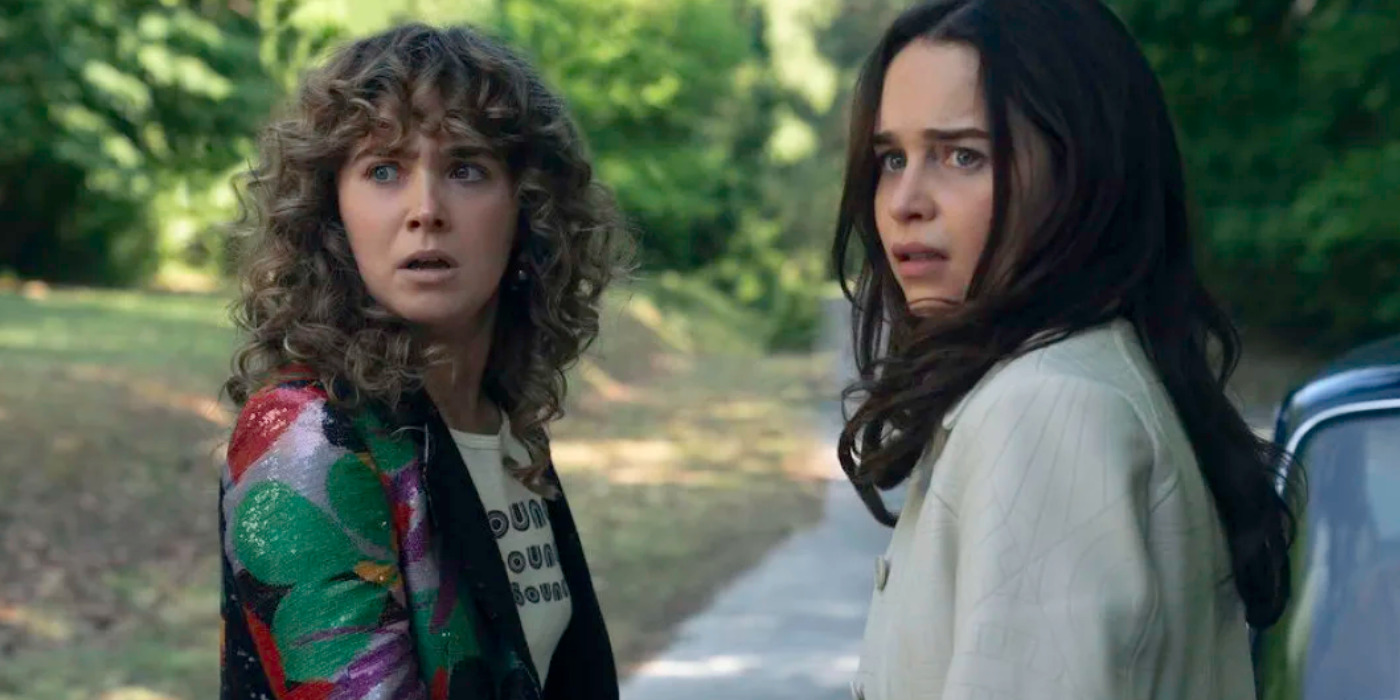
During the Cold War, spousal labor was reportedly a common expectation and practice in the CIA, wherein wives of spy agents were often utilized as an extension of their husbands. Particularly, in undercover work, an Agent’s wife played a crucial role in social and diplomatic parts of the job. From interacting with “assets,” or informants, to maintaining their families’ agency provided cover, housewives greatly aided in the work of their spy husbands. In a piece for Time Magazine, award-winning journalist Liza Mundy discussed the same, emphasizing how the inconspicuous nature of housewives, who were culturally undermined, provided important cover for Agents during dead drop missions.
In his 1978 memoir, ‘Honorable Men: My Life In the CIA,’ William Colby talked about the pertinent role his first wife, Barbara Colby, played in his postings in Sweden and Vietnam. Reportedly, she strengthened his otherwise “weak cover” and helped him make connections by socializing with other diplomats’ wives. Yet, since this contribution was considered to be a part of spousal labor, wives of CIA Agents, or spy wives, were never fairly compensated or credited for their work. Furthermore, the female Agents or workers of other titles who did manage to start a career in the CIA faced routine and systemic discrimination. Thus, Bea and Twila’s storyline takes aspects of historical reality and turns them into entertaining, aspirational, and empowering narratives. Ultimately, while the world around these characters is informed by reality, neither Bea nor Twila holds any direct counterparts in real life.
Ponies Strives For Historical Accuracy Through Attention to Detail
One of the defining aspects of ‘Ponies’ stems from its 1970s period setting, which has a major impact on the show’s storytelling and visual components. While on-the-ground research wasn’t possible, co-creators Susanna Fogel and David Iserson threw themselves into farming inspiration for the show through examining the USSR culture in the 1970s. Books, movies, and interviews from people with real-life experiences in the location and time period played hugely significant roles in this aspect. Reportedly, the 1976 book ‘The Russians’ by Hedrick Smith, a Pulitzer Prize-winning reporter, was employed as a notable resource for the story’s historical research.
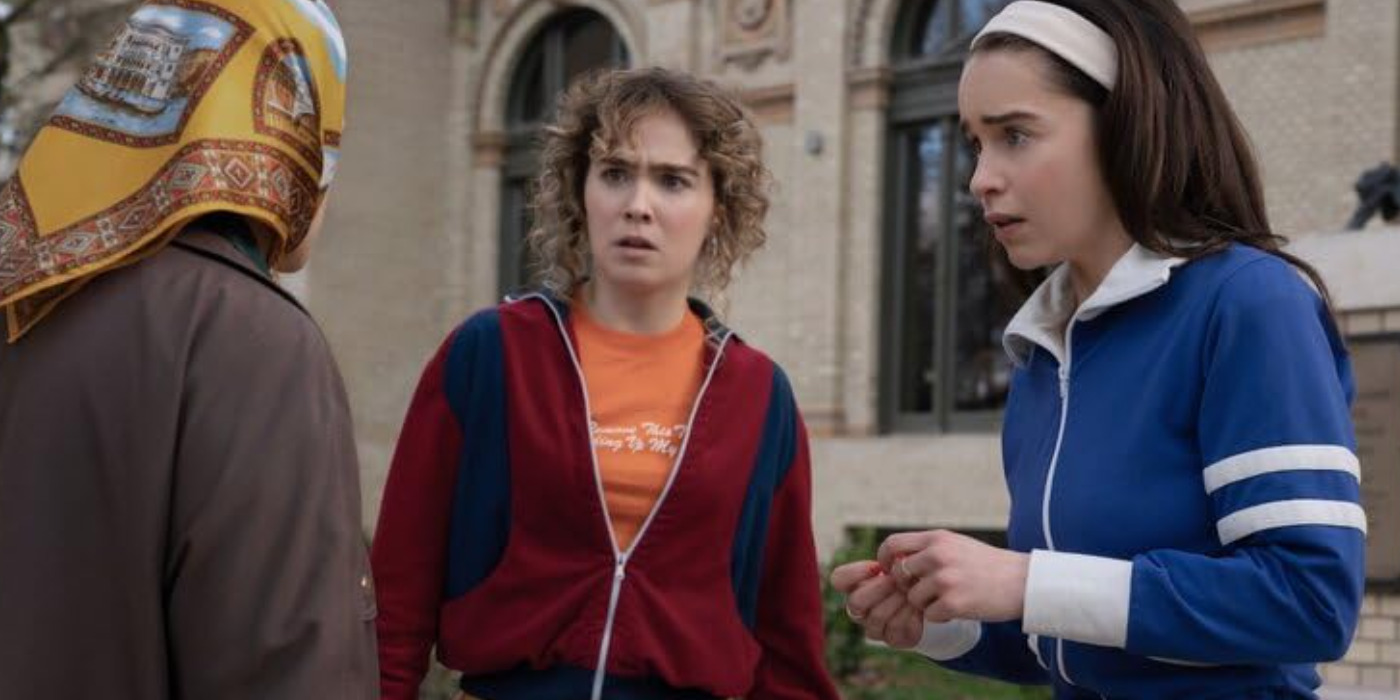
In discussing the show’s dedication to relative historical accuracy, Iserson said, “We knew that it was going to be impossible to have documentary-style accuracy. But we wanted it to feel true because the truth always makes for richer stories.” As a result, everything from the ins and outs of Moscow-based pubs, marketplaces, and the city’s general social atmosphere becomes a point of interest. The creators spoke with locals and brought on consultants to create the ideal backdrop for their story, bringing their version of Moscow in the 1970s to the screen.

