
 Abhiroop Das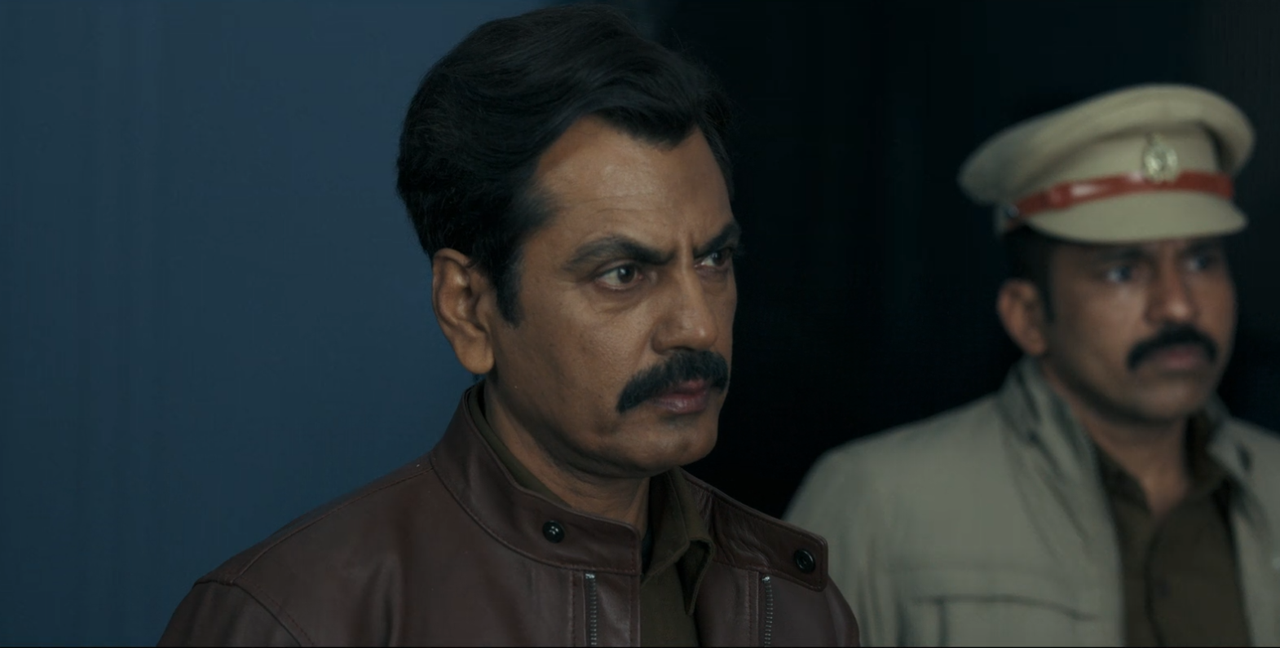
Directed by Honey Trehan, Netflix’s ‘Raat Akeli Hai: The Bansal Murders,’ or ‘The Night Is Lonely: The Bansal Murders,’ features Jatil Yadav, a small-town police officer, on his grim investigative journeys. With the murder mystery of the previous movie, ‘Raat Akeli Hai,’ now behind him, Jatil takes on the case of the Bansal family, who are tormented by inexplicable occult happenings. However, Jatil is hardly prepared for what follows next, as within a single night, several members of the family are massacred inside their mansion. With the entire nation’s eyes now on him, Jatil has to sieve the truth out of a sea of lies and conspiracies, even if it means venturing into the unknown all by himself. To that end, the ending of this crime thriller movie explains not just the who, but the whys and hows of this tragedy. SPOILERS AHEAD.
Raat Akeli Hai: The Bansal Murders Plot Synopsis
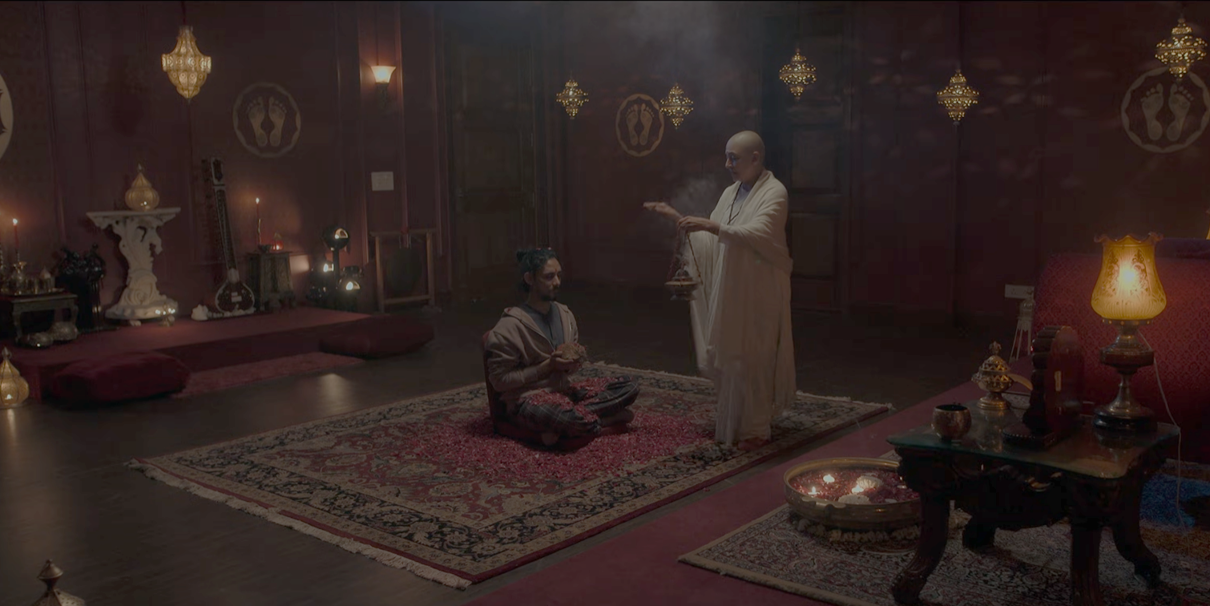
‘Raat Akeli Hai: The Bansal Murders’ opens with the wealthy Bansal family discovering an entire flock of dead and mutilated crows, as well as a pig’s severed head on their front porch. Inspector Jatil Yadav is called to the scene and learns that the family, led by patriarch Mahinder, is currently embroiled in a financial dispute with his estranged nephew, Rajesh Bansal. However, that is not the only curiosity he discovers at the estate. The Bansals appear to be deeply religious and follow a spiritual leader known simply as Mataji, whose real name is Geeta Vohra. Furthermore, there is Aarav, a young member of the family who is addicted to drugs and prone to violent episodes, and thus needs to be locked away. As the investigation tightens, Jatil confirms that the crow and pig scene was orchestrated by someone within the house, and unease sets in.
That night, Jatil makes his way to the Bansal estate, only to find the night guard fast asleep. Things soon become suspicious, however, as Mahinder’s daughter, Meera Bansal, walks out in blood-soaked clothes. To his horror, Jatil finds out that almost the entire family has been massacred, and Meera and two children, Aastha and Rehan, are the only Bansals to survive, with a guard, Om Prakash, in critical condition. As the police take over the crime scene, Meera claims she recalls Aarav charging at her while carrying a machete, before attacking the guard and then accidentally falling to his death. However, Jatil soon points out some discrepancies in her account about how the family was drugged before the crime, and that Meera was spotted at the gardening toolshed a few hours before the attack.
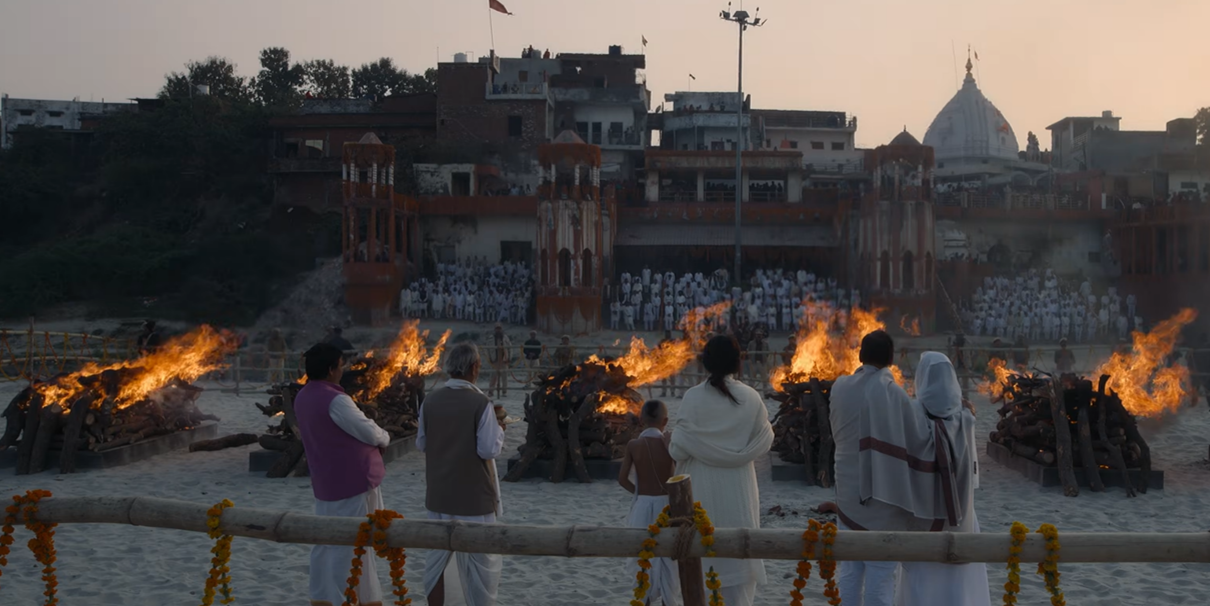
As Jatil pierces through the mystery, he also faces pressure from his higher-ups, specifically DGP Sameer Verma, who asks him to wrap up the case with Aarav as their killer. However, Jatil finds the answers he needs upon inspecting the mysterious death of Meera’s child. While he had a history of respiratory ailments, the child died due to a gas leak inside a school in an underprivileged neighborhood. The toxins seemingly came from a chemical factory owned by Meera herself, and with that, Jatil begins to thread the larger picture. He believes that Meera, distraught by the death of her son, tried to do away with the family assets in collaboration with Mataji and killed the Bansals when that plan didn’t work. However, there are still loose ends left in the case, which ultimately lead him to the truth.
Raat Akeli Hai The Bansal Murders Ending: Who Murdered the Bansal Family?
At the end of ‘Raat Akeli Hai: The Bansal Murders,’ the killer is revealed to be Om Prakash, one of the Bansal family’s night guards, who held them responsible for the death of his daughter. As Om Prakash was the first person Jatil encountered on the fateful night, the possibility of him being the culprit is largely overlooked until the final few moments of the movie. While Jatil remains convinced that Meera is behind the family massacre, one particular picture of her visit to the school forces him to reconsider. In it, he finds Om carrying one of the poisoned children in his arms, who later turns out to be his daughter, Rinki. With this, he is revealed to be one of the many families who lost their children to the toxins released by Meera’s secret chemical factory, and her refusal to take responsibility is what pushes Om Prakash to the brink.
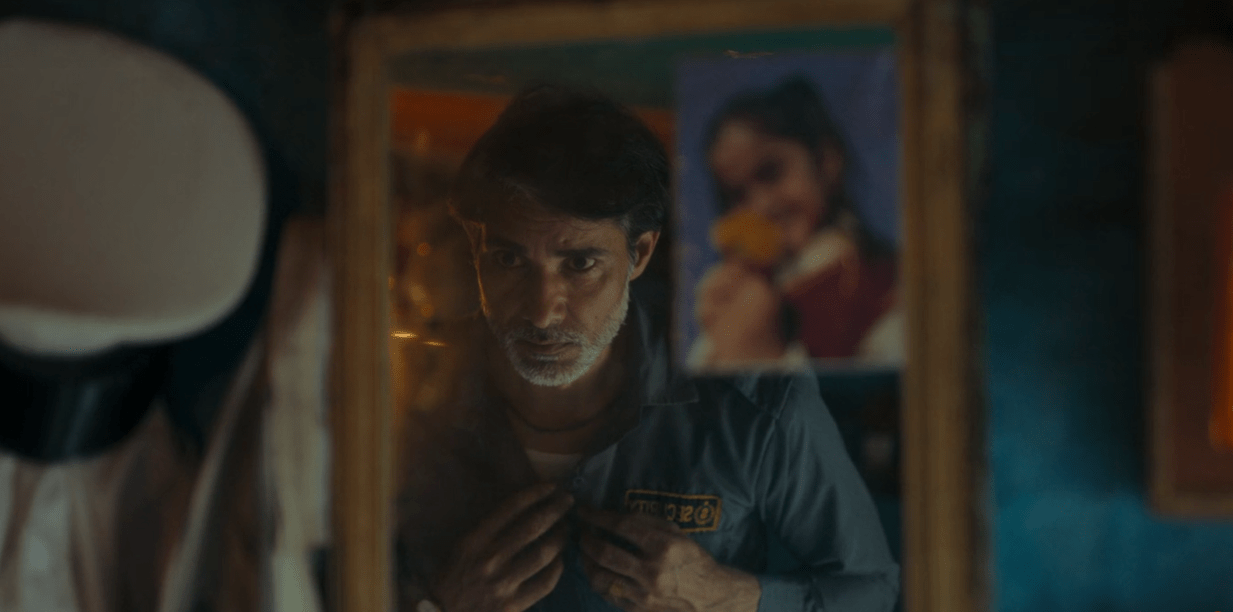
When Jatil ultimately confronts Om after he regains consciousness, we get a complete account of what transpired on the night of the murders, with all the gaps being filled. In a clever misdirection, the focus on Meera entering the toolshed eclipses Om doing the same a little while earlier. There, he took hold of the gardening machete. Around the same time, he poisoned the kheer sent by Mataji for the family, an act which is initially pinned on the other guard, Umesh. When night falls and the entire family sleeps, we see him intentionally leave the door open, which is his excuse to enter the house and make his presence known to Aarav. Om Prakash also happens to be Aarav’s drug supplier, and after giving the teen another pouch of cocaine, he begins his real plan.
Aarav’s Interruption Changes the Narrative for Meera
While the covering of the family’s faces is initially assumed to be an emotionally motivated move by Aarav or Meera, in Om Prakash’s case, it is registered as an attempt not to draw any blood on his clothes. After killing several family members, he finally hit trouble when killing Aarav’s parents, who were yet to fall asleep. Alerted by the struggle, Aarav reached the scene only to find his father stabbed in the neck. With things getting out of hand, the night guard tried to run, but found himself cornered by Meera. With no way out, he returned upstairs, where Aarav, already in a state of drug-fueled frenzy, launched at him to take revenge. From Meera’s perspective, Aarav emerged as the murderer. However, in reality, and with Om accidentally pushing the teen to his death, the truth is seemingly buried.
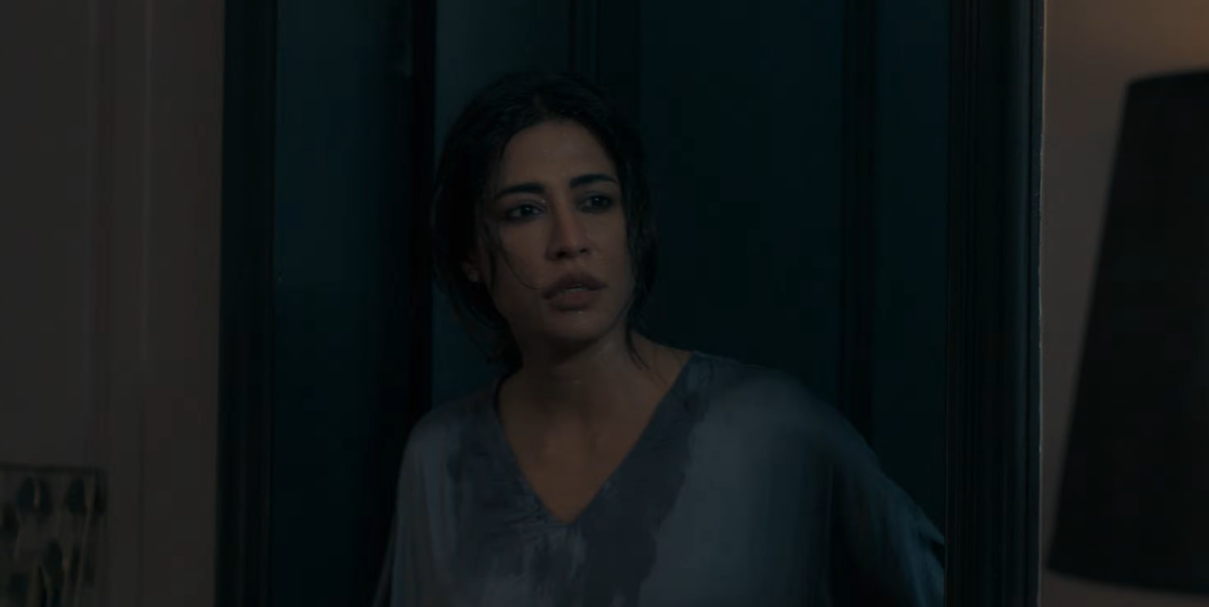
Om’s retelling of what truly happened recontextualizes what appears to be suspicious activity from Meera and Aarav. In reality, they are both engulfed in circumstances far beyond their control, which leads to narratives shifting beyond recognition. However, Om’s killing spree is not without reason, as he is particularly affected by how his daughter, nor any of the other children from the informal settlements, ever received any care from the Bansals. Worse still, the media, including the Prabhat Manthan newspaper, portrayed the families as irresponsible. Frustrated with the Bansal family’s attempts to cover up their crimes, Om Prakash turned to the dark side. In the end, he succumbs to his injuries, bringing the story of trauma and loss full circle.
Who Leaked Om Prakash’s Confession?
Om Prakash’s confession, which exposes the Bansal family’s exploitative practices, is mysteriously leaked to the media and is watched by viewers all around the country. Although the leaker’s identity is never confirmed, the story suggests that Jatil Yadav himself may be behind the reveal. He is not alone in this, however, as Dr. Panicker also plays a crucial role in bringing the truth to the world. When inquired by the DGP, she claims that her laptop, containing both forensic evidence and the confession tape, was stolen, and that is what led to the leak. However, these frames are interspersed with Jatil confidently walking out of the station. On a symbolic level, this move serves as a response to the question he earlier directed at himself about the point of his truth-seeking.
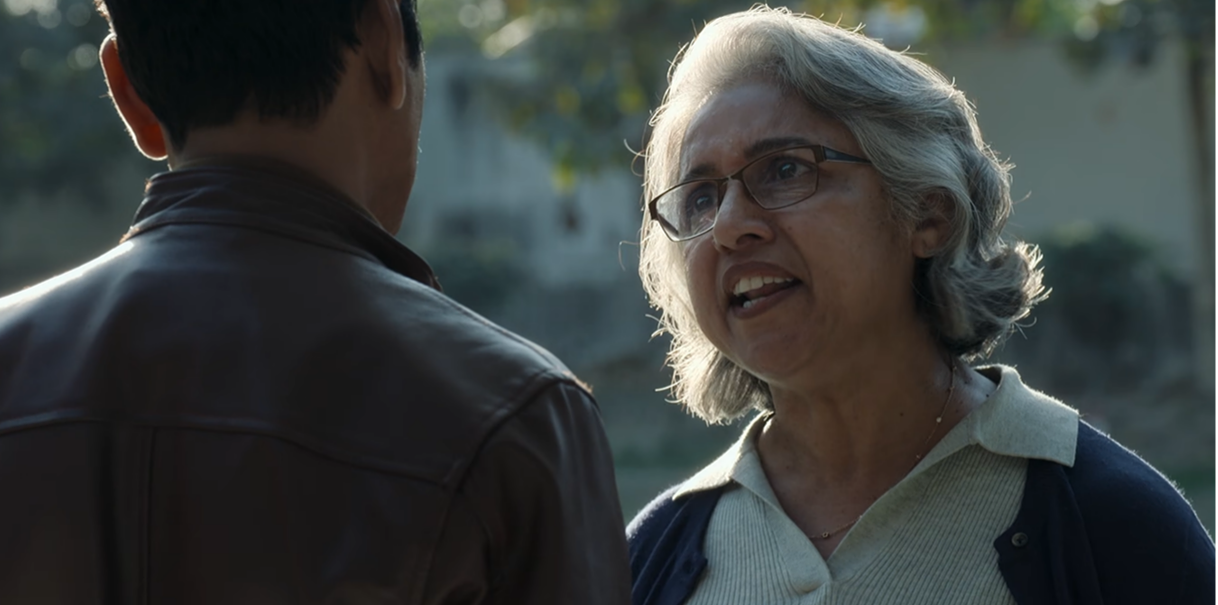
While Jatil and Dr. Panicker start out at odds with each other over the investigation, they find common ground in their pursuit of justice. To that end, her decision to secretly leak the confession alongside him flips the script on her reserved characterisation thus far. With Om’s words now circling every news outlet, questions are raised about transparency in media, with Newrise TV spearheading a campaign for honest journalism. Nonetheless, behind closed doors, Rajesh Bansal is exasperated by the development, and the contrast amplifies the irony on display. Still, with the public now more conscious about wealth inequality as a social evil, Om Prakash’s admission of guilt in the Bansal murders gains additional layers.
What Happens to Meera and Mataji? Are They Arrested?
In the days following Om Prakash’s death, all media scrutiny falls on the remaining members of the Bansal family, particularly Meera. This also adds fuel to her ongoing feud with Rajesh Bansal, as he is fully aware of the family’s involvement with the toxic chemical factory. However, in a surprise turn of events, we learn that Meera is safe from all legal troubles, as the ownership of the factory was transferred from her to someone else a long time ago. Although we are never explicitly told who that person is, the transition to Mataji suggests that she is the new owner. Still, by the end of the movie, Meera goes scot-free for her indirect involvement in the death of several children, including her own. There are even talks of her being sent to the Korea branch of Mataji’s ashrams, but Meera insists on staying in India and fighting her own battles.
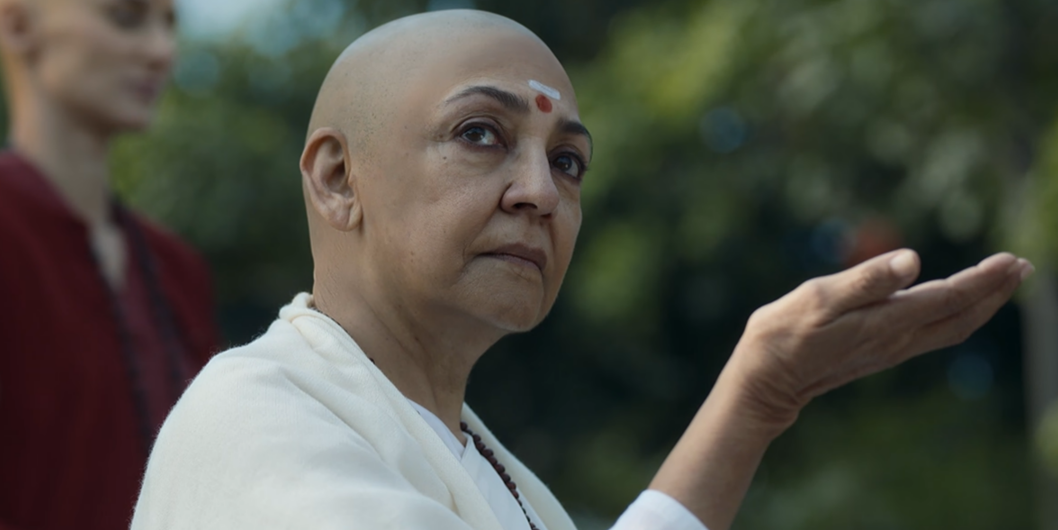
Throughout the story, Geeta Vohra AKA Mataji, comes across as the most enigmatic character in the mix. While most of Jatil’s hunches point to her involvement in the massacre, she is ultimately proven to be innocent of this crime. Still, her cult-like practices are put into question. With a clear involvement in the Bansal family’s shady businesses, she is likely a participant in the crimes that are now actively being suppressed. The fact that neither Meera nor Mataji faces any real repercussions for their actions also serves as a commentary on the stark nature of society, where the corrupt often get away with their crimes as long as they have the necessary resources. Meera’s final appearance on screen, where she decries Om Prakash’s actions, thus has an ironic tinge to it.
Why is Jatil Suspended? Will he and Radha Get Married?
Another showcase of the deep-rooted corruption within the criminal justice mechanisms of ‘Raat Akeli Hai: The Bansal Murders’ is Jatil’s suspension from the police force. Following a press conference where Om Prakash’s incrimination is confirmed, DGP Sameer Verma vents out all of his frustration at Jatil, seemingly for introducing new evidence and redefining the case at the last minute. The sinister implication here is that Verma intended to close the case with a lie, thus preserving the self-interests of the elites who had likely bribed him, such as Rajesh Bansal. To that end, Jatil’s decision to leak the confession was perhaps the only way he could put pressure on the authorities to release the truth.

Despite Jatil doing his job with sincerity, he is punished by Verma with a suspension that has no end in sight by the end of the movie. However, given that resilience is baked into Jatil’s being as a police officer, it is only a matter of time before he returns to the force. It is possible that his next faceoff will be with Verma, unveiling his truth as a corrupt cop. Till then, however, Jatil has to stay at home and hone his instincts. While his on-and-off bickering with his mother has been a constant feature of the family drama in the movie, the arrival of Radha into his life shifts things, as Jatil is now not only more affectionate but also receptive to his mother’s needs and desires.
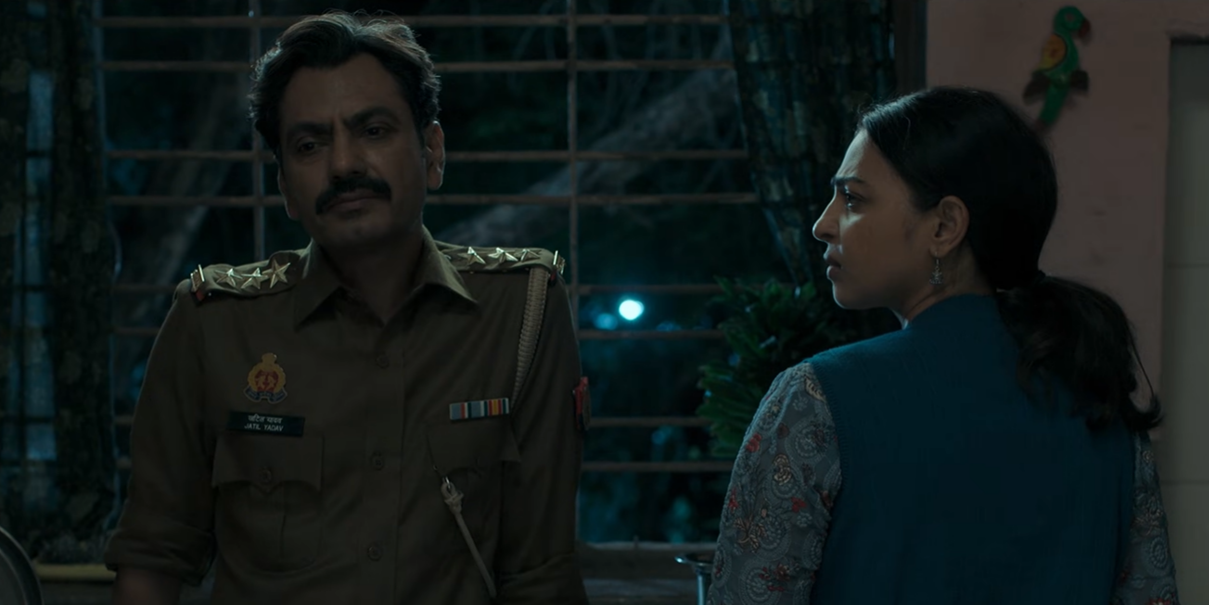
The final sequence of the movie also touches on Jatil’s romantic life, as his relationship with Radha is about to reach a new chapter. While the subject of Jatil’s marriage has been mentioned numerous times in the story, it is here that we receive a definitive answer. Deeply in love with Radha, he promises to tie the knot once she completes her education. As the previous movie, ‘Raat Akeli Hai,’ is largely about Jatil overcoming his rigid patriarchal beliefs, this movie shows how he has grown as a character, as well as how that growth has made him a better police officer. To that end, his suspension indirectly gives him an opportunity to nurture his relationship with Radha.
Read More: Is Raat Akeli Hai The Bansal Murders Based on a True Story?

