
 Abhiroop Das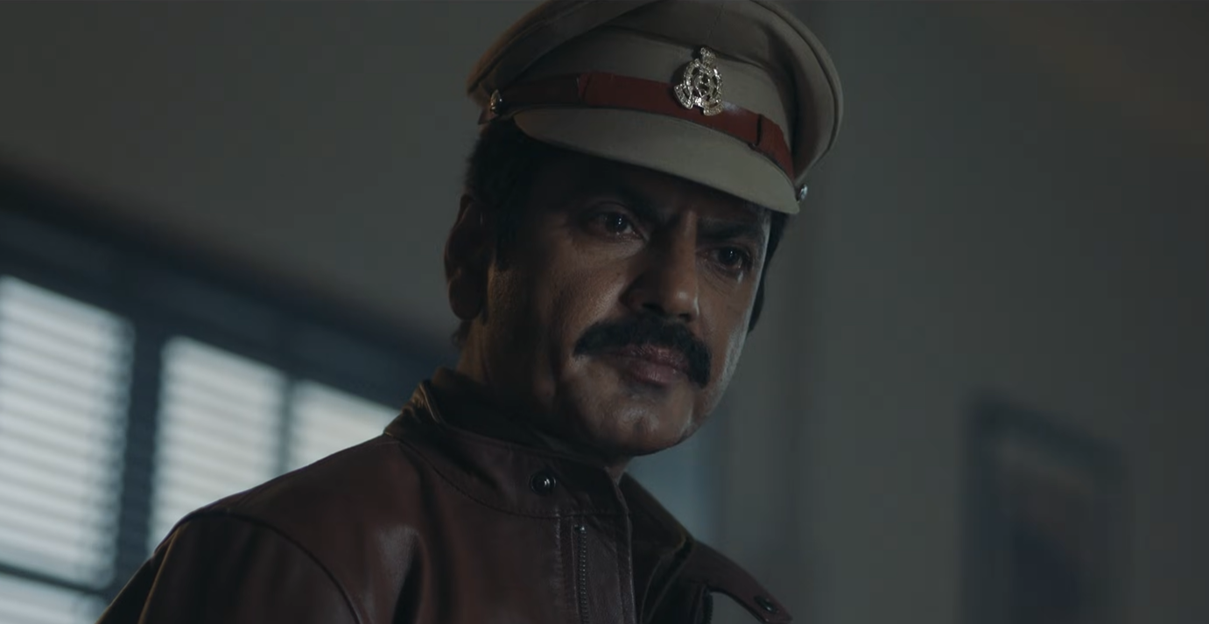
Helmed by Honey Trehan, Netflix’s ‘Raat Akeli Hai: The Bansal Murders,’ or ‘The Night Is Lonely: The Bansal Murders,’ continues the story of Inspector Jatil Yadav following the events of ‘Raat Akeli Hai.’ After solving the complex case of Raghuveer Singh’s murder in the first movie, Jatil now encounters a bigger and far more vicious case. After a series of ominous incidents, several members of the wealthy Bansal family are massacred in a single night, sending the entire nation into a frenzy. The seasoned inspector soon realizes that there is more to the story than meets the eye, as the links between cause and effect dissolve in the face of contradictory narratives and shady family secrets. As such, the Hindi crime thriller movie is as much a murder mystery as it is a study of family dynamics and how they both inform and respond to social perils.
Raat Akeli Hai: The Bansal Murders Was Conceived as a Mirror Into Society
‘Raat Akeli Hai: The Bansal Murders’ is a fictional story penned by writer Smita Singh. During a Netflix media session in Mumbai, director Honey Trehan confirmed that the movie is not based on any particular real-life event, but is rather a reflection of society. He explained, “The people who exist around us—whether today or in the past—their lives, struggles, circumstances, and behaviour shape a story. Many small experiences and incidents come together to form a big, impactful narrative.” Actor Nawazuddin Siddiqui, who essays the lead role of Inspector Jatil Yadav, added that the writer’s room incorporated several real-life incidents into the narrative, blending in a sense of authenticity while still maintaining the crafted nature of the story.

Notably, the original ‘Raat Akeli Hai,’ to which this movie serves as a sequel, is also a fictitious tale with an overlap in the creative crew. As such, the through line between these two stories appears to be an interest in capturing urban anxieties through the framework of a classic whodunit. Alongside being a police procedural, the story also delves into the personal flaws of the protagonist, Jatil, and how they color the larger mysteries. Trehan expanded on this in the interview, recalling that the first movie was about Jatil overcoming his patriarchal beliefs. As a continuation of that, ‘Raat Akeli Hai: The Bansal Murders’ comments on the rising wealth gap and the sociological components that shape and reinforce class inequalities.
Raat Akeli Hai: The Bansal Murders is Vaguely Reminiscent of the Burari Tragedy
Given that the movie follows the massacre of a joint family, many have pointed out its similarities to the real-life Burari case, wherein 11 members of a family in Burari, Delhi, died by ritualistic mass suicide on July 1, 2018. When asked about the possible connection, Trehan neither confirmed nor denied the link, and instead encouraged the audience to draw their own conclusions. He further stated, “All my films, and in them, some or the other character is inspired by real life, and that will be the case even with any of my work in the future.” While it is possible that the Burari tragedy may have served as a vague reference point for the movie’s invented premise, any deeper connections are unlikely given the differences between the two cases.
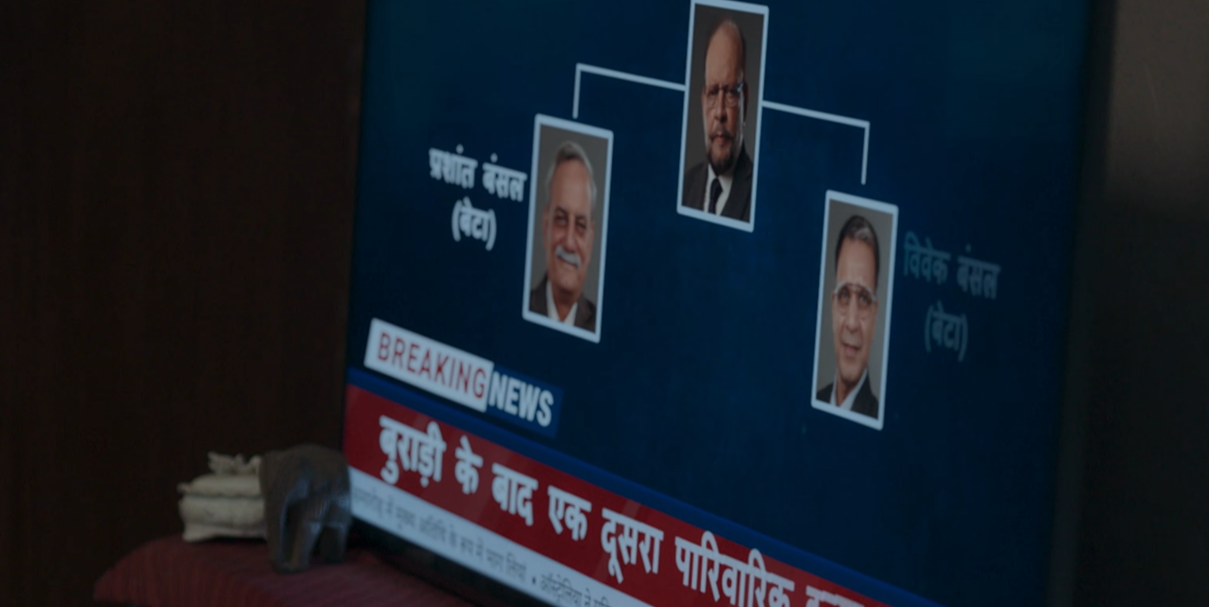
While the Burari deaths took place in Central Delhi, the film’s Bansal family massacre takes place in Kanpur, Uttar Pradesh, which itself has a significant effect on the mystery. Furthermore, all 11 members of the Burari family who lived there died on the night of July 1. In contrast, in the movie, 3 family members survive the tragedy and go on to become pivotal players in the narrative. The fact that ‘Raat Akeli Hai: The Bansal Murders’ is a murder mystery makes it distinct from the Burari deaths, and it is unlikely that the writing team drew inspiration from the specifics of the real-life incident. The movie also doesn’t shy away from exploring the concept of faith from a multitude of angles, especially in the context of a spiritual leader character named Geeta Vohra.
The Cast of Raat Akeli Hai: The Bansal Murders Add Depth to the Narrative
A significant aspect of what infuses the movie with a sense of realism is its portrayal of police and criminal justice, with Inspector Jatil Yadav playing a pivotal role in many of the thematic underpinnings. In a conversation with PTI, Siddiqui expressed his enthusiasm for bringing authentic stories to the screen, stating, “We make fantasy or larger-than-life films, but what I like the most is the real-life stories.” To that end, everything his character does was meticulously designed to fit the larger narrative, ranging from his body language and dialogue delivery to even how silence is rendered on-screen.
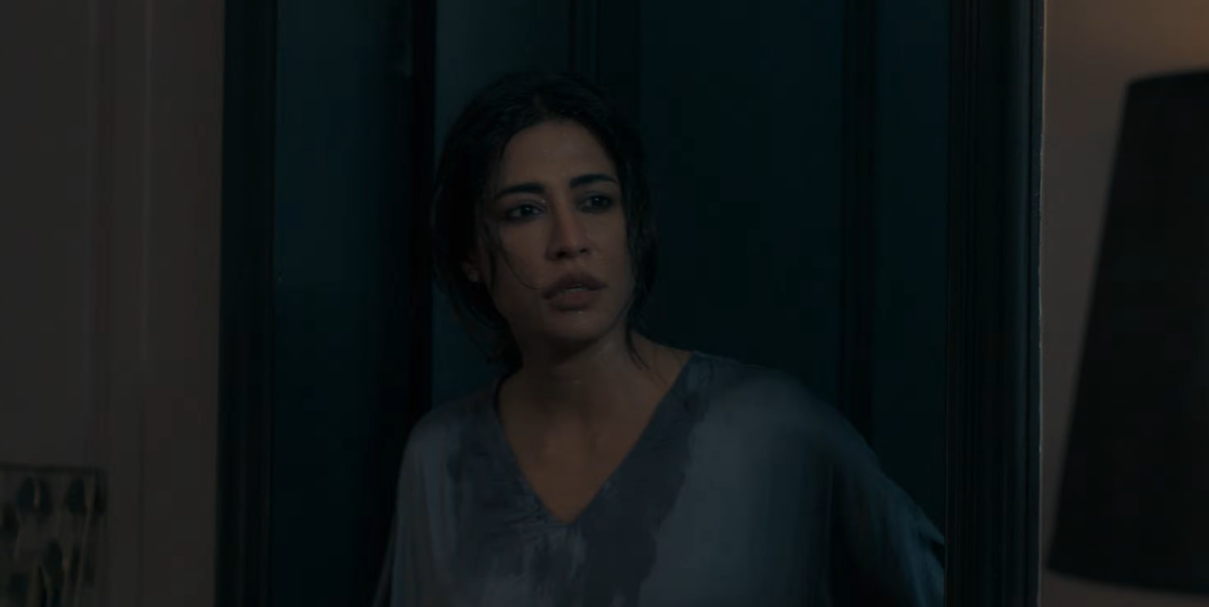
Actor Chitrangada Singh, who plays the role of Meera Bansal, one of the survivors, drew from her keen understanding of the character and the world she occupies. In the panel session, she explained, “My character appears calm and composed from the outside, but inside she lives with fear and deep anxiety (…) She has many unspoken truths.” In the same vein, she reiterated that the story was not inspired by a single event or case, but rather the spectrum of dark realities that haunt society.
Read More: Raat Akeli Hai The Bansal Murders Ending Explained: Who is the Killer?

