
 Saagar Kote
‘Je m’appelle Agneta‘ explores the personal transformation and daily challenges of Agneta, a middle-aged Swedish woman. Despite her lively and witty personality, she feels trapped in a lackluster life and increasingly overlooked by her husband, Magnus, who is preoccupied with fitness and cycling. Driven by a desire for change, she takes a leap of faith and moves to France for an au pair position. Upon arrival, it is revealed that the one she is assigned to is not a young boy, but rather Einar, an elderly man seeking someone to talk to.
This initial confusion blossoms into a significant connection as the two navigate their differing outlooks on the world. As Agneta navigates newfound emotions in this unfamiliar setting, she becomes conflicted, caught between her changing life in France and the routine existence she left behind in Sweden. In the narrative, the village of Saint Carelle and Bar Chez Fabien play pivotal roles in determining Agneta’s fate. SPOILERS AHEAD.
Saint Carelle Signifies Freedom and Acceptance in Agneta’s Restrained and Mundane Life
Saint Carelle is a fictional village in Provence, France, where Agneta travels to take a new job as an au pair. Right from the start, she realizes that the place is very different from where she comes from. The village is a grounded portrayal of the value of freedom and tolerance in the lives of ordinary people. One of the major elements that makes Saint Carelle so important in Agneta’s life is its culture of accepting people for who they are. Unlike her husband, Magnus, the people in the French village don’t expect her to filter her thoughts or to pretend to be someone she isn’t. Saint Carelle is also an extension of Einar’s character arc in the story. Just like him, the village, too, is boundless, liberated, and unapologetic about how it wants to exist. The people of the village are close to each other, and the community works as one.
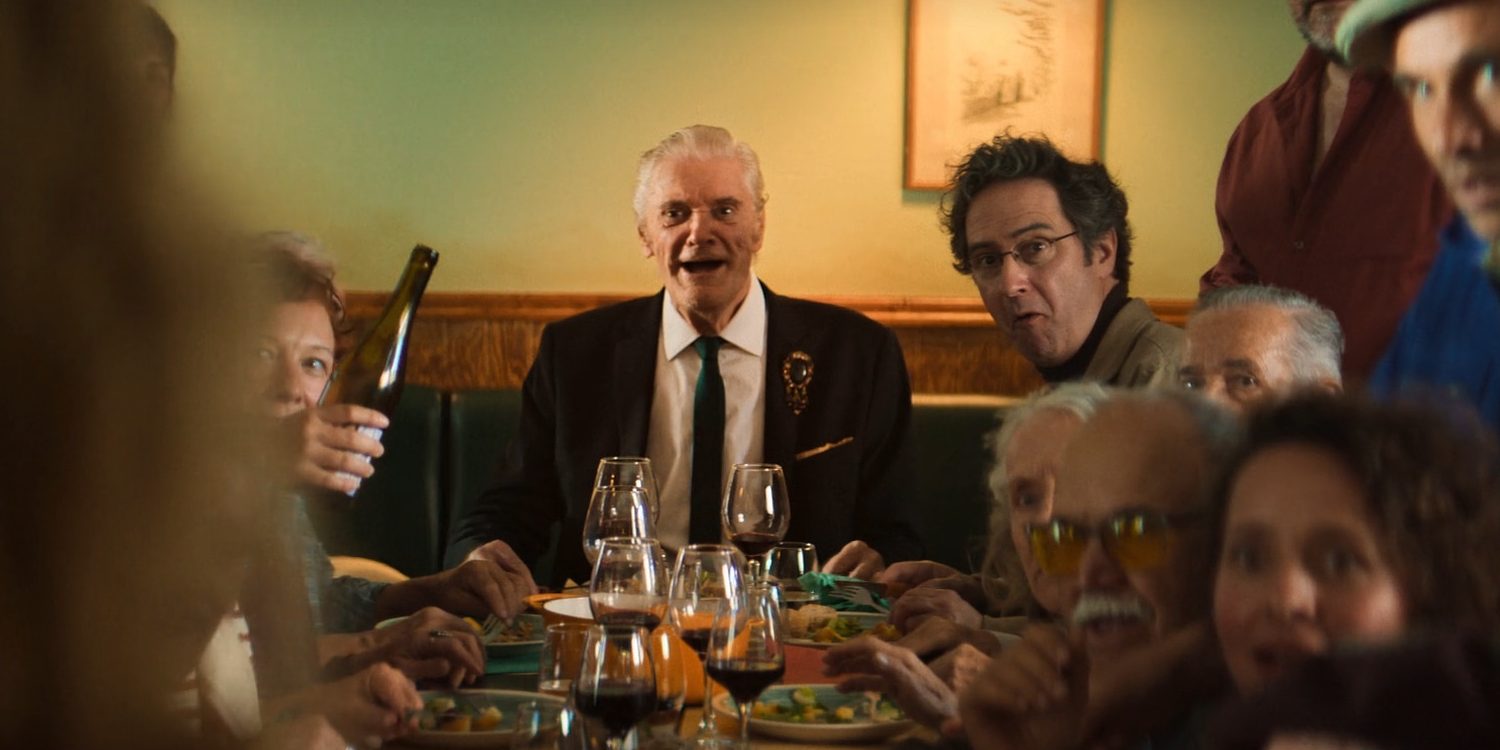
Saint Carelle appears to be a real place because of the people who inhabit it, the way it treats outsiders, and the value it places on living life to the fullest possible extent. The open spaces, the bright sunshine, and the fresh air of the village only add to its already positive outlook on life. Agneta makes friends around Saint Carelle, who accepts her as she is, and she doesn’t feel the need to explain her actions or justify her tastes. Through the experiences of Agneta in the village, the story conveys a poignant message of peace and happiness. Without grandeur or pompous delivery of social messages, the narrative intricately examines the soul of Saint Carelle to reveal that happiness and liberation are possible. Ultimately, the village is a symbol of optimism in a rather bleak world.
Bar Chez Fabien is the Beating Heart of Saint Carelle and a Symbol of Agneta’s Evolving Love Life
Bar Chez Fabien is the first place that Agneta goes to when she arrives at Saint Carelle. The fictional bar is owned by Fabien, a handsome middle-aged man whom Agneta is instantly drawn to. The simple bar is where most of the villagers come to dance, drink, and have a good time. The bar is where Agneta finds the courage to get intimate with Fabien after their bond deepens. Bar Chez Fabien is also a commentary on the concept of hedonism in the positive sense. Through the celebrations at the bar, the story portrays how happiness can be found easily when there are no restrictions. The customers who visit the bar feel like they can express themselves freely, making it an important part of the overall narrative’s theme. Agneta realizes the evolution of her life due to her experiences at Bar Chez Fabien.
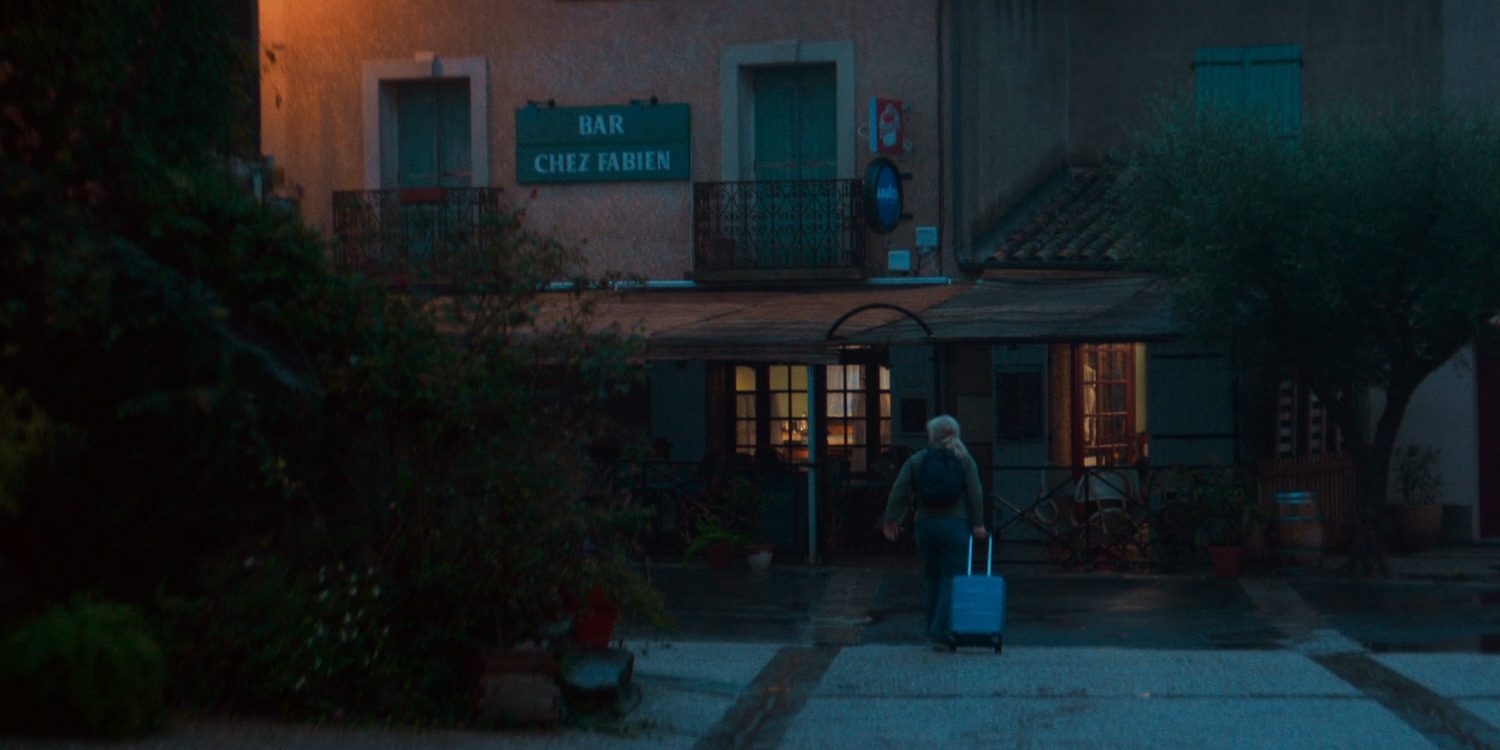
The bar is where she goes when she decides to leave Magnus forever. She instantly recognizes that the local establishment is the place that will welcome her, no matter how she looks or feels. Bar Chez Fabien is also a poignant navigation of the spirit of community life and the way it brings people together, despite their differences. Thus, the bar is more than just a physical space in the narrative, but a symbolic representation of the process of human bonding and the achievement of personal liberation.
Read More: Je m’appelle Agneta Ending Explained

